Americans ‘Bear Nearly All the Cost’ of Tariffs, According to New Research
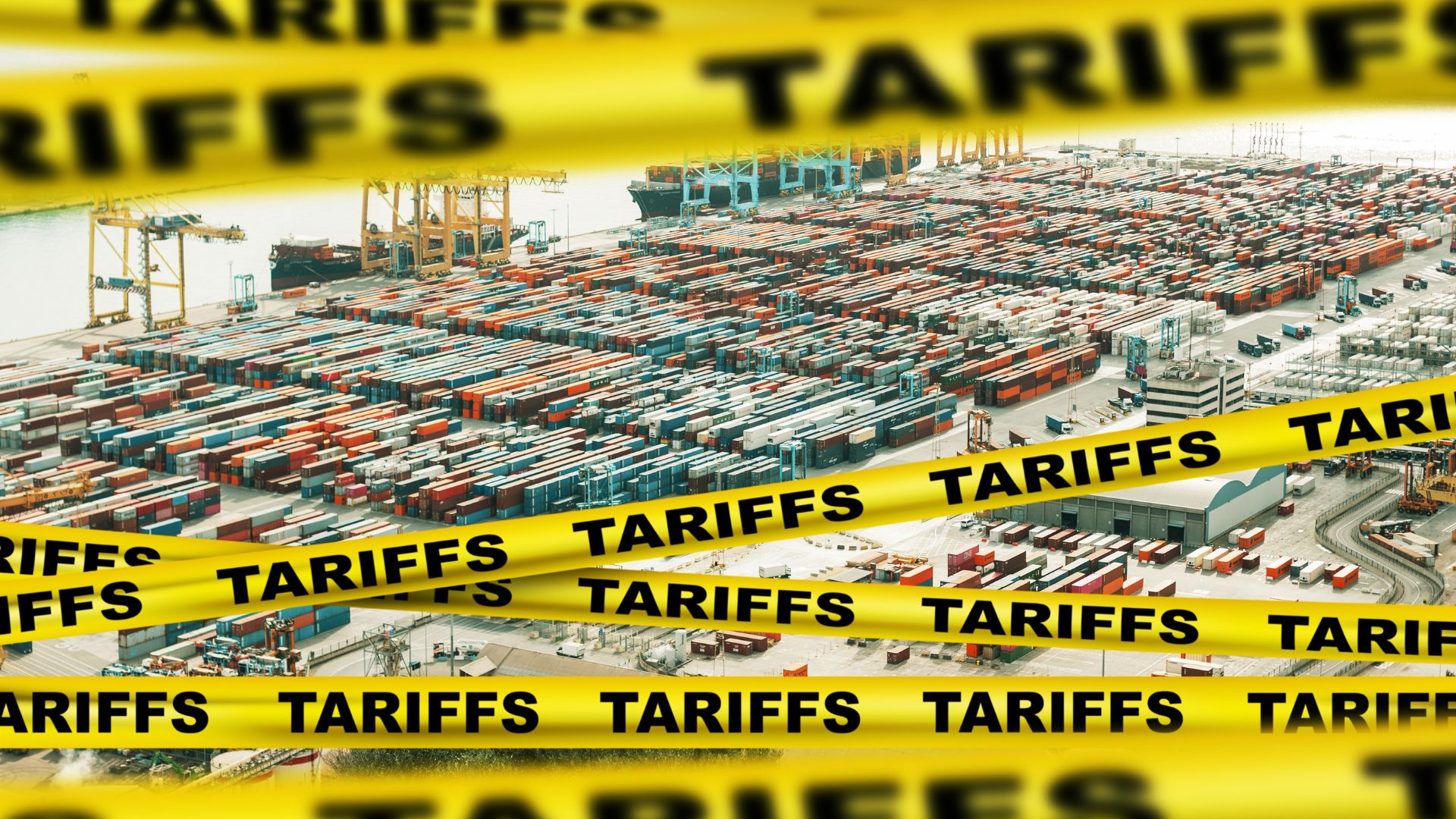

New research shows that Americans pay almost all of the cost of U.S. tariffs rather than foreign exporters. The study analyzed millions of shipment records across recent years to track how tariff costs move through the supply chain. The findings indicate that tariffs largely function as a domestic cost rather than a foreign penalty.
Researchers found that roughly 96 percent of tariff costs fall on American importers and buyers. Foreign exporters absorbed only a small portion of the added expense. This means higher costs ultimately reach U.S. businesses and consumers.
Tariffs generated significant revenue, but that money came primarily from higher prices paid inside the United States. Instead of lowering prices to offset tariffs, many exporters maintained pricing and reduced shipment volumes. This shift placed the financial burden on U.S. companies purchasing imported goods.
How Tariffs Affect Prices at Home
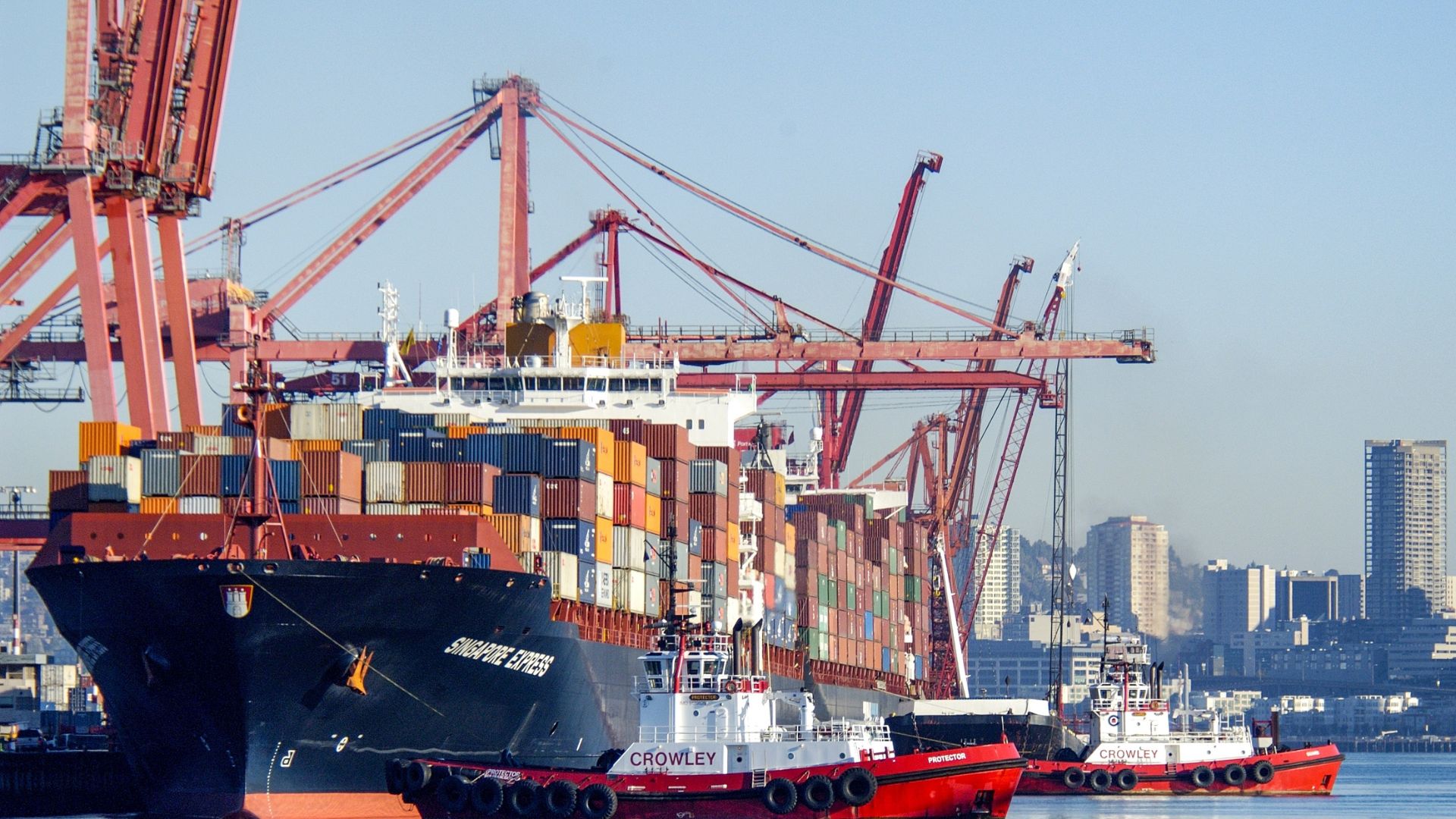
When importers face higher costs at the border, they often pass those costs along. Retailers and wholesalers raise prices to protect margins. Consumers then see higher prices on everyday goods.
Economists explain that tariffs work much like a consumption tax in practice. Households pay more for products that rely on imported materials or components. Over time, this contributes to broader price pressure across multiple sectors.
The research also found that tariffs can reduce the variety of goods available. When exporters ship fewer products, competition declines. Less competition can lead to higher prices and fewer choices for consumers.
Why Exporters Do Not Absorb the Cost
Foreign exporters often choose not to lower prices because doing so cuts into profits. Instead, they limit how much they sell to the U.S. market. This strategy allows them to maintain margins while shifting the cost burden elsewhere.
U.S. importers then face a difficult choice. They can accept lower profits or raise prices. Many choose to increase prices, especially when alternatives are limited.
This pattern appeared across trade with multiple countries. The consistent outcome shows that tariffs rarely pressure exporters to reduce prices. The cost instead stays within the U.S. economy.
What This Means Going Forward

For American consumers, the findings highlight a clear link between tariff policy and household costs. Higher tariffs often translate into higher prices at the store. This effect can strain budgets, especially for families already managing rising expenses.
For policymakers, the research provides insight into who actually pays for tariffs. Understanding how costs flow through the economy helps inform future trade decisions. As tariff discussions continue, the study underscores the importance of weighing domestic financial impact alongside policy goals.