Americans Aren’t as Into DIY Anymore and There’s a Reason You Might Relate To
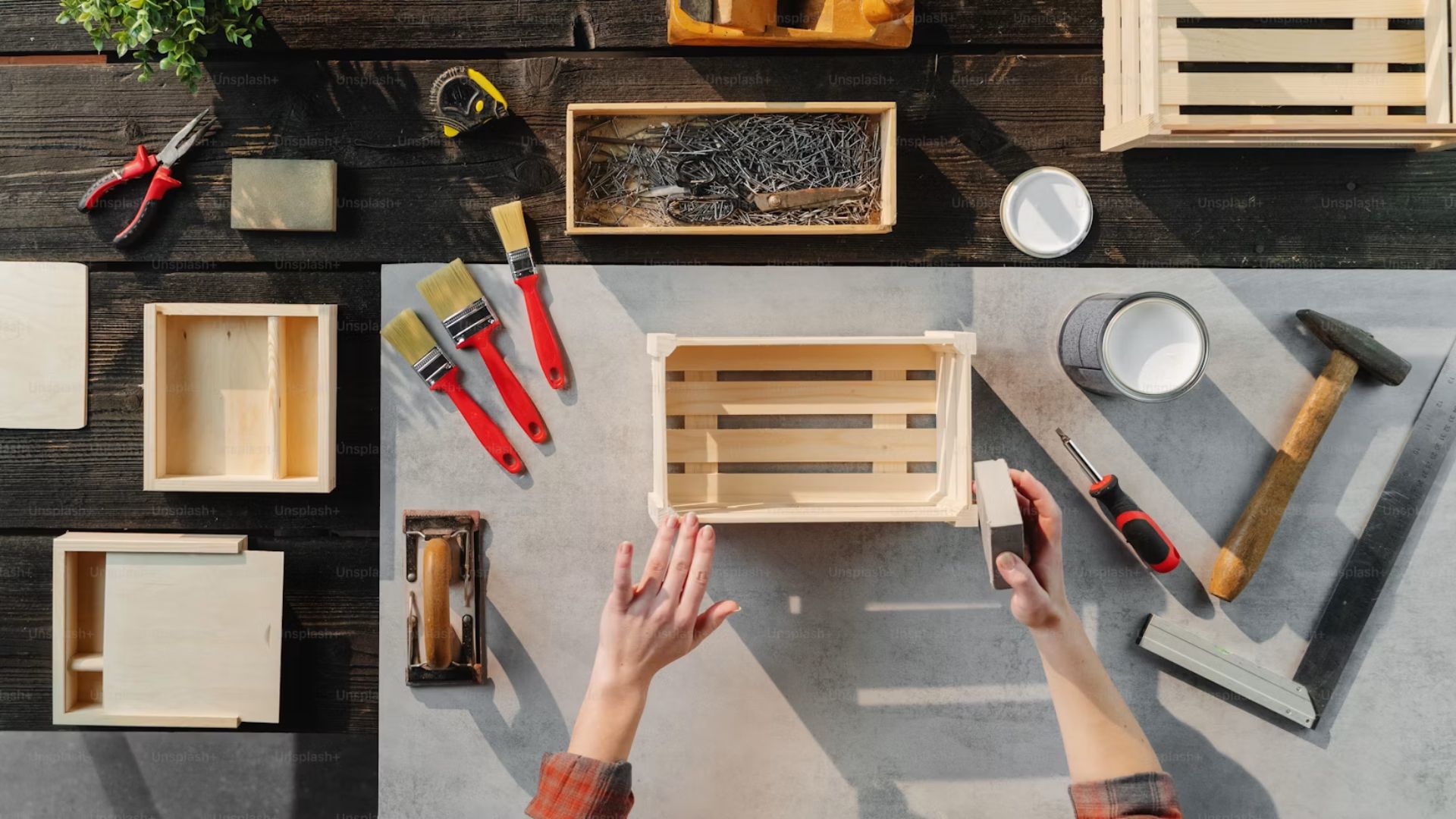

For decades, doing home improvements yourself has promised lower costs and the satisfaction of finishing something with your own hands. Yet Americans are increasingly spending their renovation dollars on professionally installed work instead. The change has unfolded gradually and looks different depending on the project and homeowner. What is pulling people away from DIY turns out to involve more than simply losing interest in picking up a toolbox.
DIY’s Share of Home Improvement Spending Has Shrunk

The numbers reveal how much the balance has changed. DIY accounted for 23.8 percent of home improvement spending in 1995 and peaked at 26.9 percent in 2003. After years of decline and a temporary pandemic rebound, its share reached a new low of 15.9 percent in 2023. Homeowners are still tackling projects themselves, but professional work now represents a considerably larger portion of improvement spending.
Americans Have Not Actually Stopped Spending on DIY

A smaller market share does not mean DIY has disappeared. Inflation adjusted DIY spending reached $74.2 billion in 2021 before dropping to $64.5 billion in 2023, still well above its $41.5 billion level in 1995. The bigger change is that professionally installed projects have grown much faster. From 1995 to 2023, professional spending rose 157 percent, compared with a 55 percent increase for DIY.
Bigger Projects Are Increasingly Going to the Professionals
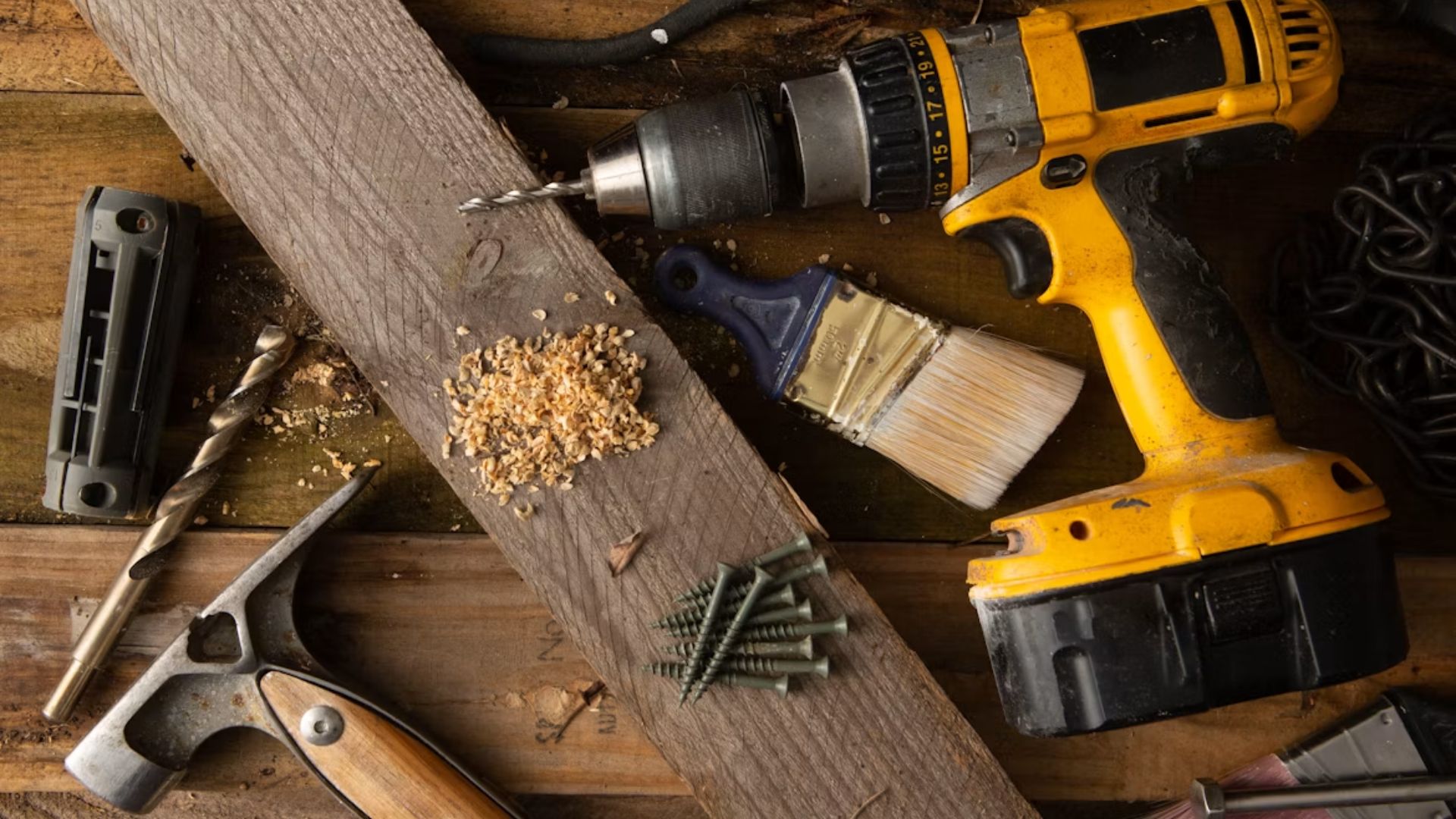
The type of project makes a major difference in whether homeowners reach for their own tools. Smaller and less expensive jobs are more likely to remain DIY territory, while larger or technically demanding work is more commonly hired out. Roofing, electrical projects, and structural changes are among the jobs homeowners frequently leave to professionals. Required skills and equipment matter, but another consideration is becoming increasingly important: the homeowner’s own time.
Your Free Time Has a Value Too
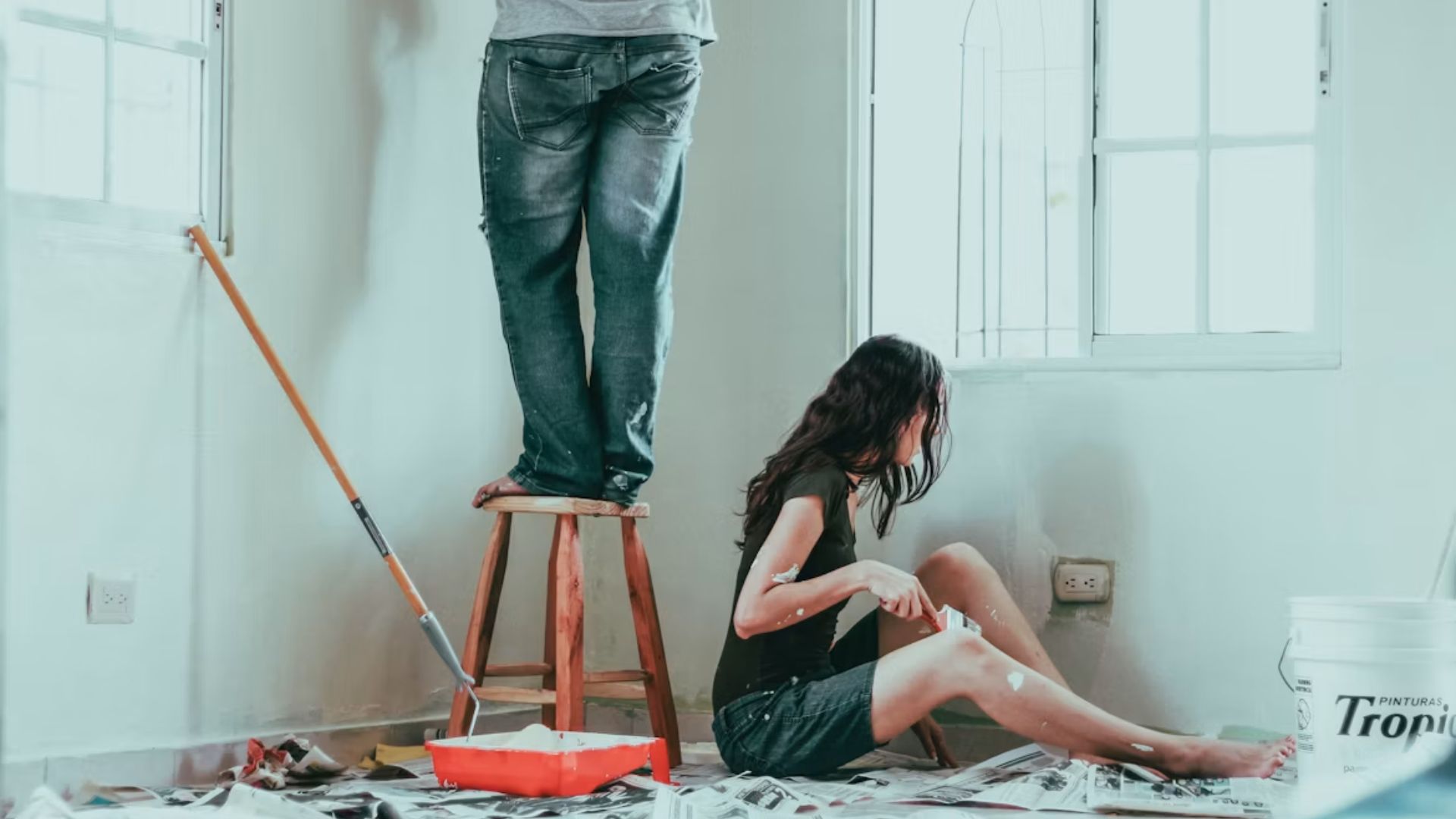
Deciding between DIY and professional help is not simply a comparison between material and labor costs. Homeowners may also consider the value of the hours they would have to devote to completing the work themselves. A project that initially looks cheaper to tackle alone can become less appealing when it requires specialized equipment, unfamiliar skills, or a substantial time commitment. That tradeoff helps explain why hiring someone can feel increasingly worthwhile.
Kitchen and Bathroom Projects Show the Biggest Shift
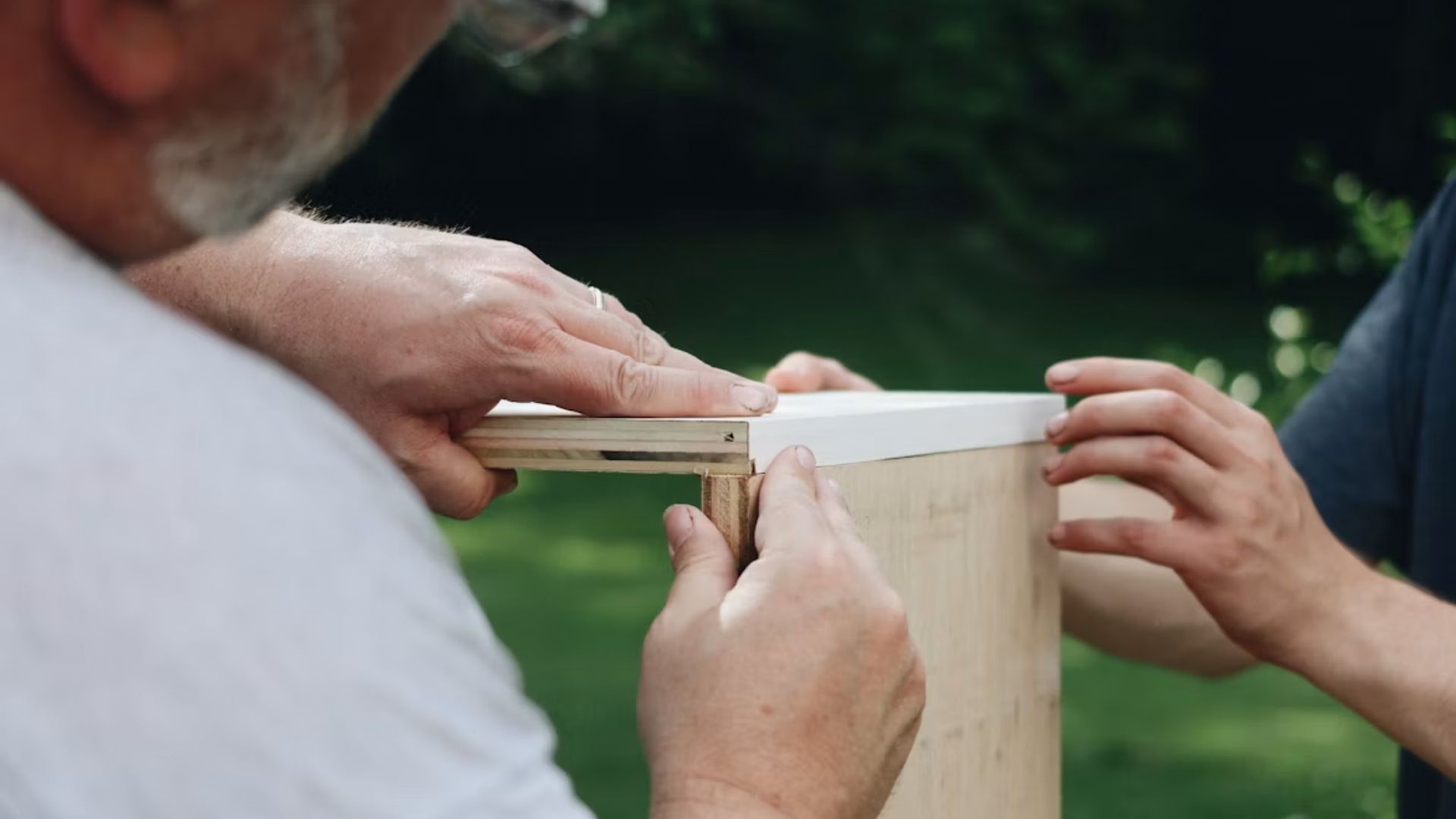
The retreat from DIY is especially noticeable with discretionary improvements such as kitchen and bathroom remodels, room additions, and outdoor attachments. DIY represented 31.5 percent of spending on these projects in 1995, but that share had dropped to 19.1 percent by 2023. Replacement work such as roofing, windows, and HVAC experienced a much smaller decline, partly because those projects were already more likely to require professional expertise.
Younger Homeowners Have Pulled Back the Most

One of the more surprising changes involves homeowners under 35. They still consistently devote the largest share of their improvement spending to DIY, but they have also experienced the steepest decline. Their DIY share fell from 40.1 percent in 1995 to 24.1 percent in 2023. By comparison, homeowners 65 and older remained much steadier, with their DIY share staying relatively low throughout the same period.
Older Homes Can Mean More Complicated Repairs
America’s aging housing stock may be another reason professional contractors are capturing more of the remodeling market. Older properties generate demand for work involving roofing, plumbing, and home systems, many of which can require professional installation. At the same time, homes and their systems are becoming more technically complex. That combination can make calling a professional more practical than attempting a repair without the necessary expertise or equipment.
Homeowners May Have More Money for Ambitious Projects
Another piece of the shift involves what homeowners are choosing to take on. Rising home equity can give owners greater ability to finance larger and more ambitious improvements, while an aging homeowner population tends to rely more heavily on contractor led work. No single factor explains the decline in DIY’s market share. Instead, changing homes, homeowner demographics, project complexity, available resources, and the value of personal time are working together.
DIY Is Changing, Not Disappearing

The decline in DIY spending share does not mean Americans have abandoned home projects. DIY remains a substantial part of a home improvement market that is much larger than it was three decades ago. What has changed is the balance: professional installation is capturing more spending as projects become larger, homes grow more complex, and homeowners weigh their time against labor costs. Sometimes doing it yourself simply is not the most practical choice anymore.