Americans Are Tired of the ‘Same Old Bathrooms’, and These Styles Are Winning Them Over
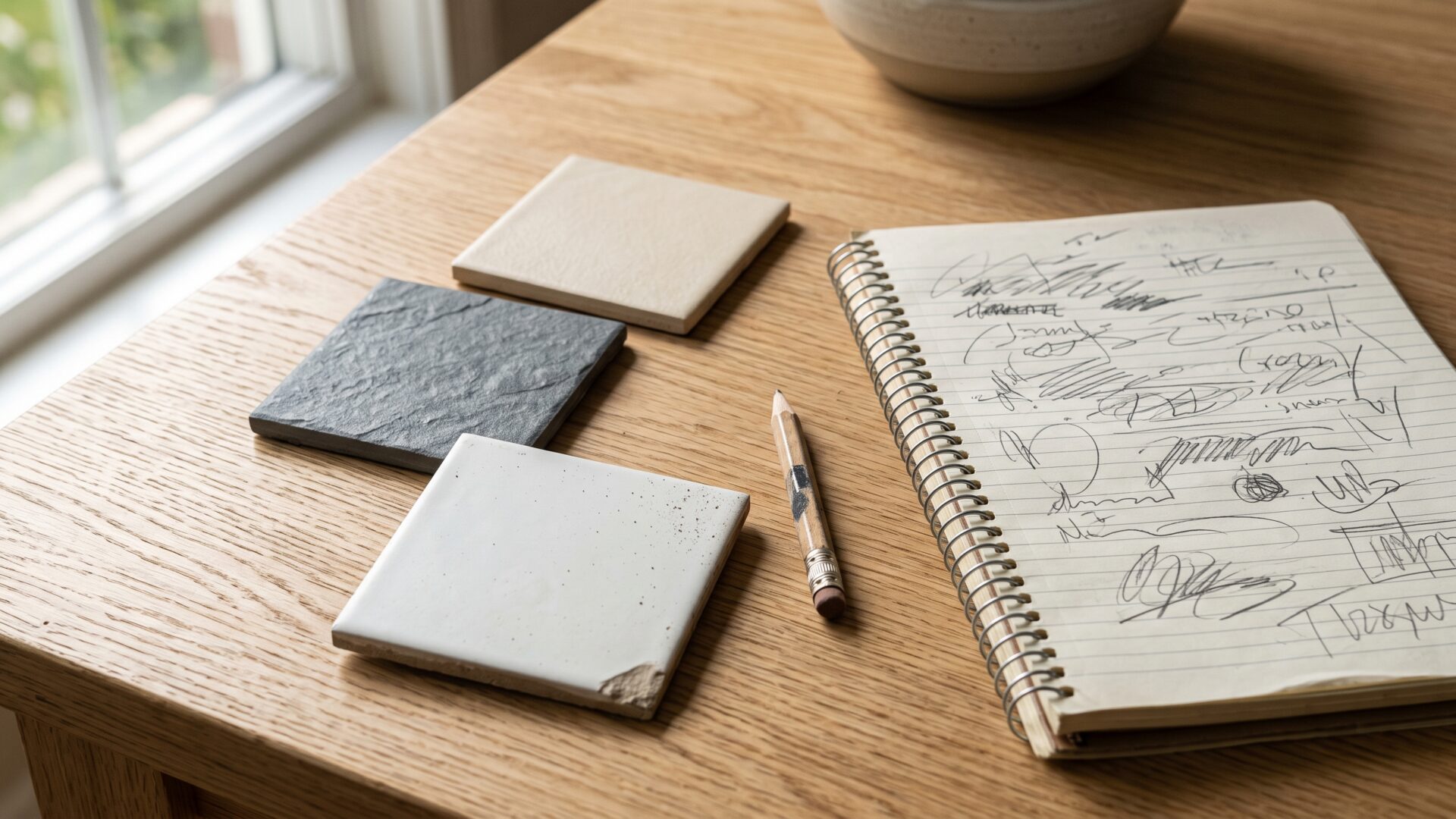

Houzz surveyed 1,619 homeowners in August 2026 for its 2026 U.S. Bathroom Trends Study, and the headline number is money. Median spending on bathroom upgrades hit $15,000 nationally in 2025, up from $13,000 the year before and matching the 2023 figure exactly. The dip reversed.
Major remodels, which Houzz defines as any project where at least the shower was upgraded, carried a median of $25,000. The most expensive tenth of those projects reached $70,000. Minor renovations also climbed, from a $7,500 median to $9,000. Every spending category in the study moved up, not just the large ones.
This article was created with the assistance of AI and reviewed by our editorial team for accuracy and clarity.
Most accessibility work targets needs five years out
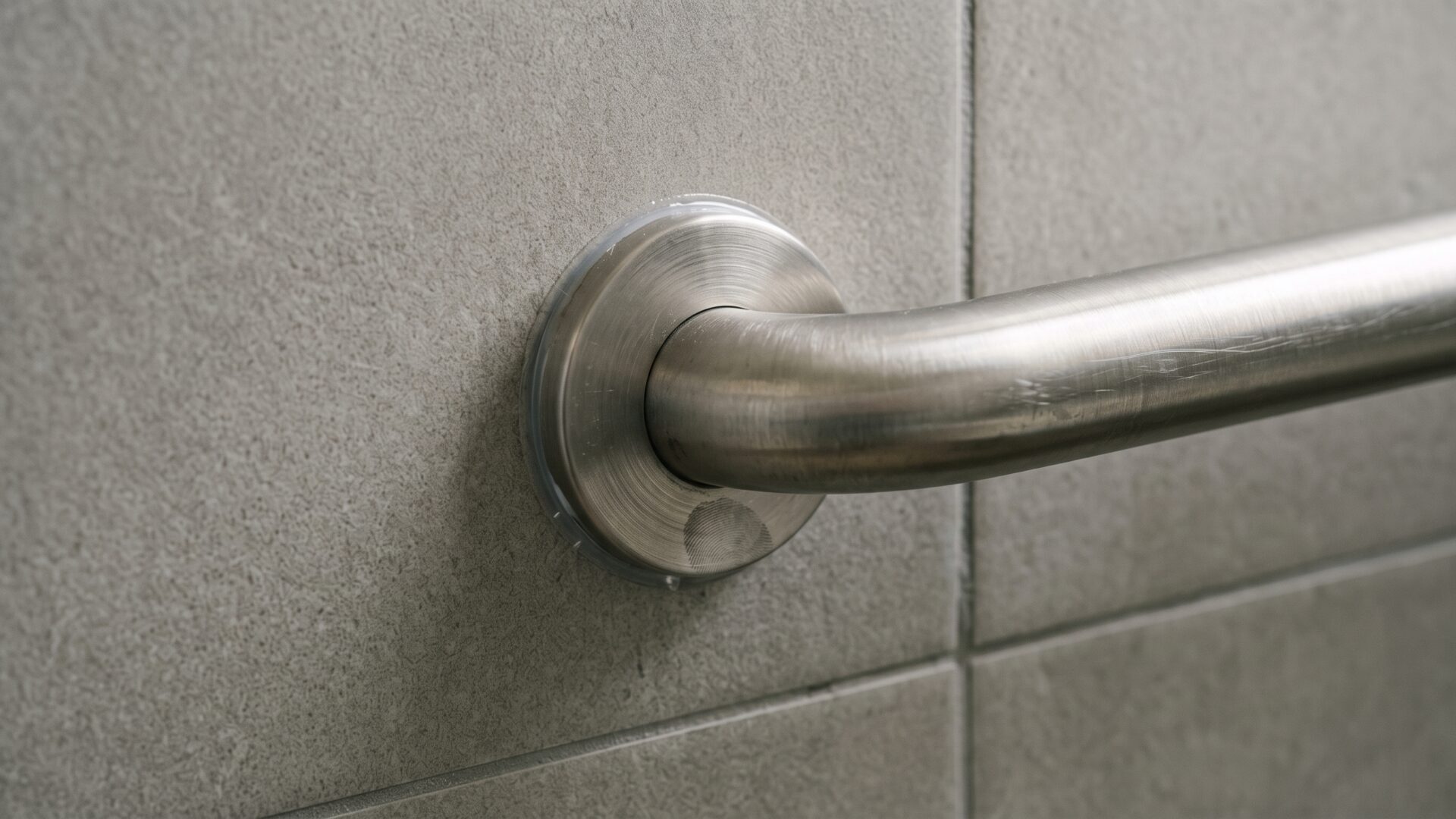
The common assumption is that grab bars go in after someone falls. The survey points the other direction. Among the 71% of renovating homeowners who addressed special needs, 55% said those needs were five or more years away, a jump of 8 percentage points from the prior year’s study.
The near-term group shrank. Only 25% were addressing needs expected within 12 months, down 6 points. Another 10% pointed to the next one to two years, and 11% to three or four years. Aging household members drove the forward-looking share: 55% of those planning ahead named aging as the reason, compared with 43% of those with a present-day need.
Grab bars and nonslip floors lead the aging-in-place list
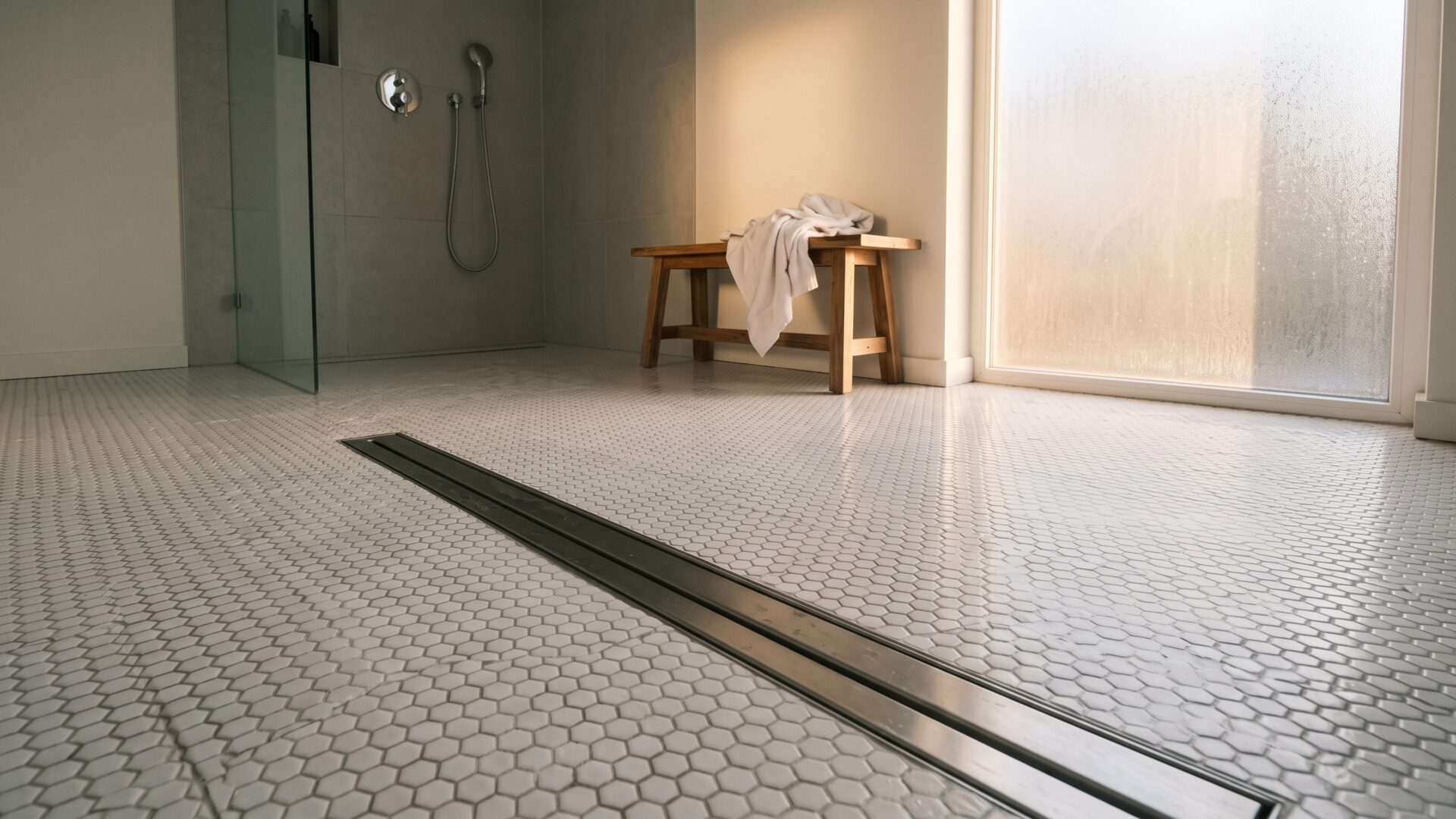
Houzz asked homeowners renovating for aging in place which features they chose. Grab bars led at 63%, followed by nonslip flooring at 56%. Both attach to the room’s existing structure, which is part of why they rank so high.
Shower entries came next. Low-curb showers, which reduce the step over the threshold rather than eliminating it, went into 55% of these projects. Curbless showers, where the floor runs flat into the shower, went into 32%. Additional lighting followed at 33%, ADA-compliant toilets at 24%, and wheelchair-accessible doorways at 19%. At the bottom: lower vanity heights at 4% and lower fixtures at 2%. The features that require rebuilding cabinetry get skipped.
Shower enlargement jumped 10 points in one year
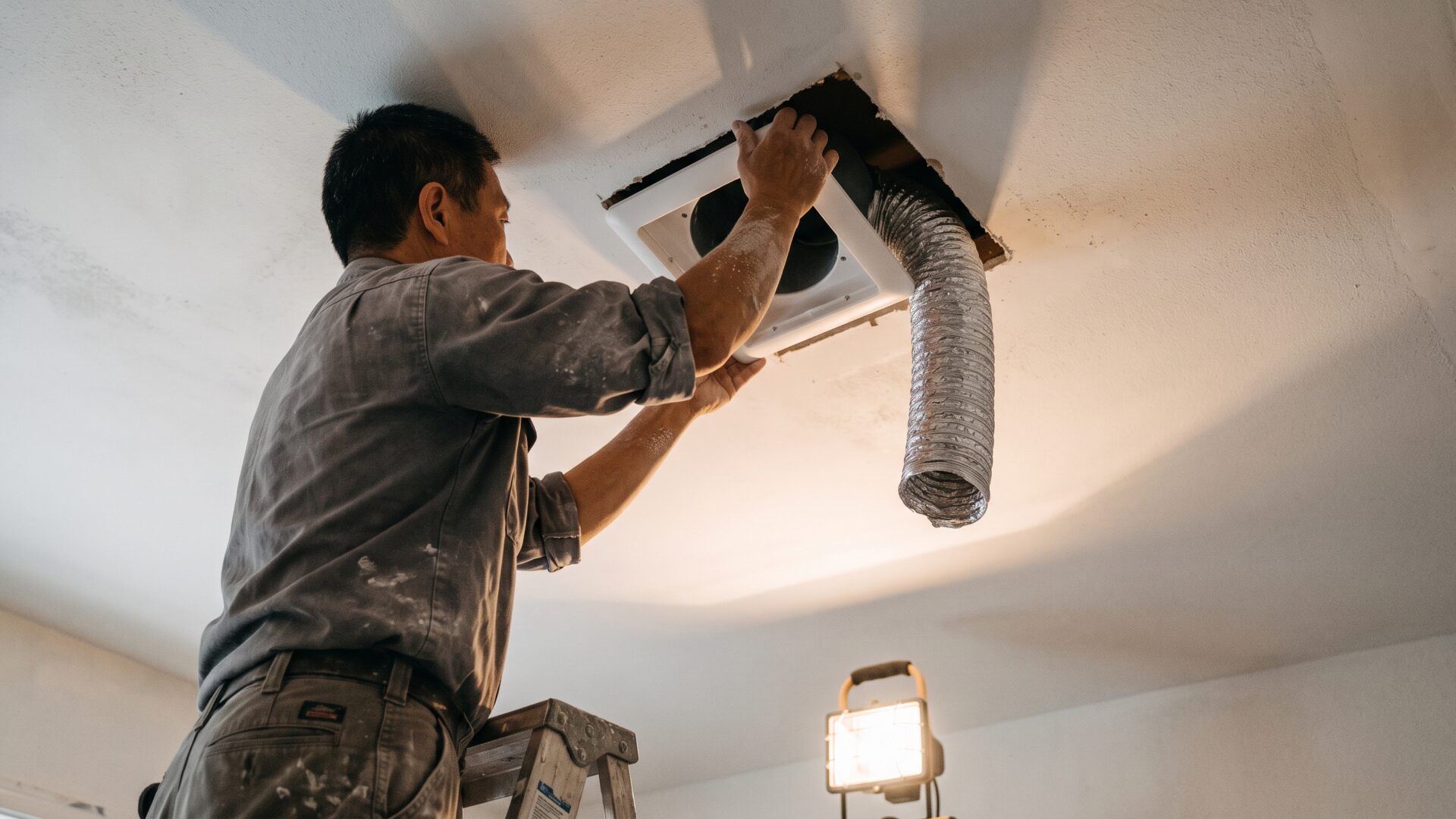
Forty-nine percent of all bathroom renovations in the study enlarged the shower, a 10 percentage point increase over the previous year. That makes it one of the fastest-moving figures in the entire report.
Only one change was more widespread. Sixty percent of projects improved ventilation, heating, or plumbing, the unglamorous category that stays at the top year after year. Layout reworking came in at 40% and wall modifications at 38%. Far fewer homeowners touched the ceiling, at 9%, or the floor, at 8%. Just 5% relocated the bathroom to a different part of the house, which involves moving drain lines and is the reason the number stays small.
Removing the tub almost always feeds the shower
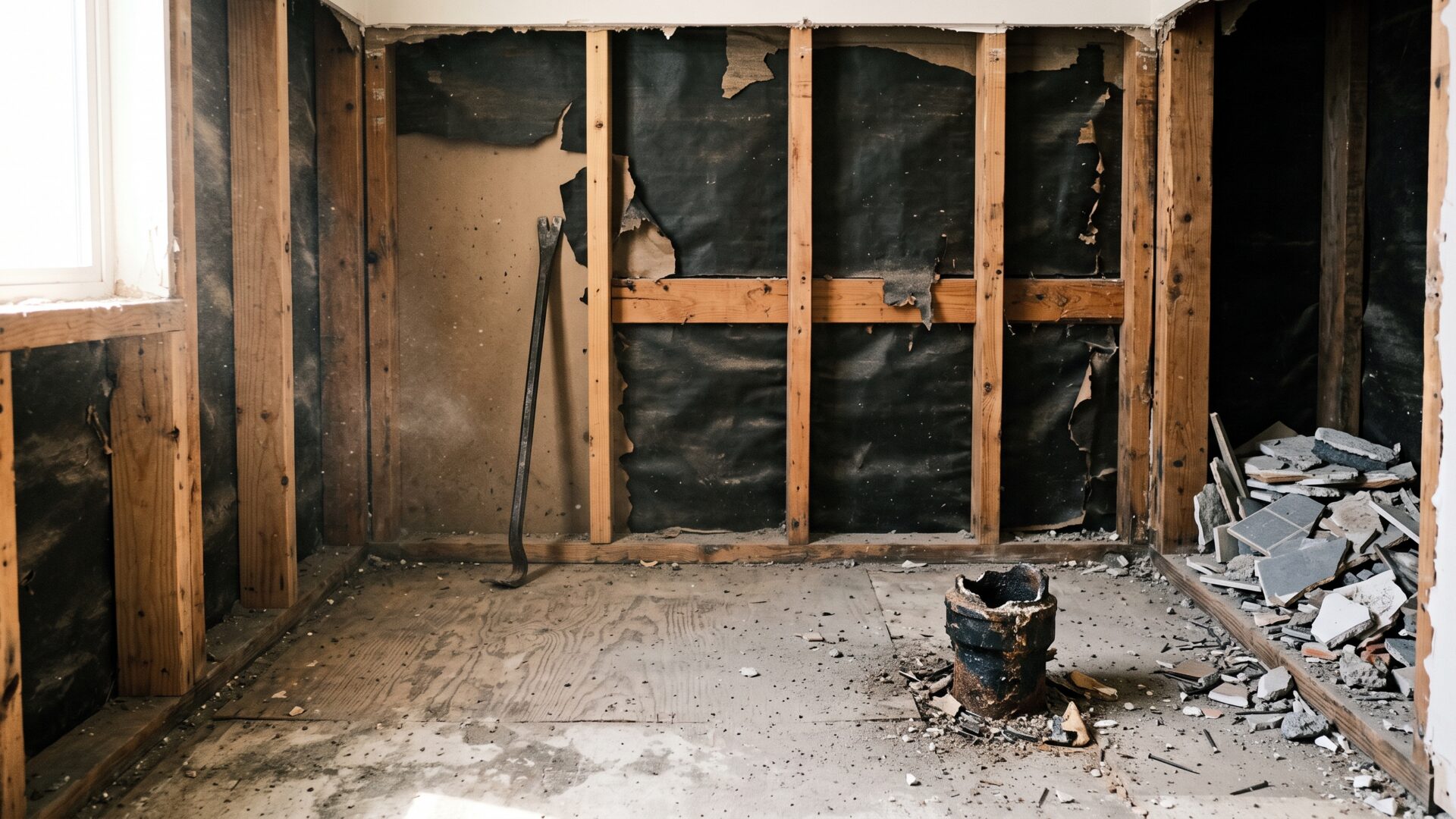
The bathtub is where the extra shower space comes from. When a tub came out during a renovation, 79% of homeowners used that footprint to make the shower bigger. The tub alcove is already waterproofed and already drained, so the conversion is the cheapest square footage in the room.
Among homeowners who upgraded a shower, 58% increased its size. The expansions were mostly modest: 23% grew the shower by less than a quarter, while 19% added 25% to 50%, up 5 points from the previous year. Another 16% expanded by more than half. The share keeping the original dimensions dropped 5 points to 41%. Two percent ended up smaller.
Square footage split the budget by $12,000
Among major remodels, room size separated projects more than any other factor Houzz measured. Bathrooms of 100 square feet or more carried a median spend of $30,000, up 20% from the previous year. The priciest tenth of those projects reached $75,000 or higher.
Bathrooms under 100 square feet landed at a $18,000 median, with the top tenth at $44,000, down $1,000 year over year. The gap runs through minor projects too. Larger rooms posted a $10,000 median, an 18% rise, with the top tenth at $39,000. Smaller rooms held flat at $5,000, though their top tenth climbed 14% to $24,000. Before setting a budget, measure the floor.
Why Houzz reports medians instead of averages
Houzz publishes median figures, and the study explains why. The median is the midpoint, the value where half of projects cost more and half cost less. The average adds every project together and divides by the count, which lets a single outlier drag the result.
One $400,000 bathroom in a sample of ordinary projects pulls the average upward by thousands of dollars while leaving the median untouched. Averages also swing harder between survey years for the same reason. Homeowners who read a remodeling cost figure without checking which calculation produced it can walk into a contractor conversation carrying a number that no actual project in the survey resembled.
Cold plunges and red light therapy sat at 1%
Half of renovating homeowners said they spend more time in the bathroom after the work is finished, and the study asked what they do there. The answers were ordinary. Twenty-eight percent use the space for beauty and pampering routines and 23% for rest and relaxation.
The wellness equipment that fills remodeling coverage barely registered. Steaming reached 4%. Cold plunges, red light therapy, sauna sessions, and recording beauty tutorials each came in at 1%. What actually helps people unwind is mundane: cleanliness at 76%, a spacious shower at 71%, and organized storage at 67%. Natural light reached 40% and dimmable lighting 39%. Water features rose 6 points to 19%.
General contractors appear on half of all projects
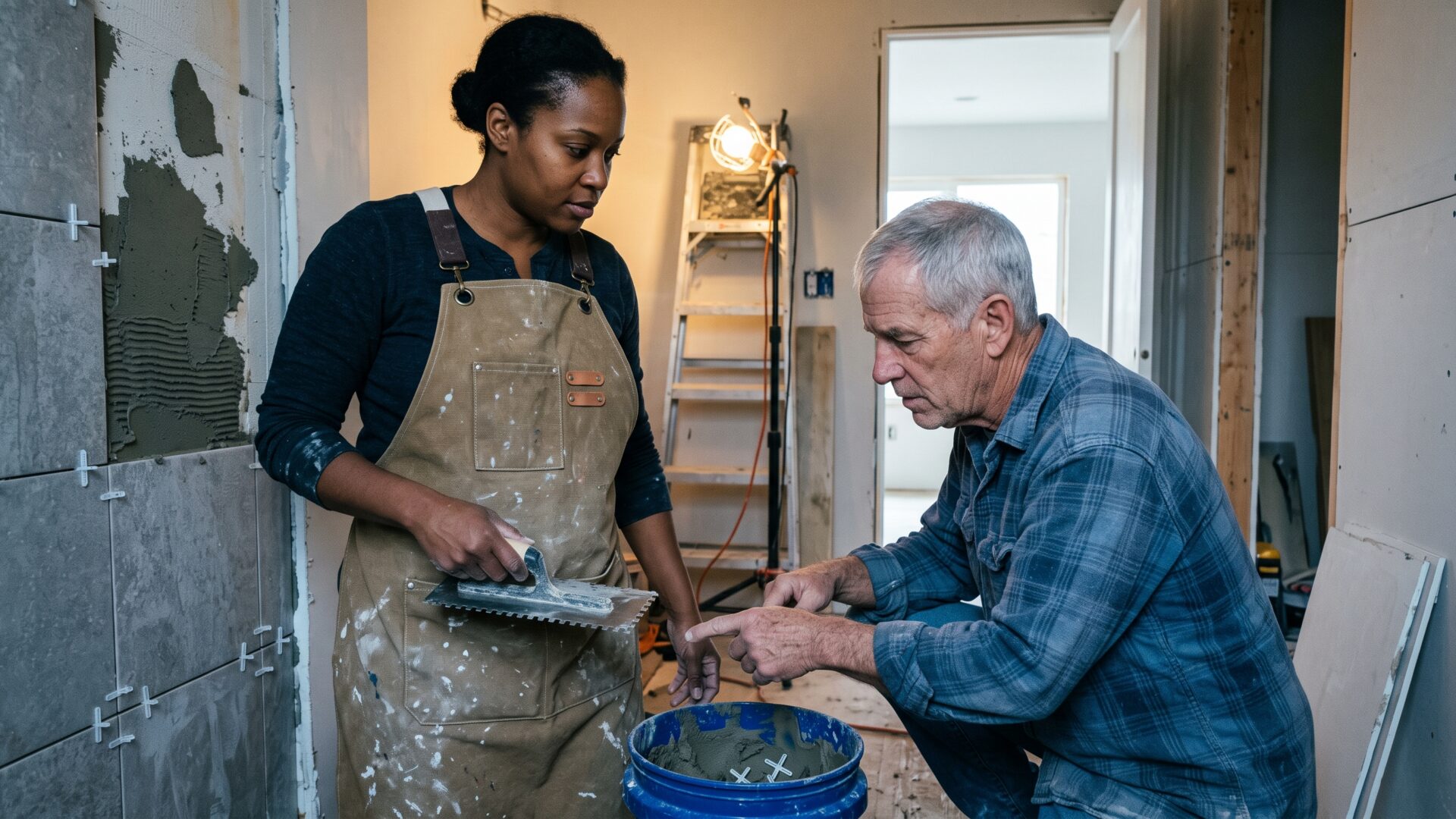
Eighty-nine percent of homeowners in the study hired at least one professional, up 5 percentage points from the previous year. Bathrooms sit at the intersection of plumbing, electrical, waterproofing, and tile, which is more trades than most other rooms in a house.
General contractors were hired on 52% of projects, the single most common choice. Bathroom remodelers and cabinetmakers each appeared on 23%. Bathroom designers followed at 14% and interior designers at 12%. Architects and design-build firms each landed at 7%, and lighting designers at 2%. The design professions cluster in the low double digits while the trades dominate, a pattern consistent with rooms where the constraints are structural.
Pets outranked young children as a renovation driver
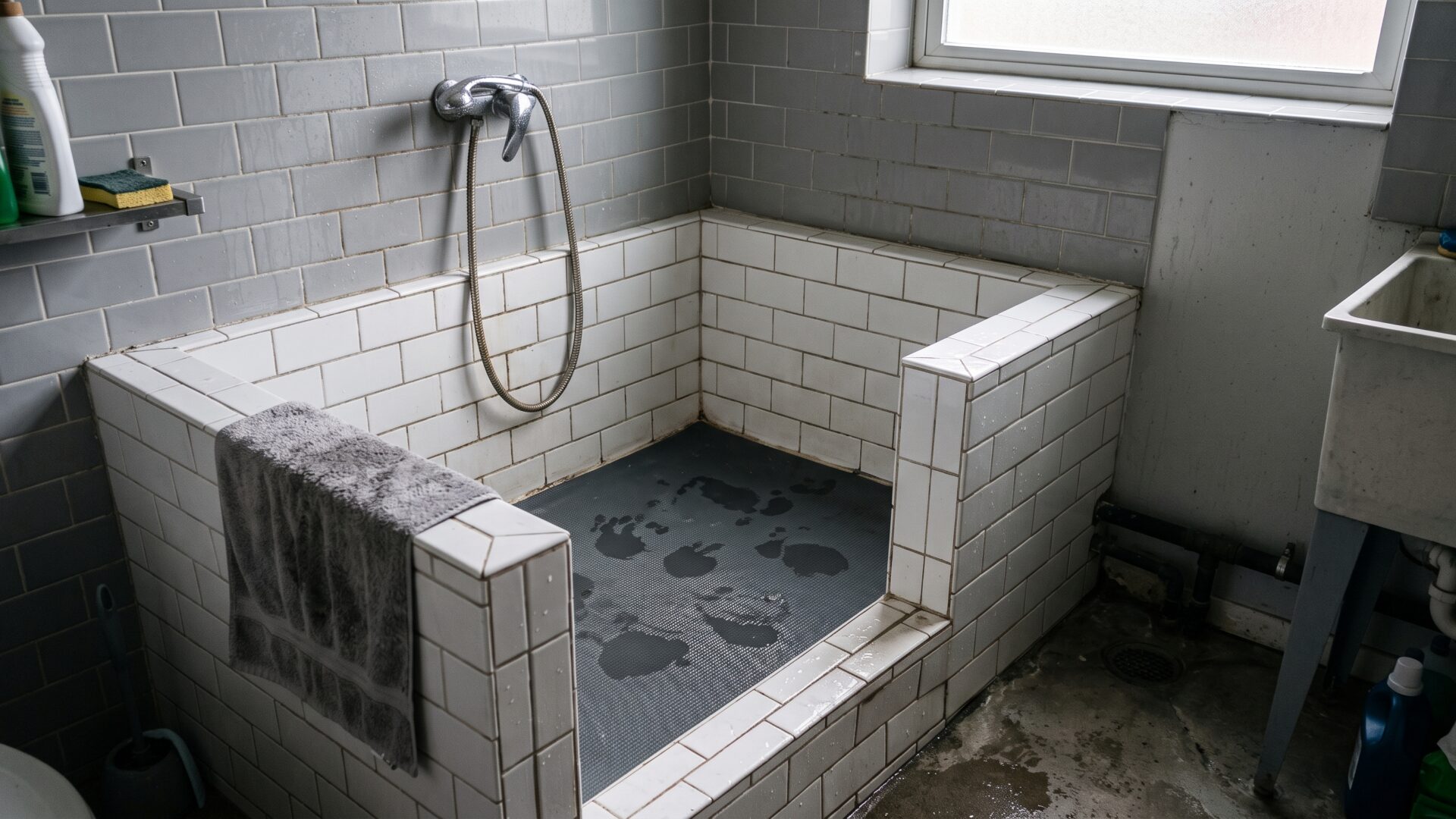
Buried in the special-needs data is a reversal. Pets accounted for 6% of current needs and 4% of future needs, both unchanged from the previous year. Young children accounted for 3% of both current and future needs, with the current-needs figure down 3 points.
Pets now drive twice as much present-day bathroom planning as small children do in this survey. Household members with disabilities accounted for 8% of current needs and 12% of future needs. The study drew on 1,619 Houzz users who were 18 or older, owned their homes, and had finished a primary or full guest bathroom project in the prior 12 months or were starting one within three months. If you are planning a dog-washing station, you are not unusual.