Americans Are Changing Their Dream Homes to Match a New Financial Reality


The American dream home is starting to look less like a sprawling mansion filled with luxury upgrades and more like a comfortable property that owners can realistically afford and maintain. Surveys show that elevated home prices, mortgage rates, and broader economic uncertainty are pushing households to reconsider what they actually need from a home. Practicality, manageable upkeep, useful spaces, and long-term affordability are increasingly competing with the bigger-is-better vision that once defined the dream.
Affordability Is Changing What Feels Like a Dream Home
For many Americans, the first requirement of a dream home is increasingly simple: being able to comfortably afford it. A survey of 1,000 U.S. adults found that just 28% believed they could afford their dream home at the time they were surveyed, while fewer than half thought they would ever live in it. That gap between aspiration and financial reality is encouraging buyers to think more carefully about monthly payments, maintenance costs, and whether extra space is really worth paying for.
Low-Maintenance Living Is Winning Over Luxury
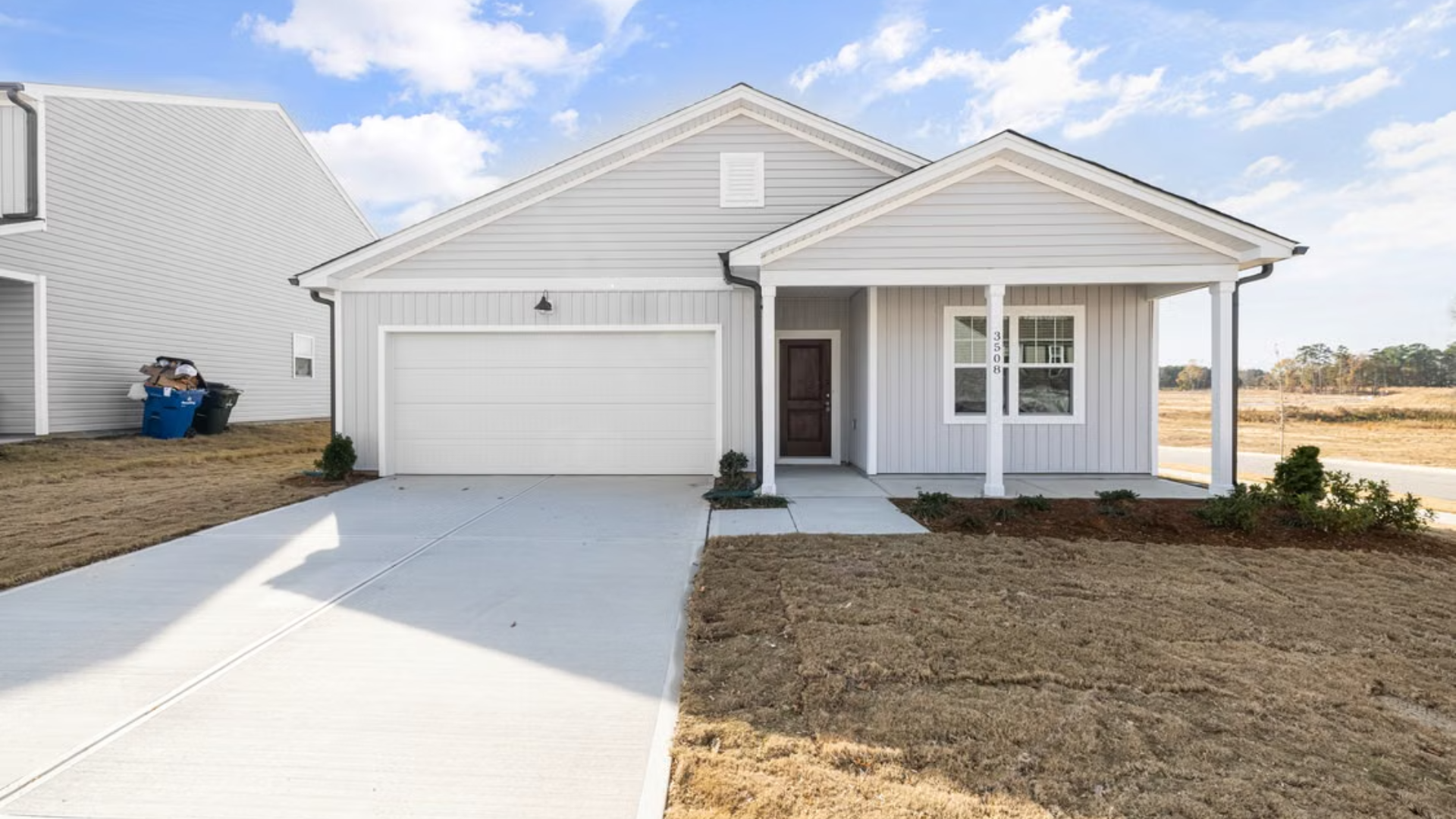
An enormous home may look impressive, but cleaning, repairing, heating, cooling, and maintaining all that space can become expensive and time-consuming. In the Clever Offers survey, 76% of respondents said they would rather have a low-maintenance home than a high-end dream home that was more difficult to maintain. That suggests convenience itself is becoming a form of luxury, especially when homeowners are already dealing with higher everyday expenses.
Function Is Becoming More Important Than Appearance
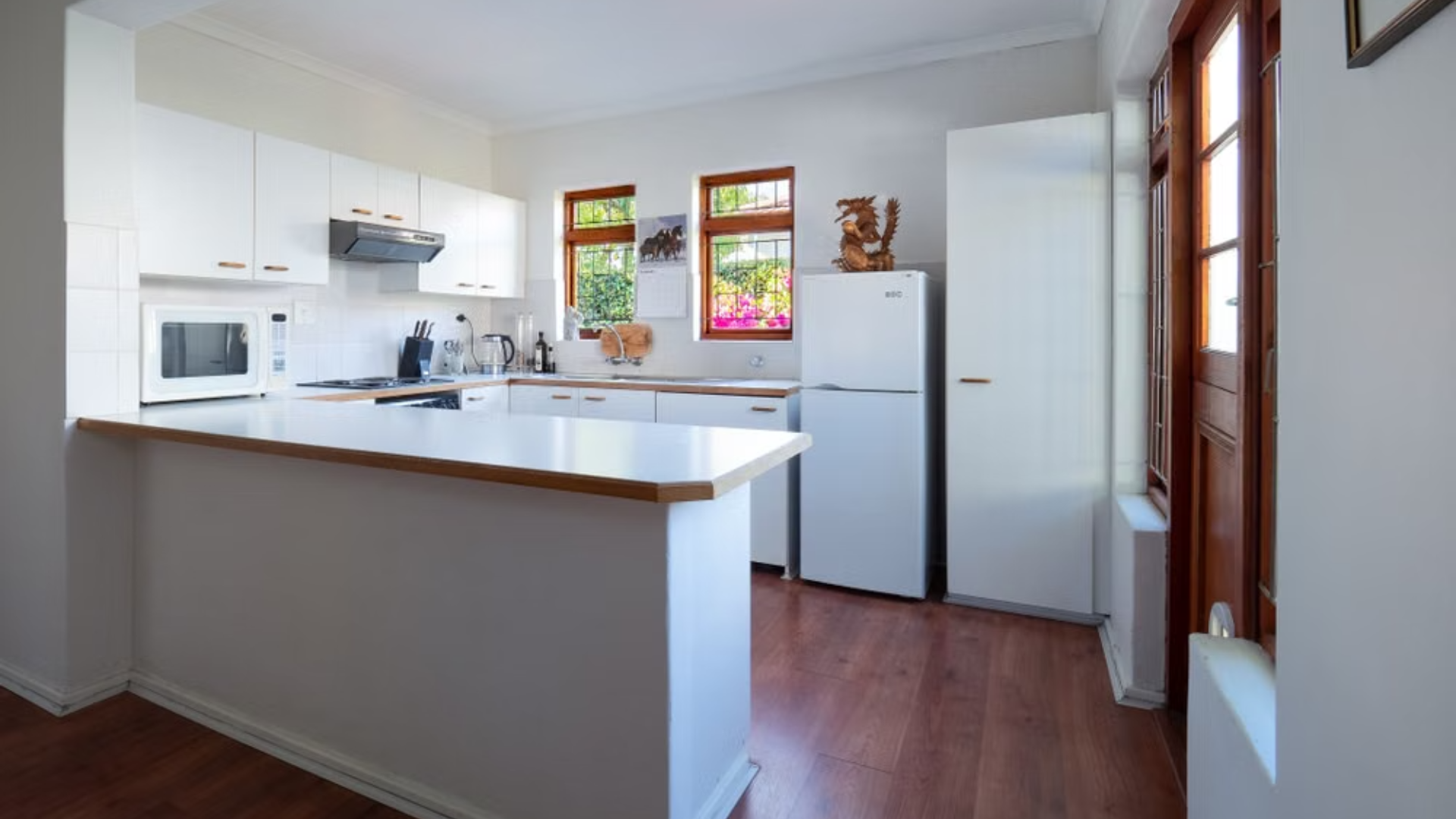
A beautiful home still matters, but Americans increasingly want those good looks to come with spaces that make everyday life easier. More than three-quarters of respondents, 77%, said they would choose a highly functional home over one that was primarily aesthetically pleasing. Features such as storage, useful kitchens, laundry rooms, outdoor areas, and layouts designed around daily routines can therefore carry more value than elaborate spaces that rarely get used.
Energy Efficiency Can Make a Home More Attractive
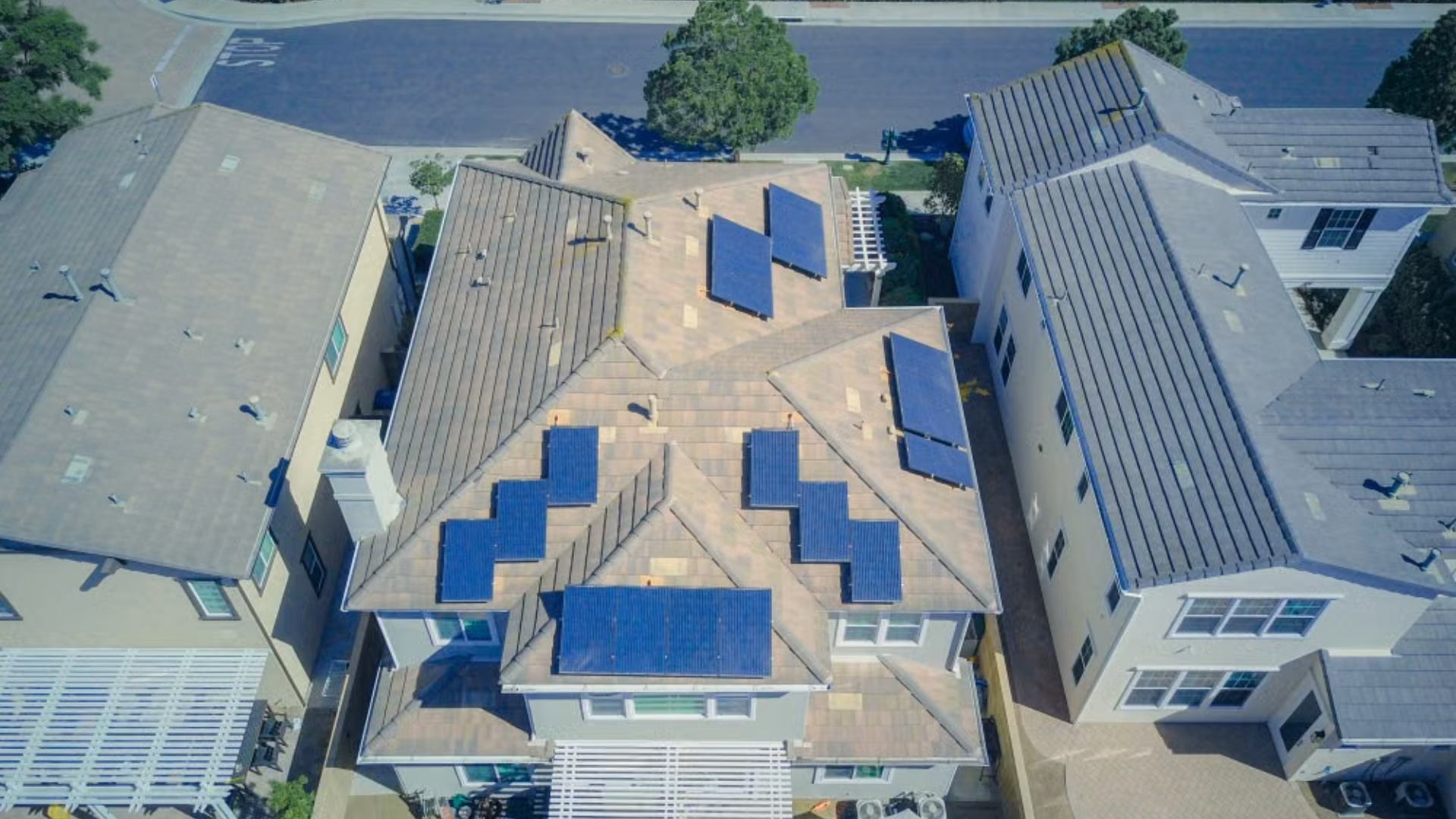
Monthly expenses do not stop with the mortgage, which makes features that can help control ongoing household costs particularly appealing. Energy-efficient appliances were desired by 91% of respondents in the dream-home survey, putting them alongside natural light, patios, and porches among the most widely wanted features. An efficient home may not have the immediate visual impact of a theater or resort-style pool, but lower utility use can make the property easier to live with financially over time.
Location Can Matter More Than Getting the Perfect House

Americans also appear willing to compromise on the house itself when doing so gets them into a location that better fits their lives. About 70% of respondents said they would rather own a less-than-ideal home in their ideal location than have their true dream home somewhere less desirable. Access to medical care, parks, shopping, restaurants, transportation, friends, family, and workplaces can ultimately affect daily life more than an extra bedroom or another expensive upgrade.
Some Homeowners Would Rather Improve What They Already Have

For current homeowners, the new dream may not involve moving at all. An April 2026 Citizens survey found that 44% of homeowners considered renovating their existing property the most realistic housing option over the next few years, compared with only 13% who said buying another home felt achievable in the current economy. Citizens linked that “stay and upgrade” mindset to home prices, mortgage rates, and economic uncertainty, all of which can make replacing a house considerably more complicated.
Smaller Doesn’t Have to Mean Settling
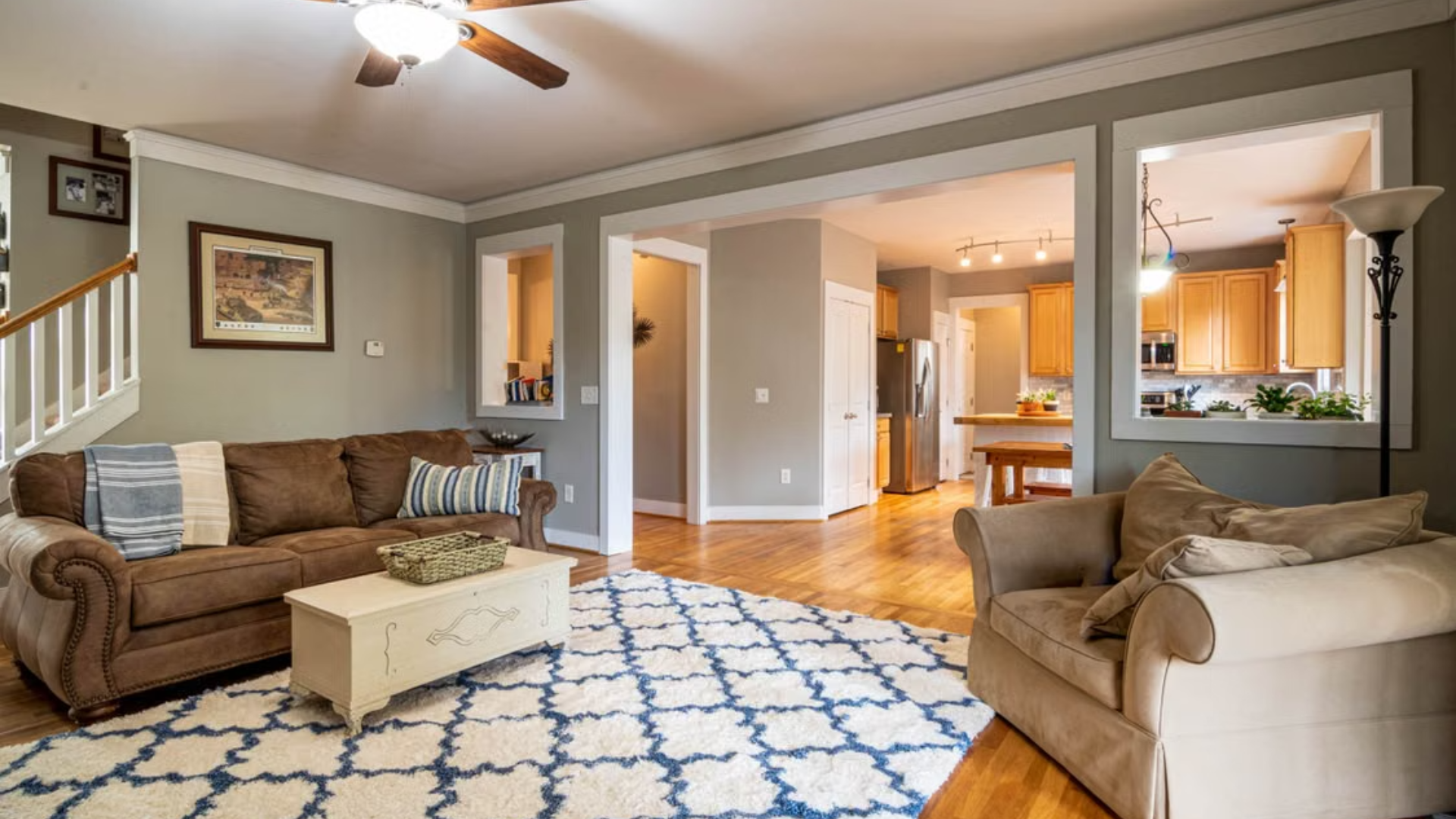
Giving up square footage does not necessarily mean giving up quality. In the dream-home survey, 68% of respondents preferred a smaller property with premium finishes over a larger house containing more basic finishes. A smaller footprint can allow homeowners to concentrate their budget on the rooms and materials they use most, while potentially reducing the cleaning, furnishing, utility, and maintenance demands that accompany a much larger property.
Everyday Features Are Becoming the Real Luxuries
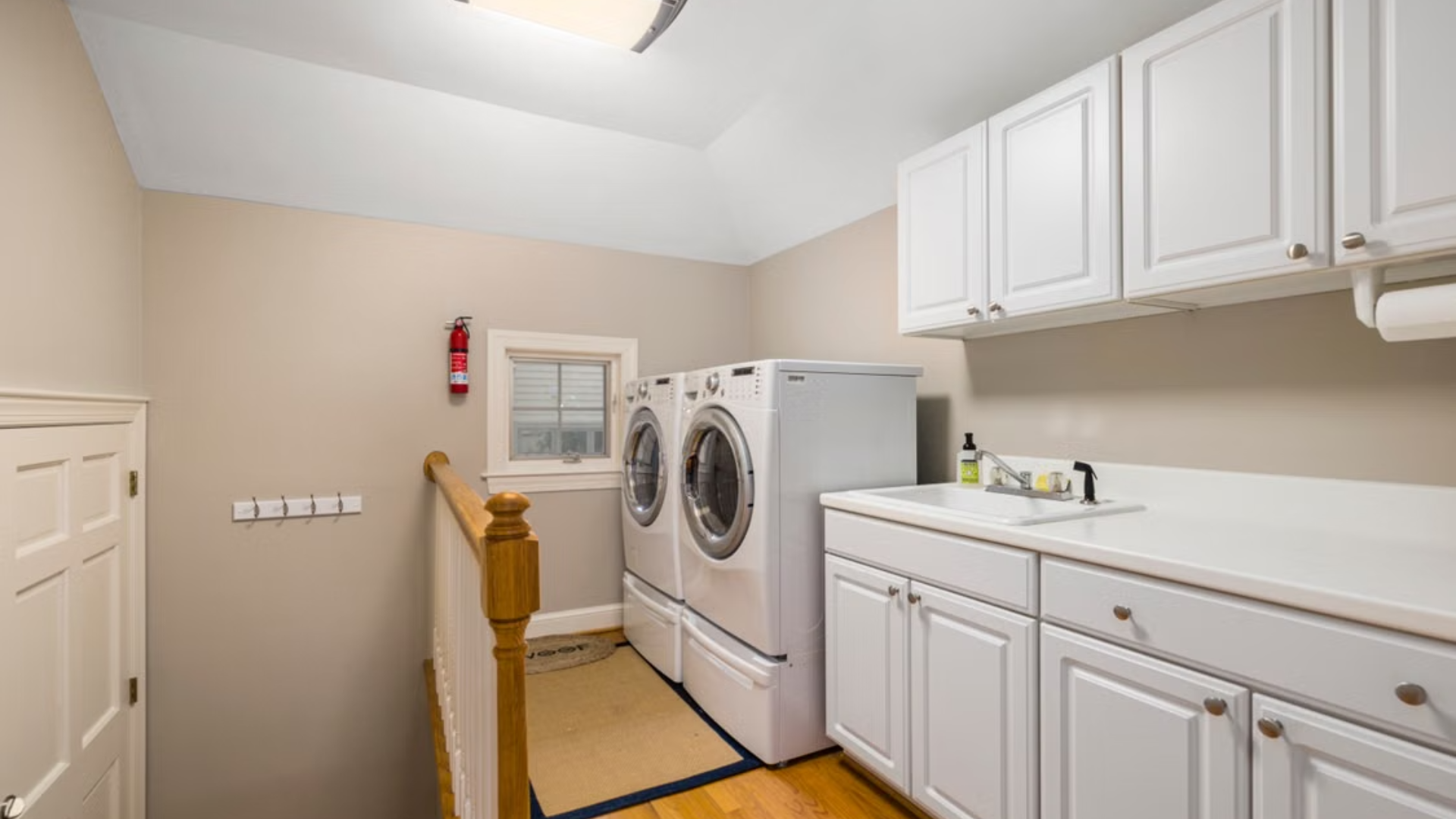
Some of the most desired dream-home spaces are surprisingly ordinary. An overwhelming 97% of respondents wanted a laundry room in some capacity, with 75% calling it a must-have, while storage rooms, walk-in closets, pantries, and large kitchens also attracted substantial interest. Instead of dedicating square footage to rooms designed mainly to impress visitors, homeowners appear increasingly interested in features that solve everyday problems and make routines easier.
The American Dream Home Is Becoming More Realistic
Americans have not stopped dreaming about beautiful homes, pools, scenic views, large kitchens, and other upgrades, but financial pressure is changing how those wishes are prioritized. A manageable home in the right location, with efficient appliances, useful storage, outdoor space, and rooms that actually get used can offer something a massive luxury property cannot guarantee: a lifestyle that remains comfortable after the bills arrive. As affordability continues shaping housing decisions, the new dream home may increasingly be defined by how well it fits someone’s real life rather than how impressive it looks from the street.