American Tipping Culture Has Gotten Out of Control


Nearly 9 in 10 Americans believe tipping culture has gone too far. As requests for tips at coffee counters, convenience stores, and self-checkout machines increase, frustration grows. Recent surveys on the matter show that American consumers have reached their tipping point.
Why Has Tipping Gotten so Out of Control?
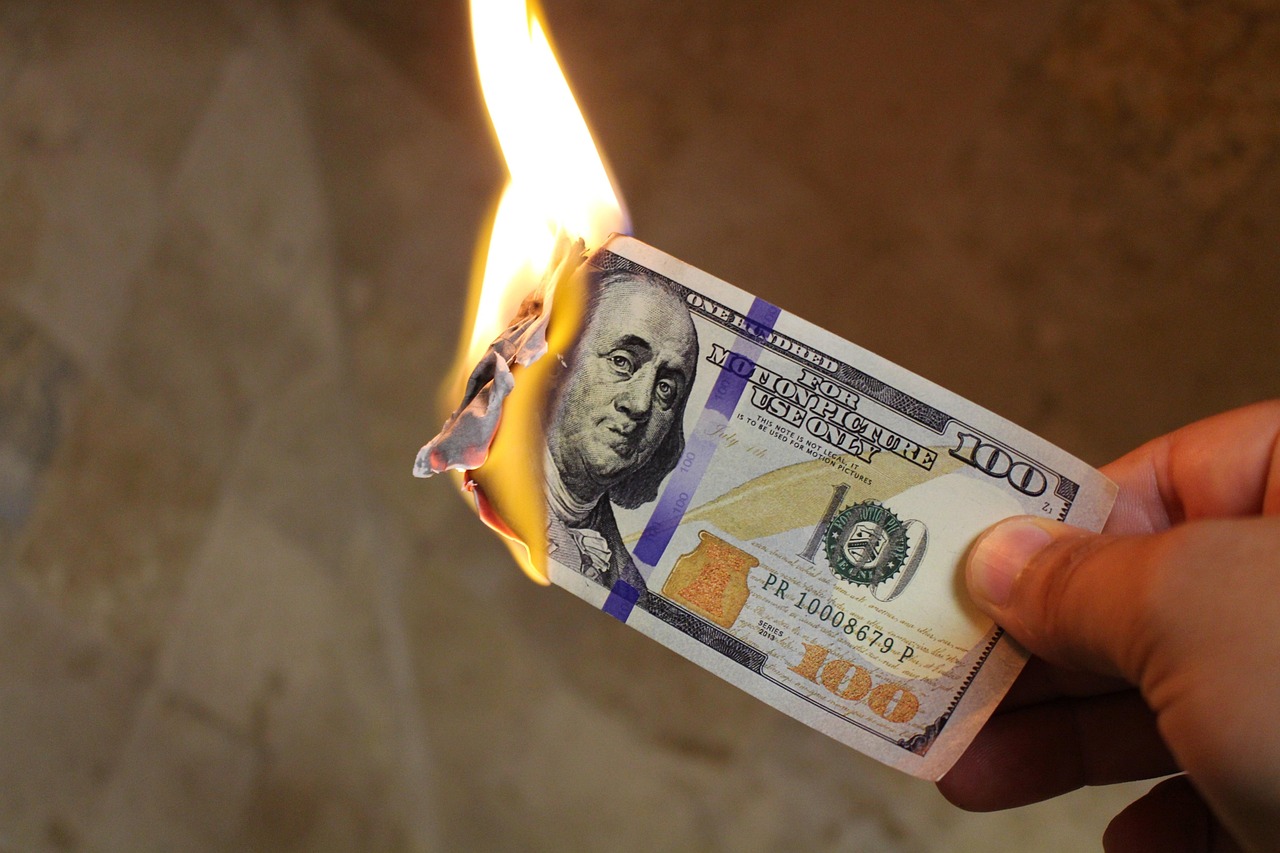
Tipping culture is a very “American” idea, with many other countries actually refusing to accept tips. Many Americans actually feel that businesses are trying to put the burden of paying their employees on consumer tips, rather than paying workers a livable wage.
“Tip Creep”

While tips used to be customary only on certain traditional services like pizza delivery and restaurant dining, “tip creep” has started to frustrate many consumers. This refers to the increase in tipping prompts on non-traditional services like convenience and grocery stores.
Tipping on Self-Service Machines
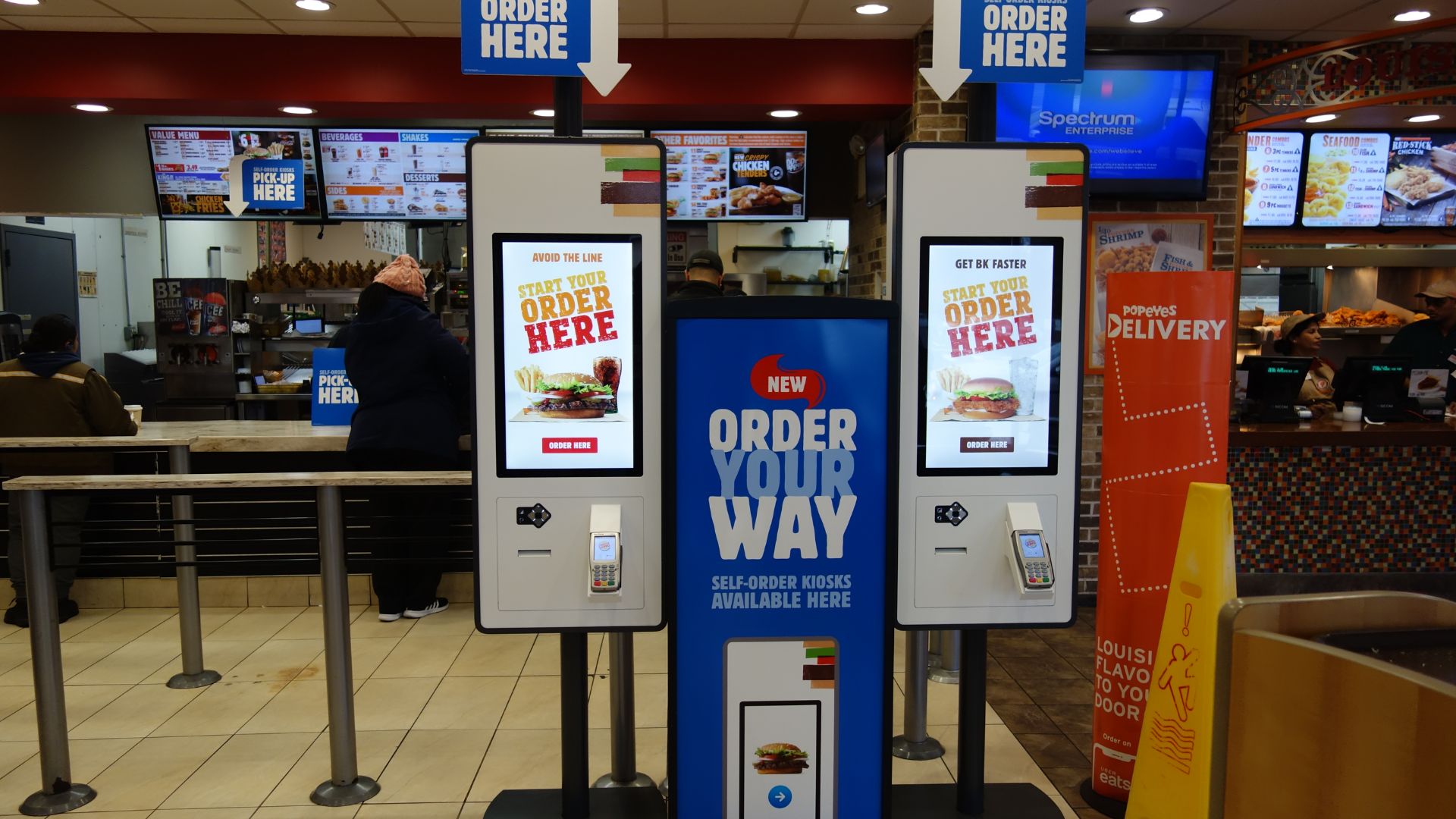
As self-service machines become more popular, especially in the fast-food and casual dining areas, customers are being asked to tip even when they have not been assisted by an employee. Digital checkout screens with pre-set tip options have massively contributed to American frustration over tipping culture and the pressure that consumers feel to tip.
Economic Factors Contribute to Frustration

Increased inflation and the high cost of living are making consumers less likely to tip. People are strapped, and adding extra costs to transactions is not viable for many. There is also a lot of social pressure to tip, even on transactions that do not necessarily warrant one.
What’s Happening as a Result?

The culmination of tipping fatigue results in people simply not tipping as much, and sometimes not at all. This inspires a call for wage increases as consumers believe businesses should increase wages for employees so that there is not so much pressure on consumers.
David Ramsey’s Analysis Tipping

On his show, Dave Ramsey examined tipping culture and consumer sentiment and tried to identify when people should really be tipping and when it’s not necessary. He explained that tipping is, of course, customary in restaurants where a customer is being served. Many of these workers rely on tips due to low wages.
Depends on The Industry

He also expressed that it is important to tip on services like hair and nail salons, hotel cleaning services, etc. But tipping gets more ambiguous when it comes to things like the fast food industry and ride shares.
Tipping Without Stress
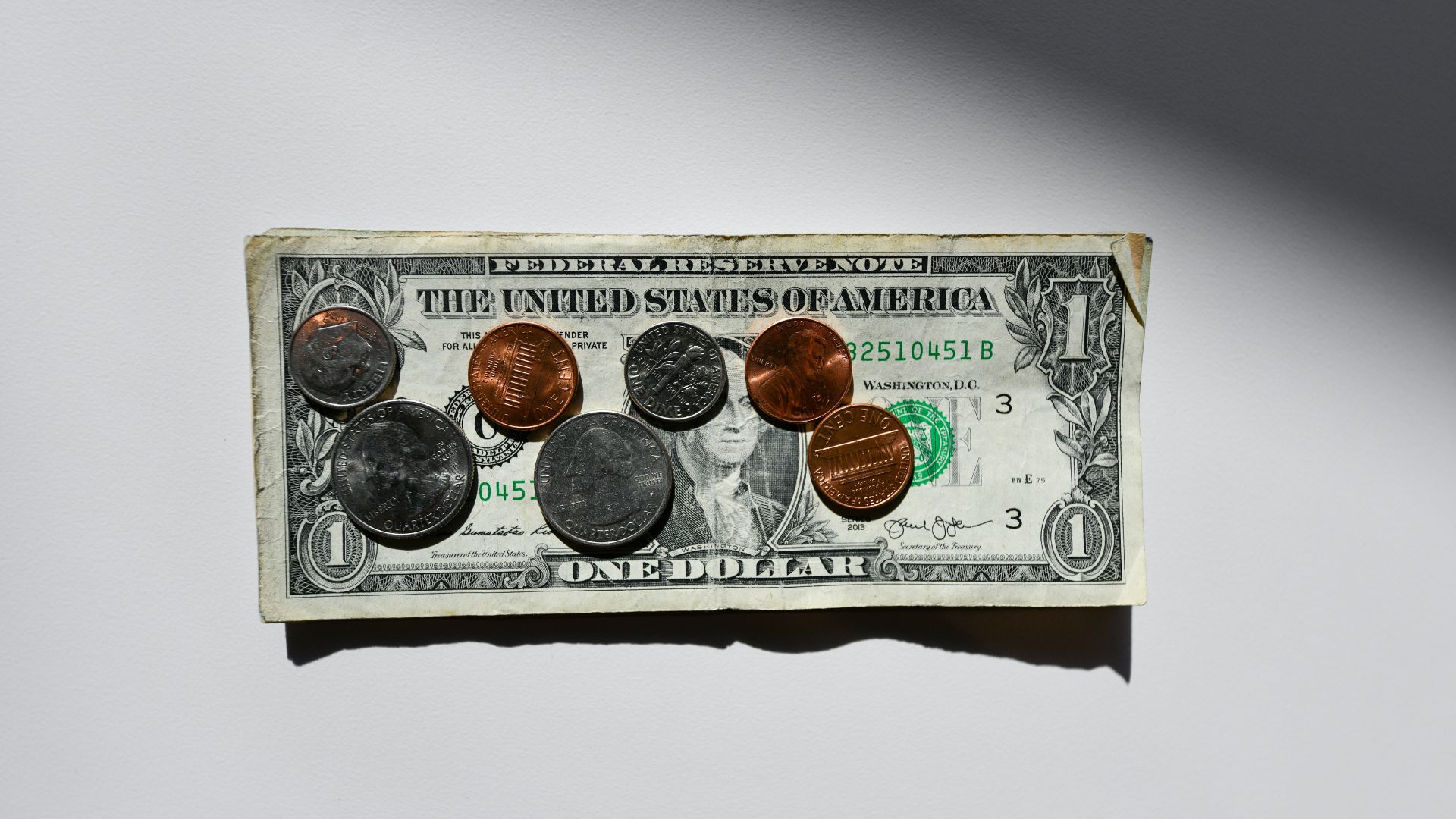
One great way to tip without breaking the bank is to keep some cash and put a small bill in the tip jar instead of using the tipping machine, which often prompts 15-25%. Another tip is to stick to service-based tipping at places like sit-down restaurants, delivery orders, hair salons, etc.
Conclusion

As inflation and the cost of living continue to rise in the U.S., American consumers will likely continue to feel frustrated with tipping. It will require state-level change to put the burden back on businesses to pay their employees wages rather than relying on tips from the consumer.