American Backyards Are Shrinking Fast: Here’s Why
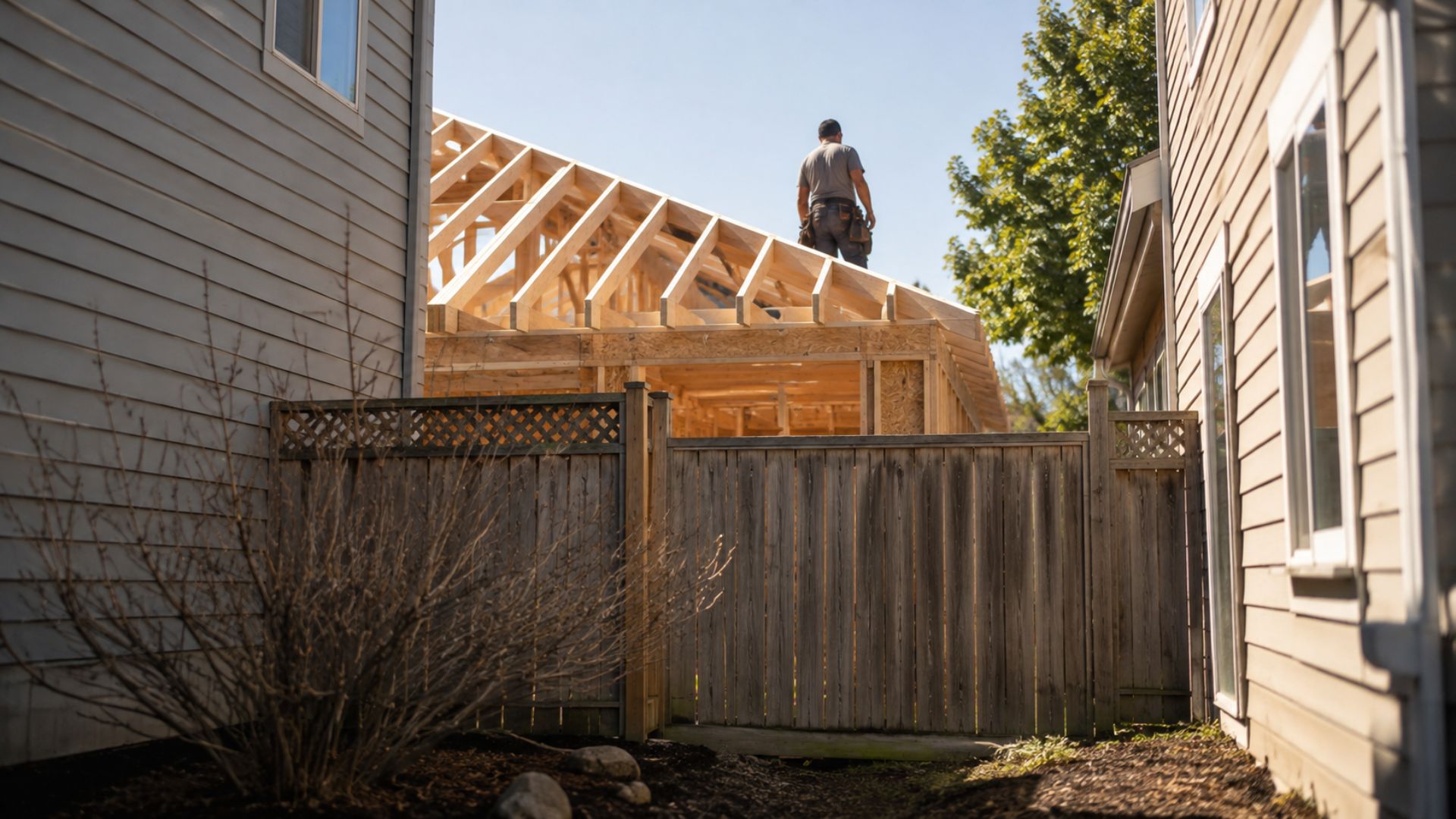

Across the country, backyards keep getting smaller, and mortgage rates are largely to blame. Homeowners who locked in rates below 3 percent during the early 2020s are reluctant to sell, since a new mortgage today would come at roughly double the rate. Rather than move, many are staying put and building outward instead, often trading yard space for bedrooms, bathrooms, or extra living area. Radio hosts Jake Skorheim and Spike O’Neill of KIRO Newsradio discussed the shift on air, noting that fewer homeowners want the upkeep of a big yard when more square footage feels like the smarter trade. The result is a trend happening in more neighborhoods.
Why Staying Put Beats A New Loan

For homeowners with a mortgage rate near 3 percent, moving means trading that rate for a loan at nearly double the cost, even for a smaller property. Raleigh, North Carolina remodeling company owner Nicole Goolsby Morrison hears this from clients constantly. She said people are choosing to stay in their homes because of their low rates, and because new construction and even resales have grown so expensive. On the KIRO Newsradio show, co-host Spike O’Neill described feeling similarly stuck, saying he and his wife would like to downsize but see no reason to give up an attractive rate for a smaller home at a much higher payment. It is not a lateral move anymore, he explained, given how rates have shifted.
Small Lots Have Been A Trend For Years
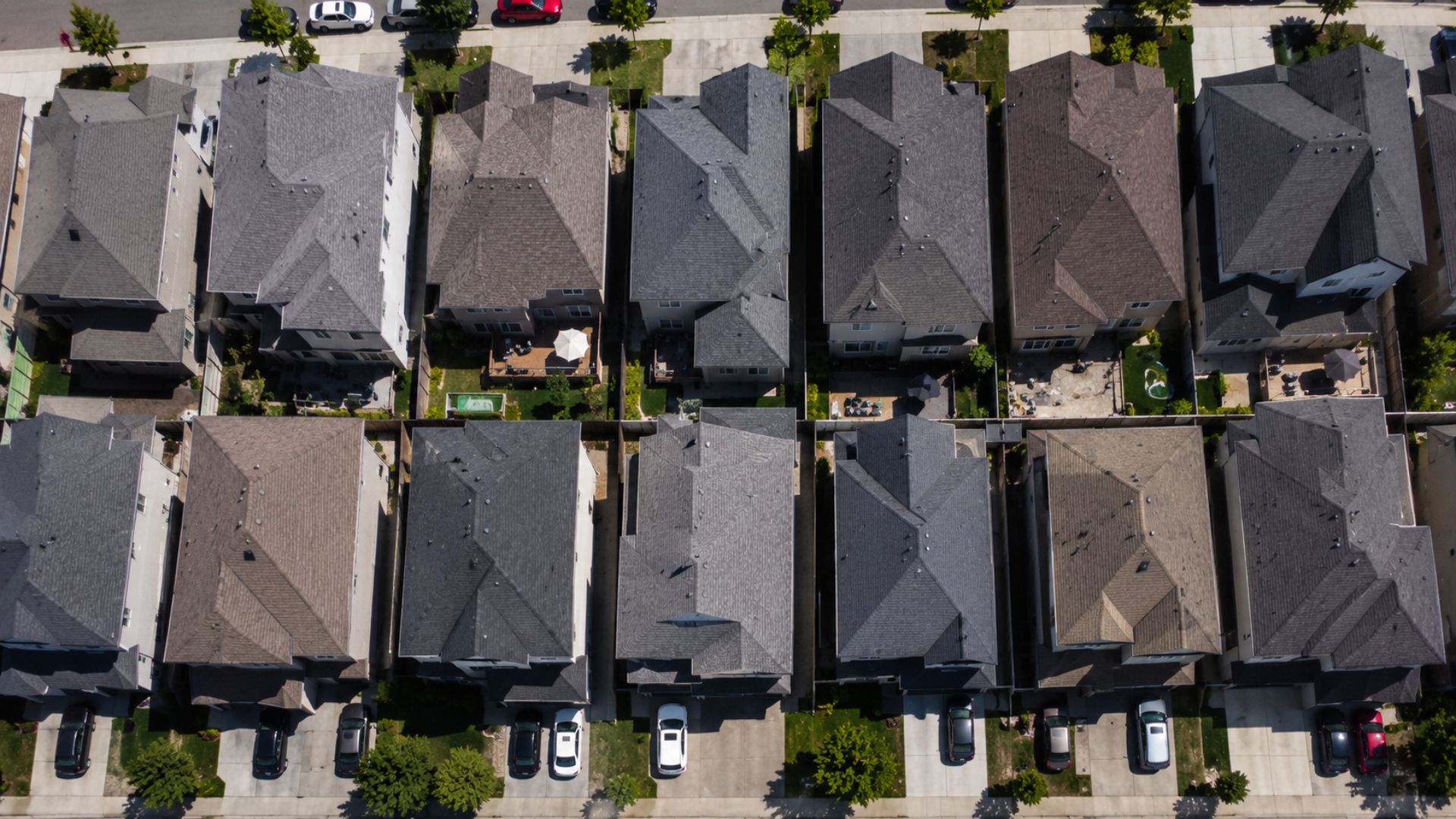
The shrinking yard is not new. In 2009, lots smaller than 7,000 square feet made up about 25 percent of new homes. Today that figure has climbed to 39 percent, even as the houses built on those lots have grown larger. Some cities and states have also passed laws allowing development on smaller lots, adding to the shift. Housing writers have long tracked this pattern, warning that tightly packed, oversized houses can change the character of a neighborhood. What is different now is the reason behind it. Instead of builders simply designing smaller lots for new construction, existing homeowners are actively shrinking their own yards to expand their homes without giving up their favorable mortgage terms.
A Raleigh Contractor Sees The Shift Firsthand
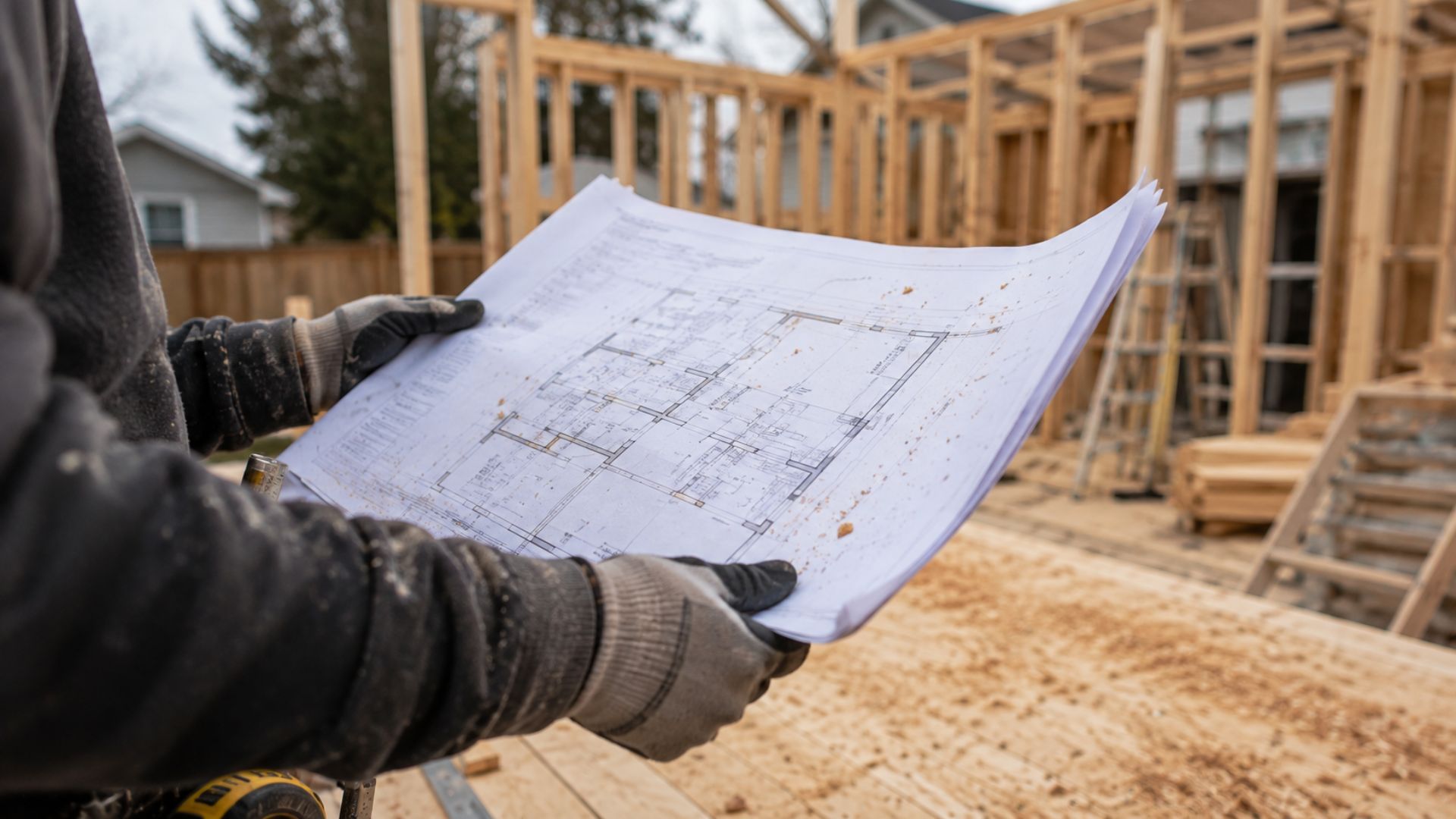
Nicole Goolsby Morrison runs a home remodeling company in Raleigh, North Carolina, and business has been steady with additions. She has extended the backs of houses anywhere from 4 to 15 feet and has added bathrooms and bedrooms to front yards as well. Some projects are modest, such as a few extra feet to modernize a cramped kitchen or an added bathroom on the ground floor. Others are far larger, with a new structure essentially absorbing a smaller original house. Morrison said mortgage rates come up in nearly every conversation with clients, many of whom would rather renovate than take on a new loan at a much higher rate for a comparable or smaller home.
Millennials Are Leading The Home Expansion Push
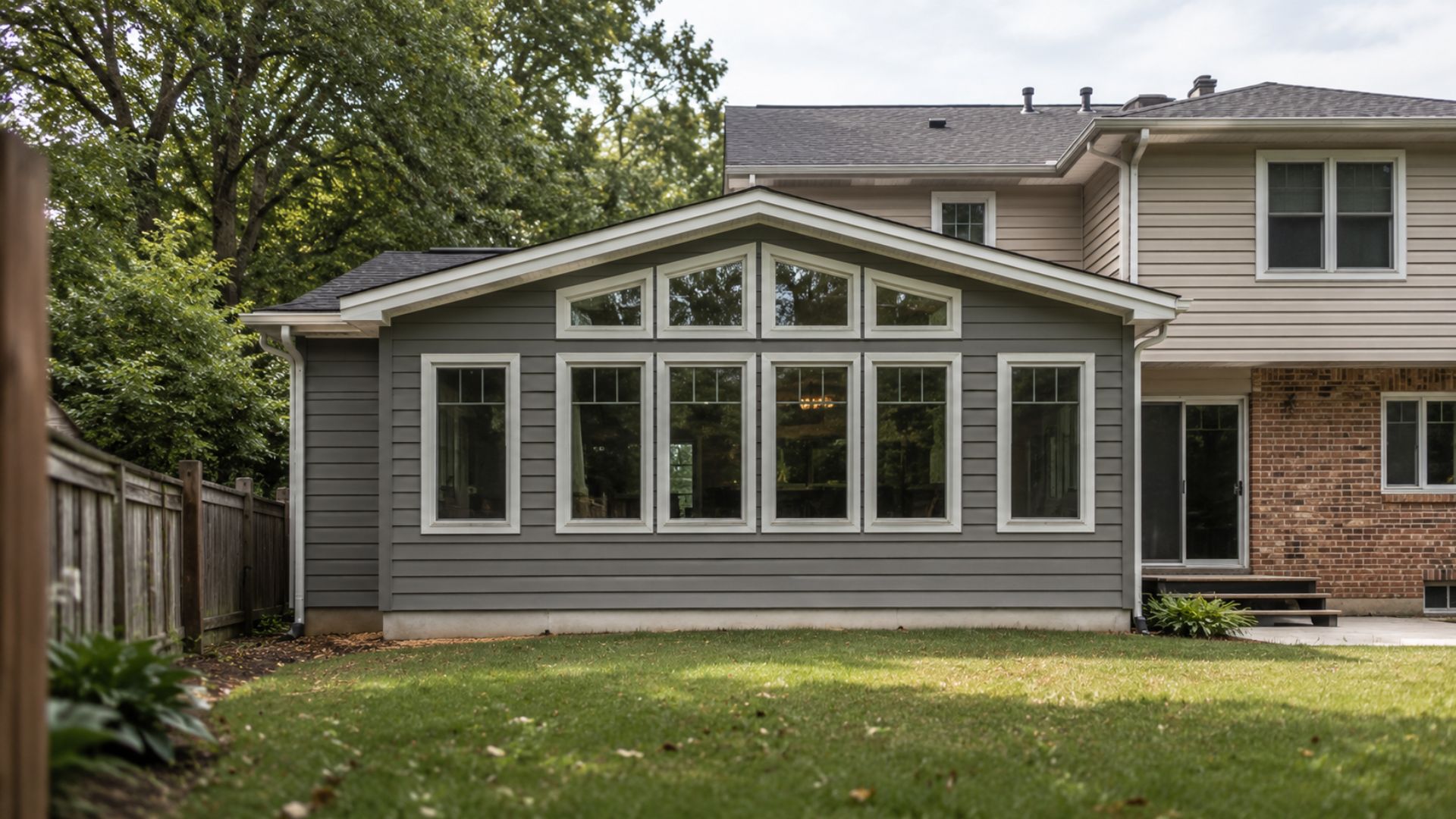
Data from Angi, a website that connects homeowners with contractors, shows just how fast this trend is accelerating. Angi founder Angie Hicks said millennials, roughly 30 to 45 years old, are leading the push to expand rather than move. Among homeowners who completed work on their homes in 2025, 4 percent expanded their home’s footprint, twice the share from the year before. Separately, 18 percent of people living in multigenerational households said they plan to expand their homes in the future. Hicks said many buyers purchased their properties expecting to stay only a short time, but now want to remain permanently, adding that the calculus has changed for a lot of families.
How Homeowners Are Paying For It
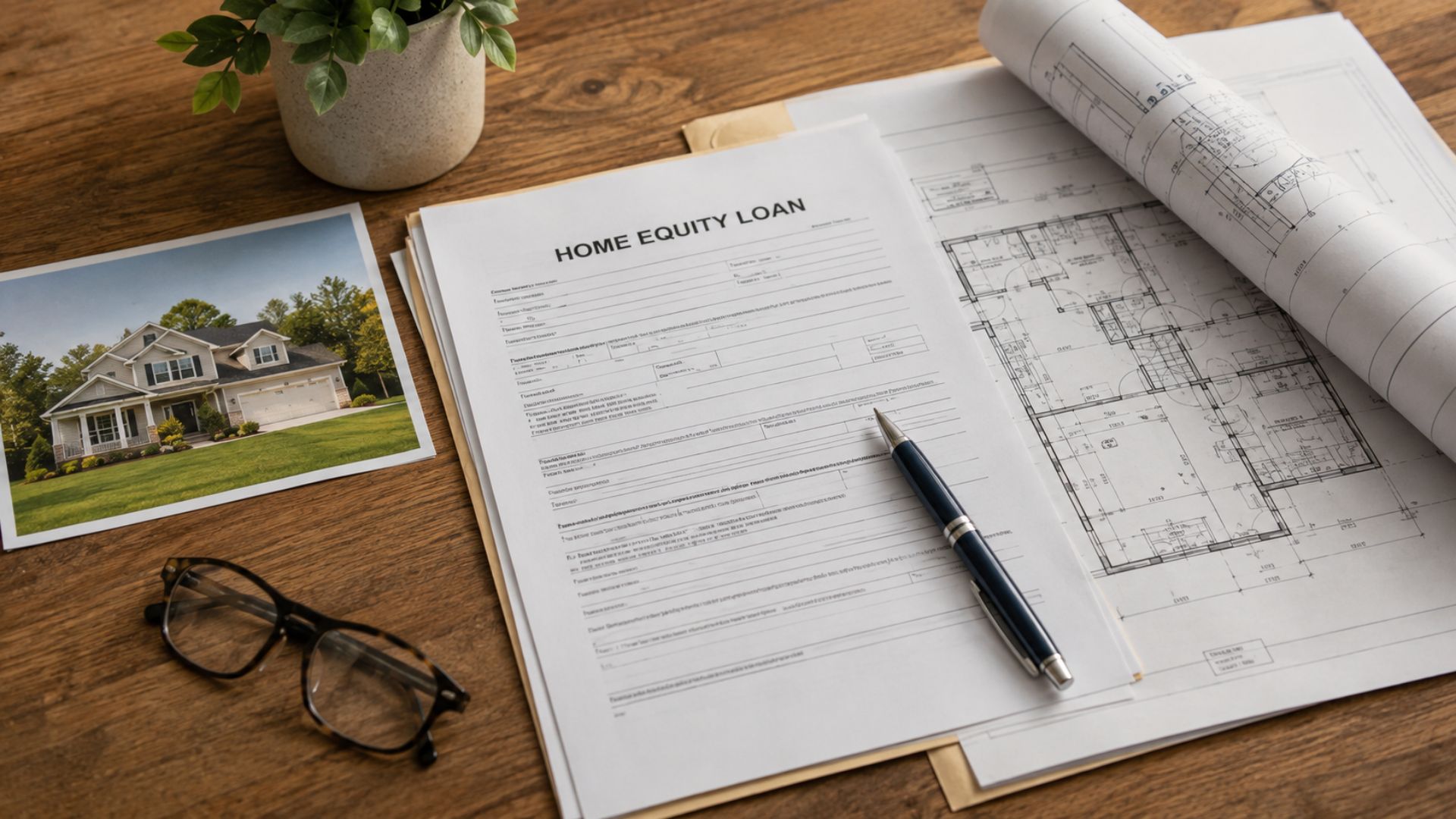
The average cost of a room addition runs about 50,000 dollars, though projects vary widely depending on scope. Many homeowners who bought before 2022 and watched their property values climb now have equity they can borrow against to fund these projects. Angie Hicks explained that tapping home equity does not mean giving up an entire mortgage rate near 3 percent for something closer to 6 percent. Instead, a homeowner might see their overall borrowing cost rise only slightly, to around three and a half percent, while unlocking funds for a renovation. That smaller financial hit is one more reason families are choosing to build rather than sell and buy again.
A Housing Market With Nowhere To Go
Rachel Bogardus Drew, who runs the Remodeling Futures Program at Harvard’s Joint Center for Housing Studies, said home additions reflect a huge pent-up demand among people who want to move but have not. Sluggish housing inventory, high prices, and elevated interest rates over the past several years have combined to keep many would-be movers in place. Federal Reserve surveys back this up. The share of homeowners who say they want to move within the next two years jumped from 8 percent in 2022 to 19 percent, and it has stayed elevated ever since. Drew said the slowdown in home sales is pushing many owners toward major building projects instead of relocating.
Renovation Spending Keeps Climbing
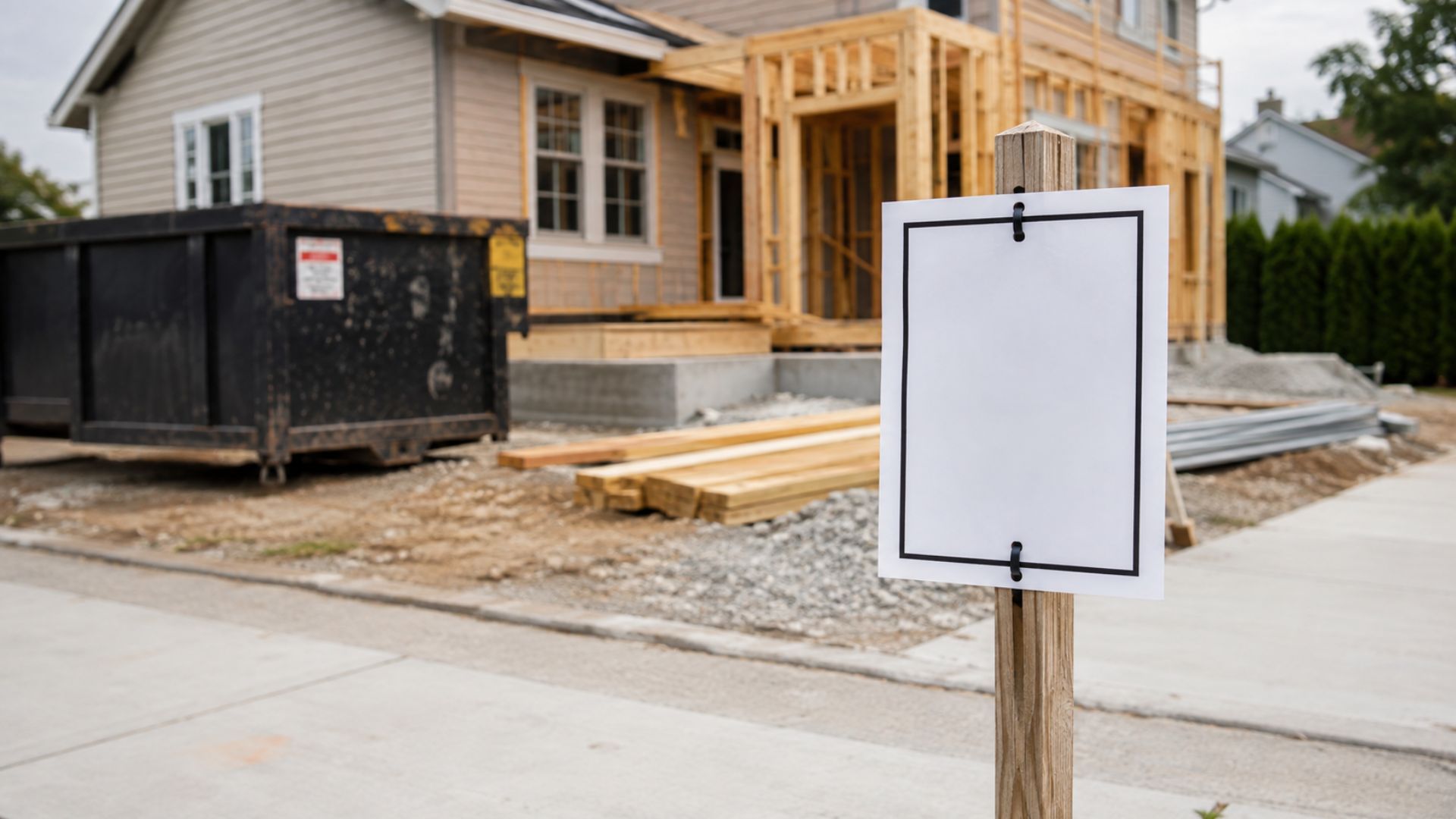
Building permits for major home construction projects have surged in recent years. Drew tracked large increases in 2022 and again in 2023, followed by another 5 percent rise in 2025. Nationally, Americans spent more than 500 billion dollars renovating their homes last year, according to Harvard’s Joint Center for Housing Studies, after coming off a slight dip in 2024. The center projects at least a 2 percent increase in renovation spending in 2026. On the KIRO Newsradio program, hosts noted that homeowners in their own neighborhoods are increasingly building bedrooms, dens, and accessory units rather than putting homes on the market, a pattern that lines up with the national numbers.
Why Families Want More House And Less Yard
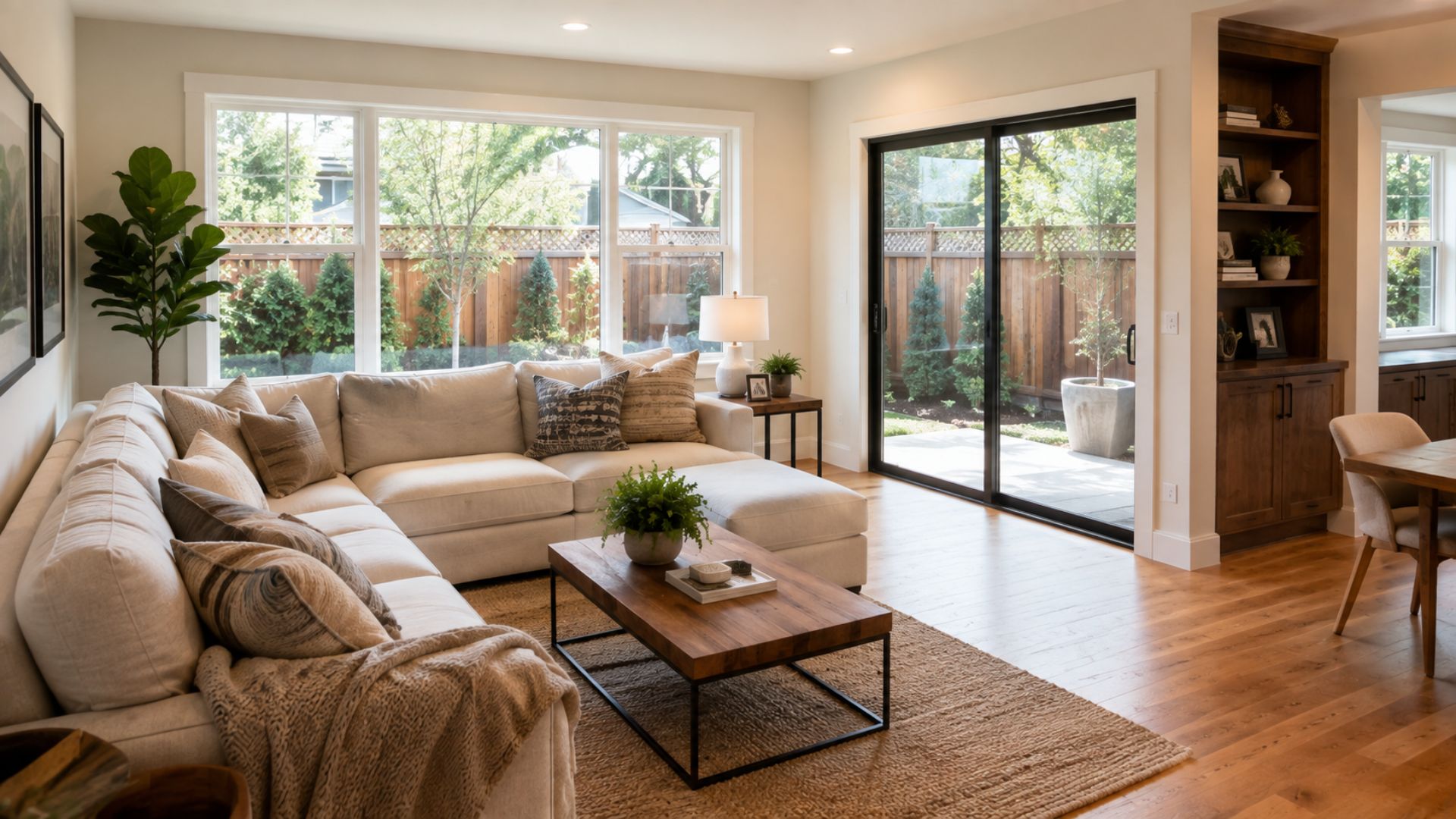
Ben Metcalf, managing director of the University of California at Berkeley’s Terner Center for Housing Innovation, said many people would simply rather have more house than more yard. He pointed to shifting cultural patterns, with people spending less unstructured time outdoors and valuing indoor activities more than they once did. Metcalf also noted that children today often have less independence than earlier generations, leaving fewer kids tossing a football in the backyard with friends. On the radio, KIRO’s Jake Skorheim made a similar point, asking listeners what they really need a big yard for when extra square footage inside the home tends to get more daily use.
One Family’s Trade-Off In Washington, D.C.
Evin Isaacson, a lawyer, and her husband, a city employee, now have a backyard just large enough for one large tree after extending their Washington, D.C. rowhouse. The home originally had two full-sized bedrooms and one small one. Their addition shrank the yard down to the minimum size allowed under D.C. law without a special variance, and they asked their contractor to hold off on construction until after they used the yard for their wedding. Isaacson said their 2.5 percent mortgage rate helped make the project possible, since the lower monthly payment freed up money to invest in the addition. For the Isaacsons, and a growing number of families like them, the yard was the easier thing to give up.