America at 250: Flying the Flag Has Americans Reflecting on What It Represents
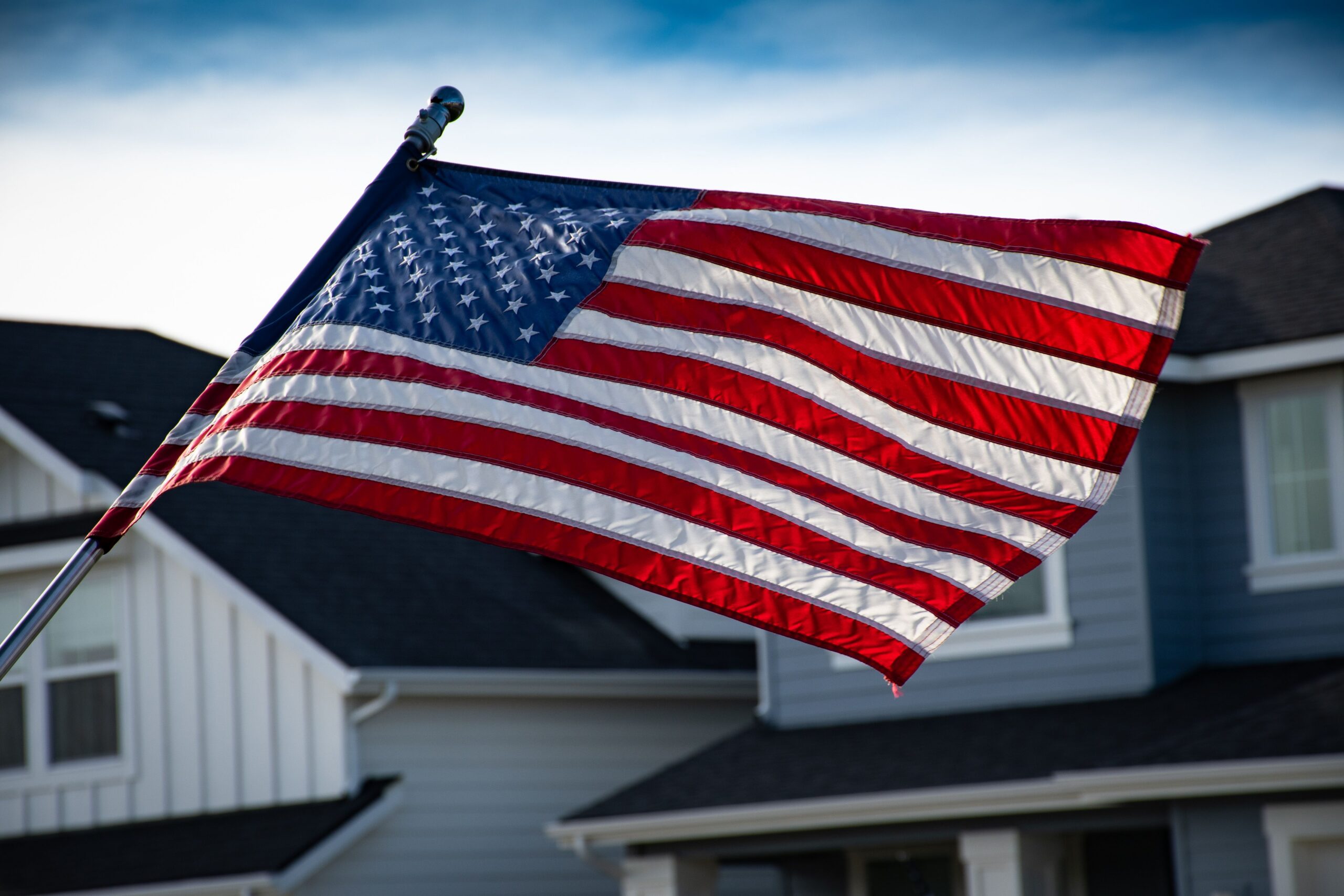

As the United States marks its 250th anniversary in 2026, the American flag is flying outside homes, schools, businesses, and public buildings across the country. For many, it represents freedom, service, and national identity. For others, it also serves as a reminder that the nation’s story is still evolving. The anniversary has prompted many Americans to reflect not just on the flag itself, but on the history and ideals it has come to symbolize over the past two and a half centuries.
Why Does the American Flag Have 50 Stars and 13 Stripes?
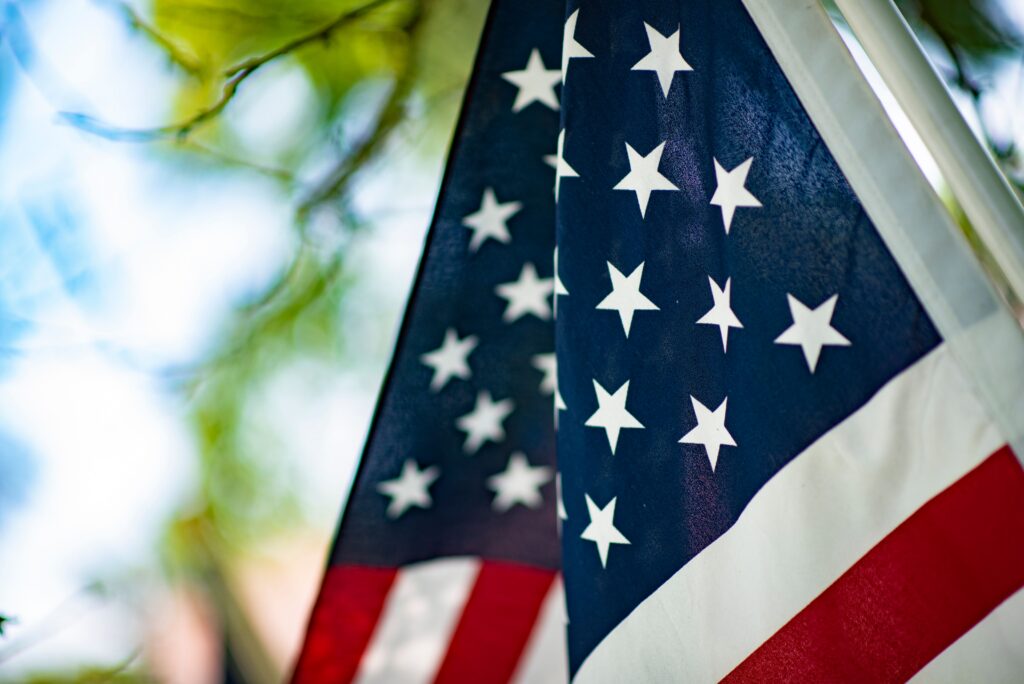
The design of the U.S. flag tells part of the country’s history. The 13 horizontal stripes represent the original thirteen colonies that declared independence from Great Britain in 1776, while the 50 stars represent the 50 states. A new star is added whenever a state joins the Union, making today’s 50-star flag the longest-used version in U.S. history after Hawaii became the 50th state in 1959.
The Flag Has Changed More Than Two Dozen Times
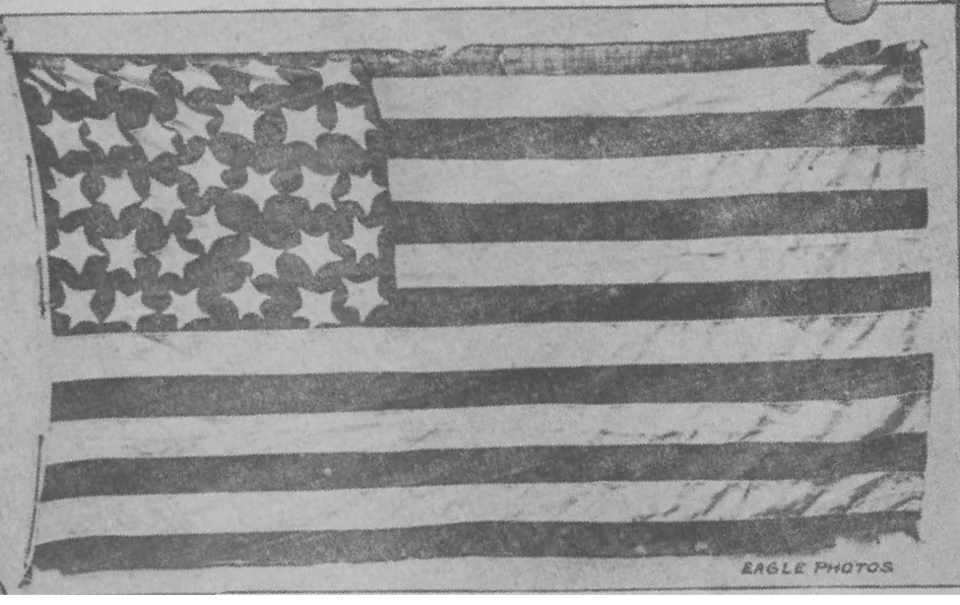
Many people assume the American flag has always looked the same, but it has changed repeatedly as the country expanded. Since the first official Flag Act of 1777, Congress has approved 27 official versions of the flag, with stars added to reflect new states joining the Union. While the stars have changed over time, the 13 stripes have remained constant to honor the original colonies.
The Flag Code Explains How It Should Be Displayed
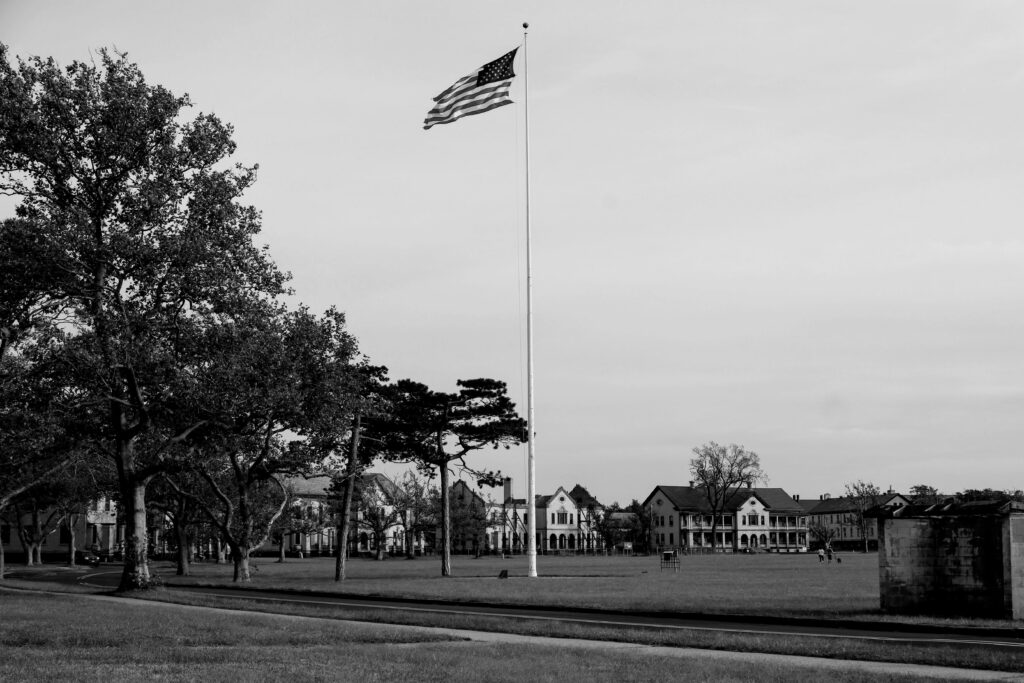
The U.S. Flag Code, first adopted in 1923 and enacted into federal law in 1942, provides guidelines for displaying and caring for the flag. It recommends flying the flag from sunrise to sunset unless it is properly illuminated at night, and advises that it should not touch the ground or be displayed in poor condition. While the code establishes etiquette, most of its provisions are not legally enforceable for private citizens.
The Flag Has Appeared at Many Historic Moments

Over the centuries, the Stars and Stripes has been present during some of America’s defining events. It has flown over battlefields, accompanied astronauts into space, appeared at presidential inaugurations, and become a symbol during moments of national celebration and tragedy alike. These moments have helped make the flag one of the country’s most recognizable national symbols.
People Can View the Flag in Different Ways

Although the flag is a national symbol, people do not always attach the same meaning to it. Surveys conducted during the country’s 250th anniversary found that many Americans associate the flag with patriotism and shared history, while others also see it through the lens of current events, politics, or personal experiences. Those differing perspectives reflect the diversity of the country itself.
The Flag Is Protected Alongside Free Speech
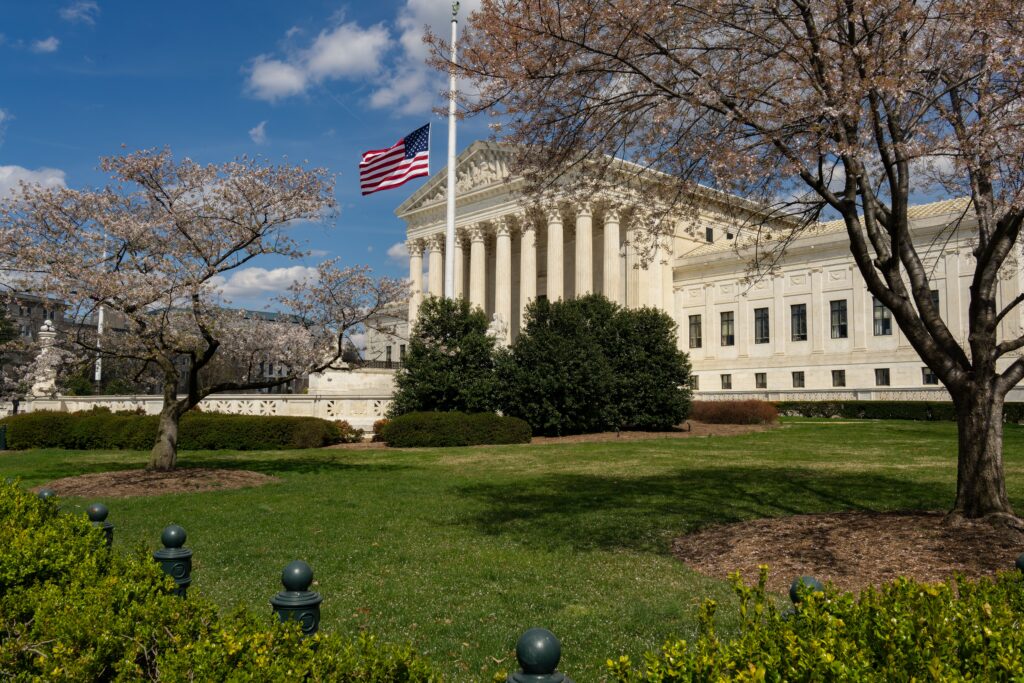
One of the more unusual aspects of American history is that the Constitution protects not only the right to display the flag but also certain forms of protest involving it. In Texas v. Johnson (1989), the U.S. Supreme Court ruled that flag burning as political protest is protected under the First Amendment, making the flag both a patriotic symbol and part of broader discussions about free expression.
There Are Traditions for Retiring a Worn Flag

When an American flag becomes too worn or damaged to display respectfully, the U.S. Flag Code recommends retiring it in a dignified manner, traditionally by burning it in a respectful ceremony. Organizations such as the American Legion, Veterans of Foreign Wars (VFW), and the Boy Scouts of America often host community flag retirement ceremonies.
The Flag Continues to Bring People Together

The American flag is often seen during national holidays, sporting events, military ceremonies, natural disaster responses, and community gatherings. While individuals may interpret its meaning differently, it continues to serve as a widely recognized national symbol that connects many Americans to their country’s history and civic life.
A Symbol That Continues to Evolve
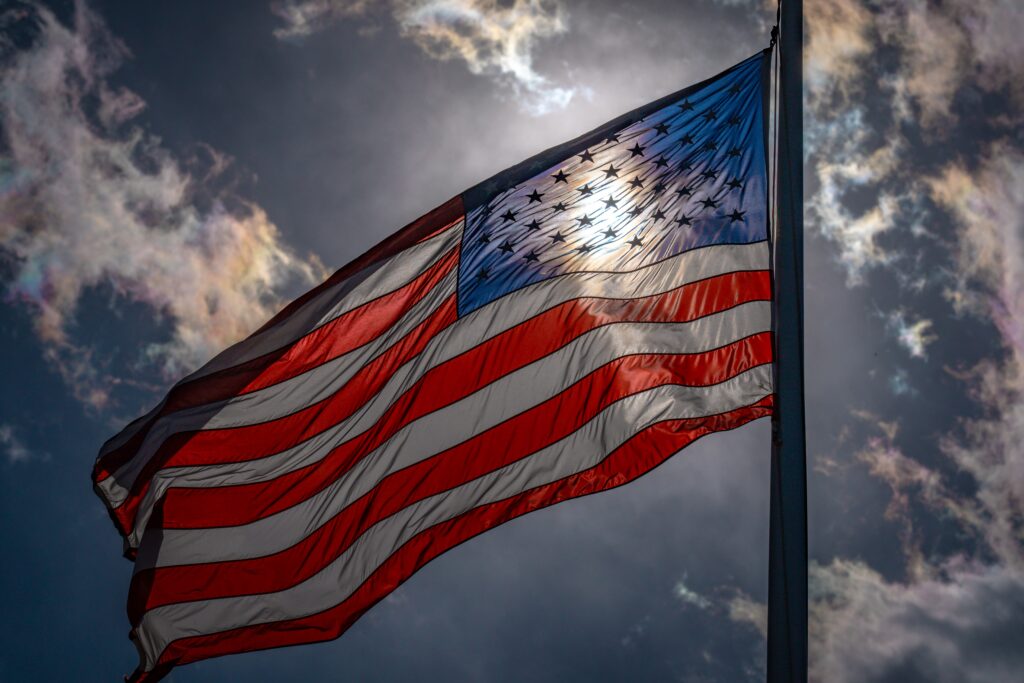
As the United States begins its next 250 years, the flag remains both a link to the nation’s past and a symbol that each generation continues to interpret in its own way. Its stars and stripes have remained recognizable through centuries of change, while the conversations surrounding what the flag represents continue to evolve alongside the country itself.