Amazon’s Lower Shipping Prices Could Give Businesses a Cheaper Alternative to FedEx and UPS


For half a century, FedEx and UPS were the only names that mattered in American package delivery. They built the aircraft fleets, sorting hubs and delivery routes that made next-day shipping a routine promise for businesses everywhere. Now the company that once filled those trucks and planes with its own packages is going after their other customers too. Amazon Shipping is offering corporate shippers simplified pricing and rates that can run well below what FedEx and UPS charge. The service used to focus narrowly on small metro deliveries. That has changed.
This article was created with the assistance of AI and reviewed by our editorial team for accuracy and clarity.
The Discount Is Bigger Than You’d Expect
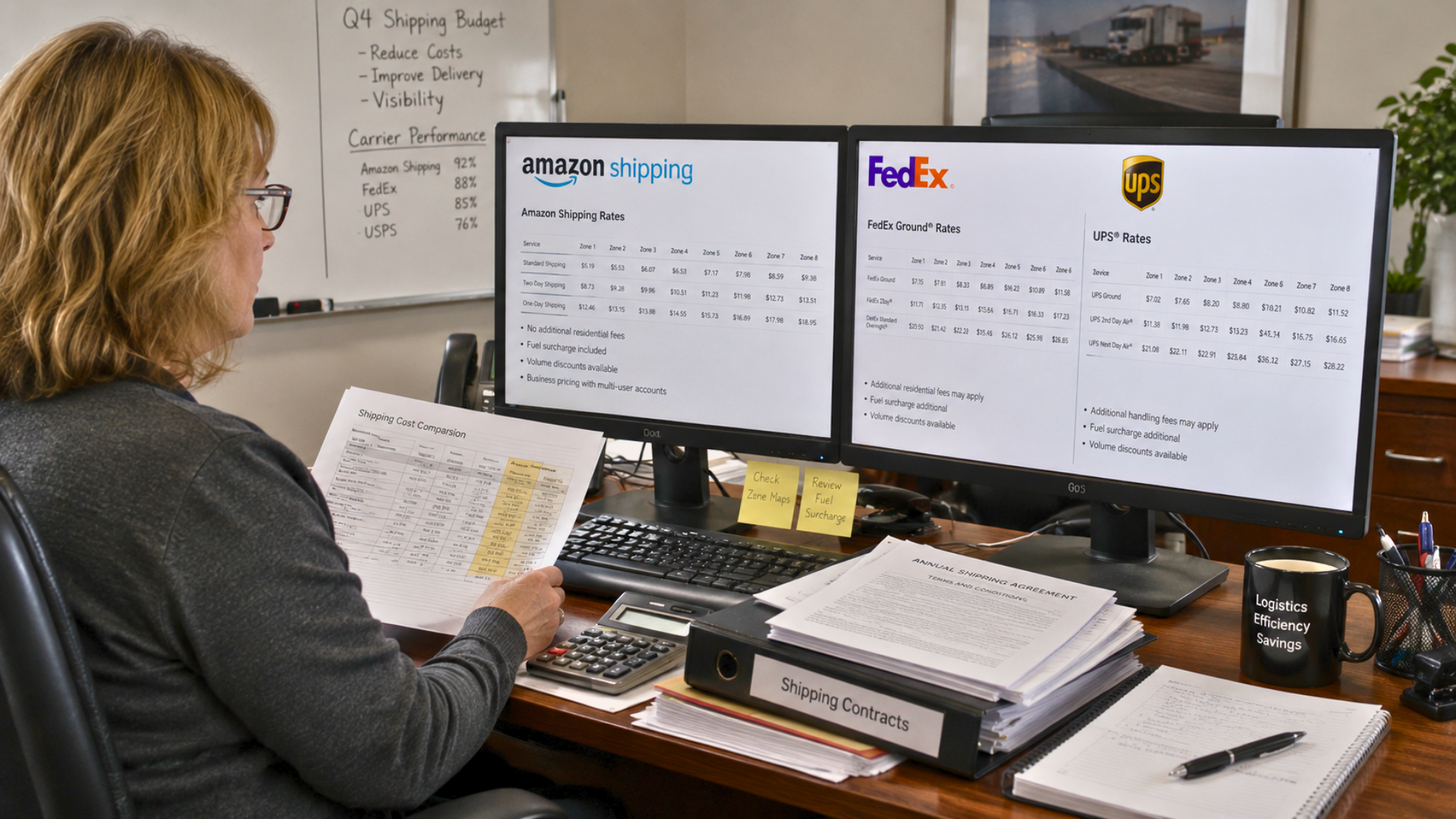
Amazon Shipping is now offering corporate shippers rates that can run up to 30% below comparable FedEx and UPS pricing, according to a Supply Chain Dive report. The offer includes waived residential surcharges, a fee that traditionally adds real cost to home deliveries. Pricing is also simplified compared to the complex rate cards incumbents typically use. This isn’t a niche promotion aimed at small sellers anymore. Amazon is pitching corporate shipping contracts of every size, which puts meaningful volume at risk for both FedEx and UPS at once. The scale of that shift becomes clearer once you see what shippers are actually saving.
Some Shippers Are Saving $6 a Package

Logistics platform Loop has tracked real savings from companies that made the switch. According to Loop’s Matt Sumowski, shippers have saved as much as $6 per package by shifting eligible residential volume from FedEx and UPS over to Amazon Shipping. That number might look small on a single box, but multiply it across thousands of daily shipments and the math adds up fast for any retailer running a high-volume operation. It’s the kind of per package savings that shows up directly on a company’s bottom line within a single billing cycle, and it explains why procurement teams are paying attention.
One Retailer Cut Costs by a Third
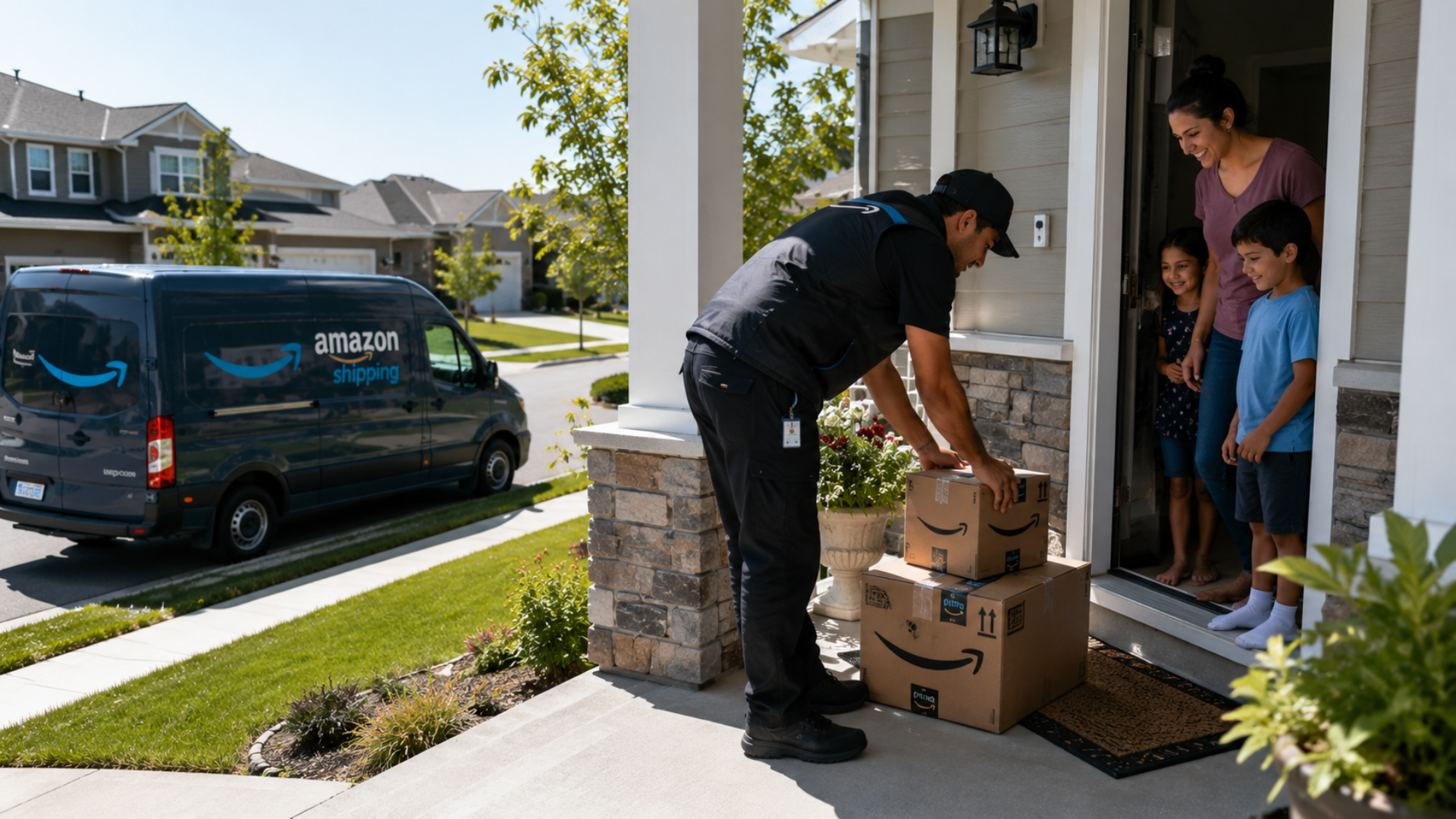
The savings aren’t just theoretical. One large retail client that had been using FedEx cut its annual shipping costs by more than 33% after routing most of its distribution through Amazon instead. That’s a significant chunk of a company’s logistics budget disappearing in a single contract change. It also shows how quickly shipping volume can move once price becomes the deciding factor for a business. Long term carrier relationships built over years can shift within a single negotiation cycle when the numbers are compelling enough. FedEx and UPS aren’t the only ones feeling that pressure, either.
Amazon Is Even Undercutting the Postal Service

The pressure extends well beyond the two private sector giants. Amazon Shipping is undercutting the U.S. Postal Service on packages under a pound, according to Hannah Testani, chief executive of freight audit firm Intelligent Audit. USPS has historically held a pricing edge on lightweight packages, making this a notable shift in the competitive landscape. Amazon’s own vice president of supply chain go to market, Jeff Helbling, said the momentum shows that businesses see real value in what the company already offers. Investors were watching closely too, and their reaction tells its own part of the story.
Wall Street Sounded the Alarm
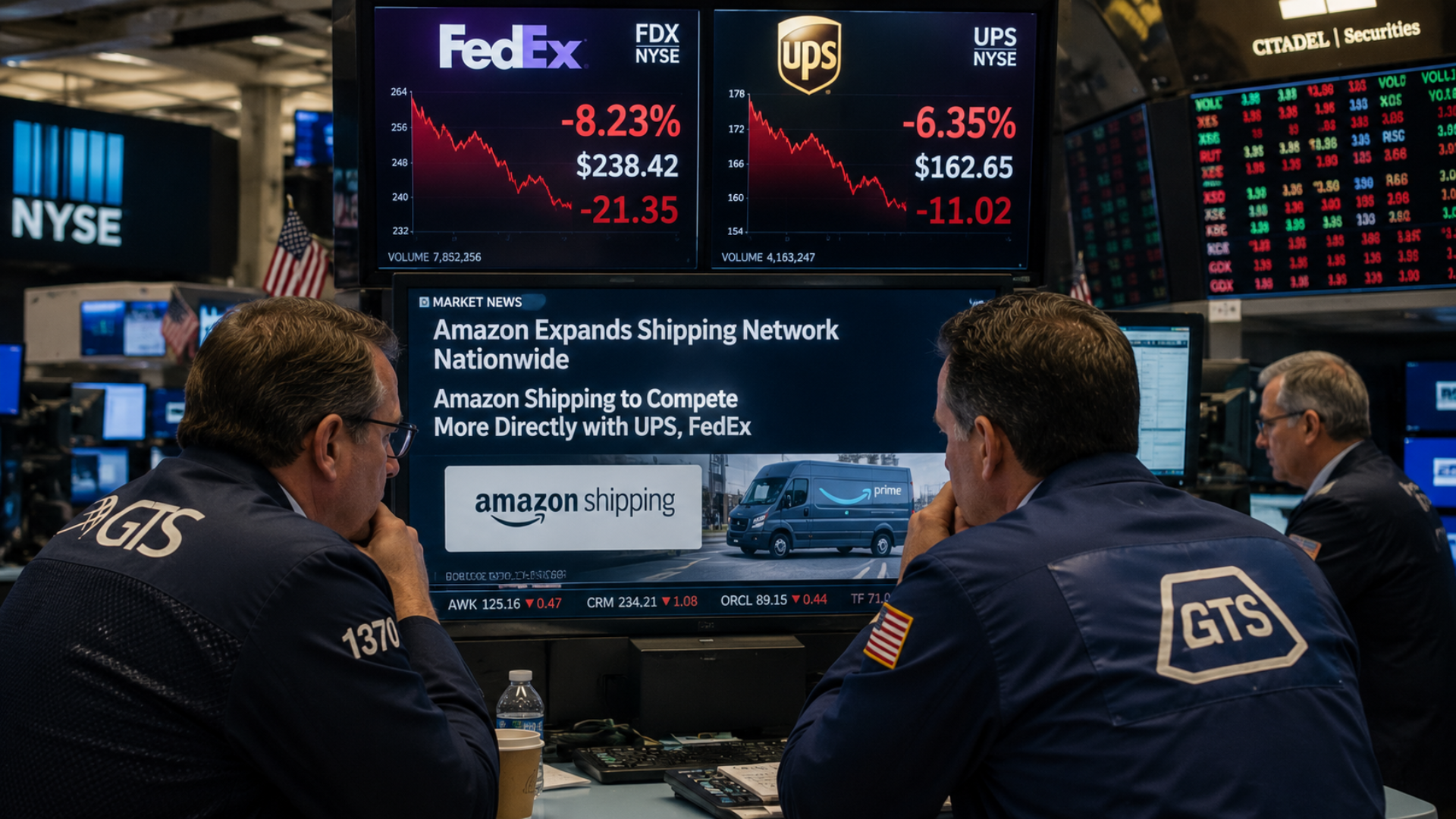
UPS and FedEx shares slid after Morgan Stanley analyst Ravi Shanker warned clients that Amazon’s growing delivery reach threatens both carriers. Shanker noted that Amazon still lacks overnight delivery today, but he believes it’s likely not long before that becomes an option too. That warning matters because overnight service is one of the last major advantages FedEx and UPS still hold. Once the pricing specifics from Amazon’s push circulated more broadly, both stocks slipped further into negative territory that same day. It wasn’t the first time this year that Amazon’s ambitions rattled the market either.
This Selloff Had Already Happened Once Before

Back in May, FedEx fell 9% and UPS dropped 10% in a single session after Amazon launched Amazon Supply Chain Services as a bundled enterprise offering. That earlier move signaled Amazon’s broader ambitions in logistics, well beyond just delivering its own packages. The latest pricing news essentially confirmed what investors feared then: Amazon isn’t testing the waters anymore, it’s actively competing for corporate shipping contracts. Two sharp selloffs in a single year suggest the market sees this as more than a passing threat. Still, the incumbents aren’t standing still while this plays out.
FedEx Still Has a Strong Cushion
Despite the pressure, FedEx hasn’t lost its footing. The company grew fiscal third quarter revenue 8% to $24 billion and raised its full year adjusted profit guidance to a range of $16.05 to $16.85 per share. A 5% rise in U.S. domestic package volume helped drive those results, giving FedEx a real financial cushion heading into this price fight. Strong earnings don’t erase the long-term threat Amazon poses, but they do show FedEx entering this competitive period from a position of relative strength rather than weakness. UPS, meanwhile, has taken a very different approach to the same problem.
UPS Chose a Different Strategy Entirely

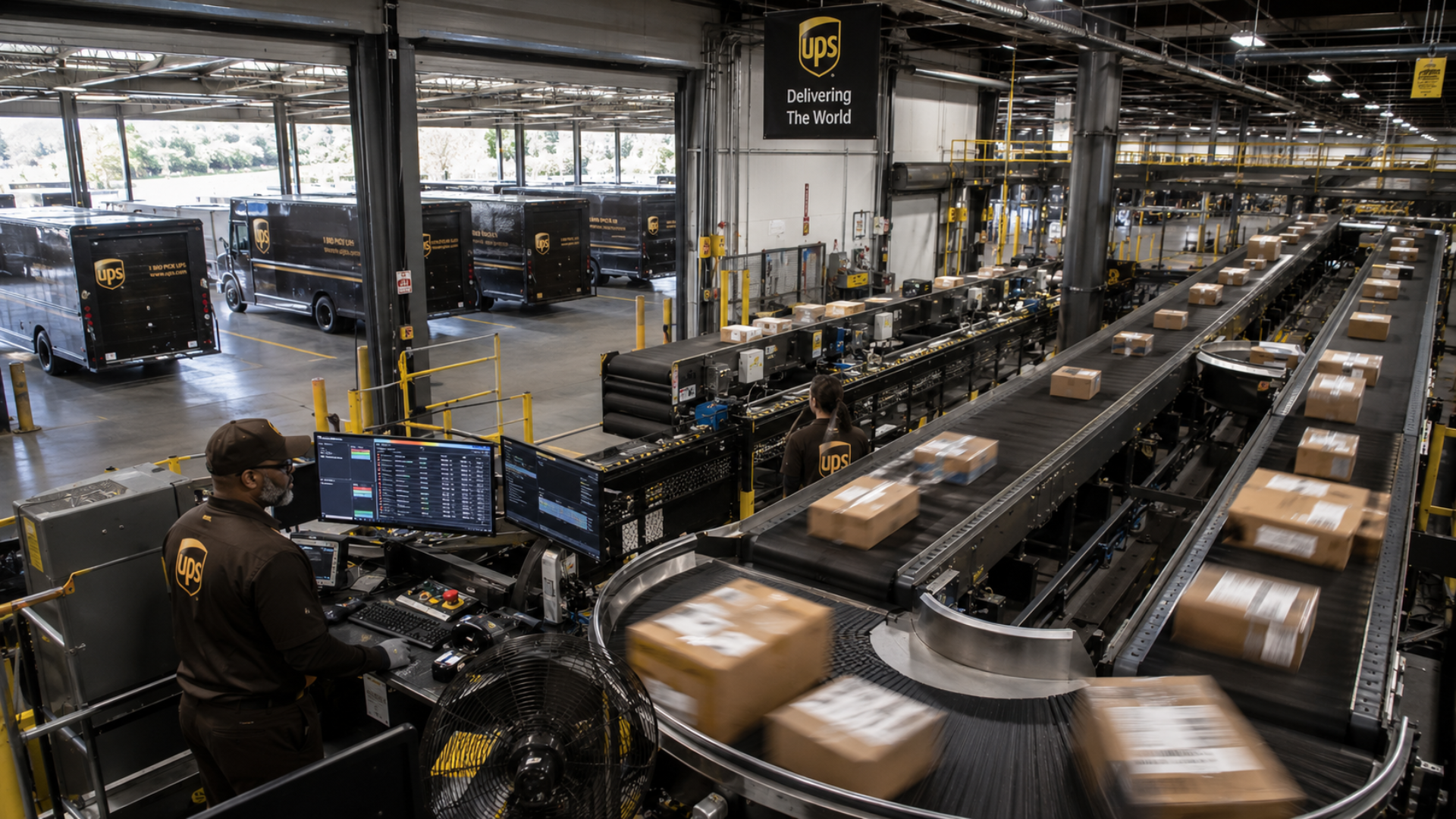
Rather than chase volume at any cost, UPS has deliberately shed lower margin Amazon business to protect pricing across its remaining network. CEO Carol Tomé has told investors that 2026 will mark an inflection point once that pullback finishes running its course. The transition hasn’t been painless. UPS eliminated roughly 48,000 positions and closed 93 facilities in 2025, and its U.S. domestic average daily volume fell 8% in the first quarter of 2026. It’s a trade-off aimed squarely at protecting margins over raw market share, a bet that will take time to fully prove out.
The Real Test Is Still Ahead

For now, FedEx and UPS still control the premium lane. Overnight and healthcare shipments command pricing that Amazon Shipping, currently limited to two-to-five-day ground delivery, simply can’t match yet. This isn’t Amazon’s first move into a new industry either. AWS reshaped enterprise computing and Amazon Pharmacy pushed into drug distribution before Amazon Supply Chain Services set its sights on parcel delivery, and each expansion eventually settled into an uneasy coexistence with existing players. The real test comes if Amazon Shipping ever adds overnight service. That’s the one gap FedEx and UPS still don’t have to worry about closing themselves, at least for now.