Amazon Workers’ Reliance on SNAP and Medicaid Nearly Tripled in Five Years, Federal Report Finds


Working for one of the richest companies in the world should guarantee a decent living. Most people expect a tech giant to pay enough for basic groceries and doctor visits. However, thousands of full-time employees now depend on government aid to survive. A new federal report shows that workers at huge corporations are falling behind. They are turning to public food and health programs in record numbers.
Federal data reveals a massive jump in public help. The Government Accountability Office studied assistance records across eleven key states. The analysis found that nearly 12,350 Amazon staffers received food stamps, while 11,350 relied on Medicaid. Senator Bernie Sanders requested the federal study. He noted that worker reliance on food stamps nearly tripled since 2020. “No one who works for a company making billions in profits should be living in poverty,” Sanders stated.
Company leaders push back against claims that their pay is too low. Corporate spokespeople argue that total numbers look large simply because their workforce expanded rapidly over recent years. They also state that full-time staff get low-cost health insurance on day one. Yet paper benefits do not pay the bills. Workers missing full schedules still fall behind on basic groceries, forcing families into public aid.
Part-Time Schedules and Low Wages Keep Essential Workers Under the Poverty Line
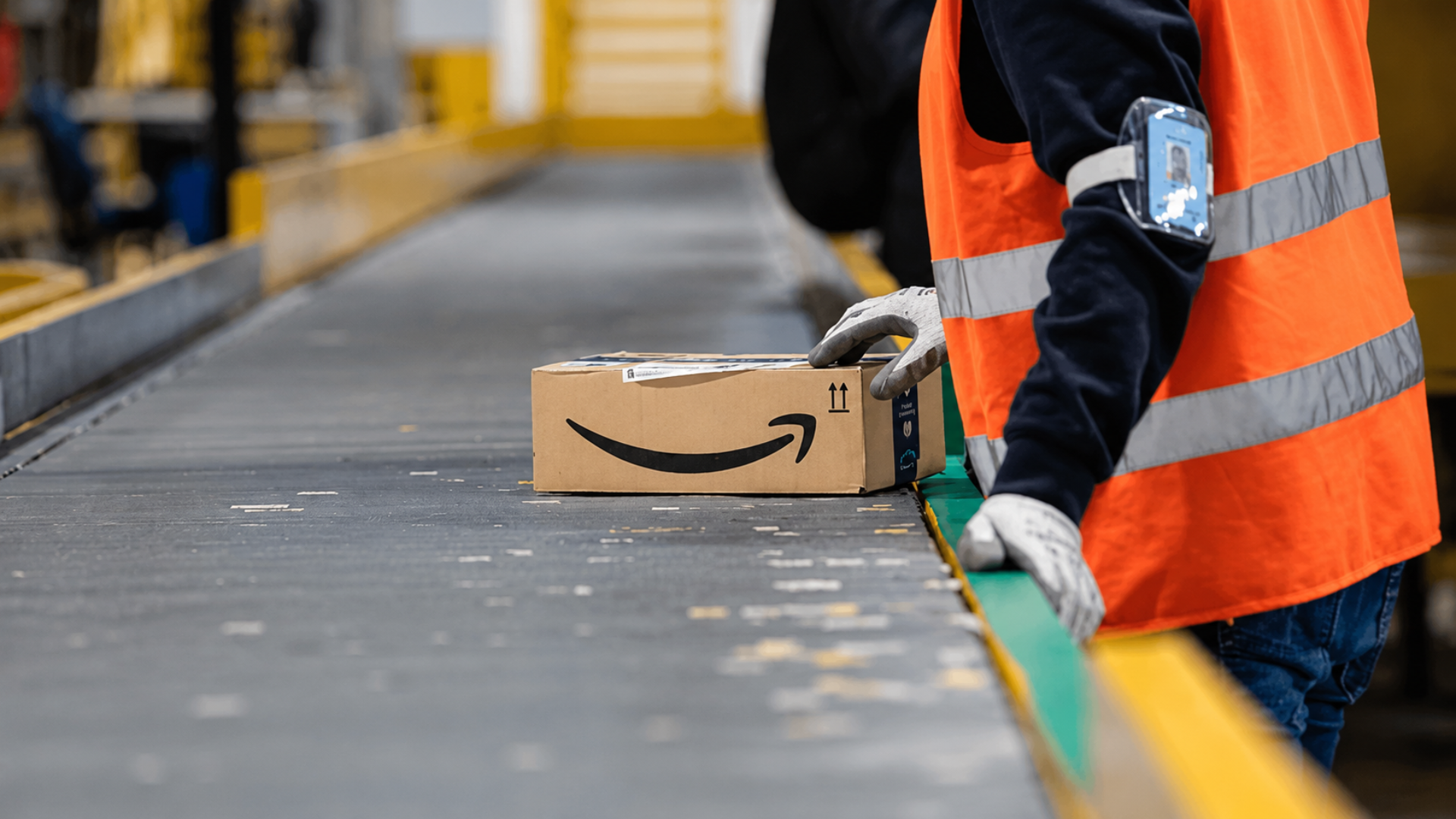
Relying on part-time labor allows major corporations to keep overall wage costs down. Many large companies offer jobs with unpredictable schedules and short shifts. This business strategy makes it nearly impossible for employees to earn enough money for basic survival. Even when hourly pay rates sound high, low weekly hours keep total paychecks small. Families end up trapped in poverty. They must rely on public assistance to eat.
Corporate representatives argue that public benefit rules favor employees with lighter schedules. Rachael Lighty, a spokesperson for Amazon, explained that benefit eligibility depends on household size and total income. She noted that offering part-time options leads to more workers qualifying for aid. Yet workers want full-time jobs. Management rarely hands out enough permanent hours to keep staff off public assistance. This leaves loyal workers struggling every single week.
The growth of gig economy apps has pushed even more working adults into public safety nets. Delivery and rideshare platforms treat drivers as independent contractors. This setup means companies do not provide health insurance or guaranteed hourly pay. Drivers face unpredictable earnings. Income can drop without warning. As a result, smartphone app companies have quietly become top sources of government benefit claims.
Gig Apps and Retail Giants Top the List of Employers Receiving Taxpayer Subsidies
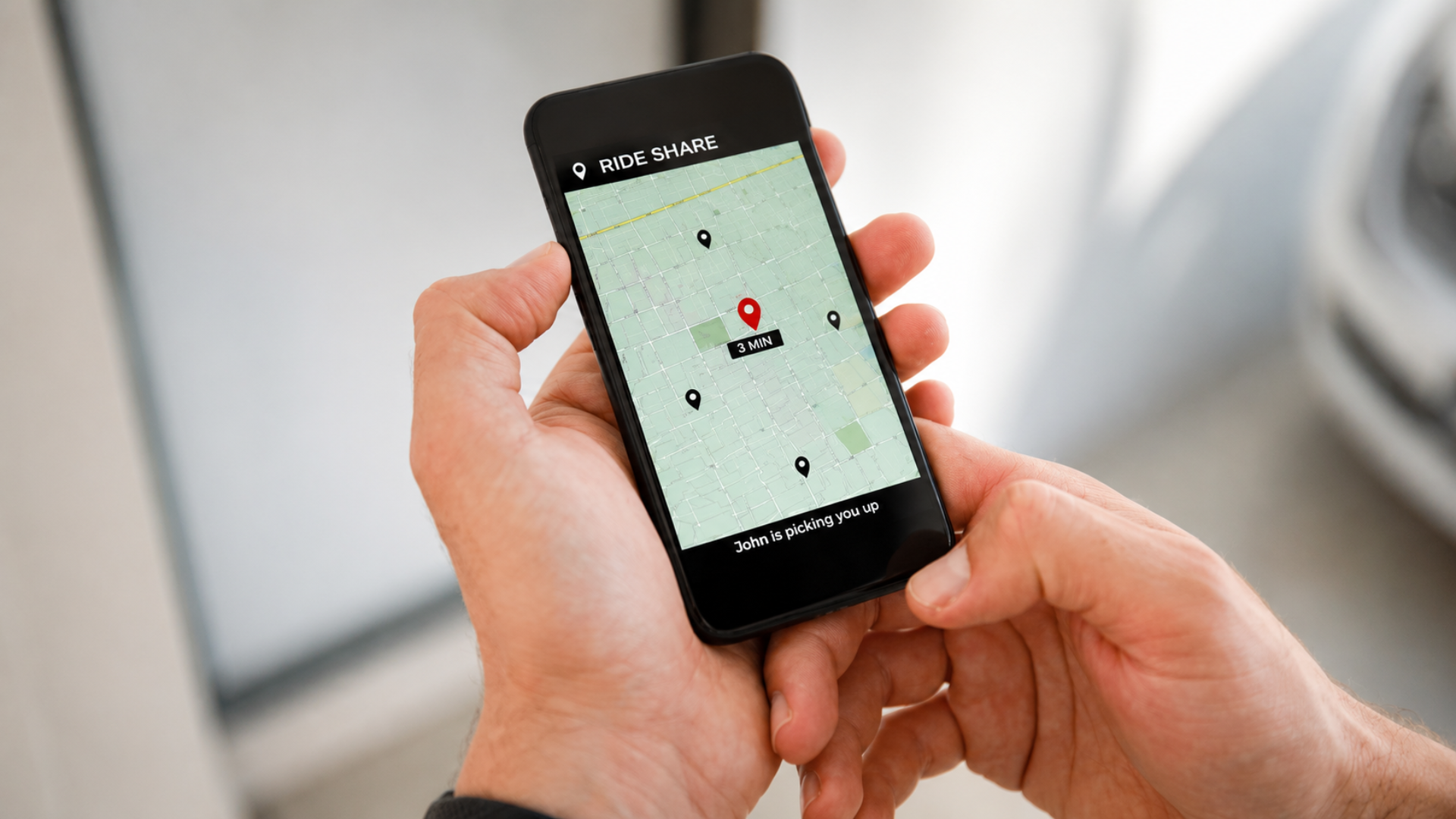
Major delivery apps now rank alongside traditional retail giants as top employers of people on public assistance. Companies like Uber, Lyft, DoorDash, Grubhub, and Instacart were barely present on government welfare lists five years ago. Today, their drivers account for tens of thousands of food stamp enrollees. The numbers are rising fast. App jobs fail to keep workers out of poverty.
Traditional corporations also show a steady increase in staff depending on government health programs. Walmart topped the list of Medicaid employers across all eleven surveyed states. At FedEx, workers on Medicaid more than tripled. Qualifying for food stamps requires a family of four to earn under $42,000 annually. For a single adult, Medicaid caps income at about $22,000. These strict caps show how little workers bring home.
Community members express deep frustration over the lack of progress from corporate leaders. Malik Seneferu, a long-time community advocate, explained that getting clear answers from powerful institutions is like trying to get water out of a stone. Workers feel ignored. Meanwhile, giant companies report massive profits. The gap between corporate wealth and worker hardship grows daily. This friction is driving political fights.
New Rules Push Struggling Workers Off Welfare While Taxpayers Cover Corporate Payrolls
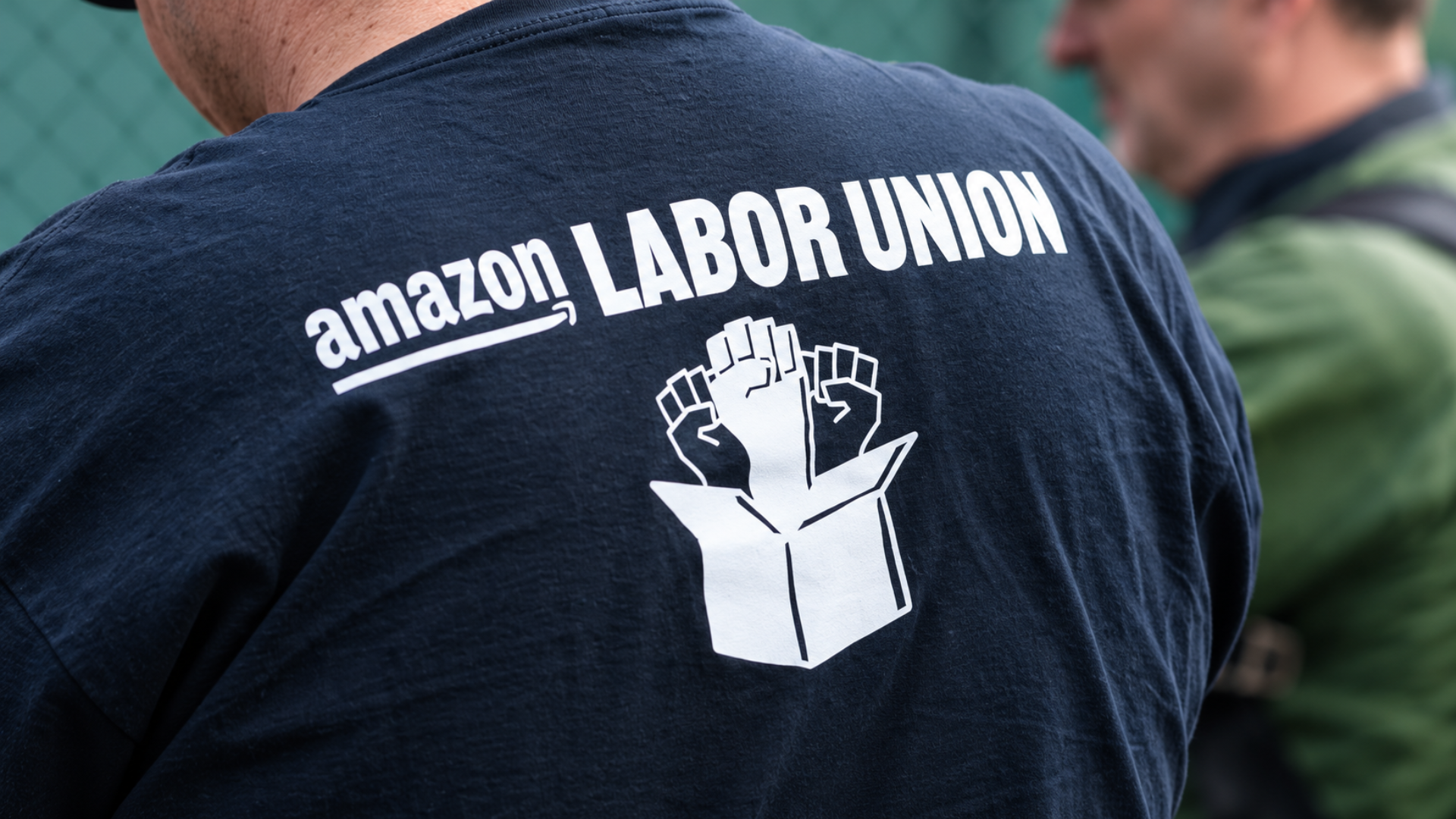
Federal policy changes are now forcing low-wage employees to meet strict work rules or lose their benefits. A new federal law requires adults to log at least 80 hours of work monthly to keep aid. Supporters say mandates build independence. However, advocates warn that strict paperwork will cause millions of families to lose health coverage. The law punishes workers instead of low-paying employers.
State governments are starting to push back against companies that rely on public safety nets. New Jersey recently created an annual tax on large businesses that have staff on Medicaid. The fee charges employers up to $725 per employee. This money helps cover state health bills. Local leaders know tax dollars should not fund corporate payrolls. Other states may soon follow.
Public safety net programs were designed to protect vulnerable citizens during temporary emergencies. Today, these tax-funded safety nets function as permanent wage subsidies for multibillion-dollar corporations. Everyday taxpayers end up paying the bills. Profitable businesses refuse to pay living wages. Meanwhile, corporate executives celebrate record financial gains while public funds keep their workers fed. The real price of cheap goods lands on working taxpayers.