Amazon Workers Are Getting a Pay Raise to $20 an Hour and a New Banking Benefit for Their Families
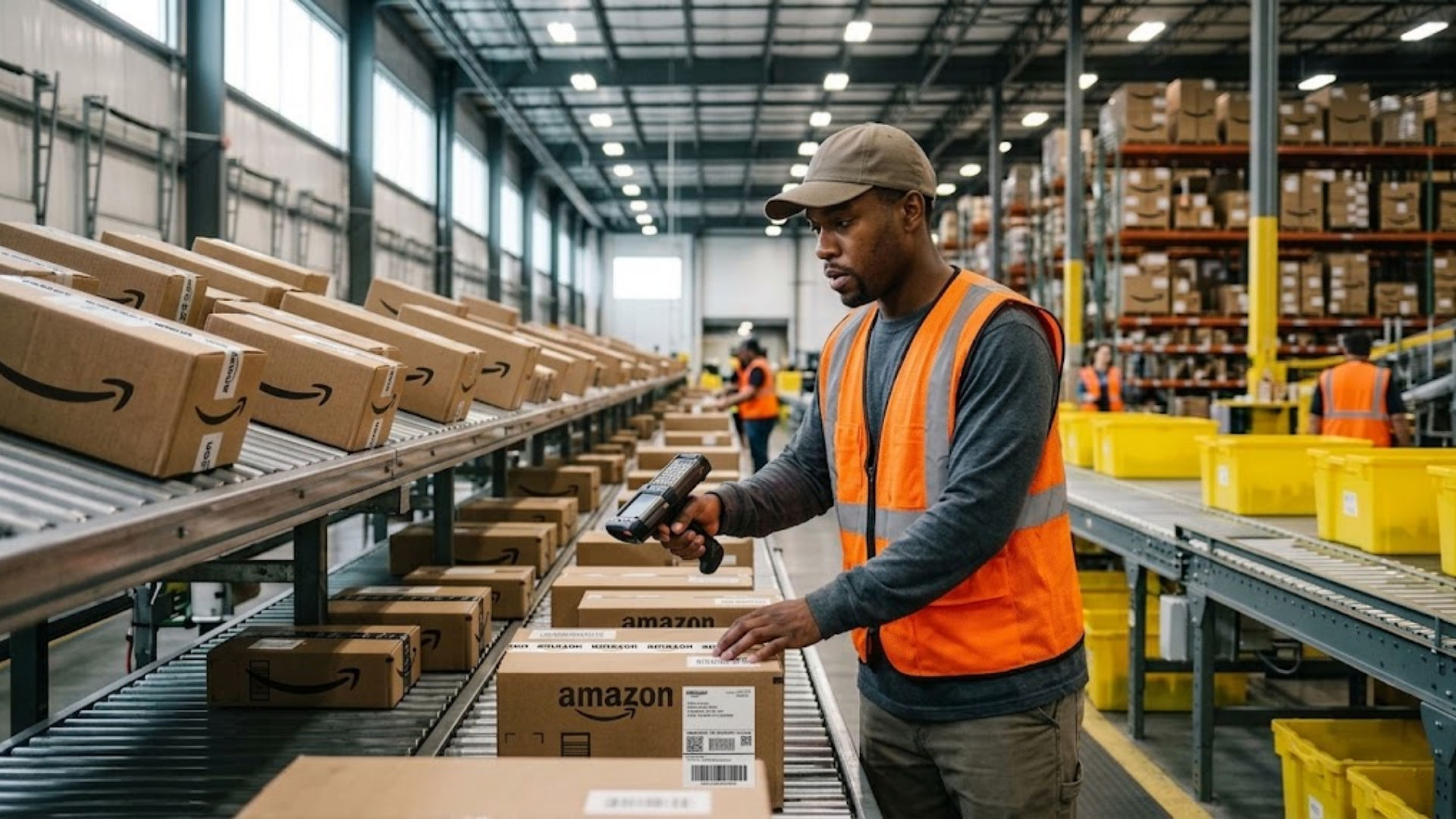

Amazon announced this week that it’s raising the minimum hourly pay for eligible full-time U.S. operations workers, while also unveiling a new financial benefit that extends well beyond the paycheck itself. The wage increase alone would be notable news on its own. But the accompanying benefit, one that reaches beyond employees to their actual families, adds a genuinely interesting wrinkle to how one of the country’s largest employers is thinking about compensation right now. Here’s exactly what’s changing, how the numbers actually break down, and why the new family focused benefit might end up mattering just as much as the raise itself.
This article was created with the assistance of AI and reviewed by our editorial team for accuracy and clarity.
Breaking Down the Actual Wage Increase

The specific change involves a 1 dollar increase, bringing minimum starting pay for eligible full-time operations roles up to 20 dollars an hour. Amazon did not specify exactly how many employees will receive this particular increase, though the change applies to eligible full-time workers across the company’s U.S. operations network, the employees who staff its fulfillment centers and support its delivery operations nationwide. For a workforce this size, even a seemingly modest dollar per hour increase translates into a substantial overall investment once applied across Amazon’s full operations footprint.
What $20 an Hour Actually Adds Up To
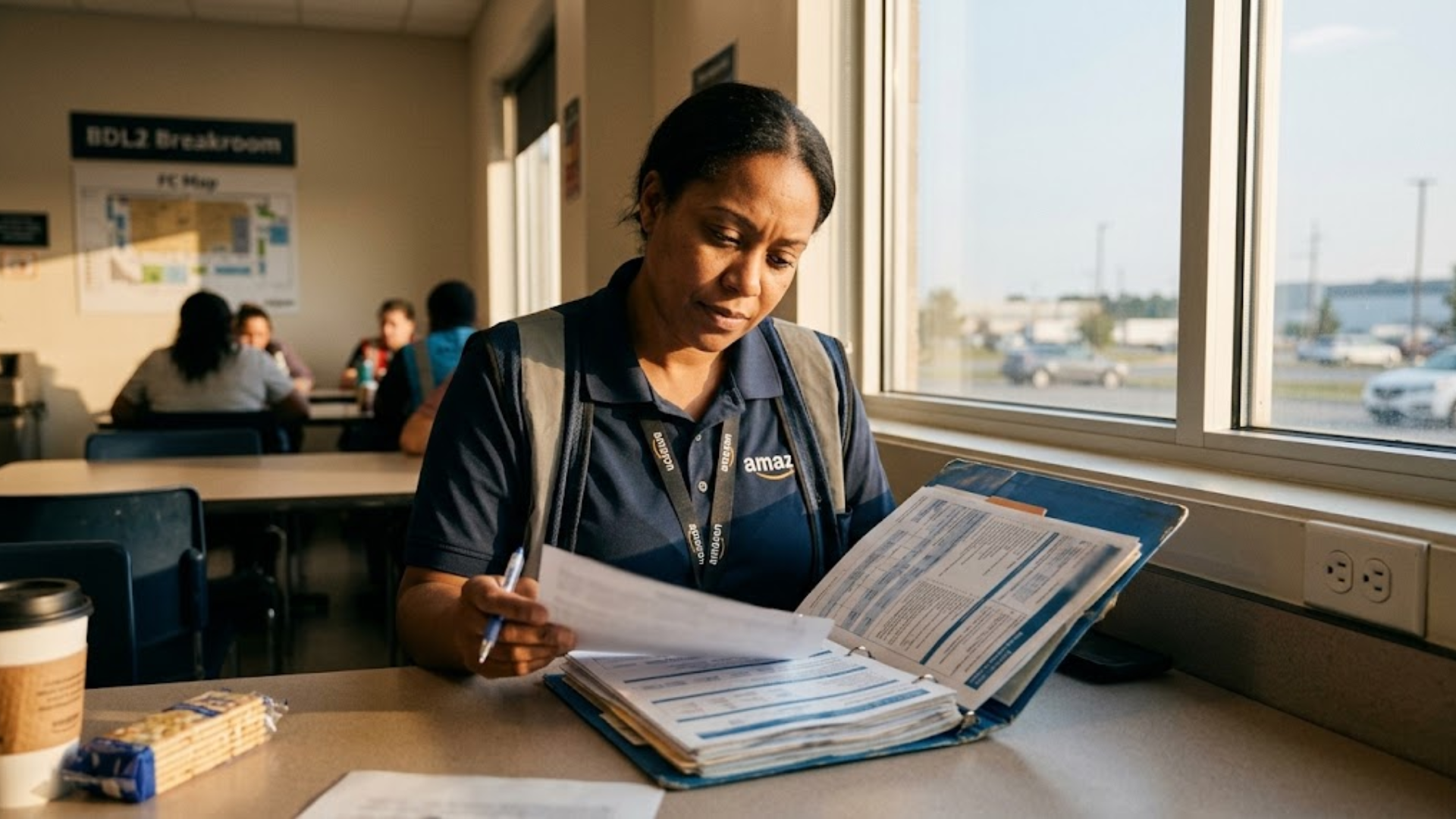
Putting this number into everyday terms helps clarify its real impact. A full-time employee working a standard 40 hour week at 20 dollars an hour would earn approximately 41,600 dollars annually in base wages before taxes, and that figure doesn’t yet include any overtime pay, bonuses, or the value of additional benefits. For comparison, Amazon’s federal filings previously reported considerably lower median pay figures for its broader workforce years earlier, underscoring just how much baseline compensation for hourly operations roles has climbed over time.
Why the Real Compensation Number Is Actually Higher

Amazon says average total compensation for these roles will now exceed 32 dollars an hour once the value of its full benefits package gets factored in. That gap between the 20 dollar wage figure and the 32 dollar total compensation figure reflects everything beyond the paycheck itself, healthcare coverage, retirement contributions, and other workplace benefits that don’t show up directly in an hourly wage but still represent real financial value for employees. Companies increasingly emphasize this broader total compensation figure specifically because a bare hourly wage alone doesn’t capture the complete financial picture of what a job actually provides.
Introducing Day 1 Financial, Amazon’s New Banking Benefit
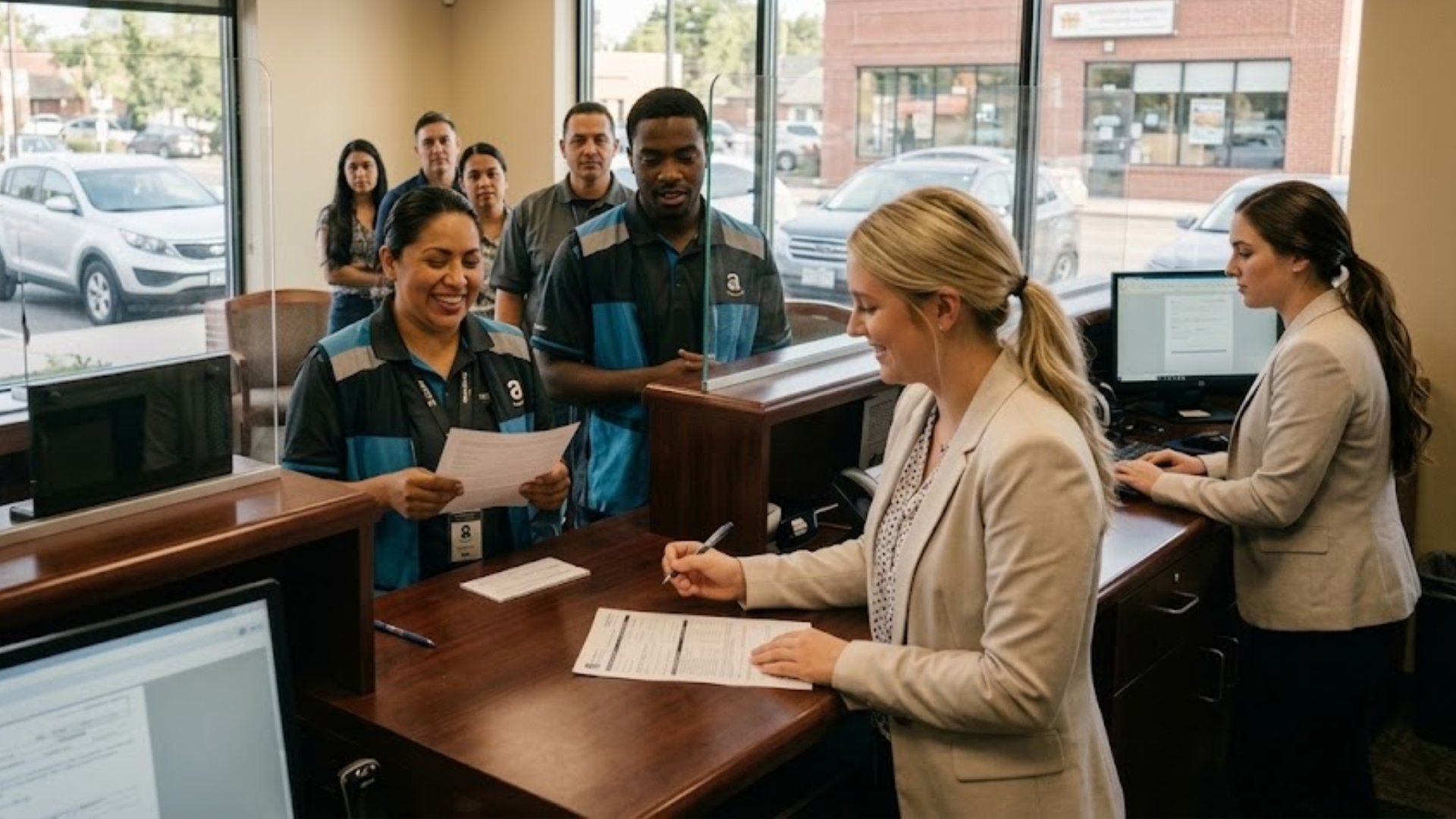
Alongside the wage increase, Amazon introduced a new benefit called Day 1 Financial, which provides qualified employees and their families with lifetime access to low cost banking services through First Tech Federal Credit Union. Two specific words in that description matter considerably. This benefit extends coverage to family members, not just the employee themselves, and it’s described as lifetime access, meaning it isn’t necessarily tied to someone’s continued employment status at Amazon going forward. That kind of structure is notably different from typical workplace benefits, which almost always end the moment someone leaves a company.
Where This Fits Alongside Amazon’s Existing Benefits

This new financial benefit joins a broader compensation package Amazon has been building out for its hourly workforce over recent years. The company already offers healthcare coverage for as little as 5 dollars per week for eligible employees, along with a free Prime membership and prepaid education programs that help cover tuition costs for employees pursuing additional schooling. Layering the new Day 1 Financial banking benefit onto that existing lineup suggests Amazon is increasingly thinking about employee financial wellness more holistically, addressing everyday banking access alongside more traditional benefits like healthcare and education support.
How Amazon’s Pay Stacks Up Against Major Competitors
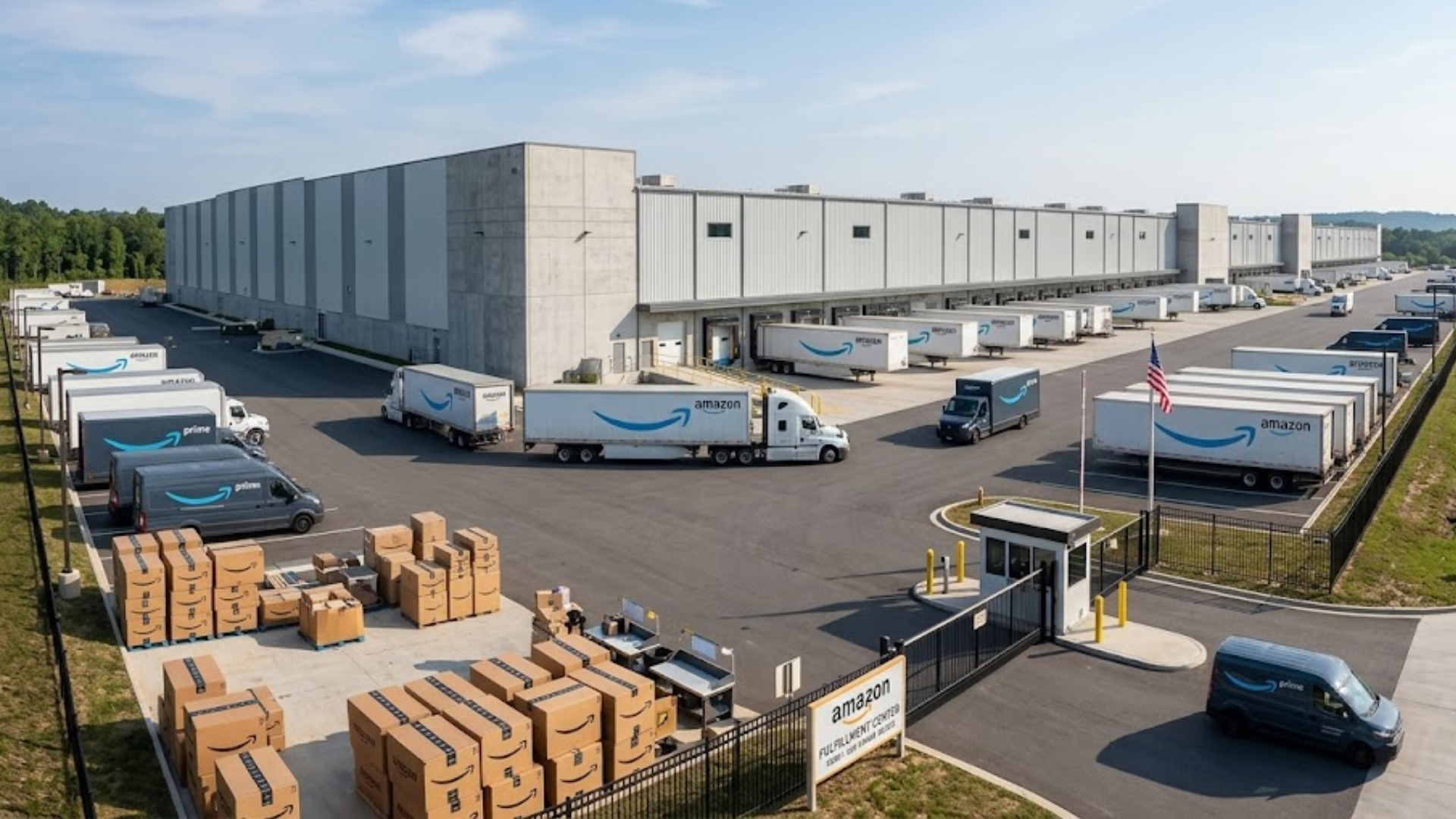
This wage increase also puts Amazon’s starting pay noticeably ahead of several major retail competitors. According to company websites, Walmart’s hourly pay for U.S. workers currently starts at 14 dollars, while Target offers a minimum hourly wage of 15 dollars. Costco raised its own minimum wage for entry level workers to 20 dollars an hour last year, putting it roughly on par with Amazon’s new starting rate. That comparison places Amazon among the higher paying options within large scale American retail and logistics employment, at least when measured by minimum starting hourly wage alone.
A Pattern That Traces Back Nearly a Decade
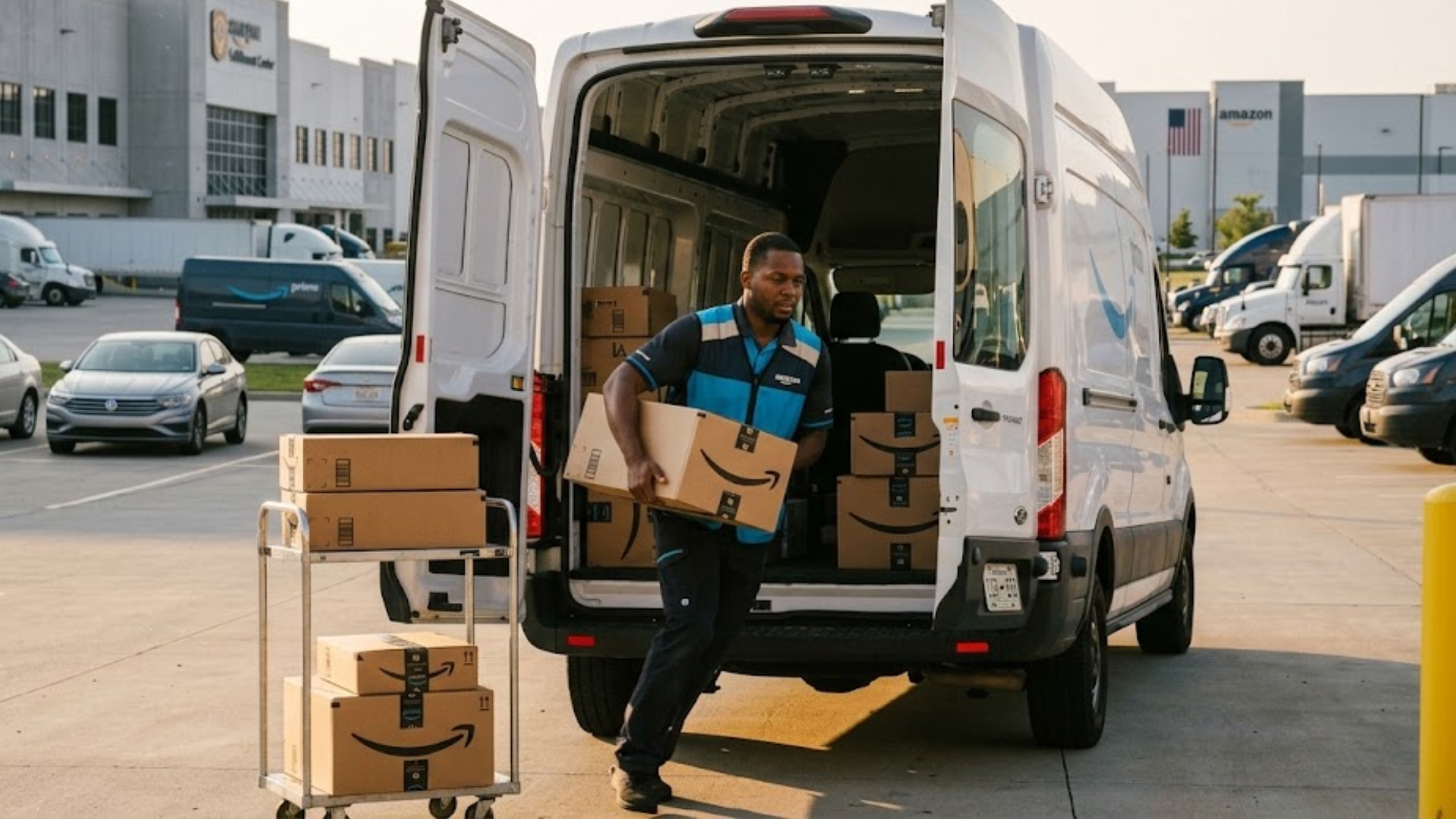
Amazon’s approach to wage increases has a fairly consistent history worth understanding. Back in 2018, the company raised its minimum wage to 15 dollars an hour for all U.S. employees, a move that then CEO Jeff Bezos described as a direct response to public criticism over how the company treated and compensated its lower wage workers. That announcement came alongside Amazon publicly committing to lobby lawmakers for an increase to the federal minimum wage, which has remained frozen at 7.25 dollars an hour since 2009. Nearly a decade later, that federal minimum still hasn’t moved, even as Amazon’s own internal minimum has climbed considerably higher.
Why Companies Like Amazon Keep Raising Pay Voluntarily
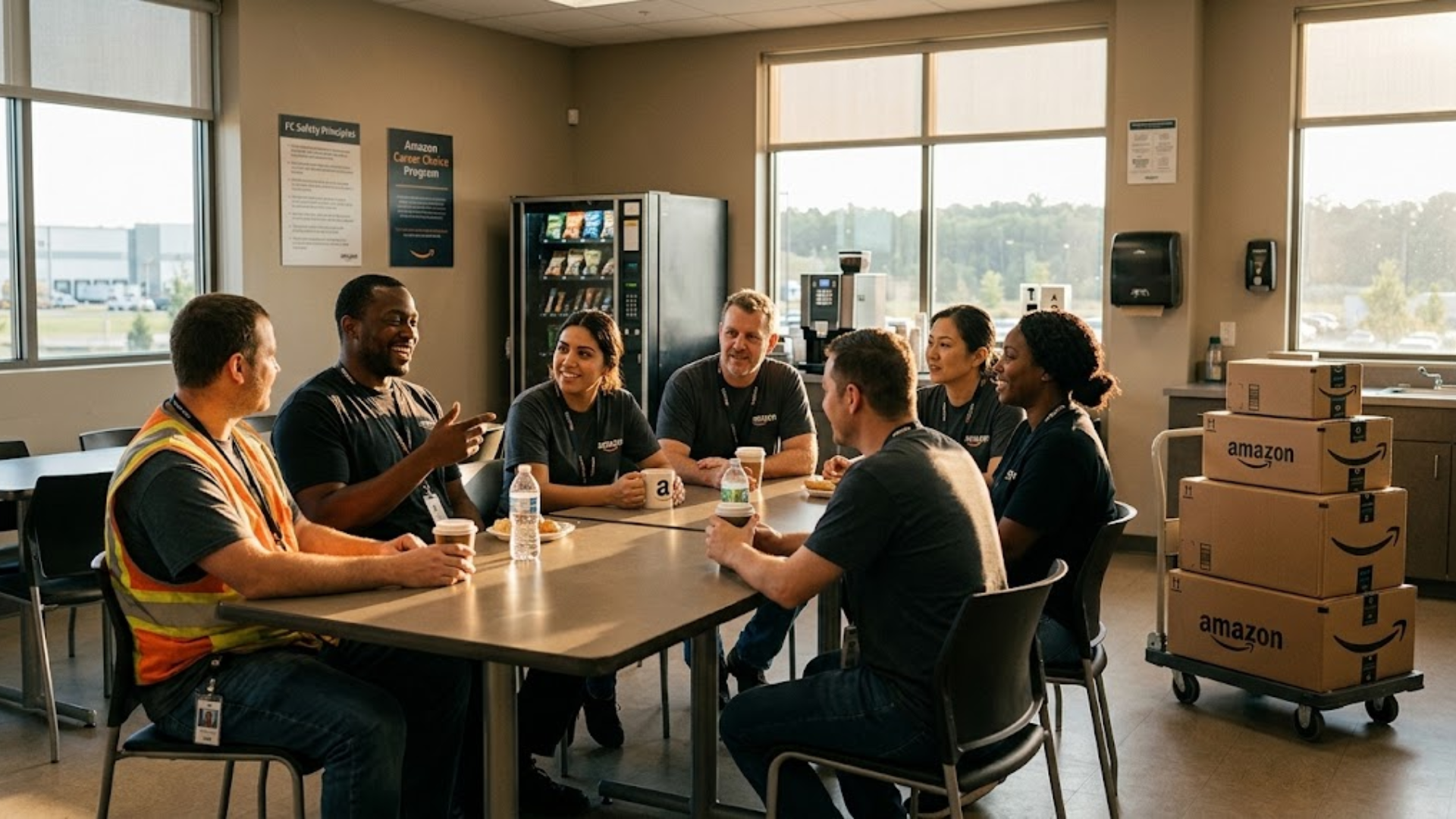
Industry analysts have long pointed to competitive labor market pressure as a major driver behind these kinds of voluntary wage increases at large employers. When workers have more employment options available to them, companies like Amazon need genuinely compelling reasons to attract and retain enough staff to keep massive fulfillment and delivery operations running smoothly. Rather than waiting for legally mandated minimum wage increases, companies with the financial resources to do so often move preemptively, treating higher starting pay and expanded benefits as a practical recruitment and retention strategy rather than simply a goodwill gesture toward workers.
What This Signals for Workers Going Forward
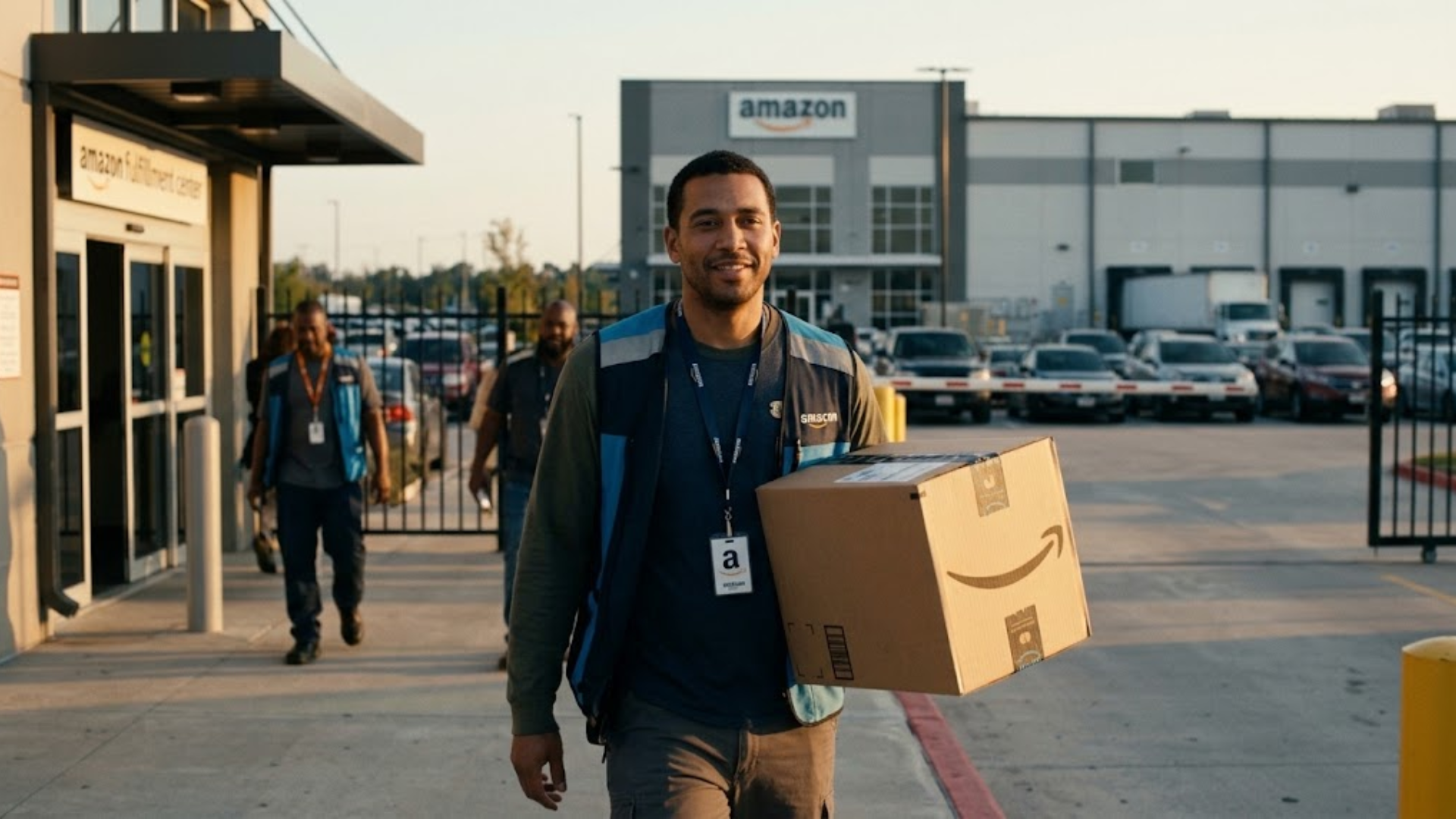
Taken together, Amazon’s latest announcement reflects a broader trend among major employers, using both direct wage increases and creative new benefits to differentiate themselves in a competitive labor market. The Day 1 Financial banking benefit in particular signals a potentially meaningful shift, moving beyond traditional healthcare and retirement offerings toward benefits explicitly designed to support an employee’s entire family, not just the individual worker clocking in each day. Whether other major employers follow with similar family oriented benefits of their own remains to be seen, but Amazon’s continued willingness to move its own pay and benefits standards upward, well ahead of any federal requirement to do so, suggests this kind of competition for workers isn’t slowing down anytime soon.