Amazon Hit With Lawsuit Over Ring Feature That Visitors Say Crossed a Privacy Line
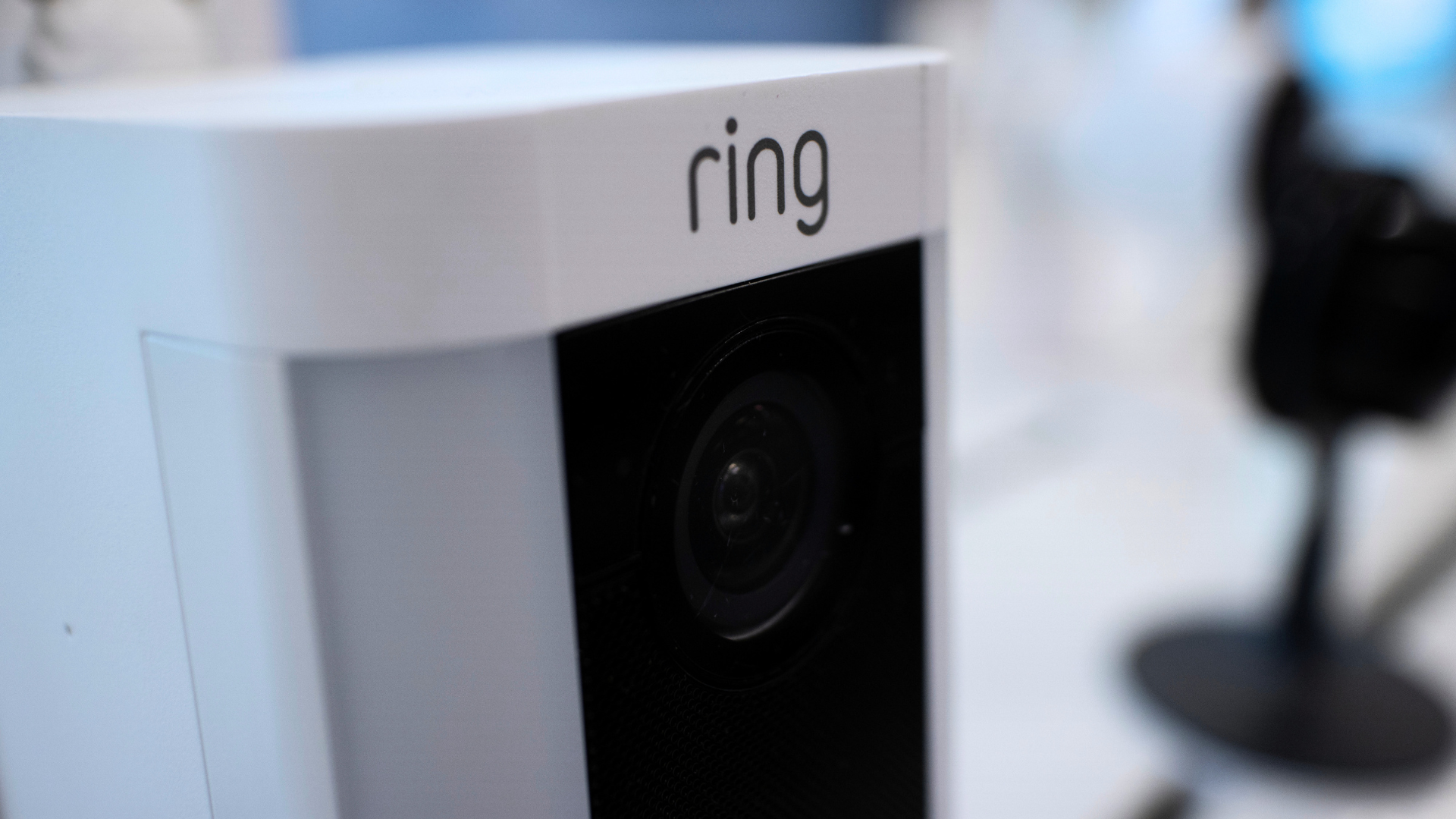

Amazon is facing a lawsuit over a Ring doorbell feature that plaintiffs claim crossed a privacy line by collecting and analyzing facial data without proper consent. The legal challenge centers on Ring’s facial recognition capabilities, which can identify familiar visitors and provide personalized alerts to homeowners. Critics argue that while the technology offers convenience and security benefits, it also raises significant questions about how biometric data is collected, stored, and used.
The lawsuit is part of a broader national debate over facial recognition technology, which has become increasingly common in consumer devices ranging from smartphones to home security systems. Privacy advocates have long warned that facial recognition tools can create concerns when individuals are scanned or identified without their explicit knowledge or permission.
As the case moves through the courts, it could become an important test of how privacy laws apply to rapidly evolving consumer technologies that blur the line between home security and biometric surveillance.
The Lawsuit Focuses On Facial Recognition Features

According to reports, the lawsuit challenges Ring’s use of facial recognition technology through its “Smart Video Search” and related identification features. Plaintiffs argue that visitors may have their facial characteristics analyzed and processed without first being informed or consenting to the collection of that information.
The legal complaint reportedly cites privacy laws that regulate the collection and handling of biometric information, including facial geometry and other identifying characteristics. Such laws generally require companies to provide clear notice and obtain consent before collecting certain forms of biometric data from individuals.
Amazon has defended Ring’s technology by emphasizing that many advanced features are optional and can be controlled by device owners. The company maintains that its products are designed to help homeowners improve security while providing users with choices regarding how various features are enabled and configured.
Why Facial Recognition Technology Remains Controversial
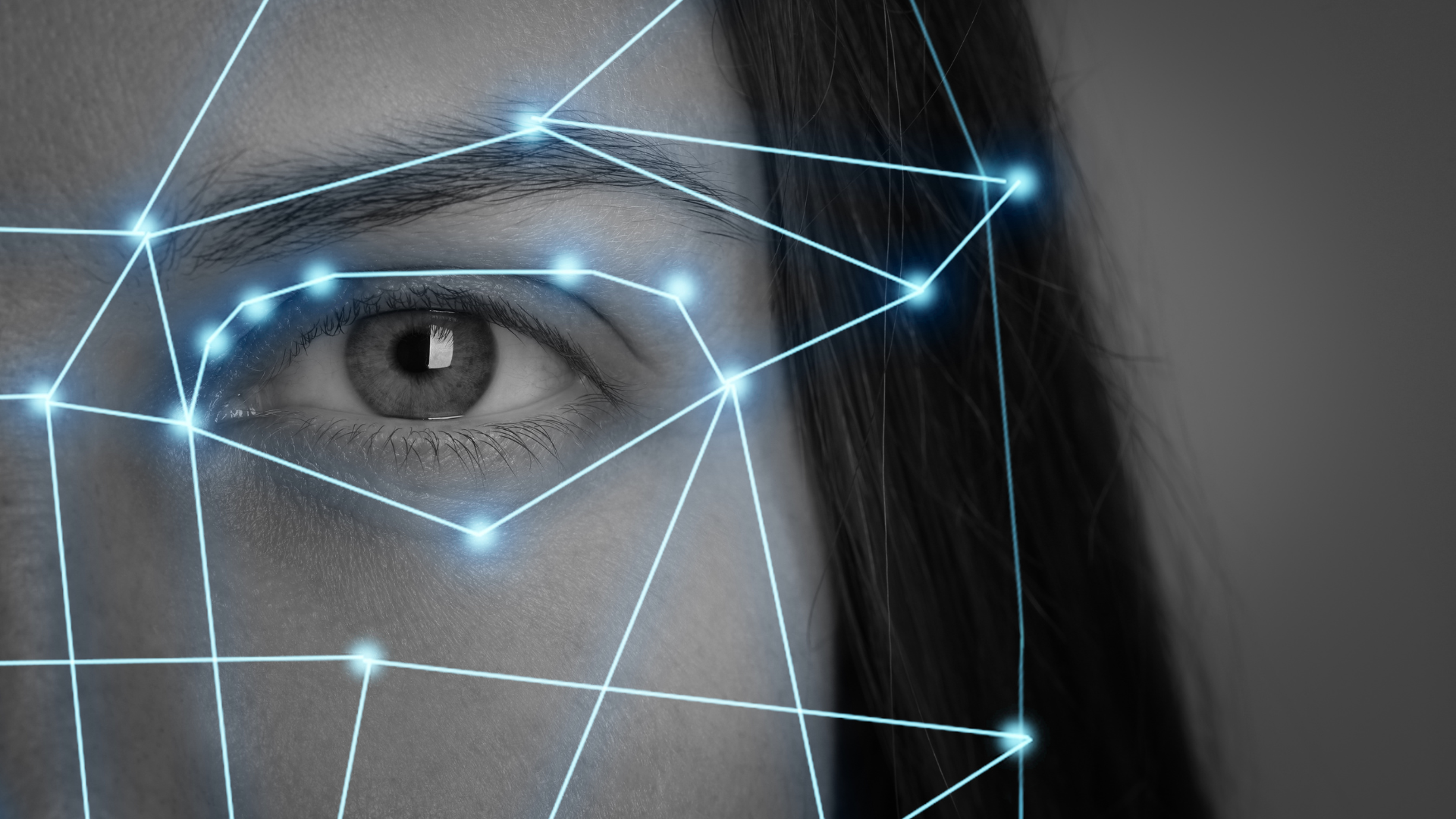
Facial recognition technology has become one of the most debated developments in modern consumer technology. Supporters argue that it offers valuable benefits, including enhanced security, quicker identification of known individuals, and improved convenience for users managing smart devices and security systems.
Privacy advocates, however, have raised concerns about the broader implications of biometric surveillance. Unlike passwords or account credentials, biometric characteristics cannot easily be changed if compromised. Critics argue that this makes facial data particularly sensitive and deserving of stronger protections.
The controversy has led several states and municipalities to adopt stricter rules governing biometric information. Courts across the country have increasingly become the battleground where companies, regulators, and privacy advocates attempt to define the limits of how facial recognition technology can be used in everyday life.
The Case Could Influence Future Smart Home Technology
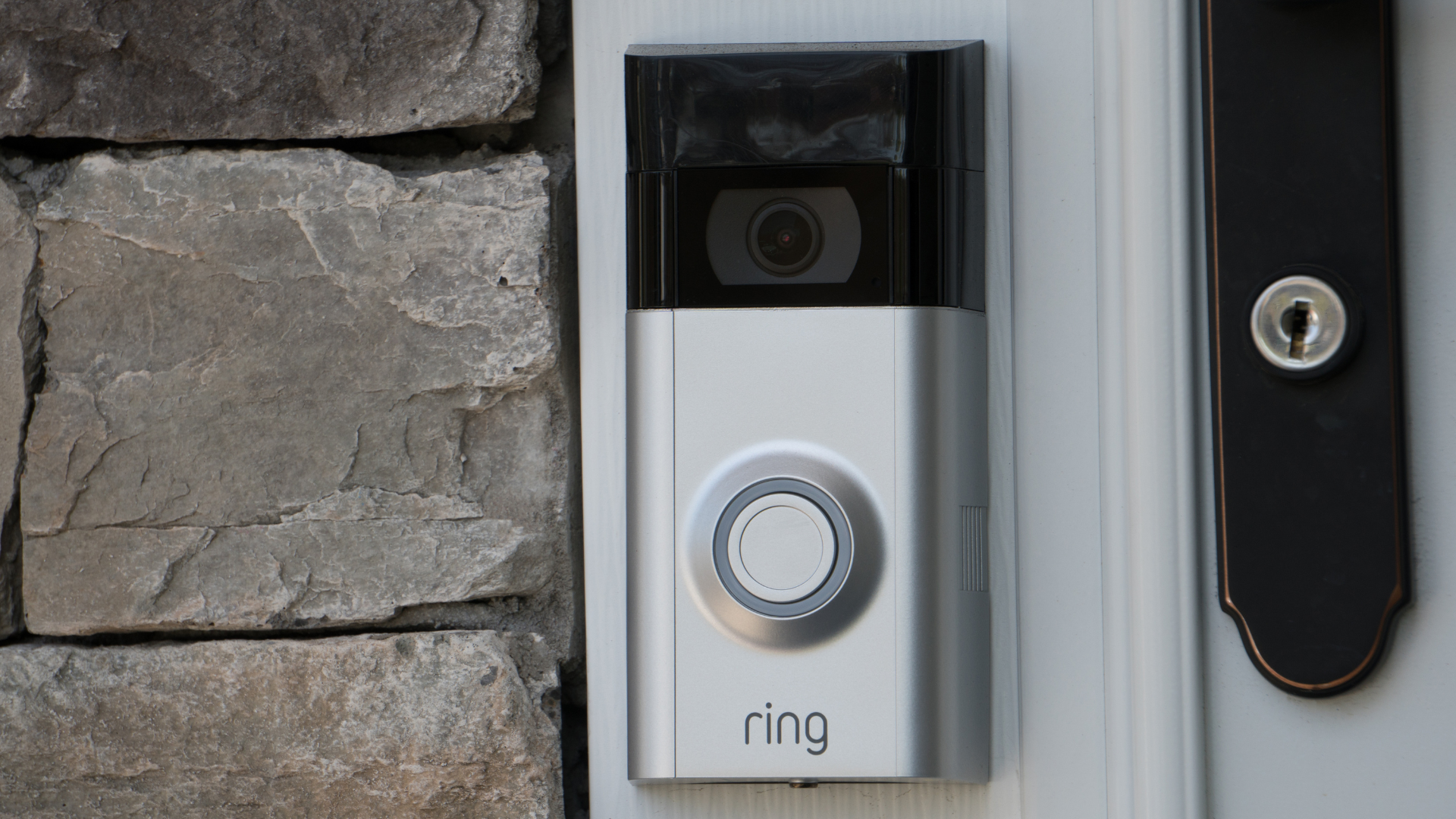
The outcome of the lawsuit could have implications far beyond Ring itself. As smart home devices become more sophisticated, manufacturers are increasingly integrating artificial intelligence, facial recognition, and behavioral analysis into products designed to improve convenience and security.
Legal experts say decisions in cases involving biometric privacy often influence how technology companies design future products and communicate data practices to consumers. Companies may face growing pressure to provide clearer disclosures, stronger consent mechanisms, and greater transparency regarding how personal information is processed.
Ultimately, the lawsuit highlights the ongoing tension between innovation and privacy in the connected home era. While consumers continue embracing smart security technology, courts and regulators are being asked to determine where convenience ends and personal privacy protections begin.