Amazon Driver Who Made Over $2 Million Completing Students’ Assignments and Exams Sentenced to Jail


A delivery driver in a company uniform pulled into an ordinary street in Liverpool. Behind his front door sat an Audi, a BMW, and furniture far too expensive for someone earning a driver’s wage. His bank accounts held close to $2 million. None of it came from deliveries. It came from a secret operation helping university students cheat, one that eventually caught the attention of investigators who would not let it go.
Shahid Adnan, 43, worked as an Amazon Flex driver and tutor in Liverpool. Behind that ordinary job, he ran a much bigger operation. According to a Crown Prosecution Service statement, Adnan completed coursework and sat online exams for 124 students across multiple universities, collecting payment for every assignment and every test he took on someone else’s behalf.
Investigators traced his earnings across three bank accounts and a trading account. One Barclays account alone held close to $2 million. A personal Lloyds account carried $800,000. A separate Lloyds business account held $325,000, and his PayPal balance sat at $146,000. The money was real, spread out, and waiting to be explained.
Pen Drive Handed to University Staff Exposes Adnan’s Company

In February 2023, a student walked into the computer forensics department at Liverpool John Moores University and handed a pen drive to a senior manager, insisting the coursework on it was his own. Something about the file details did not sit right, prompting a closer digital inspection that would unravel far more than one assignment.
Forensic analysis showed the pen drive had previously belonged to Adnan. Documents on it linked directly to a company he ran called Study Sharp Ltd. Buried among the files was an Excel spreadsheet listing dozens of other students’ names, login credentials, study modules, and coursework deadlines, a client list built entirely on academic fraud.
The manager kept digging. What emerged was proof that Adnan had been logging into the university network himself, submitting coursework under students’ names and sitting online exams in their place. That discovery moved the case out of the university’s hands entirely and into a specialized police unit built to handle exactly this kind of crime.
Adnan Admits Sitting an Exam for $330 Under a Student’s Name

Merseyside Police’s Cyber Dependent Crime Unit took over the investigation. A search warrant was issued for Adnan’s home address, and officers arrested him there, the same house holding the imported cars and high-end furnishings that had already raised questions about his finances.
Adnan admitted logging into the university account using a student’s personal details. He confessed to sitting an exam on behalf of the same student who had unknowingly turned him in, for a payment of around $330. In his defense, Adnan claimed he was “not aware” he needed the university’s authorization to access someone else’s account.
Authorities charged him with fraud by false representation, unauthorized access to a computer program, and money laundering. The charges reflected not just the cheating itself, but the elaborate financial trail he built to hide where the money came from and where it ended up.
Three Years in Prison, and a Plan to Recover Every Dollar
In September, Adnan pleaded guilty to the fraud and unauthorized access charges but denied the money laundering count at Bootle Magistrates’ Court. That resistance did not last. By October 2025, at Liverpool Crown Court, he admitted to laundering the money as well, closing out the last piece of the case against him.
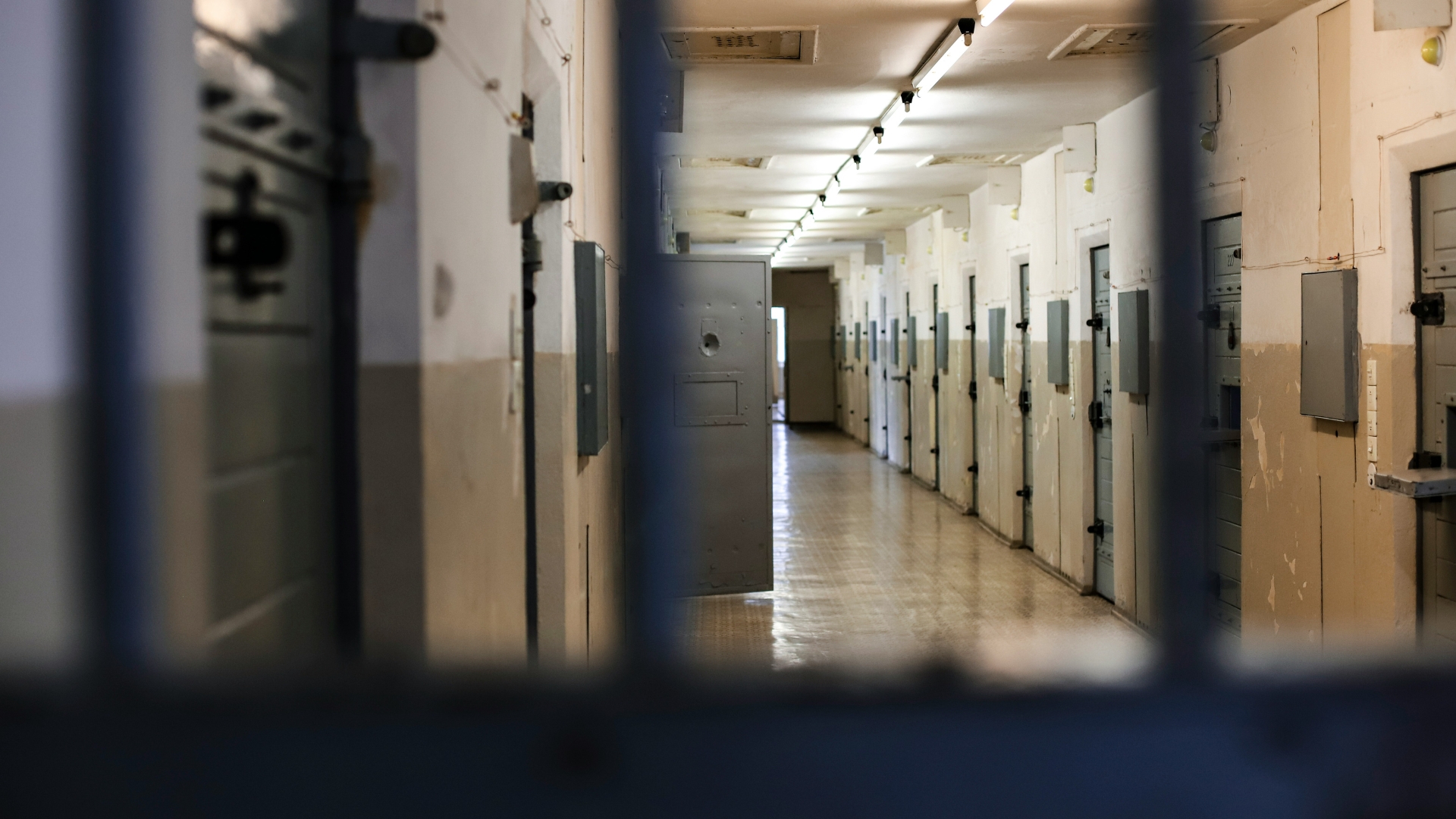
On 17 June 2026, Adnan was sentenced to three years in prison at Liverpool Crown Court, according to Merseyside Police. A schedule has also been set to recover the money he made from the scheme, targeting the accounts and assets built entirely on other people’s exams.
Senior Crown Prosecutor Andrew Madden said Adnan “created complex audit trails with his bank accounts to try and avoid detection” and “lived a lavish lifestyle to use up the money he made and avoid having to pay it back.” No disciplinary action against the 124 students who paid him has been made public, leaving the other side of this fraud unresolved.