Alito Calls Jackson’s Louisiana Redistricting Dissent ‘Baseless and Insulting’ as Justices Clash


The Supreme Court recently issued a ruling that sparked an unusually sharp written exchange between two of its justices. The court granted an unusual request from Louisiana Republicans, allowing a major voting rights ruling to take effect immediately rather than waiting the standard 32 days before the decision is certified and sent back to a lower court. Liberal Justice Ketanji Brown Jackson responded with a pointed dissent. Conservative Justice Samuel Alito, who authored the original ruling, fired back in writing, calling Jackson’s reasoning “baseless and insulting” and her charge against the court “a groundless and utterly irresponsible charge.”
The underlying dispute concerns redistricting. Louisiana is seeking to suspend its ongoing primary election so it can redraw congressional districts to take advantage of a recent ruling, which the conservative majority used to significantly weaken a key provision of the 1965 Voting Rights Act. The state aims to draw a new congressional map in time for this year’s election. The current map includes two majority-Black congressional districts held by Democrats, with the four remaining seats held by Republicans. Louisiana wants to replace the existing map with one that could change that balance.
The voting rights ruling at the center of this dispute was itself significant. The conservative majority held that states, including those with documented histories of discrimination against Black voters, can use their interest in maintaining partisan advantage as a defense when accused of diluting minority voting power. That ruling effectively greenlit the removal of majority-Black districts that had been drawn specifically to comply with the Voting Rights Act. The court’s subsequent procedural decision to allow that ruling to take immediate effect, bypassing normal certification timelines, is what triggered Jackson’s written response and the exchange that followed.
What Jackson Said
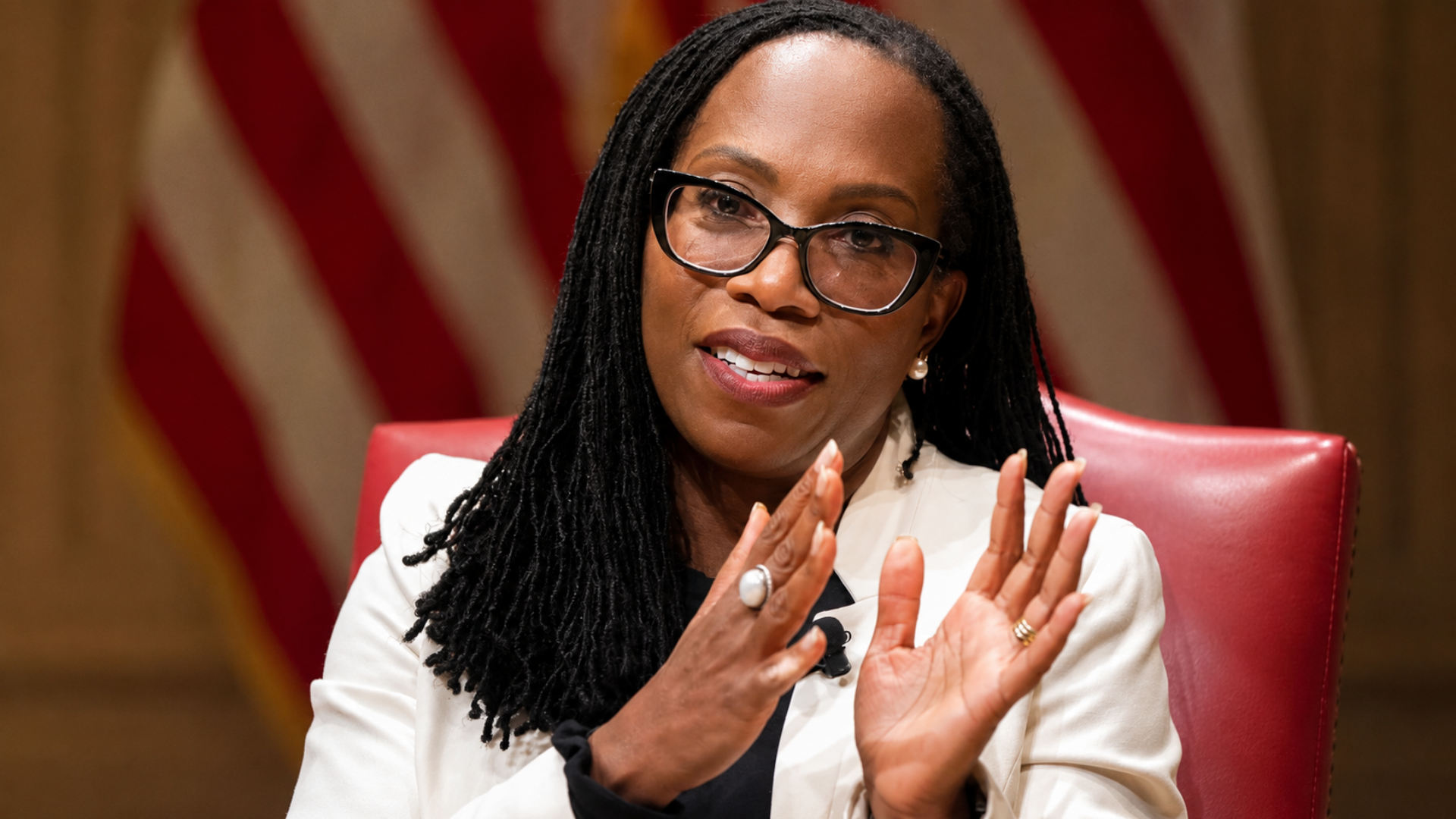
Jackson’s dissent focused on the procedural decision to bypass the court’s normal practices for issuing final judgments. She described the court’s action as “tantamount to an approval of Louisiana’s rush to pause the ongoing election in order to pass a new map.” Her criticism was directed not only at the substance of the underlying ruling but at the unusual speed with which the court allowed it to be implemented. Bypassing the standard 32-day window, she argued, is the kind of procedural step the court typically avoids, particularly in the context of ongoing elections.
Jackson noted that the Supreme Court has historically taken a dim view of last-minute changes to election procedures, a principle that courts at multiple levels have applied when parties seek to alter electoral rules close to an election. In her view, the court’s decision to allow Louisiana to immediately act on a ruling that could reshape congressional districts mid-primary contradicted that established caution. She described the court as choosing to “dive into the fray” in a manner she called “unwarranted and unwise.” The court’s other two liberal justices, Sonia Sotomayor and Elena Kagan, had dissented in the original underlying ruling but did not join Jackson’s opinion on the procedural question.
The fact that Sotomayor and Kagan did not join Jackson’s dissent on the procedural question is a notable detail. It means Jackson’s sharp characterization of the court’s conduct represents her own position rather than a unified liberal bloc response. Her decision to write separately and use strong language reflects a personal judgment about the significance of what the court did, one that her colleagues who share her general views on the underlying case apparently did not feel required the same level of public rebuke in written form.
How Alito Responded
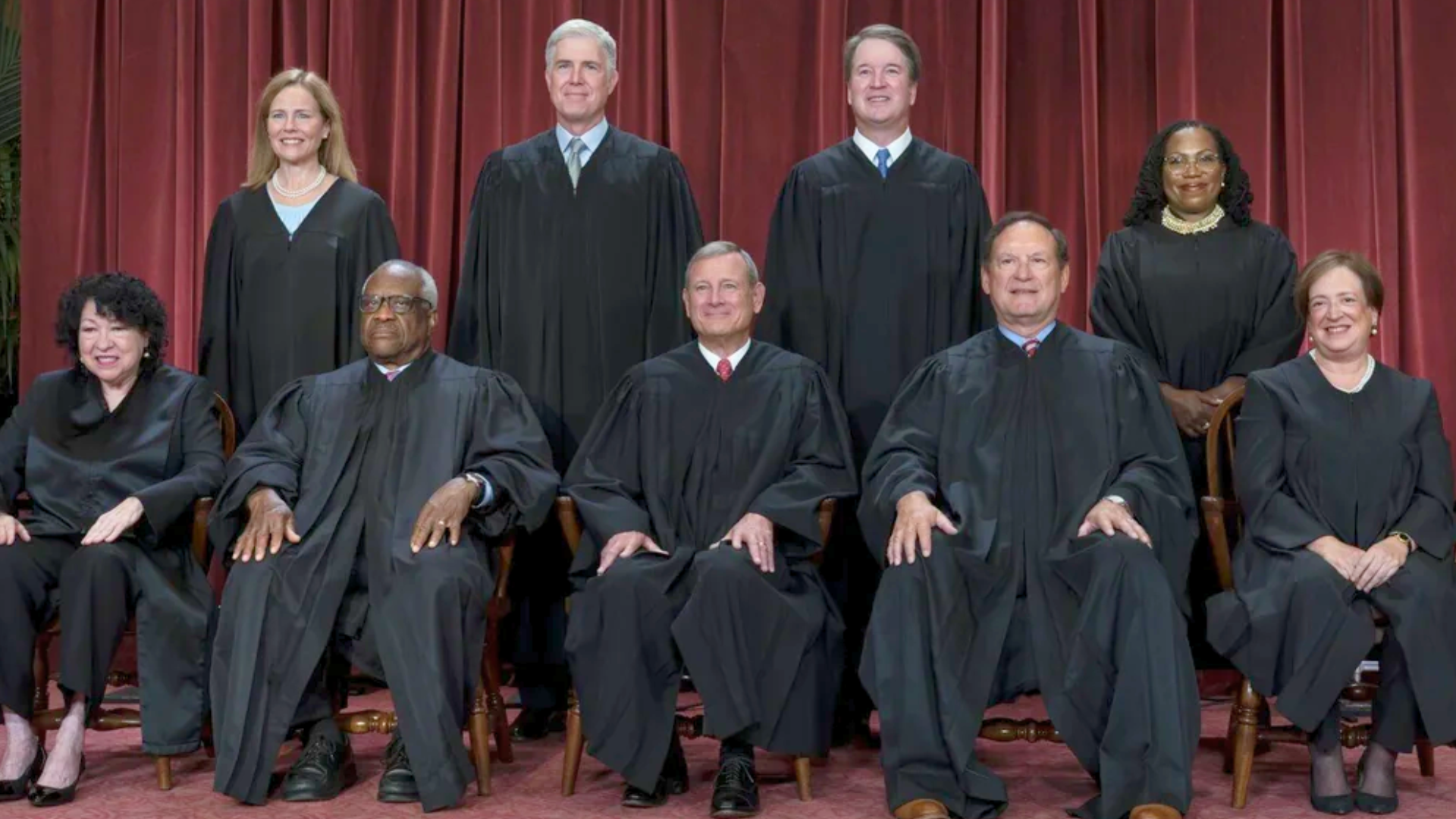
Alito’s written response was direct. He described Jackson’s reasoning as “baseless and insulting” and characterized her charge that the court was abusing its power as “a groundless and utterly irresponsible charge.” The language is notable for its sharpness. Supreme Court justices regularly disagree in writing, and dissents frequently characterize majority reasoning as wrong or harmful. Personal characterizations of a colleague’s argument as insulting and irresponsible are less common and reflect the intensity of the disagreement over both the substance of the underlying ruling and the procedural decision that followed it.
Alito authored the original ruling that weakened the Voting Rights Act provision at the center of this dispute. His decision to respond personally to Jackson’s dissent rather than allowing the procedural order to stand without comment signals that he viewed her characterization of the court’s conduct as something requiring a direct rebuttal on the record. When a justice who wrote the underlying ruling also writes a pointed defense of the procedural follow-up, it suggests the court’s conservative majority sees the criticism of its handling of this case as a challenge worth addressing directly, not just a dissent to be noted and set aside.
The exchange between Jackson and Alito is taking place against the backdrop of a congressional redistricting process in Louisiana that is moving quickly. The state is seeking to pause its primary election to allow time to draw a new map. The current map, with two majority-Black Democratic districts and four Republican seats, was drawn to comply with the Voting Rights Act provision that the recent ruling significantly weakened. Whether Louisiana succeeds in redrawing that map in time for this year’s election will depend on proceedings in lower courts, but the Supreme Court’s decision to allow immediate effect of its ruling has given the state a significant procedural advantage in that effort.
What This Case Means for Voting Rights and Why Americans Should Pay Attention

The recent ruling by the conservative majority addressed a specific and consequential provision of the 1965 Voting Rights Act. The court held that states accused of diluting minority voting power can use their interest in partisan entrenchment as a defense. That legal standard changes how states can draw congressional districts and how future Voting Rights Act challenges can be brought and argued. The immediate practical effect is visible in Louisiana, where the ruling has opened the door to replacing majority-Black districts that were drawn specifically because the Voting Rights Act required them.
The procedural dimension of the court’s subsequent order adds a layer to the substantive one. A ruling that takes effect immediately, before the standard certification window closes, gives a state the ability to act on that ruling in a compressed timeframe that opponents of the change have less time to respond to in court. Jackson’s dissent argued that this procedural acceleration was itself a form of taking sides in the ongoing election dispute, giving Louisiana a head start in reshaping its congressional map before any further legal challenges could slow the process. Alito’s response rejected that characterization entirely.
The public written clash between Jackson and Alito is a window into a court navigating consequential disagreements about voting rights, race, and political power in real time, with congressional elections approaching. The sharpness of the language each justice used reflects the stakes both sides attach to this specific case and to the broader direction of Voting Rights Act jurisprudence. For American voters, particularly in states with histories of racially contested redistricting, the outcome of Louisiana’s map-drawing process and the legal standards the court has now established will shape who draws the lines that determine whose votes carry the most weight in congressional races for years to come.