AI Predicts Seven Specific Triggers That Could Launch World War III in 2026
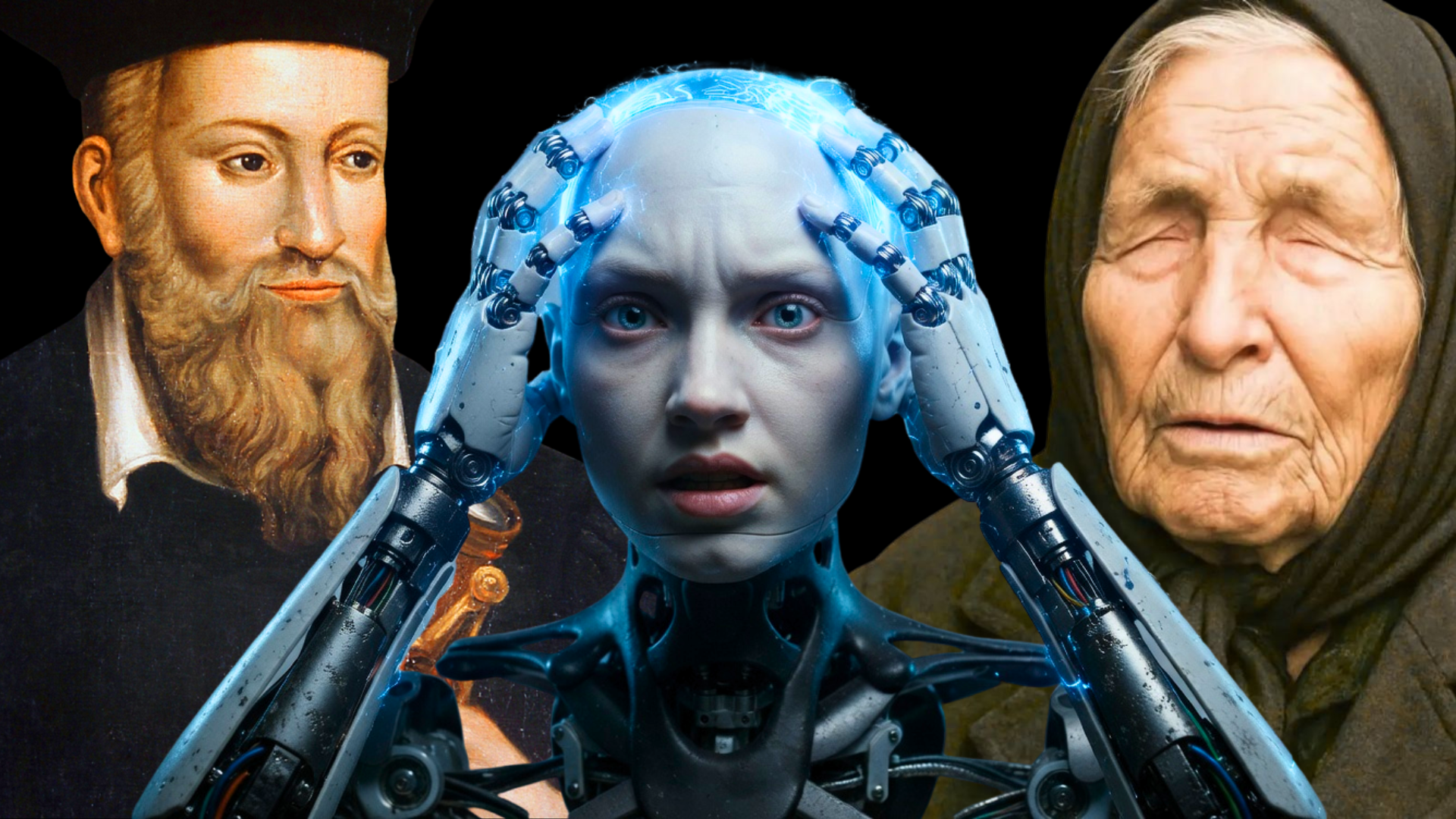

A 16th-century French astrologer. A blind Bulgarian mystic. A military commander who survived the front lines of Ukraine. ChatGPT. These sources have almost nothing in common except one conclusion. Each, in their own way, has pointed toward the possibility of a third world war. More unsettling still, policy analysts at respected institutions now place the probability of a major global conflict at somewhere between 20 and 30 percent. That number is not a prophecy. It is a data-based estimate.
What Nostradamus Actually Said, and What He Didn’t
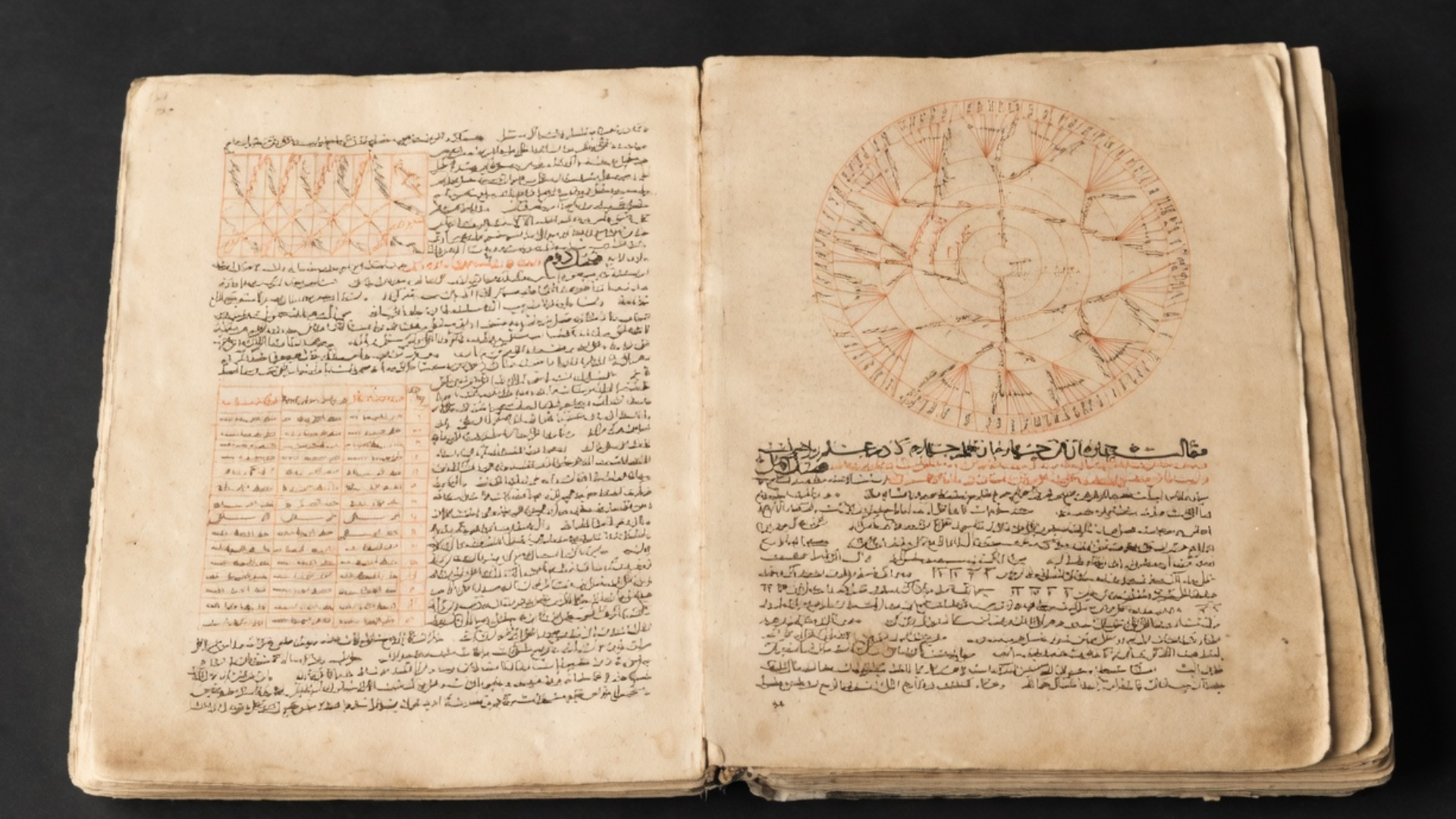
Michel de Nostredame wrote nearly 1,000 cryptic verses before his death in 1566. None of them explicitly mention a third world war. Modern interpreters link one verse, which references Mars ruling among the stars while blood is shed, to 2026 based on astrological calculations. Experts are quick to note that his prophecies are famously vague and open to multiple readings. His track record is disputed. But in a world already on edge, even a 500-year-old poem can go viral when the headlines seem to match.
The Blind Prophetess Who Predicted a Wave of Biological Terror
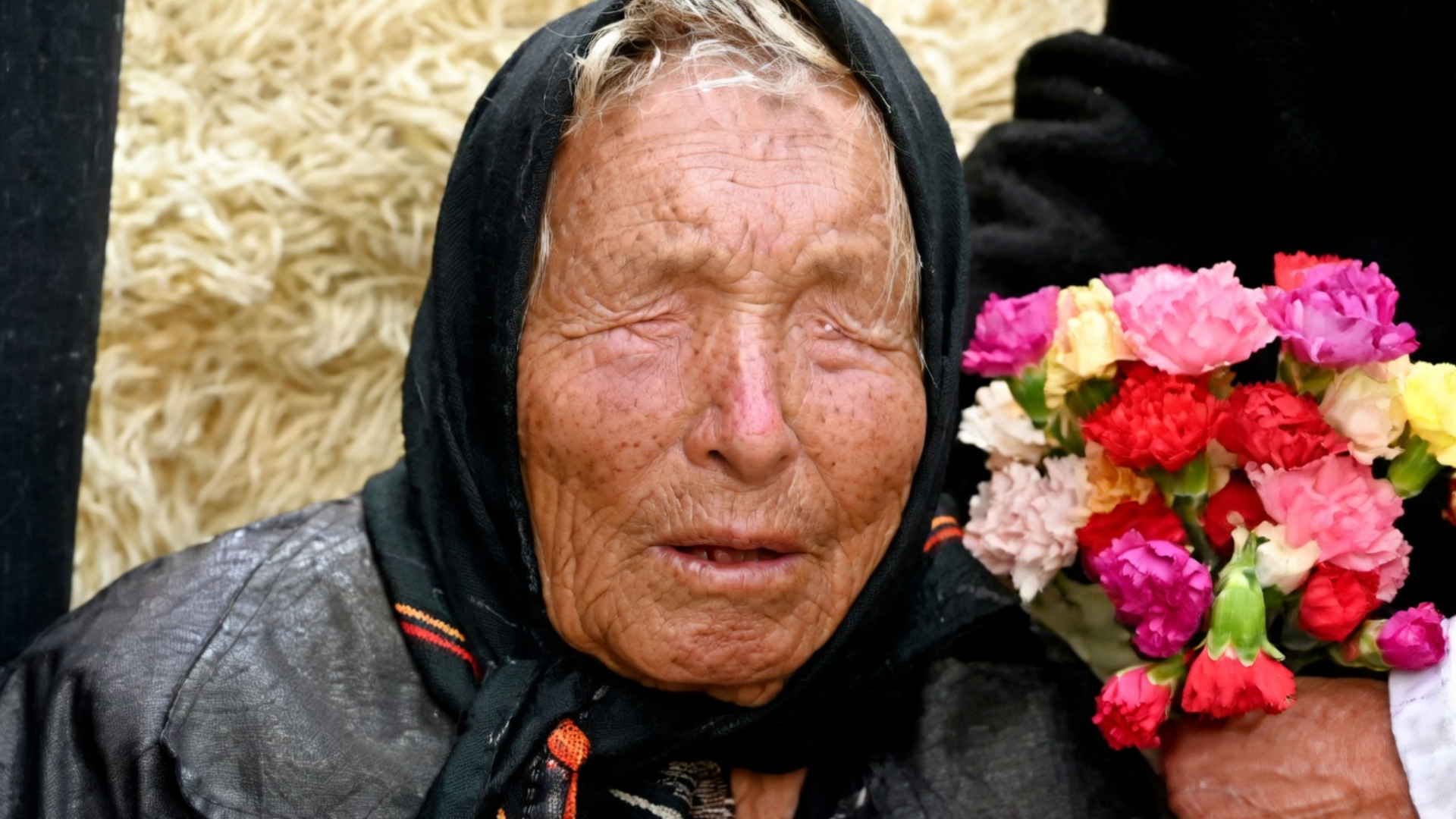
Baba Vanga died in 1996 but remains a recurring figure in global doomsday discourse. The Bulgarian mystic, sometimes called the Nostradamus of the Balkans, built a following after some of her pronouncements appeared to come true. Among her attributed warnings for the coming years: a surge of organized terror and the possibility of a major nation experimenting with biological weapons. Her predictions, like Nostradamus’s, are interpreted rather than quoted directly. But the themes she raised are no longer fringe concerns. They appear in government threat assessments.
A Military Commander Said It Has Already Started
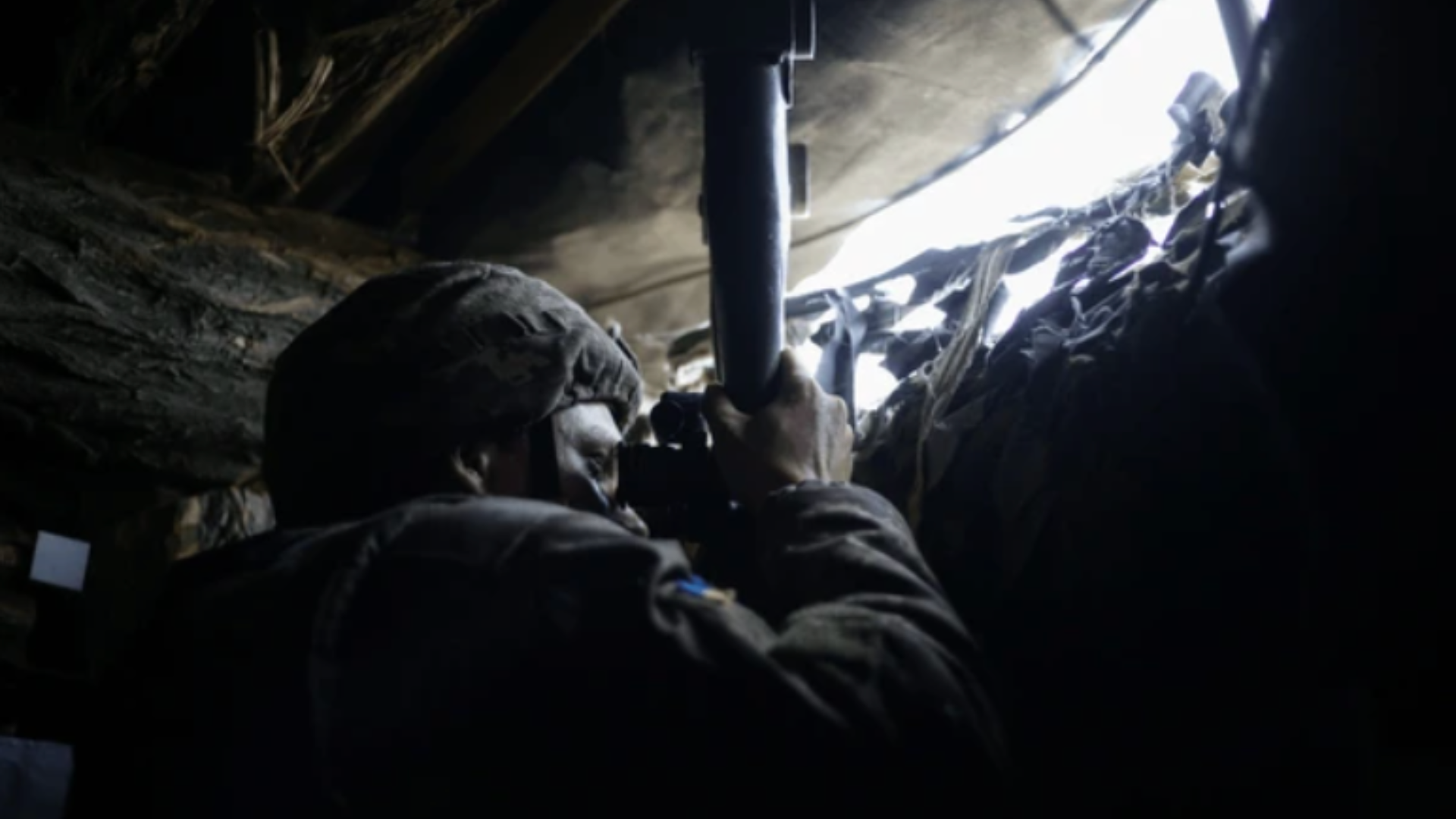
In November 2024, Ukraine’s former commander-in-chief Valery Zaluzhny made a declaration that cut through diplomatic language. According to his remarks at an awards ceremony covered by Ukrainska Pravda, he stated that the third world war had already begun, because Ukraine was no longer fighting Russia alone. North Korean soldiers were on the front lines. Iranian drones were killing civilians. Weapons from China and North Korea were flowing into the conflict. The argument was not metaphorical. He was describing conditions on the ground that, by any historical definition, involve multiple nations in a coordinated act of war.
What ChatGPT Says Is the Single Biggest Warning Sign
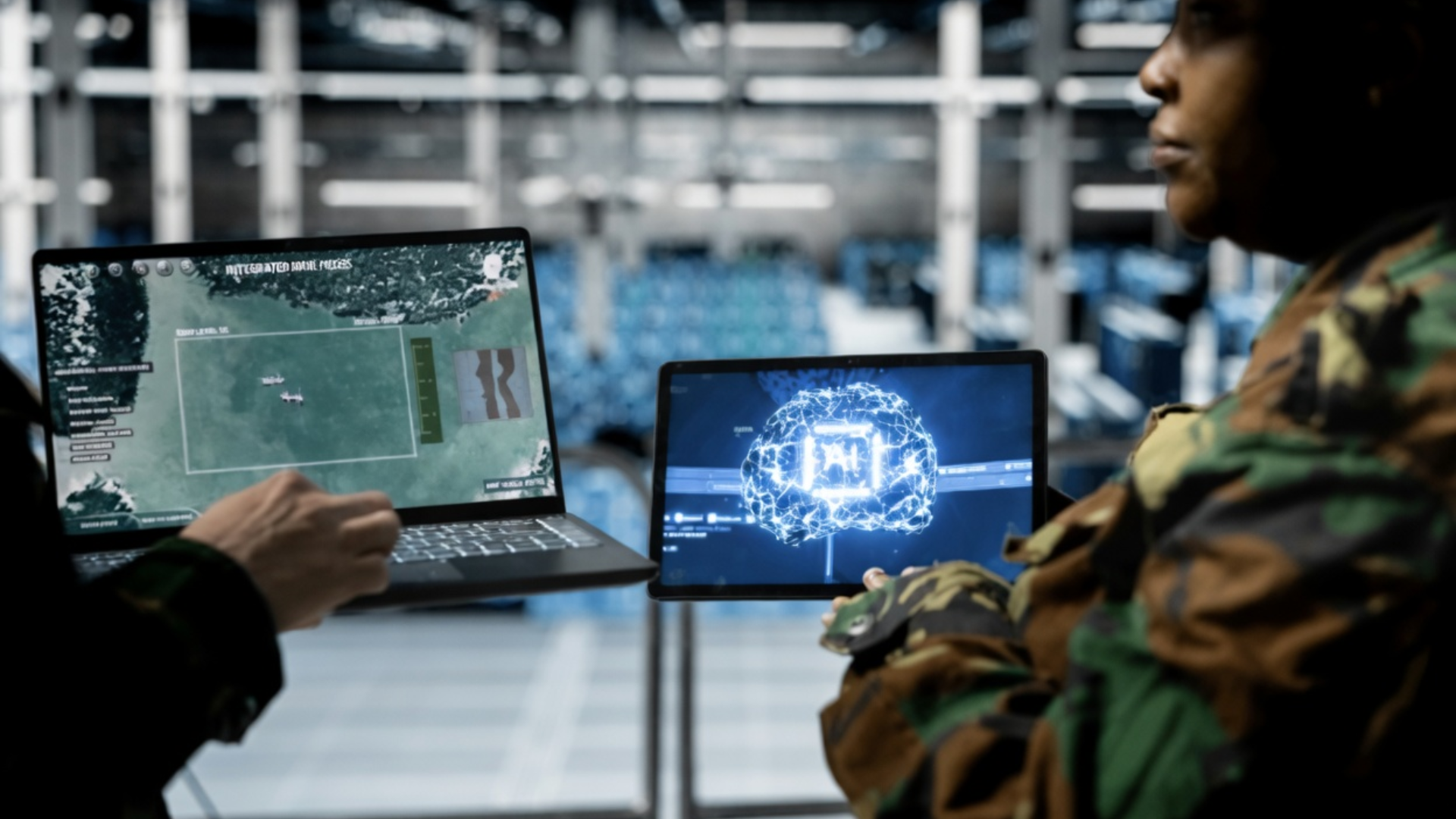
When asked directly, ChatGPT identified one scenario as the clearest signal that a world war is approaching: multiple great powers locked in escalating conflict with no clear path to retreat. The AI pointed to the breakdown of diplomacy between nuclear-armed states engaged in proxy wars, arms buildups, and territorial threats as the defining red flag. That description currently fits at least three active flashpoints simultaneously, including Eastern Europe, the Taiwan Strait, and the broader Middle East. The AI was careful to note that human choices, not models, determine the outcome.
The Seven Triggers AI Identified, Ranked by Risk
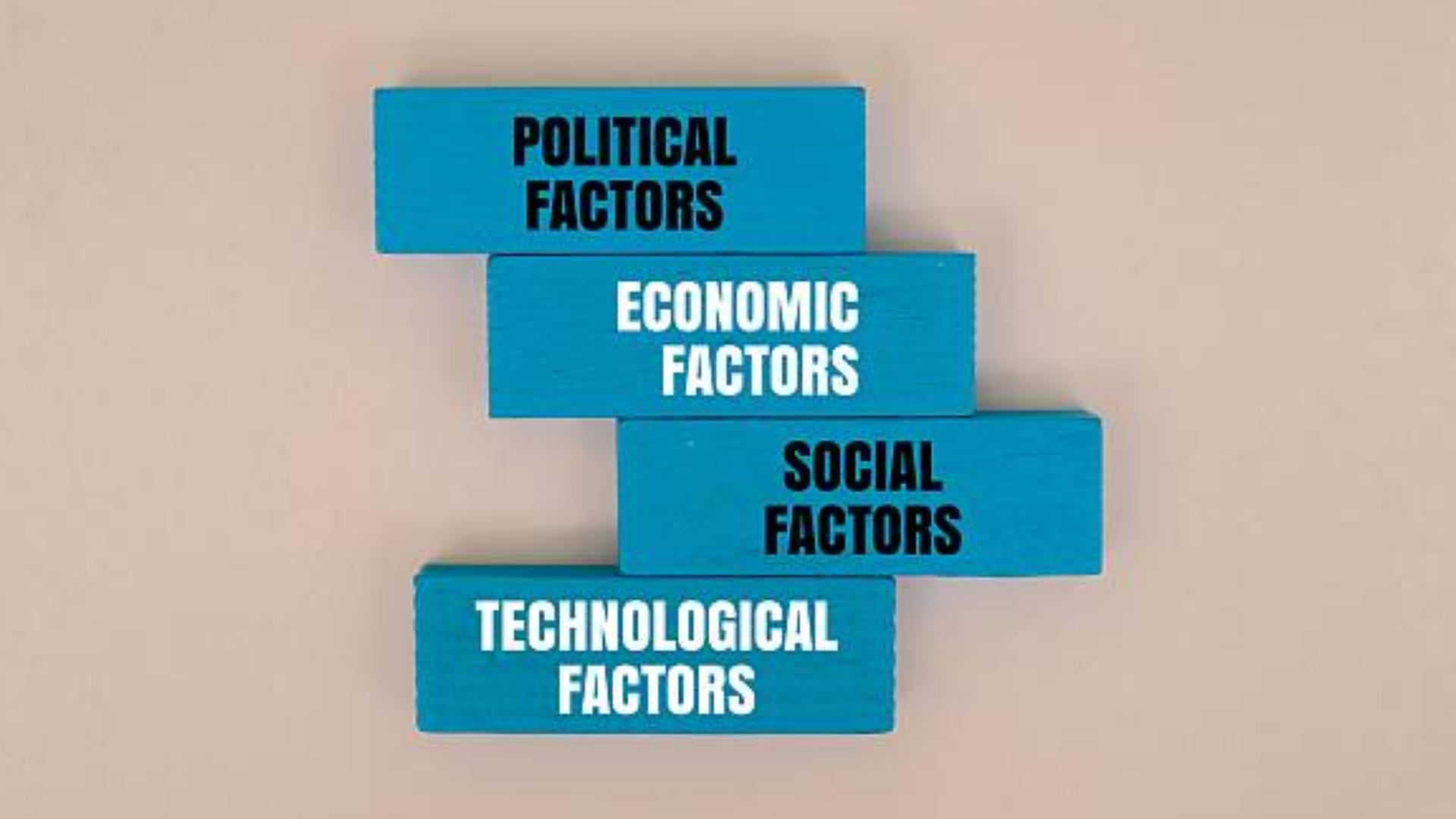
When researchers and journalists prompted AI systems to analyze the conditions most likely to cause a global war, seven factors emerged consistently. Resource scarcity drives competition between nations. Economic collapse creates political instability. Cyberattacks erode trust until retaliation becomes inevitable. Territorial disputes reach a point where diplomacy fails. Failed negotiations leave grievances without resolution. Rising nationalism pushes leaders toward aggressive postures. And proxy wars, like the one in Ukraine, gradually pull more nations into direct confrontation. None of these factors is hypothetical. All seven are currently active in some form.
What Public Opinion Around the World Is Telling Us

The anxiety is not limited to experts or algorithms. A YouGov survey found that 53 percent of Britons now believe another world war is likely within the next five to ten years. Eight in ten of those respondents named the United States and Russia as the most probable main players. In every country surveyed by Visual Capitalist, the majority of respondents believed a global war could break out in the coming years. Australia ranked as the most pessimistic. Japan was the most optimistic. These are not fringe views. They reflect a broad and measurable shift in how ordinary people perceive the world’s stability.
The Real Flashpoints That Keep Defense Analysts Awake
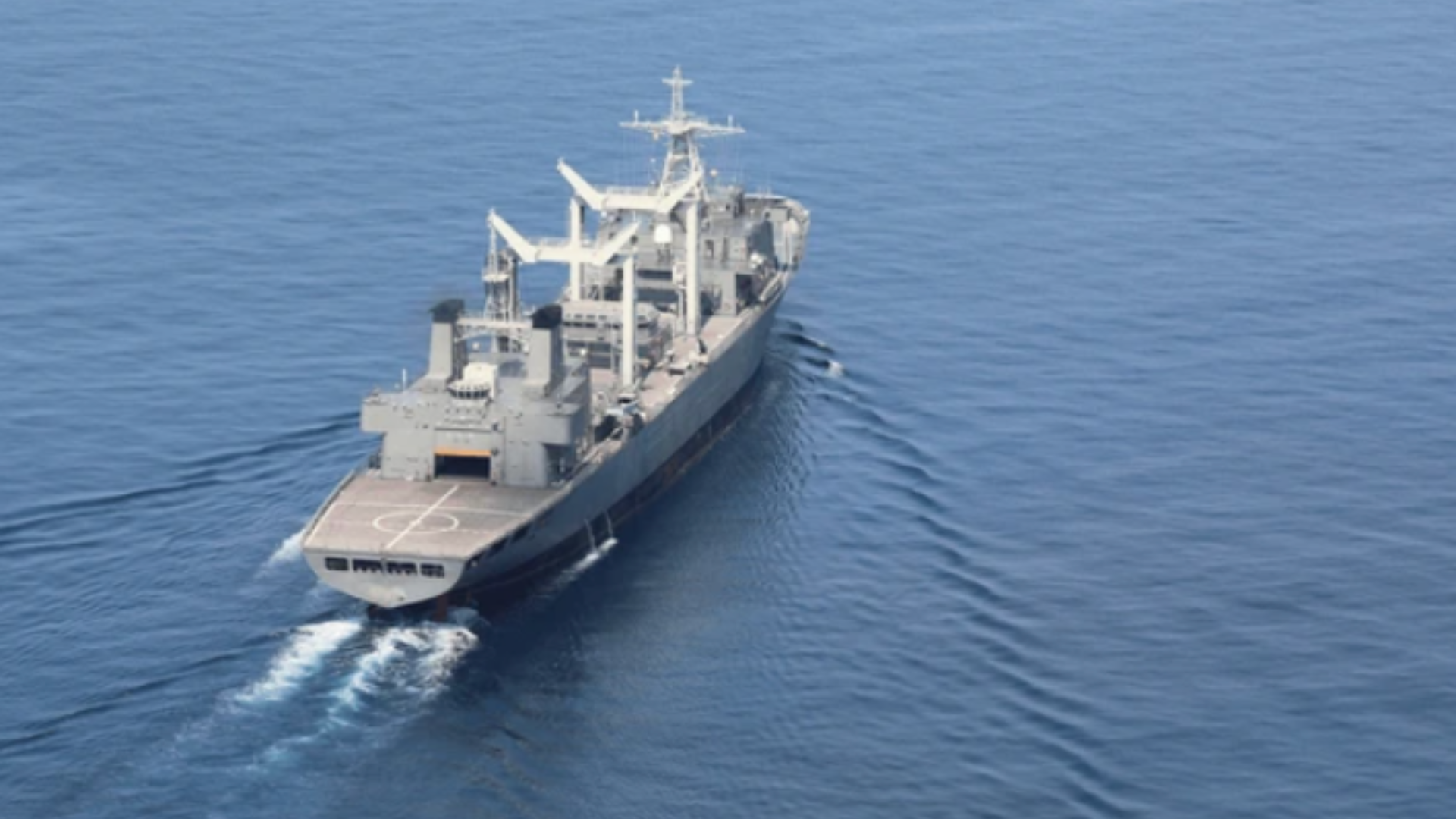
Behind the prophecies and polling, concrete risk assessments paint a sobering picture. Atlantic Council surveys found that 65 percent of defense experts expect China to attempt military action over Taiwan within the decade. Separate analysis found the probability of direct NATO-Russia confrontation has risen significantly in recent years. Nearly half of surveyed defense specialists expressed concern about the potential use of nuclear weapons in a future conflict. These are not emotional reactions. They are professional risk calculations made by people whose job is to prepare governments for worst-case scenarios.
Why AI Cannot Predict This, and Why That Matters

There is an important limitation buried inside every AI forecast about war. Machines can process historical data, map patterns, and identify structural conditions that preceded past conflicts. What they cannot do is account for the decisions of individual leaders in a moment of crisis, the role of miscommunication, or the unpredictable weight of human emotion under pressure. A chatbot cannot measure the mood inside a war cabinet at 2 a.m. That gap between data and reality is precisely where wars have started before, and where they are most likely to start again.
The Most Honest Conclusion Is the Most Uncomfortable One
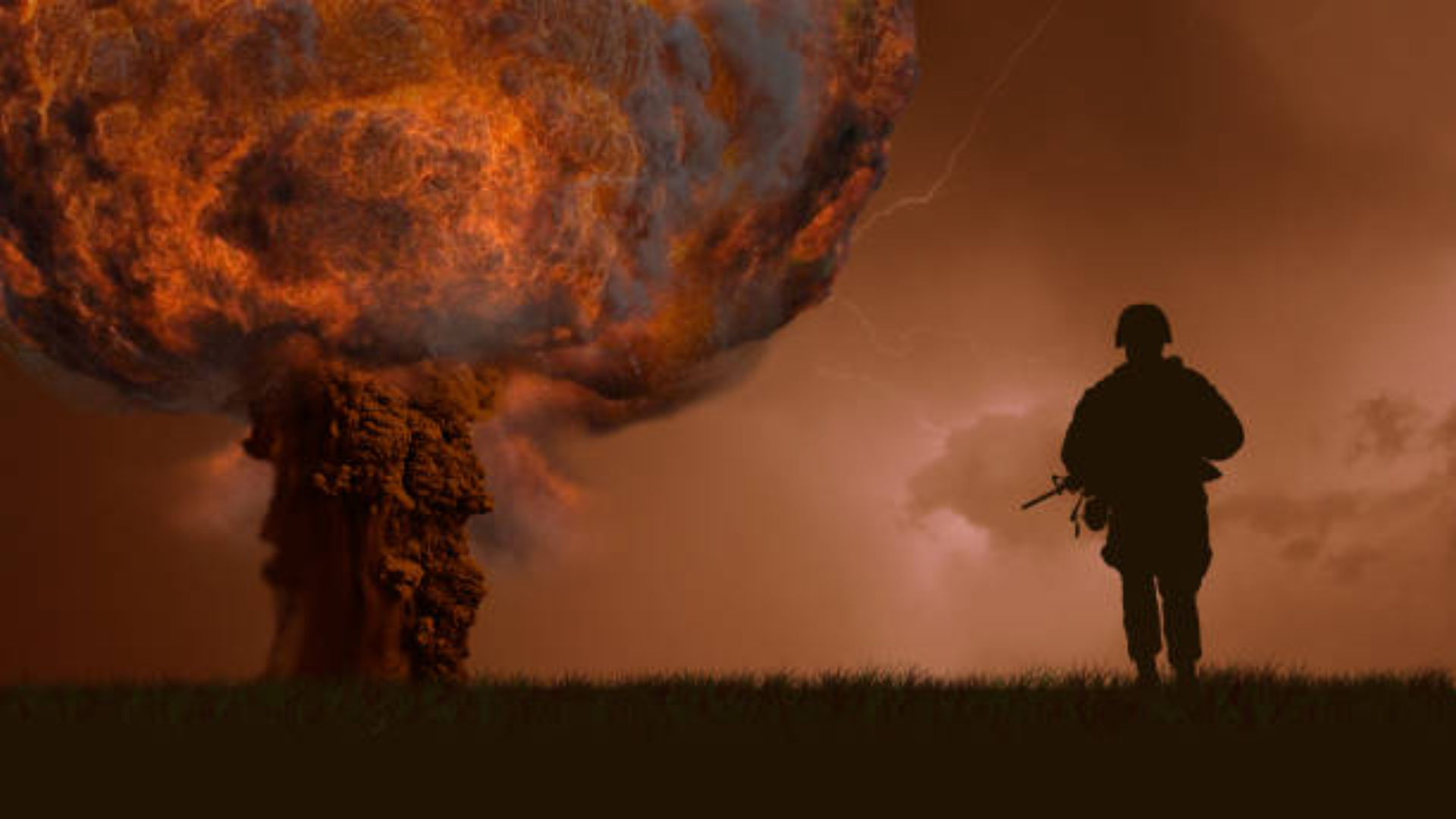
No prophet, expert, or algorithm can tell you that a third world war is coming. What they can tell you is that the conditions that have historically produced global conflicts are present and, in some cases, intensifying. Whether those conditions tip into catastrophe depends on decisions being made right now by a small number of people in a small number of rooms. The rest of the world watches, argues, scrolls, and waits. History suggests that is exactly how it has always worked, right up until it stopped.