Could AI Help Stop the Next Coronavirus Outbreak? A New Vaccine Just Passed Its First Human Trial
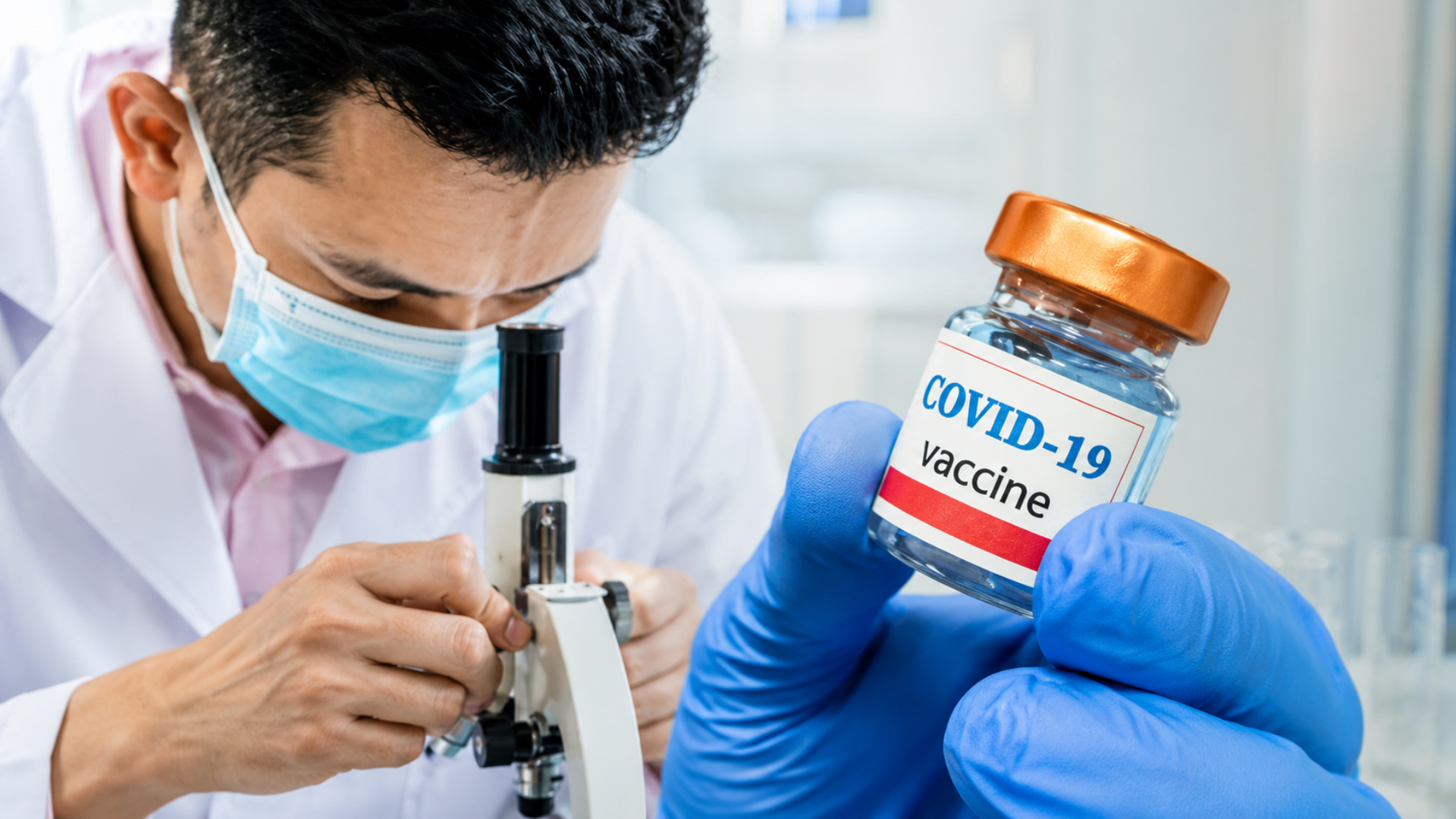

You schedule your annual booster shot, wondering if medical science will ever stop chasing mutated viral strains. That endless cycle might soon end. A revolutionary vaccine candidate created entirely by computer simulations has successfully passed its first human safety trial. This experimental dose protects against a broad family of viruses rather than a single circulating variant. By predicting mutations before they emerge, the tech aims to shield humanity from future pandemic threats.
University Clinical Trials Confirm First Phase Safety Success

This medical breakthrough comes from the University of Cambridge and its specialized spinout entity, DIOSynVax Limited. Rather than relying on speculative theories, researchers published their formal clinical data in the peer reviewed Journal of Infection. A controlled group of thirty-nine healthy human volunteers participated in the rigorous safety evaluation. The published findings confirm the vaccine is completely safe and produced no significant side effects during monitoring.
Trial Group Validates Wide Ranging Immune System Responses
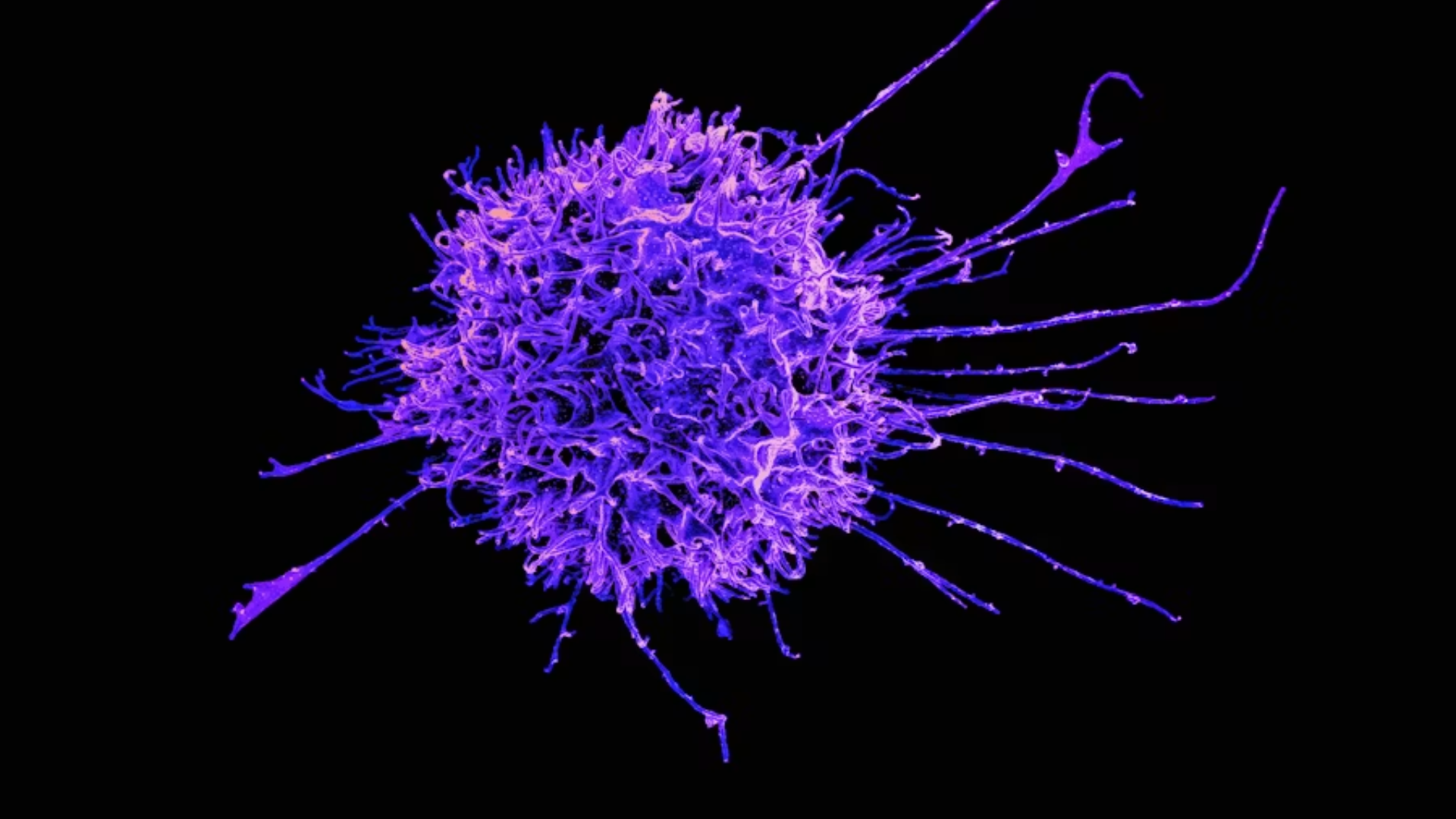
The primary clinical data underscores a massive shift in how vaccines interact with human biology. The initial phase focused on thirty-nine healthy participants aged eighteen to fifty. Lab results confirmed the vaccine successfully triggered strong immune responses against multiple distinct viruses simultaneously. The dose successfully blocked known pathogens like SARS and COVID-19, alongside separate animal coronaviruses that have not yet made the jump into humans.
Computational Antigen Design Defies Traditional Biological Frameworks

This trial completely upends traditional pharmaceutical methods, which require physically harvesting or replicating live viral strains. Instead, researchers deployed machine learning algorithms to map global genetic data collected from wild animal populations. The artificial intelligence analyzed these diverse codes to isolate core structural features shared across an entire virus family. Computer simulations then synthetically built a singular, optimized super antigen capable of training human defenses against multiple threats.
Academic Research Directors Overhaul Reactive Medical Systems

The scientific initiative was led by Professor Jonathan Heeney at the University of Cambridge Department of Veterinary Medicine. Heeney and his viral zoonotics team focused on changing vaccine development from a reactive scramble into a future proof defense system. By targeting the shared genetic roots of a viral family, the technology removes the need to constantly update boosters, allowing public health agencies to get ahead of natural mutations.
Chief Investigators Warn Reactive Systems Struggle Daily
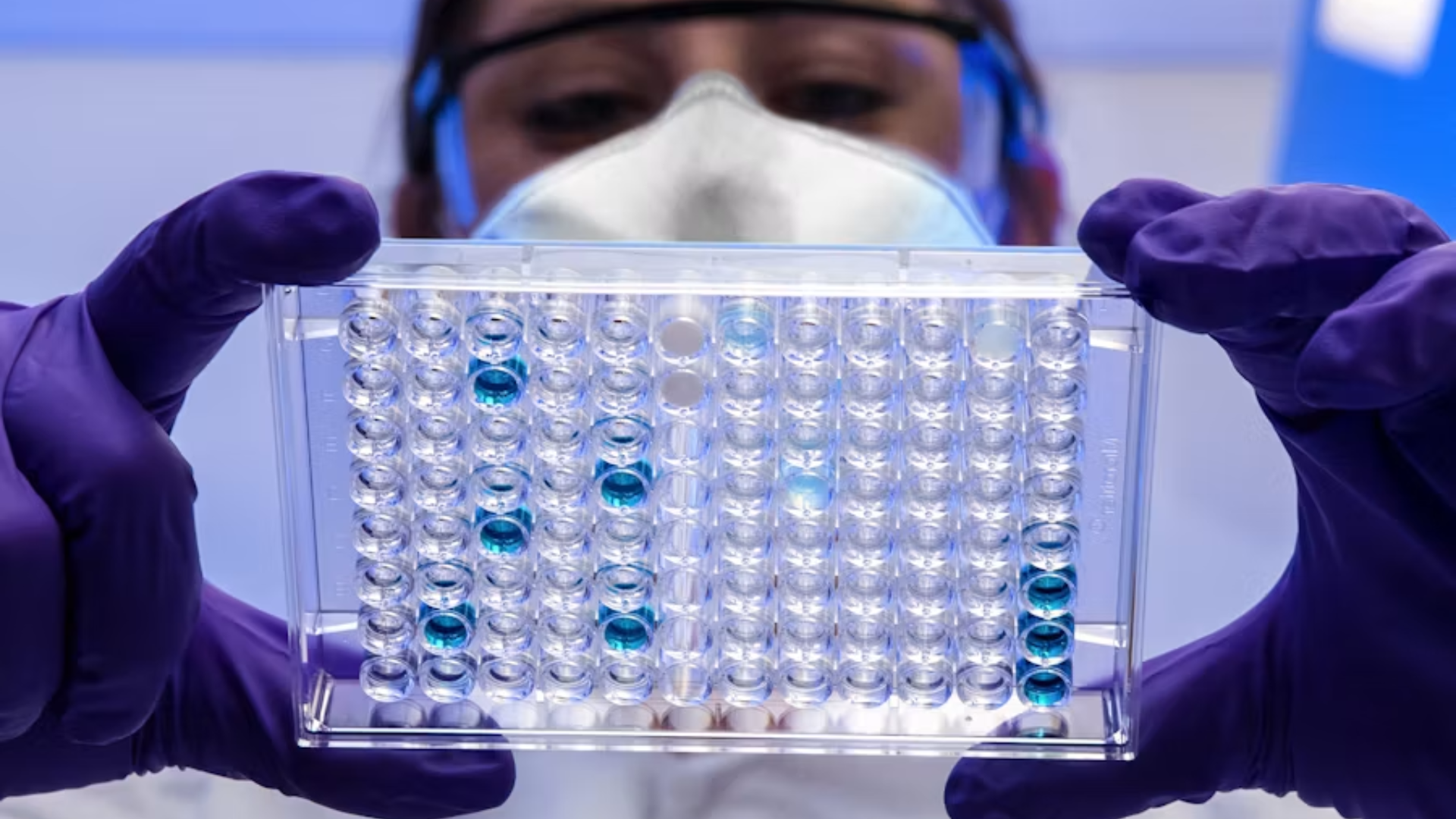
“Viruses like Influenza, Coronaviruses and the Ebola group are evolving continuously and by the time vaccines are rolled out, they may be poorly matched — the current ‘reactive’ vaccine system struggles to keep pace.” This assessment was delivered by Professor Saul Faust, the trial’s chief investigator from the University of Southampton, highlighting the critical vulnerabilities of current manufacturing pipelines.
Needle Free Jet Technology Resolves High Volume Campaign Hurdles
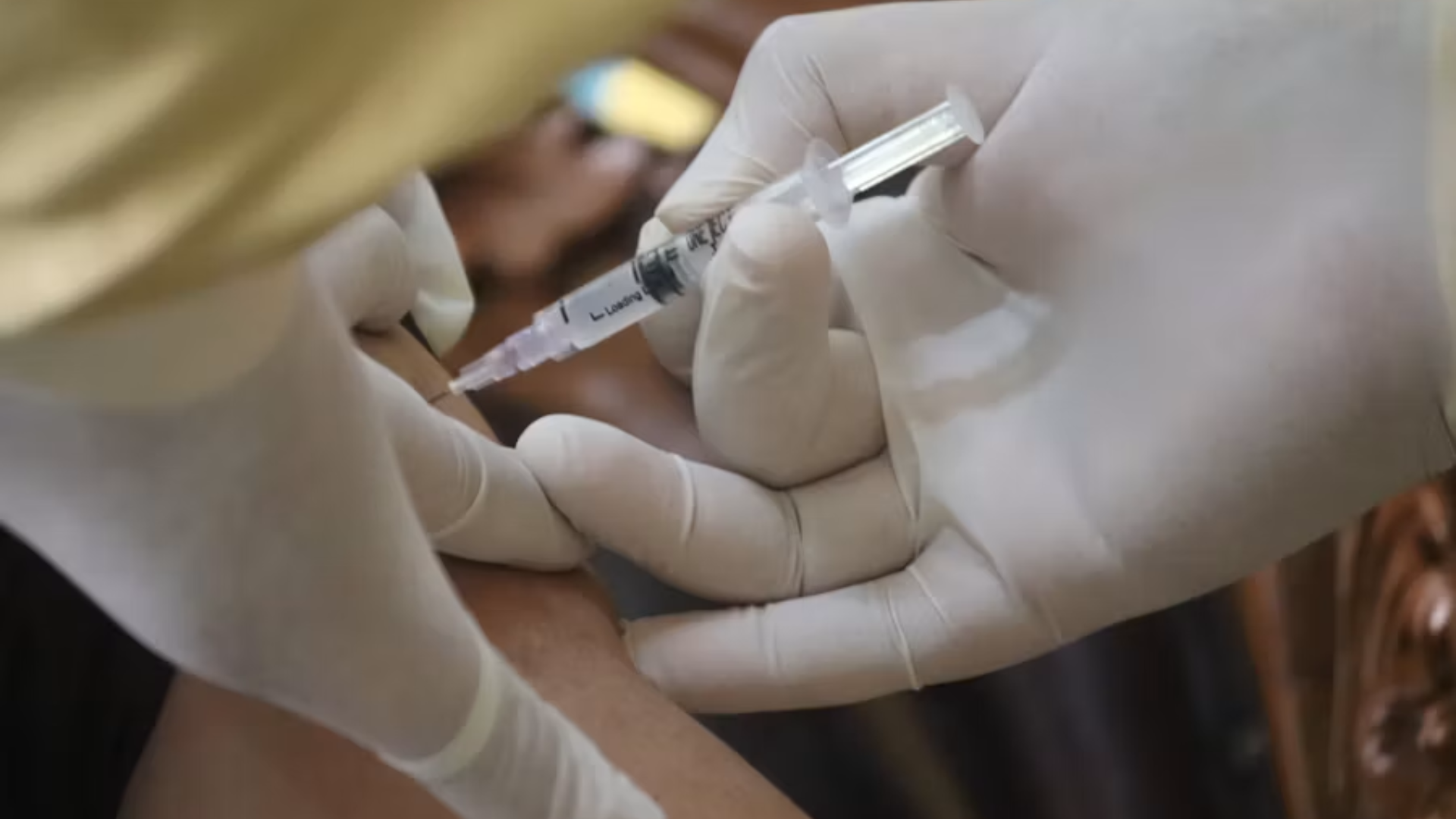
The clinical deployment introduces a secondary layer of innovation that resolves deep seated logistical problems for medical providers. Instead of using standard metal needles, clinicians administered the experimental DNA dose via a micro fluid jet system. This needle free application uses high pressure fluid streams to deliver the vaccine through the skin. The technology aims to drastically accelerate large scale public health campaigns while accommodating patients who fear traditional injections.
Global Laboratories Expand Technology to Battle Ebola Strains

This specific clinical success represents a single component of a broader, systemic push to revolutionize international biosecurity infrastructure. Government funding agencies, including Innovate UK, are heavily backing these synthetic platform frameworks. The underlying machine learning models are already being adapted to target other highly unstable pathogen groups. Separate development pipelines are currently focusing on seasonal influenza, pandemic bird flu threats, and deadly hemorrhagic Ebola viruses.
General Public Facing Lower Annual Health Care Expenditures

For ordinary American citizens, the realization of a universal vaccine platform promises to drastically reduce the personal burdens of modern healthcare. Navigating constant, confusing booster schedules costs the average family both valuable time and money every year. A single, comprehensive dose that remains effective across decades would lower insurance premiums and reduce workplace absenteeism. More importantly, pre emptively stopping a pandemic threat means protecting household budgets from the devastating financial inflation of public lockdowns.
Ongoing Research Preserves Economies Long Into The Future

The successful completion of this thirty-nine person trial is merely the opening chapter of a much larger transition. While a larger Phase 2 study is currently being organized to test a broader group, the baseline platform is officially established. A decision to build universal defenses will outlast current viral strains, ensuring that future generations look back at this computational trial as the moment humanity finally escaped the constant cycle of chasing mutations.