Historic 37% Surge In ACA Health Deductibles Follows Expiration Of Enhanced Federal Subsidies
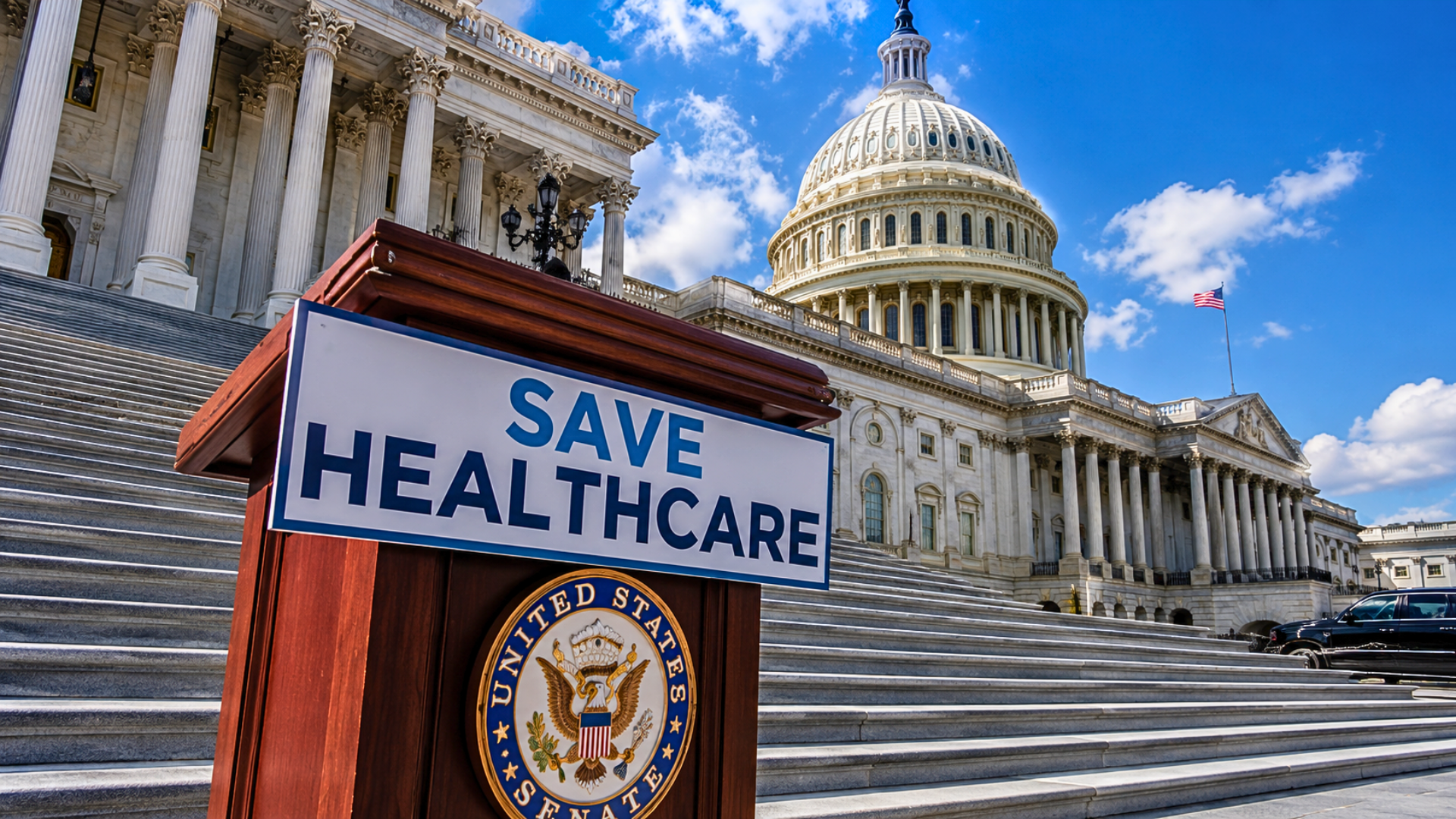

For millions of Americans who buy their own health insurance through the ACA Marketplace, 2026 brought a financial shock that arrived without much warning. A new analysis published by KFF, the nonpartisan health policy research organization, on May 19, 2026, documents what happened when enhanced premium tax credits that had been in place since 2021 expired at the end of 2025: the average deductible rose by $1,027 to a record $3,786, monthly premiums jumped 58 percent, and enrollment is projected to fall by nearly 5 million people. The numbers represent the largest single-year disruption to the ACA Marketplace since the program launched.
How the Subsidies Worked and Why They Are Gone

The enhanced premium tax credits were created by the American Rescue Plan in 2021 and extended through 2025 by the Inflation Reduction Act. They worked by expanding eligibility for premium assistance and reducing how much people paid each month for ACA Marketplace coverage, even for middle and upper-middle income households that had not previously qualified. At their peak, 92 percent of ACA Marketplace enrollees received premium tax credits. When Congress did not renew them at the end of 2025, those subsidies disappeared for millions of households. The Trump administration did not advocate for their renewal. For people who had relied on those credits, the first bill of 2026 looked very different from the last bill of 2025.
The Deductible Increase Is the Largest in ACA History

The average ACA Marketplace deductible rose from $2,759 in 2025 to $3,786 in 2026, an increase of $1,027 or 37 percent. KFF described it as the steepest single-year increase in the program’s history. The deductible is the amount a person pays out of pocket before their insurance coverage begins covering most costs, which means that people with higher deductibles effectively have insurance that covers less until they spend significantly more of their own money. A $3,786 average deductible means that for most non-preventive care, the financial exposure for an insured person is now nearly $4,000 before the plan provides meaningful protection.
Monthly Premiums Also Rose Sharply

The average net monthly premium payment, meaning the amount paid after accounting for any remaining tax credits, rose 58 percent from $113 per month in 2025 to $178 per month in 2026. That increase is lower than the 114 percent jump KFF had originally projected, for a specific reason: many enrollees avoided the full impact by switching to cheaper plans with higher deductibles rather than keeping their existing coverage. In other words, the headline premium number stayed lower than feared partly because many people are now enrolled in worse insurance. A KFF survey found that 80 percent of returning Marketplace enrollees reported higher premiums, deductibles, or cost-sharing in 2026 compared to 2025, with 51 percent saying costs are a lot higher.
A Mass Migration Away From Better Plans

The most visible structural change in the 2026 ACA Marketplace is a dramatic shift in the type of plans people are choosing. Bronze plan enrollment, which carries lower monthly premiums but significantly higher out-of-pocket costs when care is needed, jumped from 30 percent to 40 percent of all plan selections, growing from 7.3 million to 9.2 million people. Silver plan enrollment, which provides more balanced cost-sharing and had historically been the most popular tier, fell to a record-low 43 percent of selections, dropping from 13.7 million to 9.8 million people. It is the first time in the program’s history that fewer than half of ACA consumers chose a silver plan.
Who Is Being Hit the Hardest

The KFF analysis identified the households facing the steepest impact. People with incomes above 400 percent of the federal poverty level were newly eligible for subsidies under the enhanced credits, meaning they are now losing assistance they had recently gained. This group, sitting just above the subsidy eligibility cutoff, accounted for 27 percent of enrollment losses despite representing a relatively small share of the total pool of enrollees. Self-employed workers, gig economy workers, and anyone without employer-sponsored insurance are disproportionately represented among those shopping on the ACA Marketplace, making them the population most exposed to these changes.
Nearly 5 Million People May Lose Coverage by Year’s End

During the 2026 Open Enrollment Period, roughly 23 million people signed up for Marketplace plans, the sharpest single-year drop in raw numbers since the ACA launched. Effectuated enrollment, meaning people who actually paid their premiums and maintained active coverage, is projected by consulting firm Wakely to fall from 22.3 million in 2025 to as low as 17.5 million by the end of 2026. That projected drop of nearly 5 million people reflects both the households that chose not to enroll and those who signed up but are expected to stop paying premiums mid-year as bills pile up. KFF noted that a significant number of enrollees signed up but never paid their first premium.
Cheaper Plans Do Not Mean Cheaper Care

The shift to bronze plans has a consequence that is easy to miss when comparing monthly premium statements. A person who moved from a silver plan to a bronze plan may see a lower monthly premium but will face much higher out-of-pocket costs the first time they actually use their insurance. Alex Beene, a financial literacy instructor at the University of Tennessee at Martin, told Newsweek that the surprising element of the KFF findings was the scale of the move into higher-deductible bronze plans, describing it as a sign of a marketplace where some Americans technically maintained insurance but may still struggle to afford care when they need it. Having coverage and being able to afford to use it are not the same thing.
The Cascade Effect on the Broader Health System

When healthy, younger enrollees leave the Marketplace because premiums become unaffordable, the remaining pool skews older and sicker, which drives premiums higher for everyone still enrolled. Kevin Thompson, CEO of 9i Capital Group, told Newsweek that when people drop coverage and eventually need care, hospitals are still required under federal law to provide emergency screening and stabilizing treatment. Those costs do not disappear; they are absorbed by the hospital and then passed through to insurers and ultimately to insured consumers as higher premiums. KFF noted that the share of enrollees receiving premium tax credits fell from 92 percent to 87 percent in 2026, the first decline since 2020.
The Data Is Still Coming In. The Bills Are Already Here.

KFF noted that more complete enrollment data will be available later in 2026 as mid-year patterns emerge. Insurers may raise premiums further in response to the enrollment losses and the shift toward a sicker, older risk pool. Whether Congress revisits subsidy policy will depend on budget negotiations and political conditions that are difficult to predict. What is already documented is that 51 percent of returning ACA enrollees say their costs are a lot higher this year. A separate KFF survey found that 67 percent of Marketplace enrollees said they would likely cut spending on basic household needs if their annual health costs rose by $1,000. For millions of Americans, that increase has already arrived.