A Virginia County’s Electricity Bill Is Rising 25% and It Is Asking Employees to Unplug Their Chargers

Henrico County, Virginia, hosts 37 data centers and has plans for 17 more. Yet starting July 1, its own employees, including public school teachers, are being told to unplug chargers and shut off lights to save money. The reason: electricity rates for county and school buildings are jumping nearly 25%, according to Newsweek.
The Email That Started It All

On June 26, County Manager John Vithoulkas sent thousands of employees a warning. Beginning July 1, the rate paid for electricity at all Henrico government and school facilities would “increase dramatically,” adding an estimated $5 million in costs for the next fiscal year. He added that Henrico should expect more increases in the years ahead, a signal this was not a one-time spike.
Small Sacrifices, Big Ask

Vithoulkas laid out specific steps for staff. Turn off lights when leaving a workspace. Shut down computers and laptops at day’s end. Close blinds to block sunlight and heat. Unplug appliances and chargers when they are not in use. Limit or skip space heaters altogether. He noted a single space heater can cost the county $150 to $300 a year to run.
A County Built on Data Centers
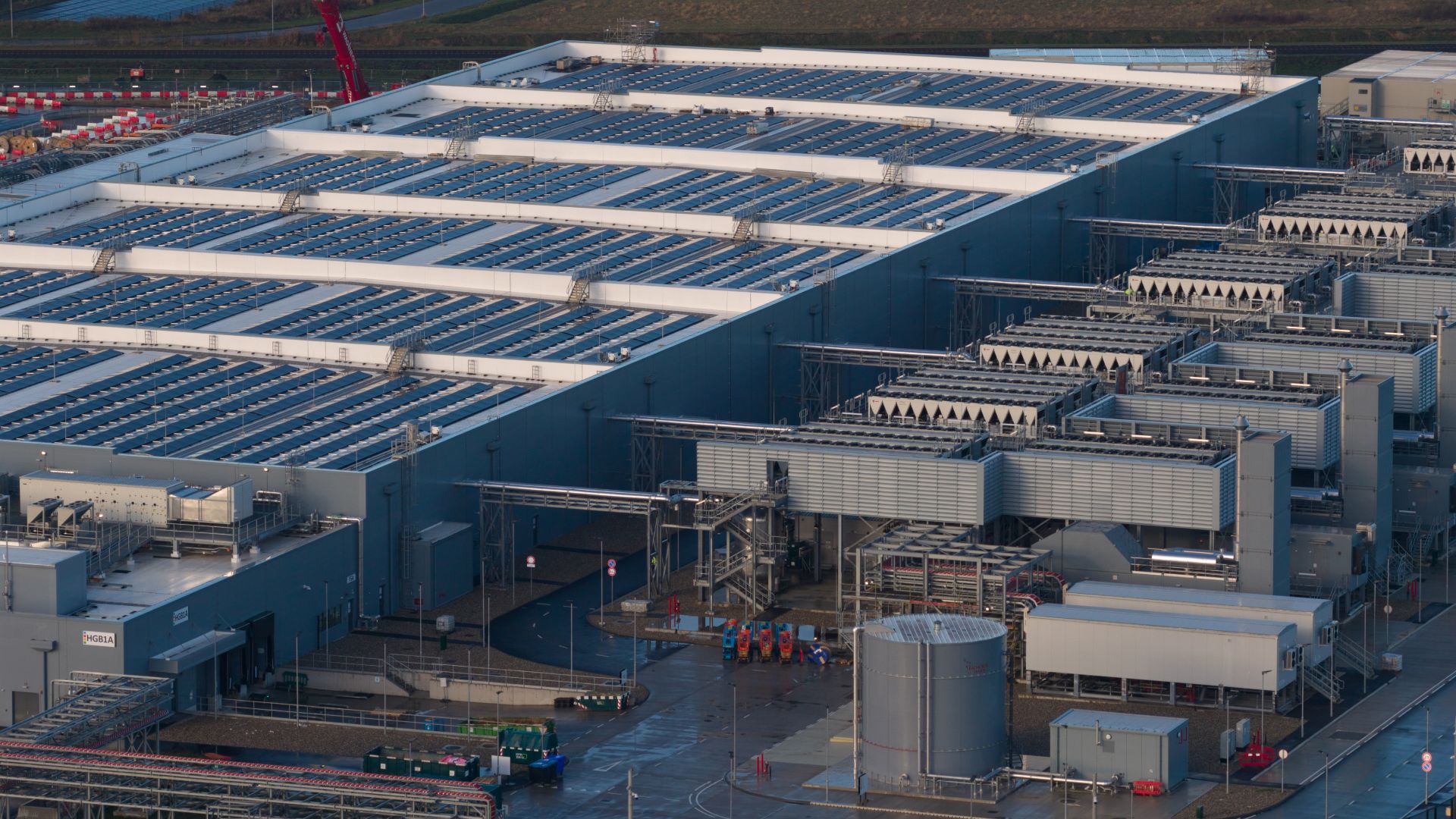
The county has become one of Virginia’s biggest data center hubs, with 37 facilities already running and 17 more planned, some on land tied to Civil War battlefields, according to a 404 Media report cited on Slashdot. Its eastern corridor alone holds at least 16 facilities. The infrastructure that draws billions in investment is also drawing enormous amounts of power.
Officials Say It’s Not About Data Centers

County officials have pointed to rising fuel costs as a driver of the rate hike, and have stopped short of blaming data centers directly. Communications Director Ben Sheppard described the conservation push as “good fiscal stewardship and good environmental stewardship,” according to the Henrico Citizen. Still, the timing raises an obvious question for residents watching their own bills climb alongside the county’s.
It’s Bigger Than One County
Henrico is not alone. The rate increase applies to roughly 170 members of the Virginia Energy Purchasing Governmental Association, a group that negotiates electricity contracts with Dominion Energy on behalf of local governments statewide. Members include Chesterfield, Hanover, Goochland, and the city of Richmond itself.
Virginia’s Data Center Boom Comes With a Price Tag

Virginia holds the largest concentration of data centers in the world, home to 35% of all known hyperscale facilities, according to the National Association of Counties. A December 2024 state report from the Joint Legislative Audit and Review Commission found that data center growth could push residential electric bills up by as much as $276 a year by 2030, and $444 a year by 2040.
The Grid Wasn’t Built for This
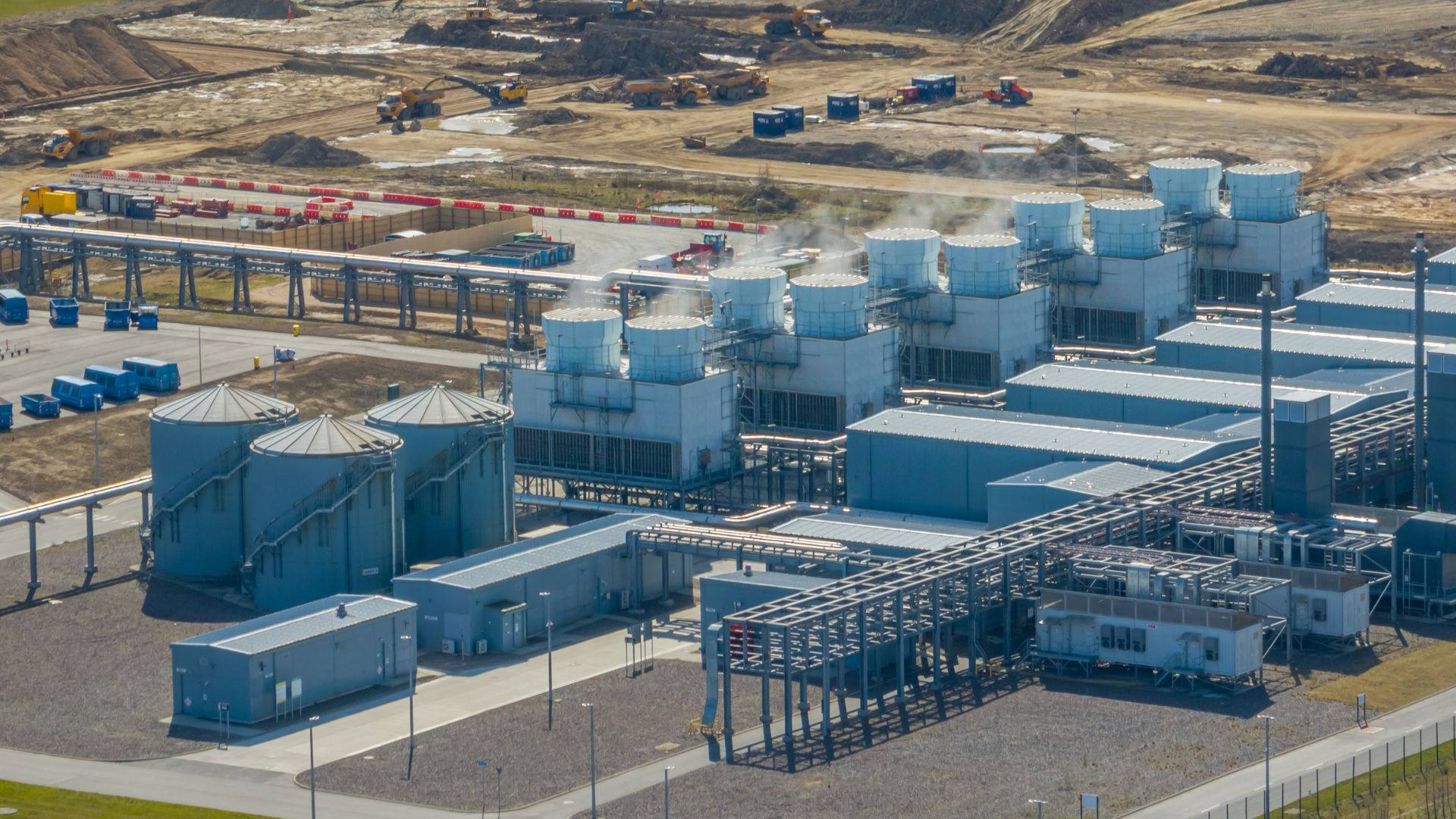
JLARC’s report offered a blunt explanation: current utility rate structures were never designed to absorb sudden, massive cost increases driven by a handful of enormous customers. Data centers require new power generation, transmission lines, and substations, expenses that get spread across everyone’s bill, not just the tech companies using the power. Henrico’s teachers are now living out that math firsthand.
Water, Not Just Watts
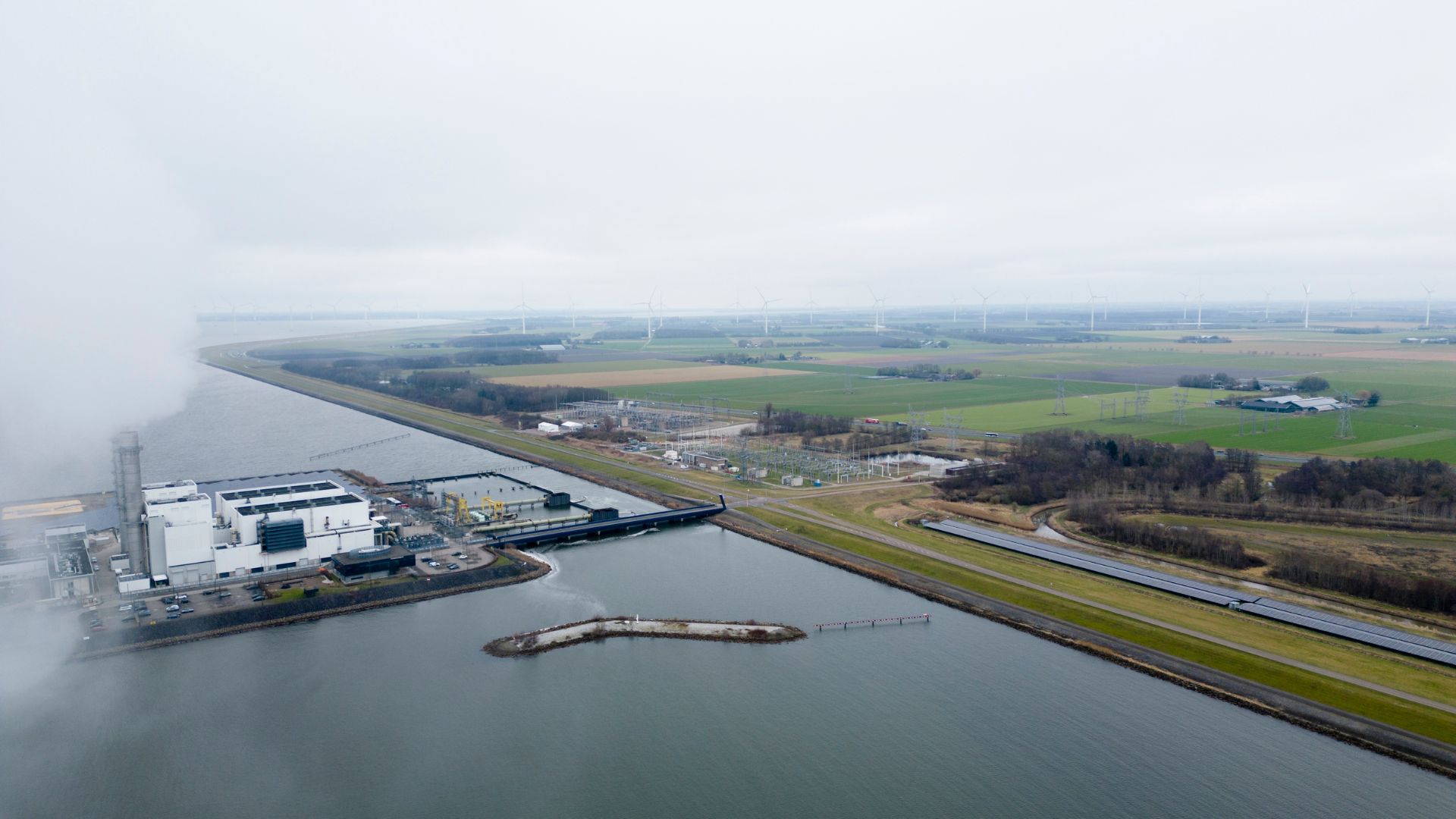
Electricity is only part of the strain. Northern Virginia data centers consumed nearly 2 billion gallons of water in 2023, a 63% jump from 2019, with roughly 900 million gallons used in Loudoun County alone. Loudoun, which calls itself the “Data Center Capital of the World,” already runs an employee energy conservation program of its own, a preview of what may be coming statewide.
Who Really Pays for the Boom
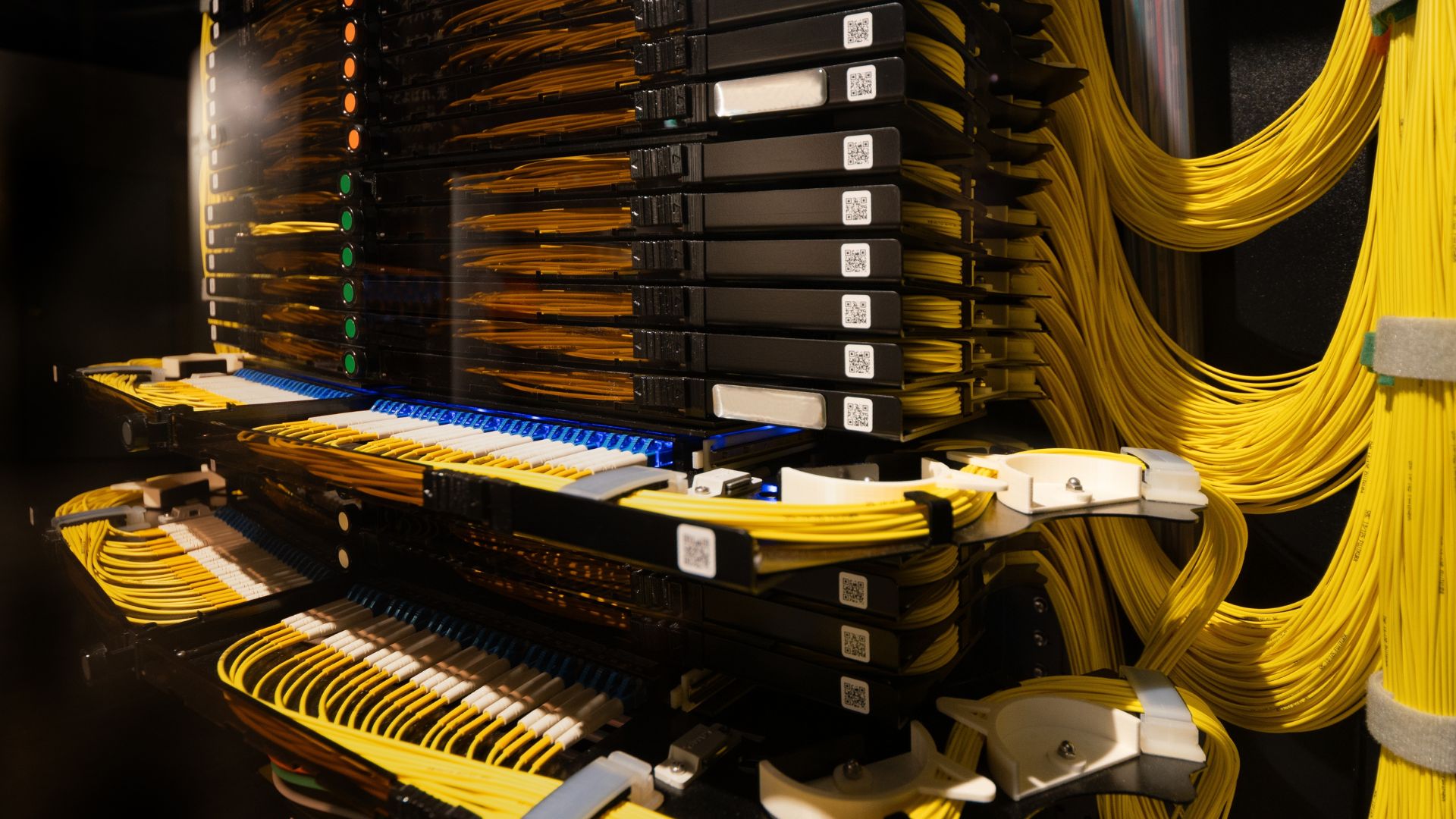
The Brookings Institution found that electricity costs nationwide have climbed 42% since 2019, far outpacing the 29% rise in the overall cost of living. Data centers accelerate that trend by forcing utilities to build infrastructure sized for a few giant customers. In Henrico, that math now shows up in a teacher’s darkened classroom and an unplugged charger, the visible edge of an invisible bill.