A U.S. Road Just Added an Unusual Decimal Point to Its Speed Limit. And Yes, It’s Serious
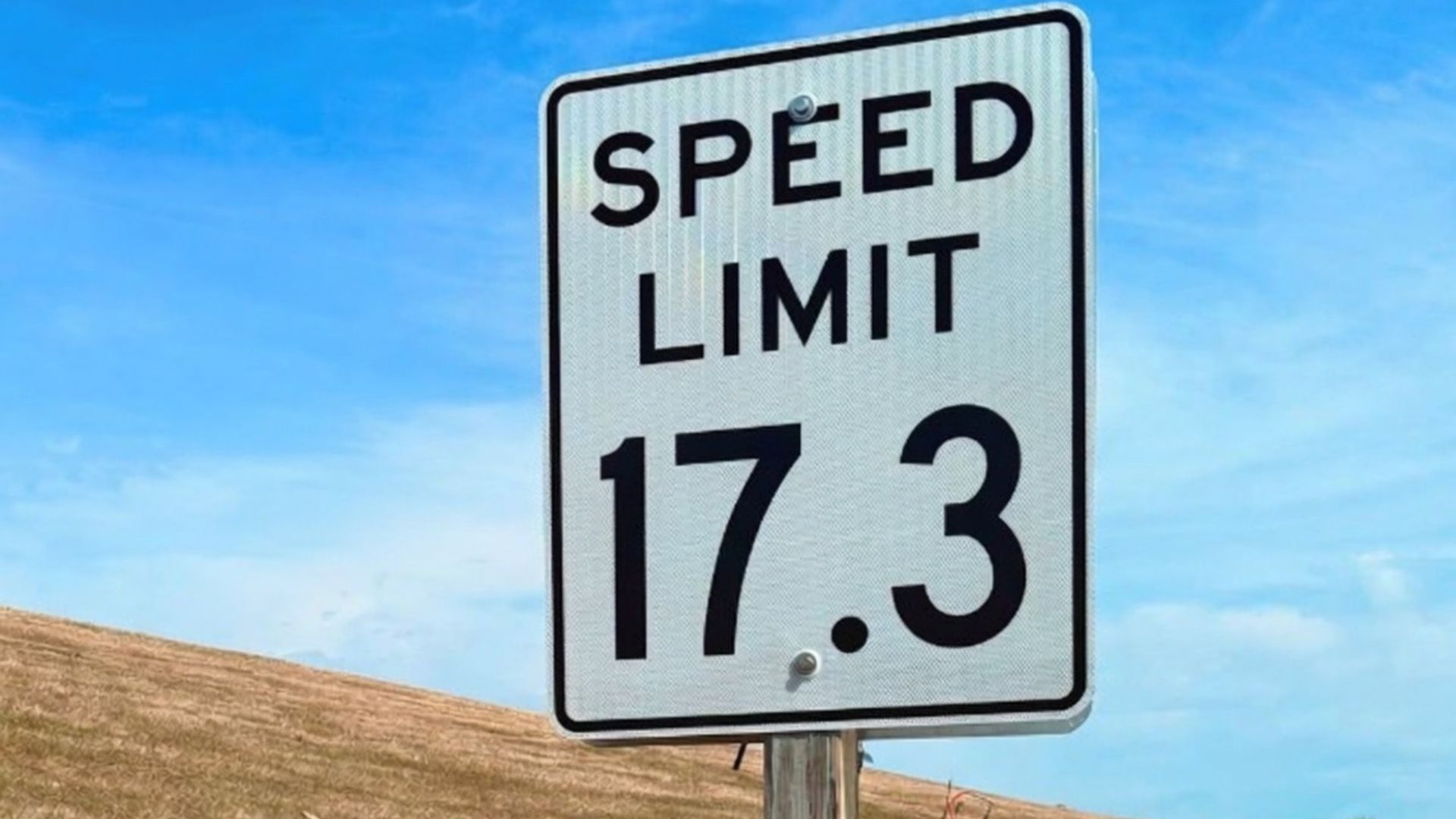

A speed limit sign in Wisconsin now reads 17.3 mph, and no, it is not a typo. The Outagamie County Recycling and Solid Waste facility in Appleton, roughly 107 miles north of Milwaukee, recently replaced its standard posted limit with one that includes a decimal point. The reason has nothing to do with math and everything to do with human psychology. The facility wants drivers to stop coasting through on autopilot, and a single decimal point may be the nudge they need.
The facility handles steady, daily traffic from haulers, contractors, and nearby residents, all sharing a compact site where a moment of distraction can cause real harm. Officials said the unusual figure was chosen deliberately because it forces people to actually look at the sign rather than glide past it without a second thought. Jordan Hiller, program coordinator for the center, told local news that the sign has caused an unexpected stir online, but said he was glad the reaction was drawing attention to the site’s safety needs.
“Why 17.3? Because it makes you pause,” the facility wrote in a Facebook post. “It makes you look twice. And most importantly, it breaks that autopilot feeling we can all fall into when driving familiar routes.” The public response was swift, and largely amused. One commenter joked that going 17.4 mph would surely attract law enforcement, while another simply praised the creativity. But buried beneath the laughs is a more serious question: does any of this actually work?
The Psychology Behind an Oddly Specific Number

The science behind the sign is rooted in a concept called habituation. When people encounter the same information repeatedly, the brain begins to filter it out as unimportant. A round number like 15 or 20 on a speed limit sign barely registers for someone who has driven the same stretch of road dozens of times. But an unexpected detail, something that breaks the pattern, forces the brain to re-engage. That is the exact effect Outagamie County was aiming for with its decimal-point limit.
The facility never claimed the number itself was scientifically precise or based on engineering data. The specificity is the point. By choosing a figure that feels calculated and deliberate, the sign creates a moment of cognitive friction. Drivers slow down mentally before they slow down physically. That brief pause, the double-take at the sign, is exactly what the facility needs from anyone entering a site where heavy machinery, foot traffic, and passenger vehicles share tight, busy space every single day.
Visitors who encountered the new sign responded with exactly the kind of engagement the facility hoped for. One person reported that the sign got their whole group talking and laughing during a recent visit, meaning it was noticed, processed, and remembered. That kind of involuntary attention is difficult to manufacture with conventional signage. Whether the laughter translates into slower driving is a separate question, and one that researchers have been studying with growing interest across the country.
Wisconsin Is Not Alone

Appleton is not the first place in the United States to experiment with unconventional speed limits. A shopping center in Colorado Springs, Colorado, has displayed an 8.2 mph sign for years, baffling drivers and sparking debate online. The operators of that site have never publicly explained the number, leaving people to speculate. One widely shared social media joke suggested that going 8.21 mph at the location might warrant serious consequences. Unlike Outagamie County, the Colorado site offered no explanation at all.
The Opry Mills Mall in Nashville, Tennessee, takes a slightly different approach, posting a 24 mph speed limit rather than the standard 25. The one-mile-per-hour difference is subtle enough to go unnoticed, but specific enough to feel deliberate. Road safety experts and traffic engineers sometimes note that small deviations from expected numbers can encourage closer attention, though the degree of effect varies significantly depending on context, familiarity, and how often drivers pass through a given location.
These cases share a common thread: the belief that unusual numbers interrupt the mental shortcuts drivers rely on. Standard round numbers become invisible through repetition. Specific or fractional figures disrupt that invisibility. Whether these signs represent a meaningful safety tool or a creative distraction is genuinely debated, and a major study completed just last year brought new data to that conversation, with findings that complicate the case for signage-based solutions.
When A Good Idea Runs into The Data
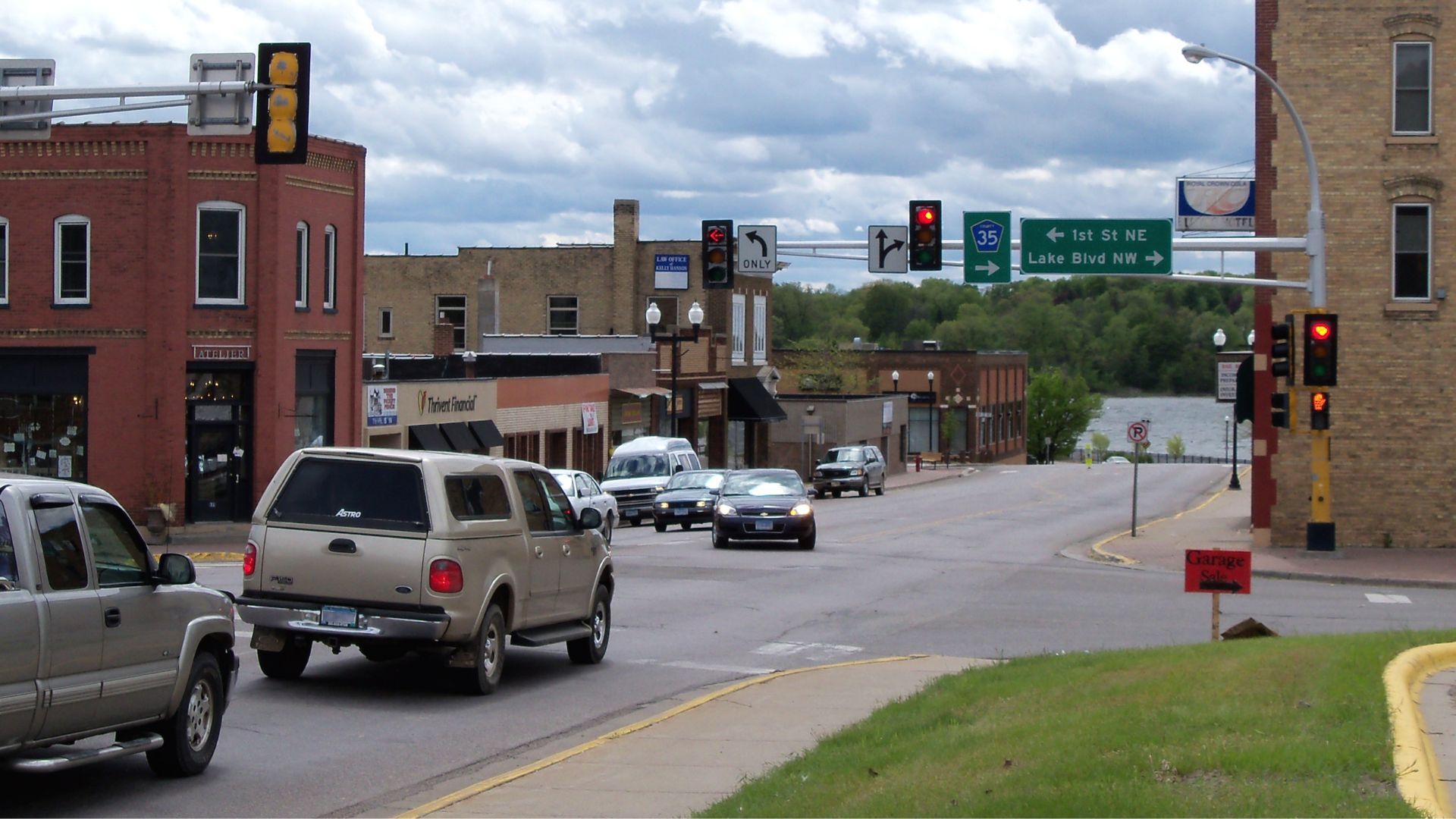
A 2024 study conducted by Minnesota’s state and local transportation agencies tested what actually happens when a posted speed limit is reduced. Researchers examined driver behavior in St. Louis Park before and after several road limits were lowered. The findings were sobering. According to Gary Davis, the study’s lead researcher, drivers may not respond immediately to a posted speed change. The study characterized the results as a starting point rather than a conclusion, calling for longer evaluation before drawing firm judgments.
Traffic safety researchers and road design professionals often argue that physical changes to a road, speed bumps, roundabouts, narrowed lanes, and raised crosswalks, are more reliably effective than changing what a sign says. Signage works best when it reinforces an environment that already feels like it requires caution. In a location that looks and feels fast, a number on a post, however unusual, may not be enough to override what a driver’s body is telling them to do behind the wheel.
What the Outagamie County sign does accomplish, regardless of whether it lowers average speeds, is get people thinking about road safety in a place where they otherwise might not. That conversation, spreading across social media and local news, may itself be part of the strategy. As facilities, institutions, and cities continue searching for low-cost tools to change driver behavior, the bigger question is not whether 17.3 is the right number. It is whether the right number, whatever it is, will ever be enough on its own.