A Startup Is Keeping Human Brain Cells Active After Death. Could It Change Drug Testing?
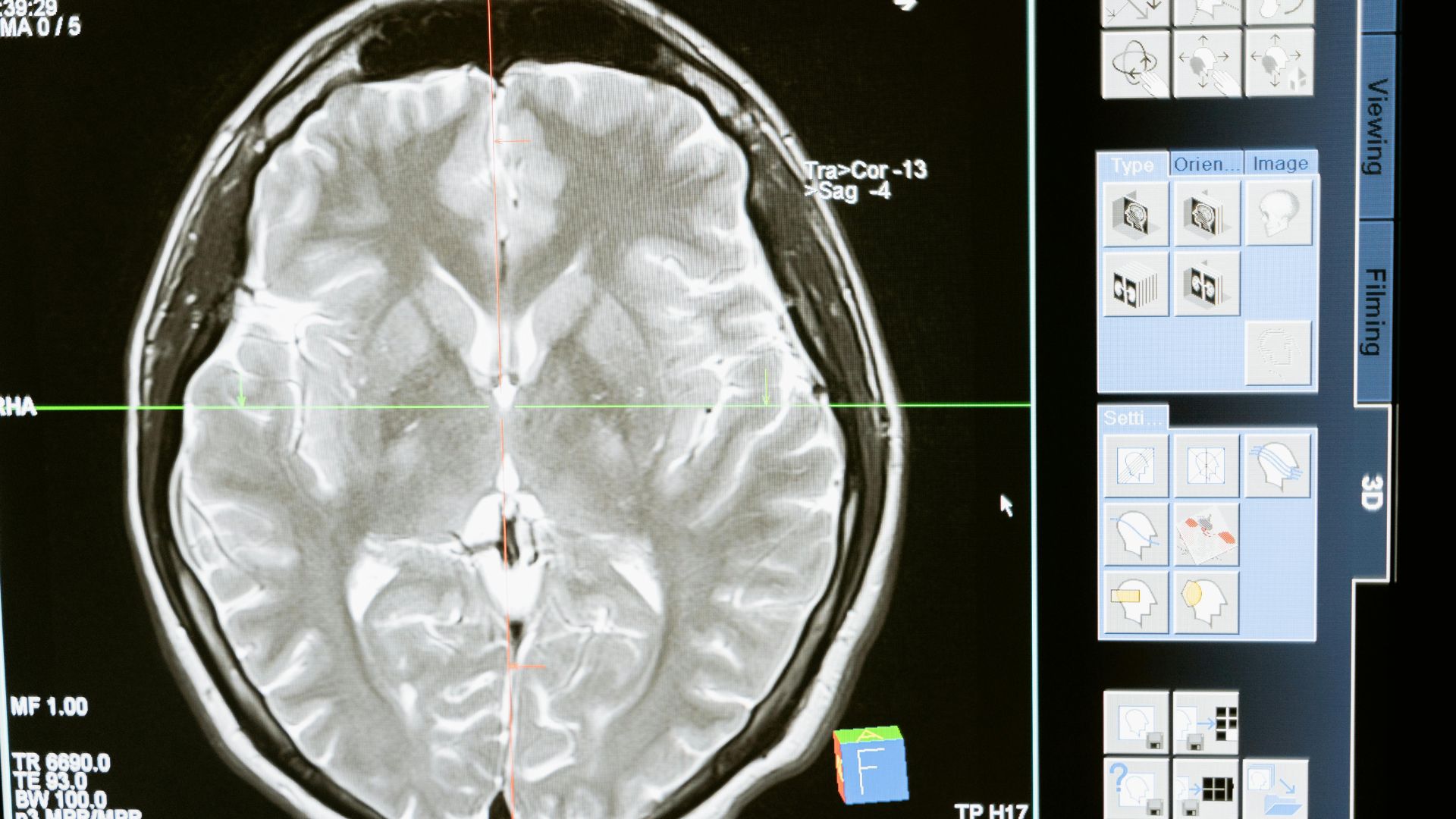

A biotechnology company is drawing significant attention after introducing a method that keeps important biological functions active in human brain tissue for a short period after death. Although the concept sounds like something out of a science fiction novel, researchers believe it could become a valuable tool for studying neurological diseases and evaluating new treatments.
The process begins shortly after a donor’s death. Scientists recover the brain and connect it to a specialized platform designed to maintain cellular activity. By recreating essential physiological conditions, researchers can observe how human brain tissue responds to different compounds in a way that traditional laboratory models often cannot replicate.
Despite the unusual nature of the research, experts stress that the preserved brains are not conscious. The goal is not to revive brain function but to preserve biological processes long enough to gather scientific data that may help improve the development of future therapies.
Understanding Why Scientists Are Interested

One of the primary reasons this technology is generating interest is its potential to improve drug testing for neurodegenerative diseases. Disorders such as Alzheimer’s and Parkinson’s continue to affect millions of people worldwide, yet developing effective treatments remains a difficult and expensive challenge.
Researchers have long relied on animal studies and laboratory-grown cells to evaluate new medications. While these methods provide useful information, they often fail to capture the full complexity of the human brain. Preserved human tissue offers a more realistic environment for examining how drugs interact with aging neural systems.
A better understanding of these interactions could help scientists identify promising treatments earlier in the research process. In turn, pharmaceutical companies may be able to reduce costly failures during clinical trials and accelerate the development of therapies for patients who urgently need them.
From Experimental Concept To Practical Application

The technology did not emerge overnight. Earlier research demonstrated that similar systems could maintain biological activity in animal brains for extended periods, providing proof that complex brain tissue could remain viable after circulation had stopped.
Building on those findings, researchers adapted the approach for use with donated human brains. The resulting platform allows scientists to study tissue that has experienced decades of aging, environmental influences, medications, and disease progression, factors that are difficult to reproduce in a laboratory setting.
Interest from the pharmaceutical industry has already begun to grow. Several drug development programs have incorporated data generated through this approach, using the information to better understand how experimental compounds perform in human neural tissue before advancing to later stages of testing.
The Future Of Brain Science And Medical Innovation
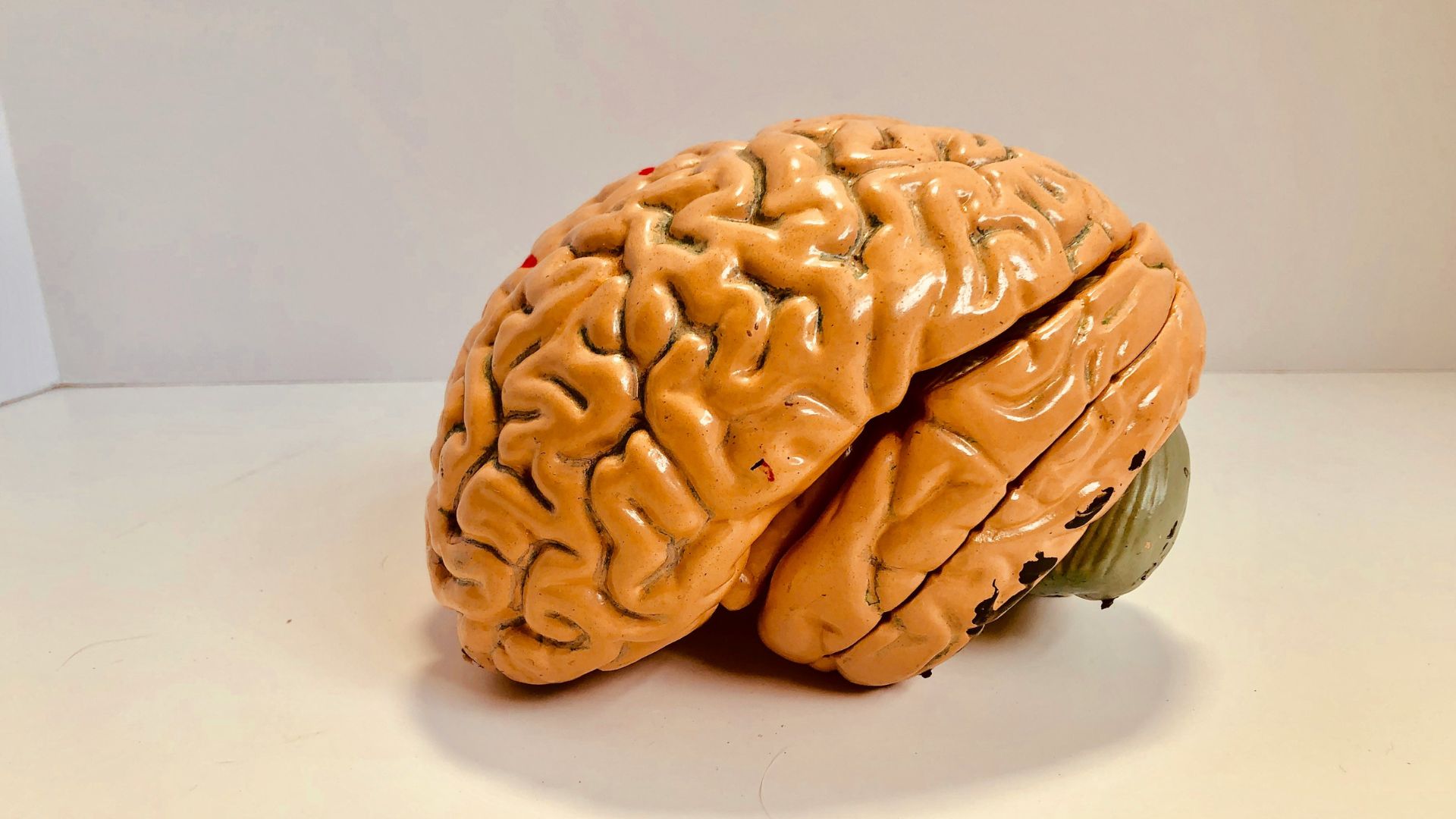
As the technology advances, it is also prompting important discussions about ethics and scientific responsibility. Researchers, bioethicists, and medical experts continue to evaluate the boundaries of this work to ensure that innovation is pursued with appropriate safeguards and oversight.
Supporters argue that the greatest advantage of the platform is its realism. Human brain tissue contains a lifetime of biological history that cannot be recreated in a petri dish or fully mirrored in animal models. This depth of information may provide a more accurate picture of how treatments behave in real patients.
Many questions remain about the long-term impact of this research, but its potential is difficult to ignore. If future studies confirm its value, preserving brain tissue after death could become an important step in the search for more effective treatments, helping scientists better understand neurological diseases and bringing new therapies closer to reality.