A Single Extreme Weather Event Can Push American Homeowners Into ‘Years of Debt,’ Hippo CEO Warns
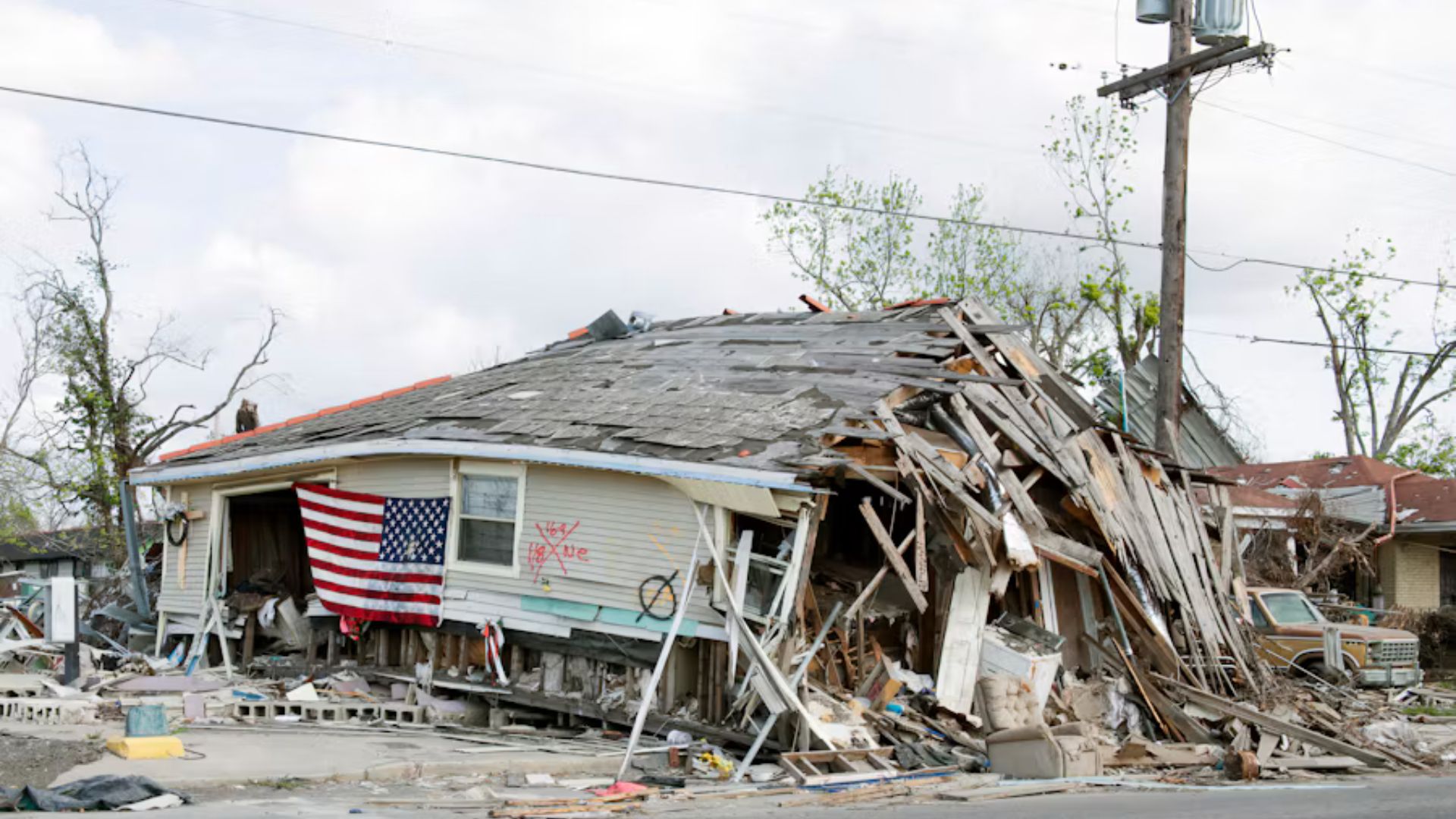

When extreme weather damages a home, the immediate concern is usually getting repairs underway and restoring a sense of normalcy. But the financial consequences can linger long after the physical damage has been addressed. A report released in October 2026 reveals how weather-related expenses are affecting homeowners across the United States, sometimes disrupting plans that have nothing to do with home repairs. So how widespread is the problem, and what makes these unexpected costs particularly difficult to manage?
Nearly 60% of Surveyed Homeowners Experienced Weather Damage
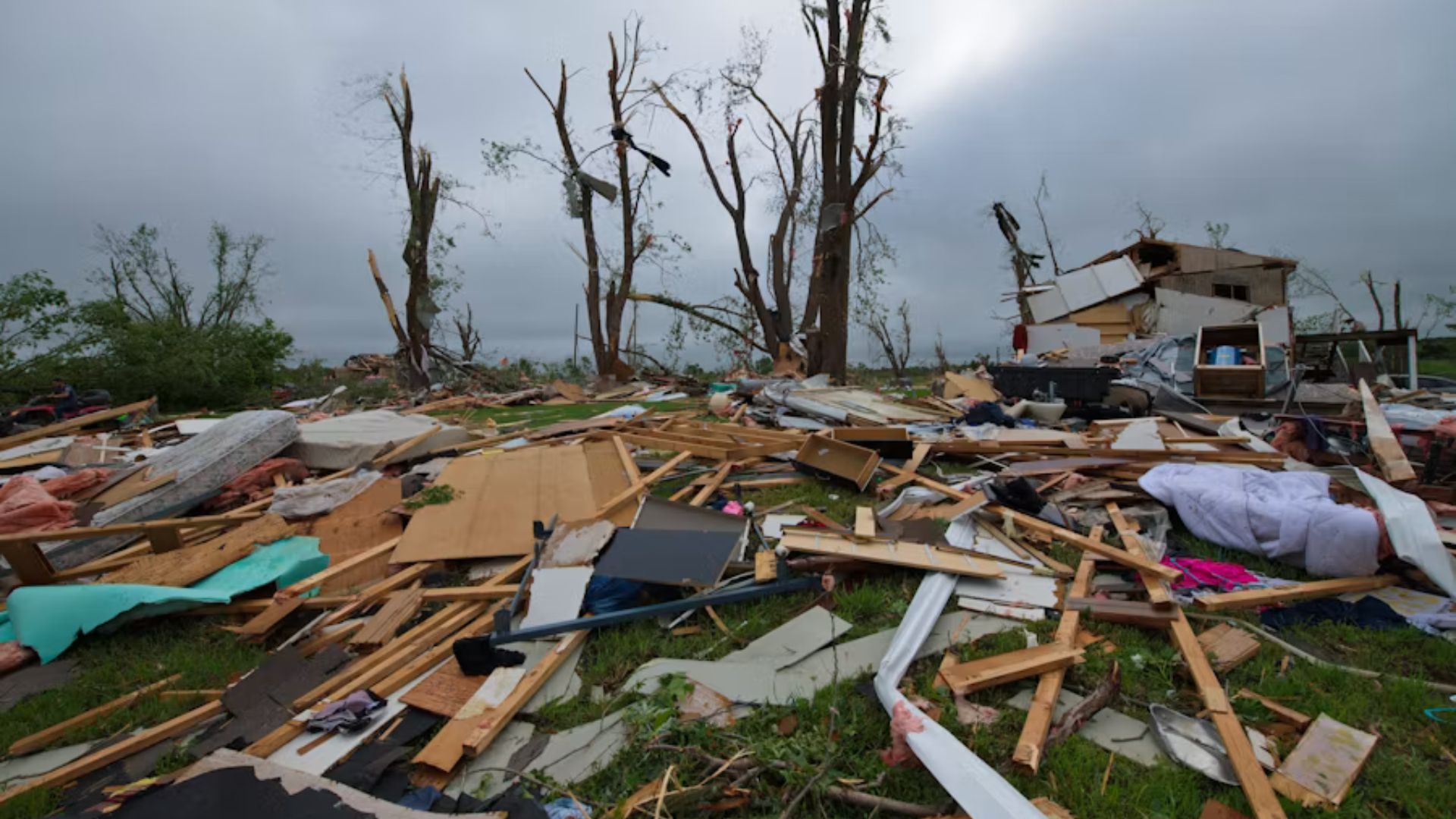
Hippo Holdings’ third annual Extreme Weather Report surveyed 1,047 homeowners across the United States, offering a closer look at the financial impact of severe weather. Nearly 60% reported experiencing weather-related home damage during the previous three years, while half of all respondents had paid out of pocket for damage. The findings suggest that unexpected repair expenses are already affecting many of the households surveyed. But how expensive have those repairs become?
Some Homeowners Paid Thousands for Weather Repairs
The report found that 21% of surveyed homeowners paid $2,000 or more for weather-related damage, while 9% paid at least $5,000. Such expenses can create financial pressure, particularly when they arrive without warning and compete with other household priorities. Even after the immediate repairs are completed, the money needed to cover them may remain a problem. But what happens when homeowners cannot settle those bills right away?
Nearly One in Four Are Still Carrying Debt From Past Damage
Among homeowners who paid out of pocket for weather damage, nearly 25% were still carrying debt related to those expenses. Of those with outstanding debt, 71% had been carrying it for at least two years. Rick McCathron, president and CEO of Hippo, warned that a single weather event can leave homeowners facing years of debt, with consequences extending beyond the property itself. But how does that financial burden affect other household priorities?
Weather Damage Is Also Delaying Savings and Retirement Plans
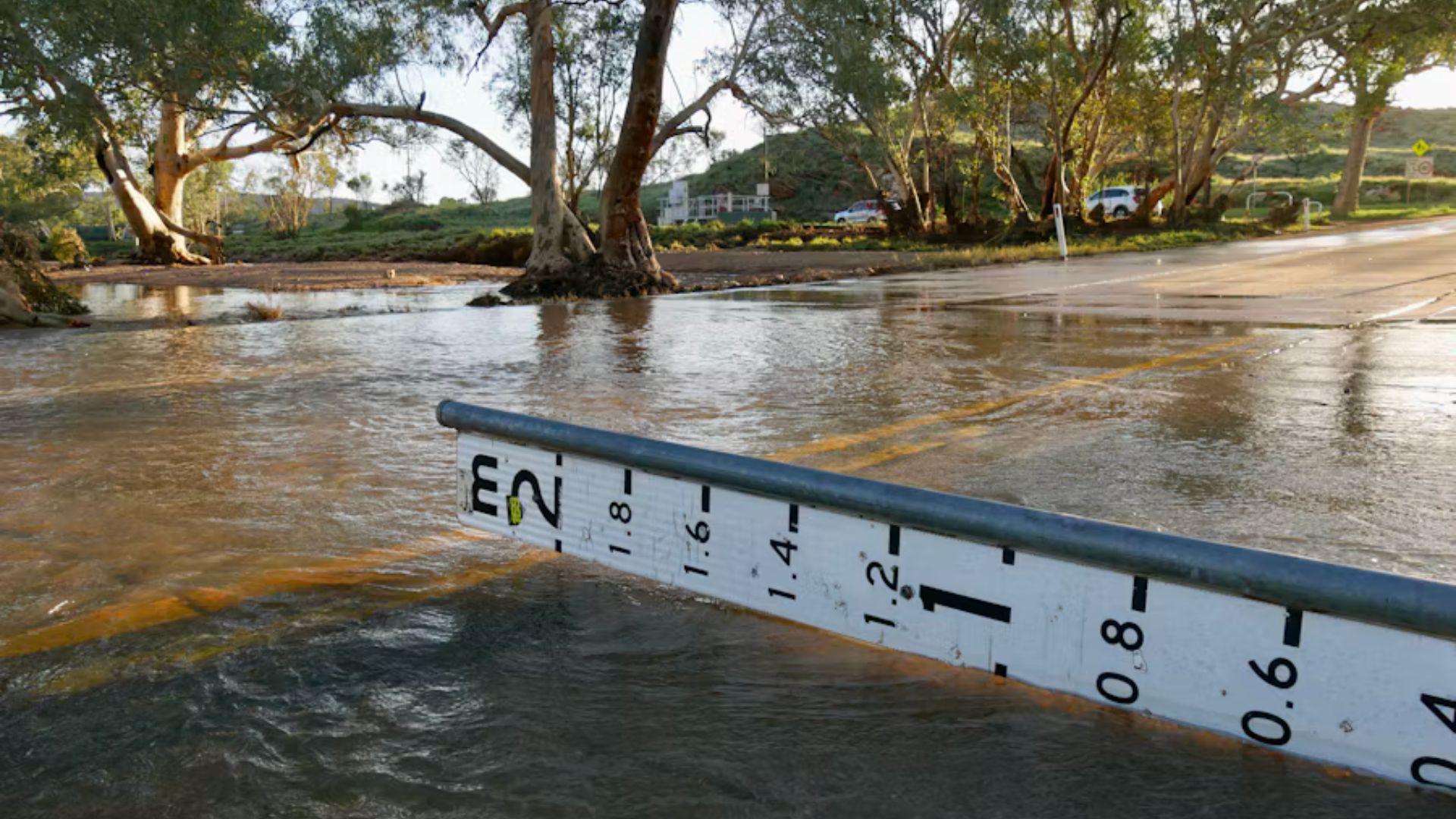
The consequences of weather damage can extend beyond repair bills and outstanding debt. Hippo found that 16% of homeowners who experienced damage had delayed contributions to savings or retirement because of the expense. That means money intended for future financial goals may instead be needed to address an unexpected problem at home. The finding adds another dimension to the long-term costs described in the report. So how prepared are homeowners for expenses like these?
Most Homeowners Lack the Financial Readiness for Unexpected Repairs
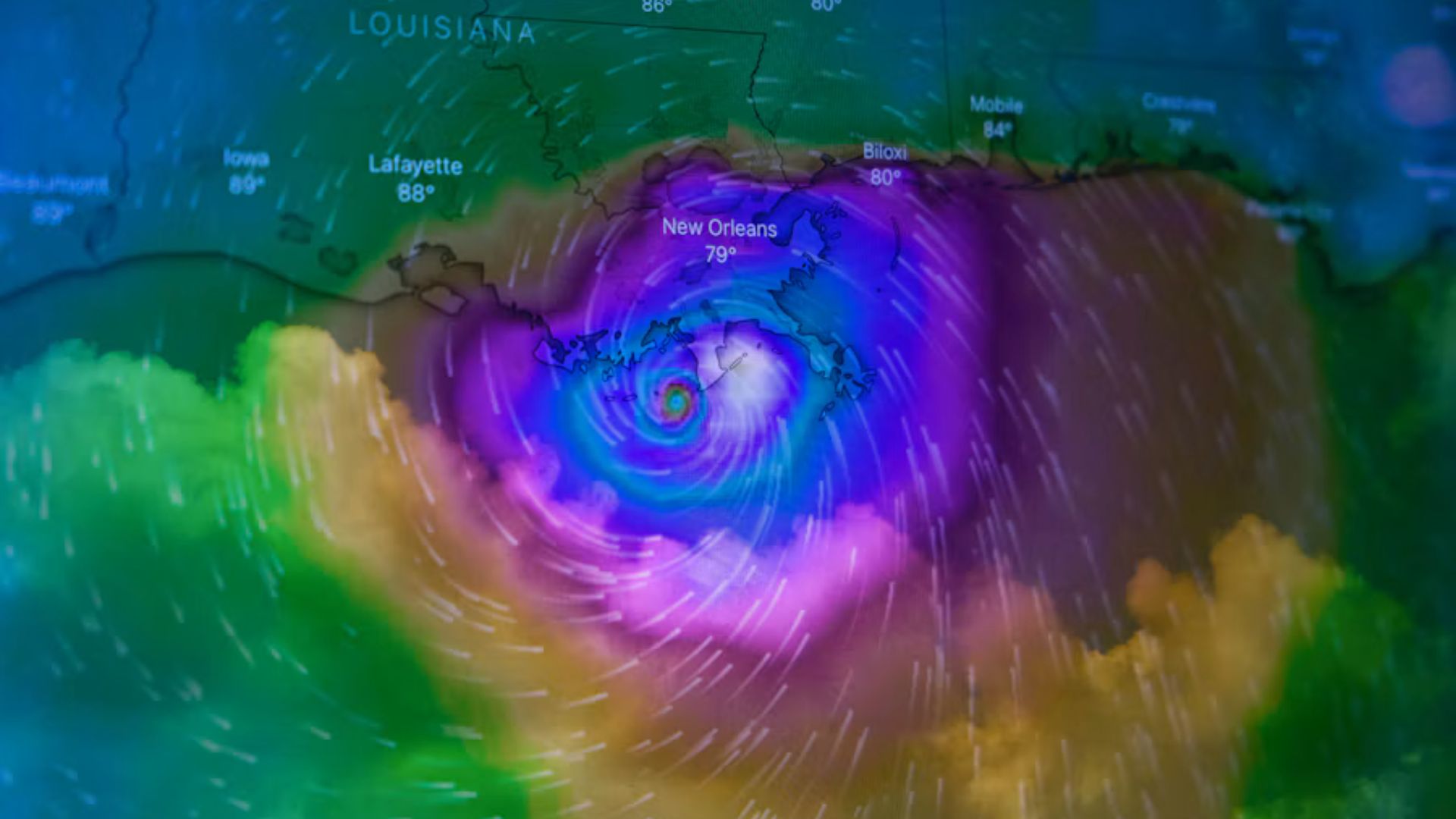
Only 22% of surveyed homeowners said they felt very financially prepared for an unexpected weather-related repair. Hippo also found that nearly 80% lacked either the savings needed to cover such an expense or the ability to complete the work themselves. Preparing in advance presents its own challenge, with 39% identifying cost as a leading barrier to protective home upgrades in 2026. But financial limitations are not the only concern homeowners face when severe weather strikes.
Insurance Misunderstandings Can Leave Homeowners With Unexpected Bills
Insurance coverage can become another source of uncertainty when homeowners discover that damage is not covered as they expected. According to Hippo, 39% of surveyed homeowners had mistakenly believed certain damage was covered, while 19% of all respondents paid out of pocket as a result. More than half, or 55%, could not recall their current deductible. These gaps can make potential repair costs harder to anticipate. But are homeowners taking steps to understand their coverage before emergencies happen?
Americans Monitor Weather Alerts More Than Their Insurance Coverage
Hippo found that 85% of surveyed homeowners monitor local weather alerts, yet only 21% had reviewed their home insurance coverage as a preparedness step during the previous 12 months. The report also revealed differences in whom homeowners trust for guidance. Local meteorologists ranked among the two most trusted sources of preparedness advice for 65% of respondents, compared with 12% for insurance agents. That contrast raises an important question: Are homeowners preparing for the storm without preparing for its financial consequences?
Financial Preparedness Should Begin Before Severe Weather Arrives
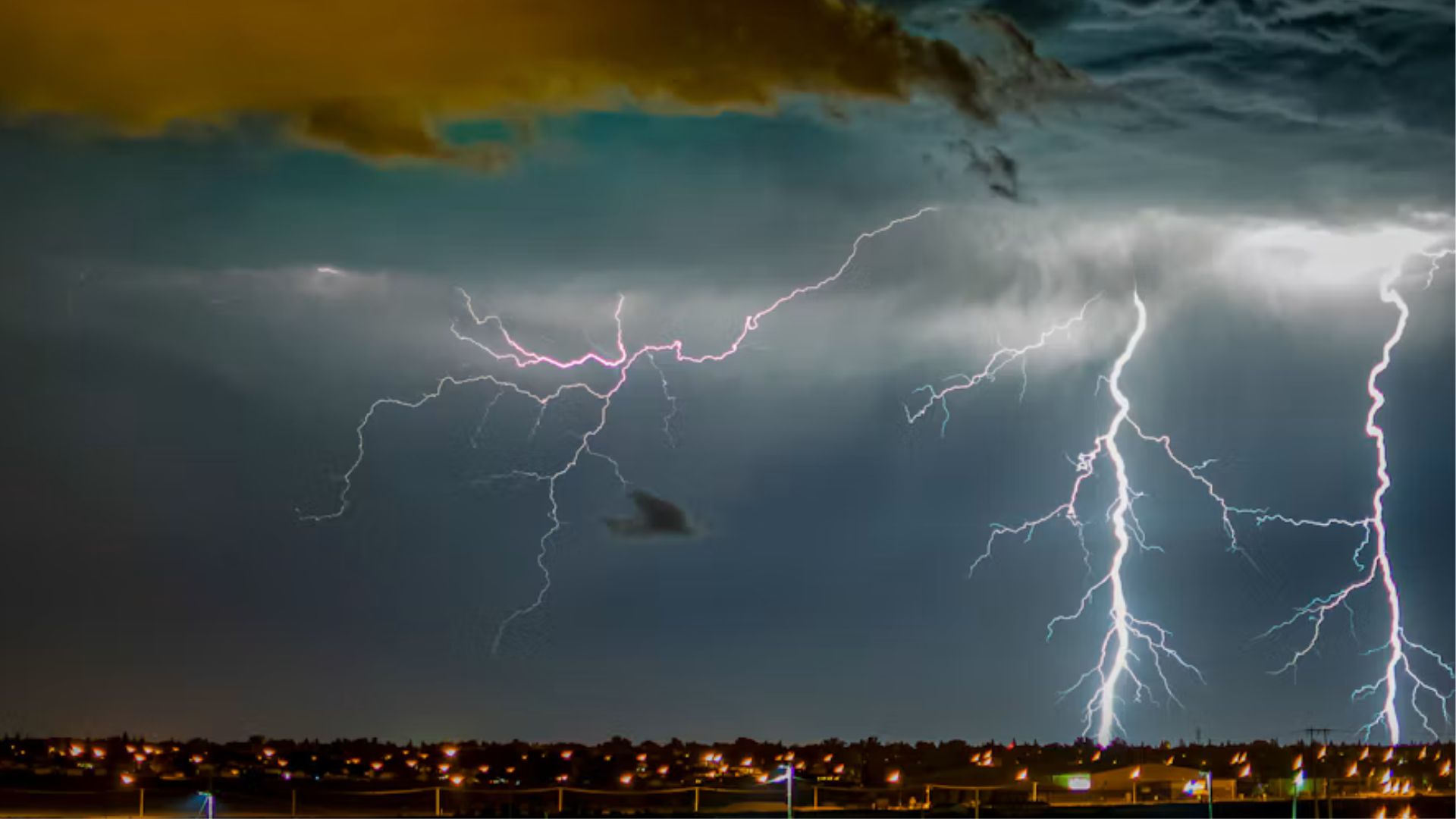
The findings suggest that preparing for extreme weather involves more than following forecasts or protecting a property’s physical condition. Reviewing insurance coverage, understanding deductibles, and considering potential repair expenses can help homeowners recognize financial risks before damage occurs. McCathron emphasized that homeowners and insurers both have responsibilities, from preventive property measures to proactive communication about risks. However, the report also shows that affordability remains a major obstacle. So what is the most important lesson homeowners can take from these findings?
Protecting a Home Also Means Protecting Its Financial Future

Hippo’s report highlights how a weather-related repair can develop into a financial obligation lasting well beyond the original damage. Among surveyed homeowners still carrying debt from out-of-pocket weather expenses, most had been paying it for at least two years, while others reported delaying savings or retirement contributions. The findings underscore why financial readiness and insurance awareness deserve attention before severe weather arrives. Ultimately, protecting a home also means considering how an unexpected event could affect the household’s financial future.