A Potentially Deadly Virus Is Spreading in Northern California. Here’s What It Is
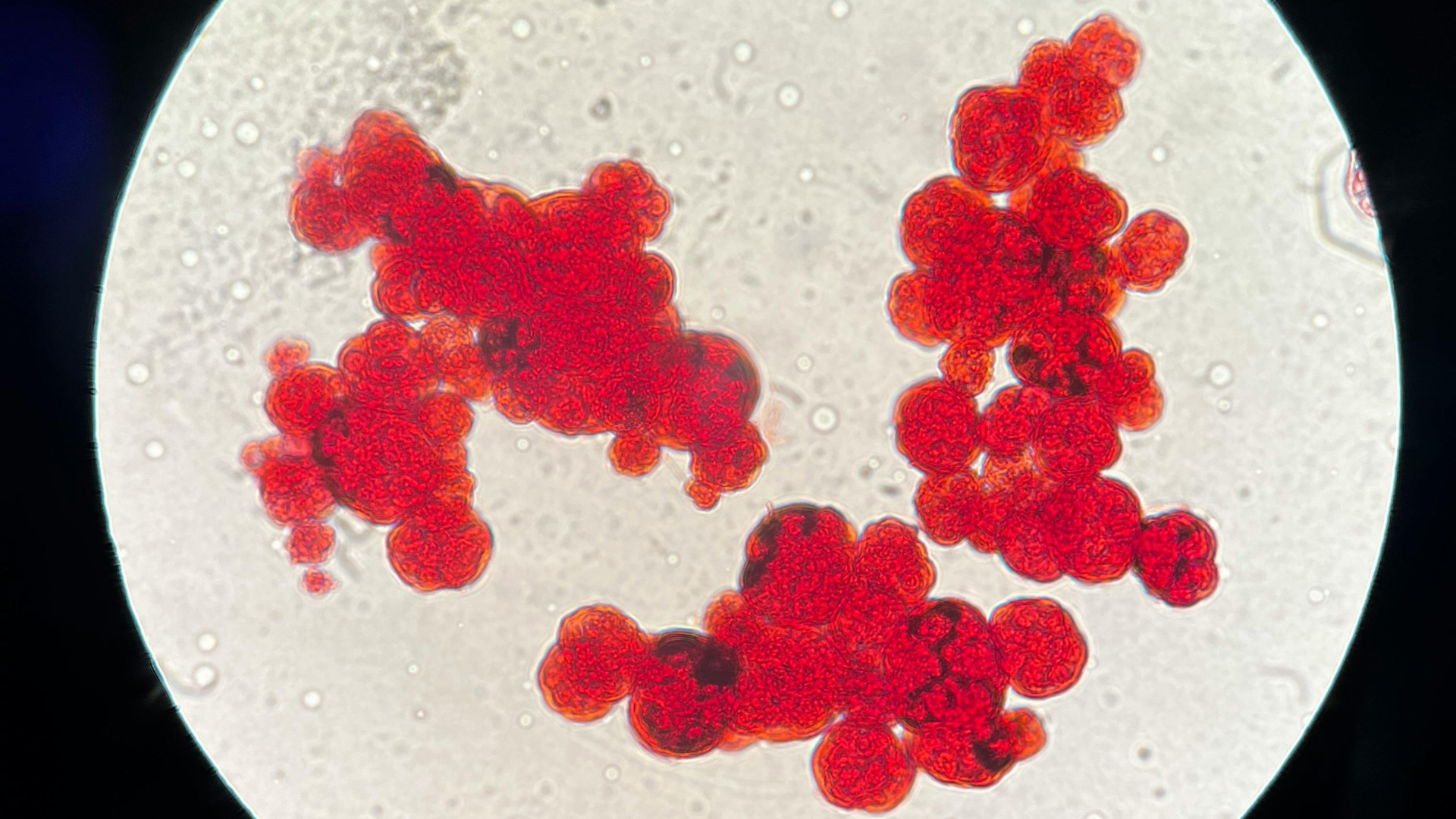

Health officials are raising concerns as a potentially dangerous virus spreads across parts of Northern California, drawing attention from scientists and public health experts alike. While it may not be as widely known as COVID-19 or the flu, this virus is now showing up in increasing numbers through wastewater monitoring and clinical data, signaling a broader presence in communities across the region.
The virus in question is rotavirus, a highly contagious illness that primarily affects the digestive system and can lead to severe symptoms such as vomiting, fever, and intense watery diarrhea. Although it is most commonly associated with young children, the virus can spread easily among populations, especially in environments like schools and daycare centers.
What makes the situation particularly concerning is that rotavirus can lead to dangerous dehydration and, in severe cases, hospitalization or even death, especially among infants and toddlers. Experts warn that its rapid spread and ability to go unnoticed at first make it a public health issue worth paying close attention to.
Why This Virus Is Spreading Now

One of the key reasons scientists are detecting the spread of rotavirus is the increased use of wastewater surveillance, which allows researchers to identify rising virus levels even before large numbers of cases are officially reported. Recent data shows elevated levels of the virus across multiple Northern California cities, indicating that it is circulating more widely than many people may realize.
Rotavirus spreads through what experts call the fecal-oral route, meaning it can be transmitted through contaminated surfaces, food, or close contact with infected individuals. This makes it particularly easy to spread in shared environments where hygiene practices may vary, allowing outbreaks to develop quickly if precautions are not taken.
Another factor contributing to concern is that vaccination rates may be shifting, as recent policy changes have moved away from universal recommendations toward more individualized decision-making between families and healthcare providers. Some experts worry that this could lead to lower vaccination coverage, potentially allowing the virus to spread more easily.
Who Is Most At Risk And What Symptoms To Watch

Rotavirus poses the greatest risk to young children, particularly those between three months and three years old, who are more vulnerable to severe dehydration caused by persistent diarrhea and vomiting. In these cases, the illness can escalate quickly, requiring medical attention and sometimes hospitalization.
Common symptoms include fever, nausea, vomiting, stomach pain, and frequent watery diarrhea, which can last for several days and lead to significant fluid loss if not properly managed. While many cases resolve with rest and hydration, severe infections can become life-threatening without prompt treatment.
Although adults can also contract the virus, symptoms are often milder, but they can still contribute to its spread, especially when unknowingly passing it on to more vulnerable individuals. This highlights the importance of awareness and prevention, even among those who may not feel seriously ill themselves.
What Health Experts Are Urging Right Now

Health experts are emphasizing simple but effective prevention measures, including frequent handwashing, proper sanitation of surfaces, and staying home when experiencing symptoms, as these steps can significantly reduce the spread of rotavirus in communities.
They also stress the importance of recognizing symptoms early, particularly in children, so that dehydration can be treated before it becomes severe. Access to fluids, medical care when needed, and awareness among caregivers are all critical in managing the illness safely.
Ultimately, while the virus is not new, its current spread serves as a reminder that lesser-known illnesses can still pose serious risks, and staying informed remains one of the most important tools in protecting both individuals and communities.