A New U.S. Rule Could Limit Which Robot Vacuums Americans Can Buy
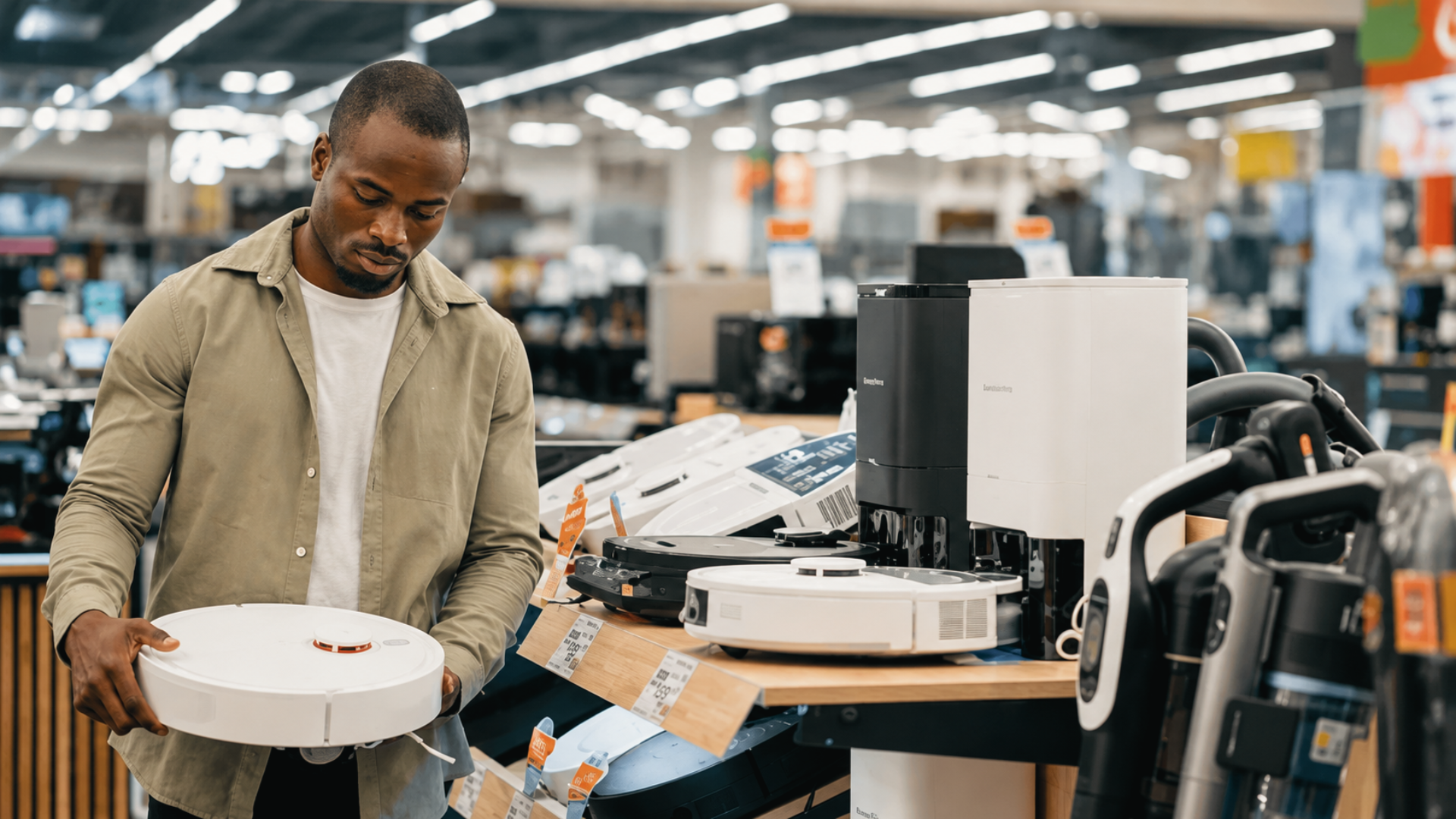

Your next robot vacuum might not be legal to sell in the United States. On July 29, 2026, the Federal Communications Commission quietly expanded a security list that already blocks certain equipment from getting approval to enter the U.S. market. The new category is called “advanced robotic devices,” and it stretches far beyond factory arms or military hardware. It covers the machine currently mapping the dust under your couch, and it just changed the future of home cleaning.
The FCC’s Covered List has existed for years, built to keep networking gear from companies flagged as national security threats out of American homes and businesses. Local outlets reported that adding “advanced robotic devices” means any new mechanical mobile device meeting a specific technical definition can be blocked from receiving the equipment authorization it needs to be sold legally in the U.S. Robot vacuums fit that definition almost perfectly.
According to the FCC, a device qualifies if it can move on the ground, avoid obstacles, and navigate on its own, weighs more than 4.4 pounds including any charging dock, carries a sensor that reads its surroundings, and connects to a network through Wi-Fi, Bluetooth, cellular, or satellite. Nearly every modern robot vacuum checks every box on that list, along with robotic lawn mowers and sidewalk delivery bots rolling through American neighborhoods.
A Rule Targeting the Machines Mapping American Living Rooms
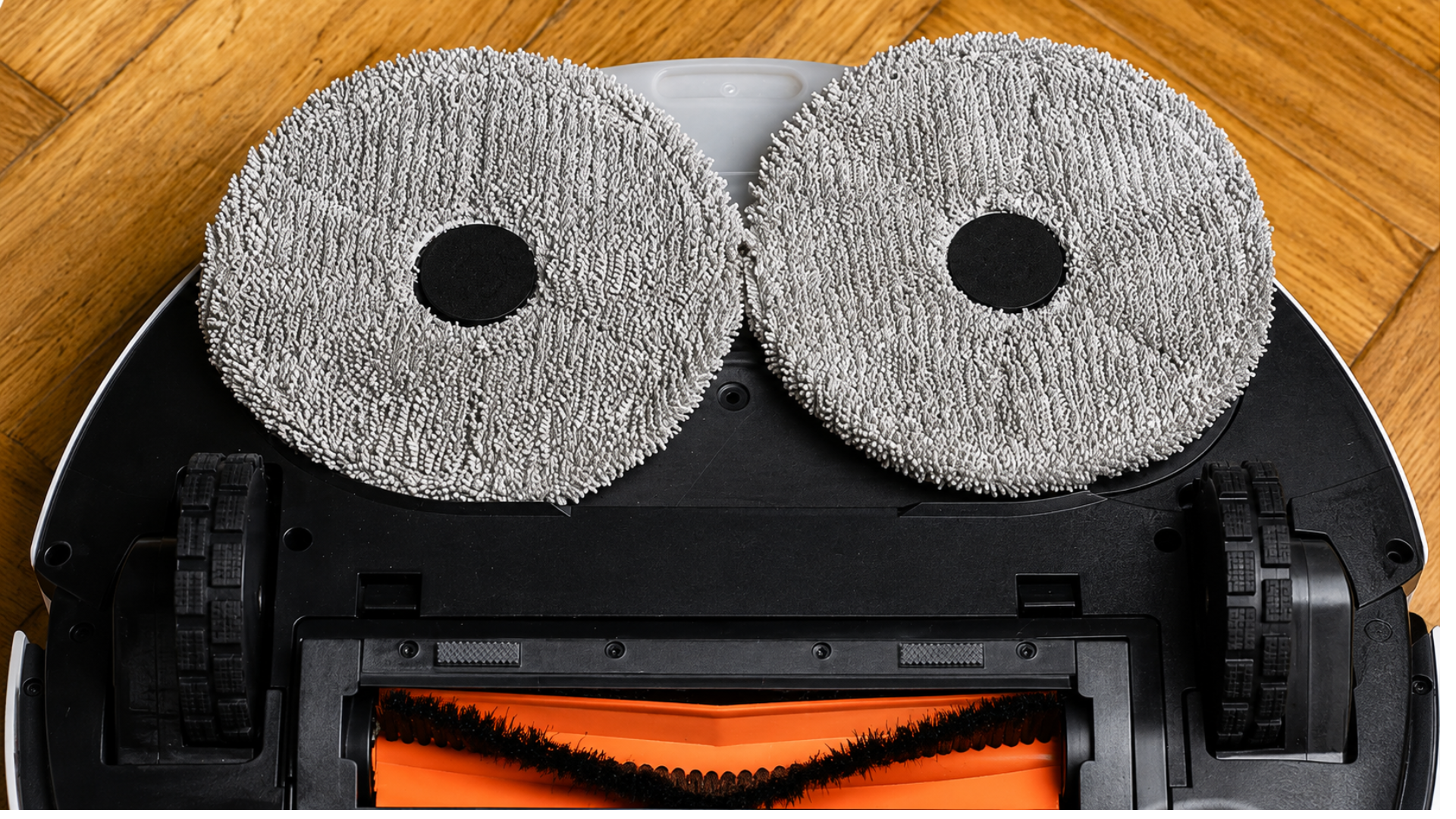
The decision did not come from the FCC acting alone. A White House-convened interagency body with national security expertise reviewed foreign-made robotic devices and determined they pose what the agency called unacceptable risks to U.S. safety and security, according to the FCC’s own fact sheet on the rule. That finding, not any single incident, triggered the sweeping update.
That risk assessment centers on where these devices are built, not what brand name sits on the box. Consumer Reports policy fellow Stacey Higginbotham told the outlet in its coverage of the rule that the ban will affect anyone who owns or plans to buy robot vacuums, robotic lawn mowers, or other robotic devices that move through their environment, since most of that hardware is manufactured overseas, particularly in China.
Roborock, Ecovacs, and Dreame, three of the biggest names filling shelves at electronics retailers, all manufacture their devices in China. So does a large share of the supply chain behind Roomba, now owned by Amazon-backed iRobot. Every one of those companies now faces a new hurdle standing between their next product launch and a spot in an American home.
Existing Devices Are Safe, But New Imports Face a Hard Wall

Anyone who already owns a robot vacuum can relax. The rule does not touch devices that were previously authorized, already imported, or currently for sale in the U.S. Those machines will keep working, keep receiving software updates, and keep getting replacement parts without interruption, no matter where they were originally manufactured or which company built them.
The wall goes up for what comes next. Any new foreign-made advanced robotic device seeking to enter the U.S. market now needs a waiver before it can receive FCC equipment authorization, the approval required to sell almost any electronic device legally in the country. Without that waiver, a new model simply cannot reach store shelves or checkout carts.
Getting that waiver will not be simple. Companies can apply for what regulators call “Conditional Approval,” a process that requires proving a device does not pose the unacceptable risks the interagency review identified. Fox Business reported that products from major brands including Shark, Dyson, Samsung, and LG could fall under the same scrutiny as Roomba, depending on where each device is designed and built.
Industry Pushes Back While Companies Scramble for Clarity
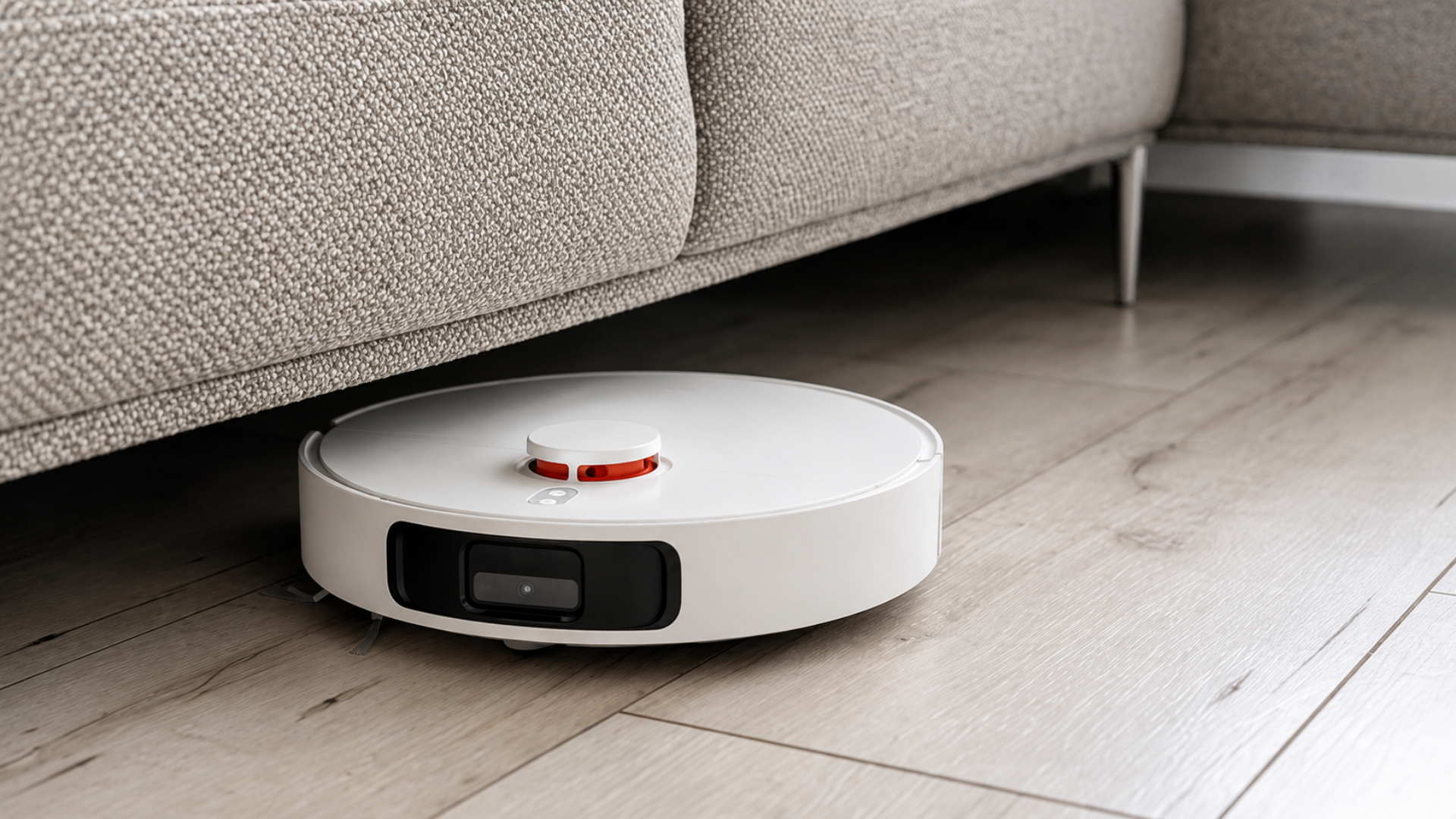
The Consumer Technology Association, the organization behind the CES trade show, responded within days. In a statement posted publicly, the group said it supports protecting national security and strengthening supply chains, but argued that policies should stay targeted and transparent rather than creating unnecessary costs or supply chain disruption. It added that it wants continued engagement between industry and government as the rule takes shape.
Individual manufacturers have taken a more cautious tone. Segway Navimow said its current lineup already holds FCC equipment authorization, so existing customers face no immediate impact, while the company evaluates compliance paths for future products. iRobot said it is working with the FCC to understand the rule’s implementation. Anker Innovations and Dreame both confirmed their current U.S. lineups remain unaffected while they seek more clarity on how future products will be judged.
What this rule actually changes is not what sits in your closet today. It is which company gets to build tomorrow’s robot vacuum and where. The shelf full of budget Chinese-made models that reshaped home cleaning over the past decade now depends on a waiver process nobody has completed yet. Whichever manufacturer moves production onto U.S. soil first will decide what the next generation of automated home cleaning actually looks like.