A New COVID Variant With 75 Mutations Is Spreading Across 25 States
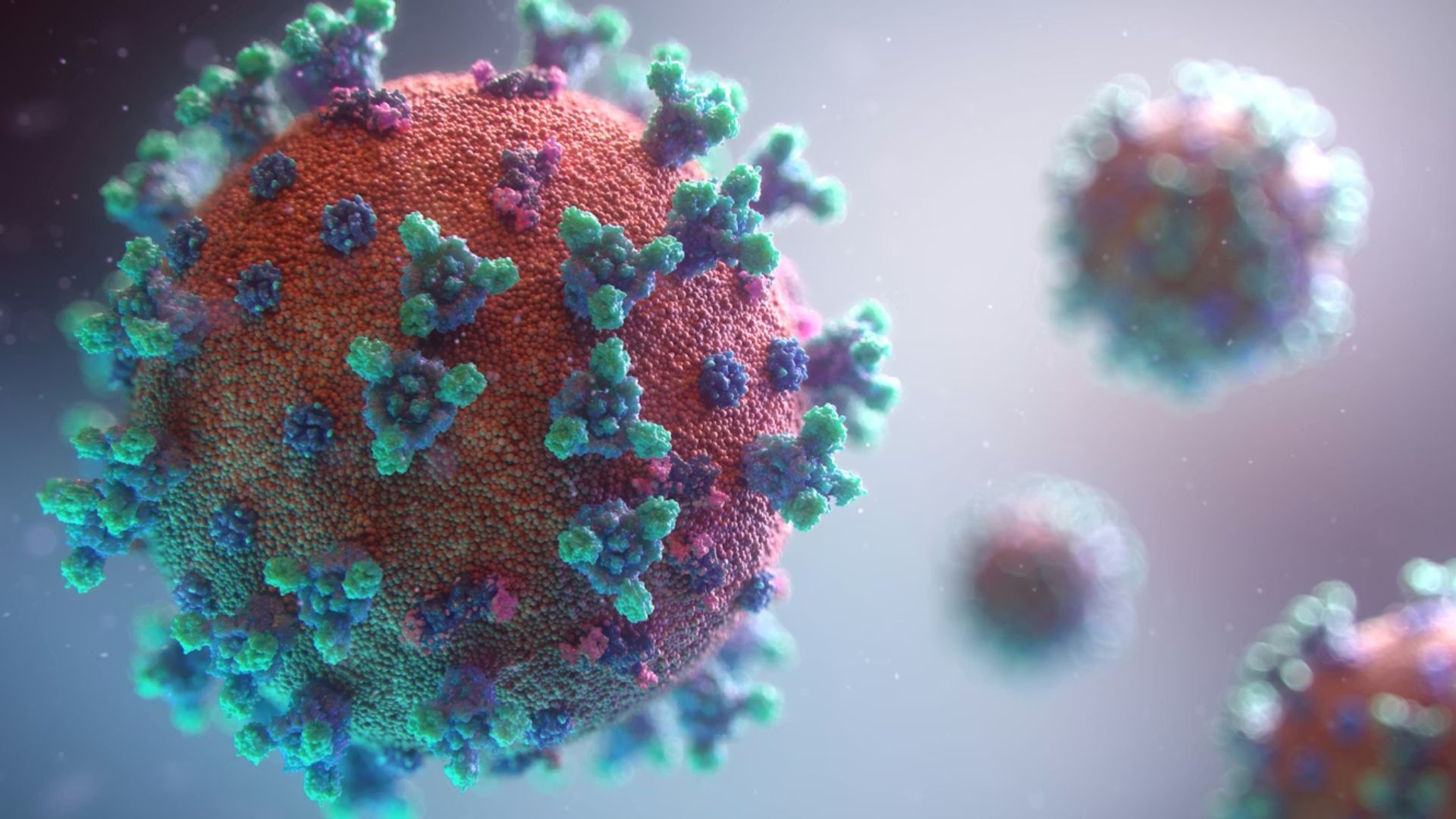

A COVID-19 strain carrying an unusually high number of mutations is drawing attention from public health officials as it turns up in wastewater samples, airport screenings, and nasal swabs across the country. Known as BA.3.2 and nicknamed “cicada,” the variant has been detected in at least 25 states as of February 2026, according to the Centers for Disease Control and Prevention.
BA.3.2 was first identified in South Africa in November 2024 and is a descendant of BA.3, an early omicron subvariant that briefly circulated in 2022 alongside BA.1 and BA.2. Its lineage fizzled out but never fully disappeared, and the virus kept replicating quietly in the background. Two years and dozens of mutations later, BA.3.2 surfaced, and by last fall, it was picking up speed in several countries, including the United States.
The nickname “cicada” was coined by T. Ryan Gregory, a professor of evolutionary biology at the University of Guelph, who has also named other variants. Like the insect, BA.3.2 spent years effectively dormant before re-emerging. It was first detected in the U.S. in June 2025 in a traveler returning from the Netherlands at San Francisco International Airport, the CDC said.
What Makes BA.3.2 Stand Out Genetically
BA.3.2 carries roughly 70 to 75 mutations in its spike protein, the part of the virus that binds to human cells. Earlier strains like JN.1 and LP.8.1 had around 30 to 40 mutations in the same region, according to the CDC. “It has a lot of mutations that may cause it to look different to your immune system,” said Andrew Pekosz, a virologist at the Johns Hopkins Bloomberg School of Public Health.
Those mutations raise questions about how well existing immunity holds up. In laboratory studies, BA.3.2 was effective at escaping COVID-19 antibodies due to its spike protein changes, the CDC said. A study published in the CDC’s Morbidity and Mortality Weekly Report noted these changes have the potential to reduce protection from prior infection or vaccination. Still, how much protection remains against BA.3.2 is an open question, researchers say.
“What’s interesting is some of these mutations may actually make the virus bind less well to our cells,” said Dr. Dana Mazo, an infectious diseases physician at NYU Langone Health. “So yes, our immune system may not recognize it, but it also doesn’t recognize us as well.” That complexity, researchers say, makes the variant’s trajectory difficult to predict.
Severity, Surveillance, and Where It’s Been Found

BA.3.2 does not appear to cause more severe illness than other recent variants. “There’s no evidence that BA.3.2 is causing more severe disease or hospitalizations in countries where it’s more widespread,” said Dr. Adolfo García-Sastre, director of the Global Health and Emerging Pathogens Institute at Mt. Sinai. Pekosz added that the variant looks concerning on paper, but has not made a significant disease impact in most places yet.
The variant has now been detected in at least 23 countries internationally and is driving roughly 30% of cases in Denmark, Germany, and the Netherlands, per the CDC. In the U.S., BA.3.2 has been confirmed across at least 25 states through wastewater surveillance spanning 132 monitoring sites. WastewaterSCAN, a Stanford University-run tracking program, found BA.3.2 in 3.7% of sewage samples nationally, a spokesperson told TODAY.com.
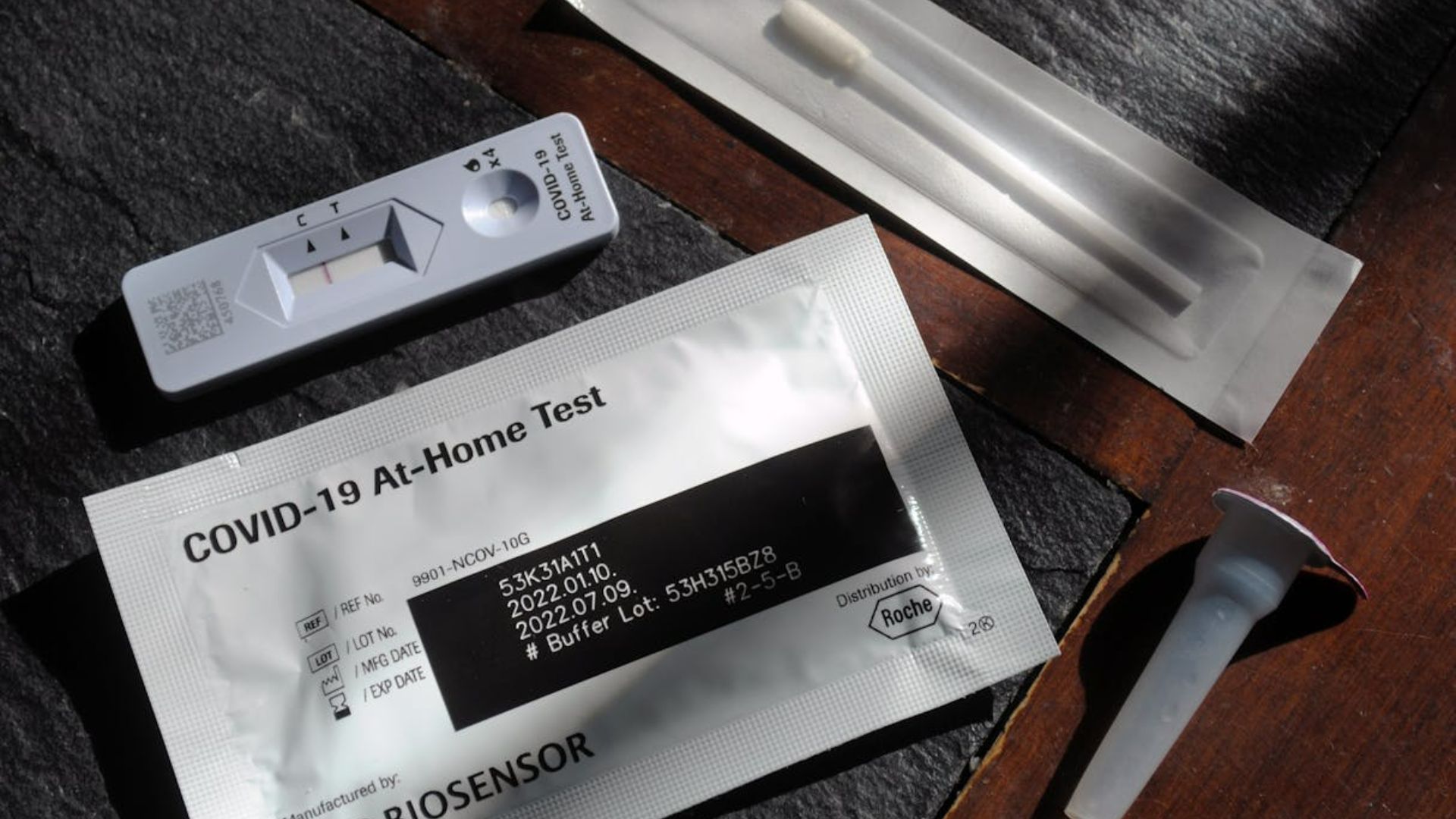
Symptom profiles for BA.3.2 appear consistent with other recent variants. The CDC lists cough, fever, sore throat, congestion, fatigue, headache, and shortness of breath as common symptoms, with some people also experiencing gastrointestinal issues such as nausea. Symptoms typically resolve with supportive care. García-Sastre noted that BA.3.2 remains sensitive to existing COVID antiviral drugs, meaning available treatments continue to work against this strain.
What Experts Are Watching and What Comes Next
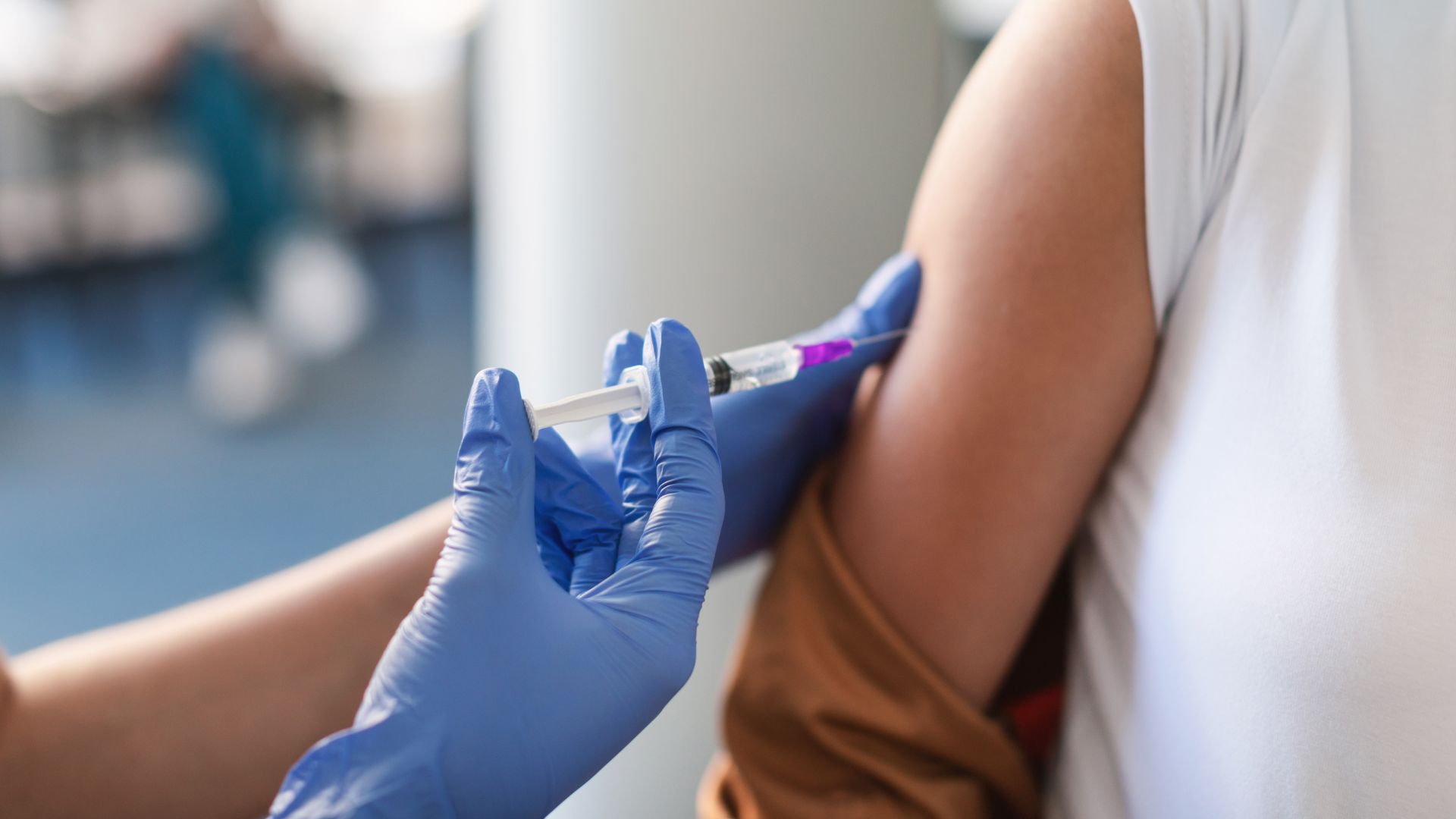
The 2025-2026 COVID vaccines target the JN.1 lineage and continue to offer protection against severe disease, but their effectiveness against BA.3.2 is reduced. A study published in The Lancet found a noticeably weaker immune response against BA.3.2 compared to XFG, the current dominant U.S. strain. Vaccines are typically reformulated each summer, and experts say that the update cycle remains the most direct path to a better-matched shot. “It likely still has some effectiveness,” García-Sastre said.
BA.3.2 has not overtaken dominant variants XFG and NB.1.8.1, and the World Health Organization, which classified it as a “variant under monitoring” in December 2025, noted it has not shown a sustained growth advantage over other circulating strains. “If it had really special advantages, we’d probably have seen it take off and dominate globally relatively quickly. We didn’t see that, but it’s not going away,” Pekosz said.
Neil Maniar, director of the master of public health program at Northeastern University, said the focus remains on protecting higher-risk groups, including adults over 65 and those with weakened immune systems. “We know that outbreaks can happen very quickly, especially as we move into warmer months and higher travel seasons,” Maniar said. Testing when symptomatic, staying home when sick, masking in crowded indoor settings, and consulting a doctor about a booster if vaccination or infection was more than 6 months ago are the steps experts recommend.