A New AI Startup Wants to Record Your Home While Cleaning It for Free. Here’s Why
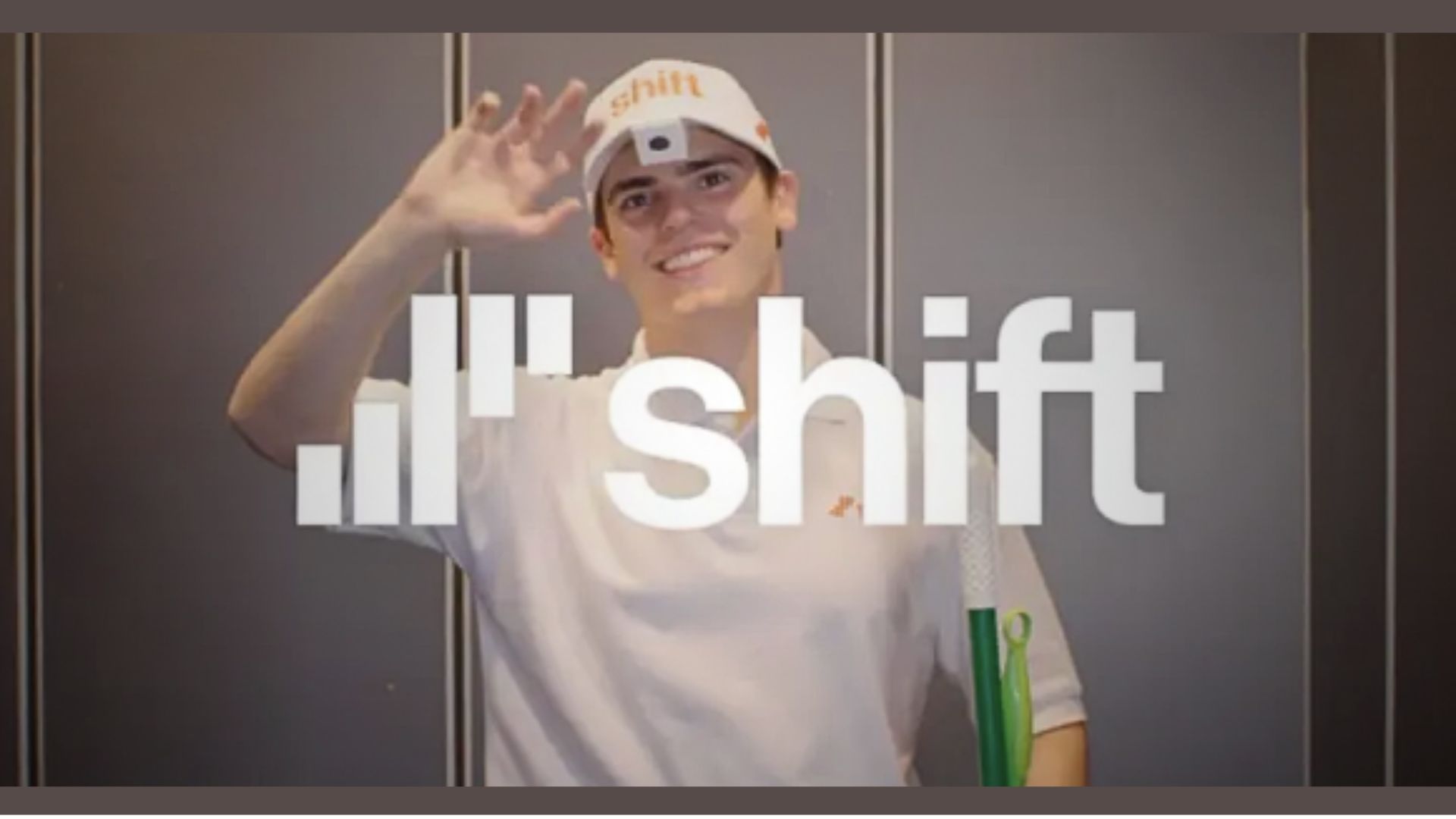

A startup called Shift is offering free home cleaning, but the service comes with an unusual condition. Customers must allow a camera-equipped worker to record the cleaning process, producing valuable data that could help humanoid robots perform household chores in the future.
Free Cleaning in Exchange for Household Data
Shift presents its offer in simple terms. A vetted company operator visits a customer’s home wearing a recording device, cleans the property, and leaves without charging for the service. In return, the startup keeps footage showing how the worker completes ordinary household tasks. Shift plans to use these recordings as training data for humanoid robots, allowing machines to learn from the movements, decisions, and techniques people use while cleaning real homes.
How Shift’s Unusual Service Works
The company describes its model with the phrase, “Tomorrow’s robots learn from today’s work.” Shift already employs robot trainers in different parts of the world, but its free cleaning program is initially launching in New York. Instead of asking customers to pay with money, the business treats recorded activity as a valuable resource. The footage collected during each appointment helps fund the service because robotics companies need realistic examples of humans completing physical tasks.
Early Access Is Attracting Major Attention
Public interest in the offer appeared almost immediately after Shift announced it on X. The post received thousands of likes and reposts, along with more than 1,000 replies. Shift encouraged users to leave a comment to receive an early access link, which helped the promotion spread quickly. The response suggests that many people consider free professional cleaning valuable enough to accept recording equipment inside their homes, at least when the arrangement is clearly explained beforehand.
Privacy Remains the Biggest Concern

Allowing a company to record inside a private residence naturally raises important questions. Customers may want to know what the camera captures, where the footage is stored, how long it is kept, and who can access it. Homes often contain family photographs, documents, computer screens, medications, security systems, and other sensitive details. Even when participation is voluntary, users need enough information to understand what they are providing and how the resulting data could be processed or shared.
Shift Says Personal Information Is Anonymized

Shift says anything personal appearing in the footage is anonymized before the recording is processed. However, that statement may not resolve every concern because identifying sensitive material is itself part of the data-handling process. Potential customers may still want clearer answers about whether humans review the footage, which security measures protect it, and whether recordings are sold or licensed to other companies. The offer reveals a broader challenge facing artificial intelligence, convenience can encourage people to exchange privacy for services.
Why Cleaning Footage Has Significant Value
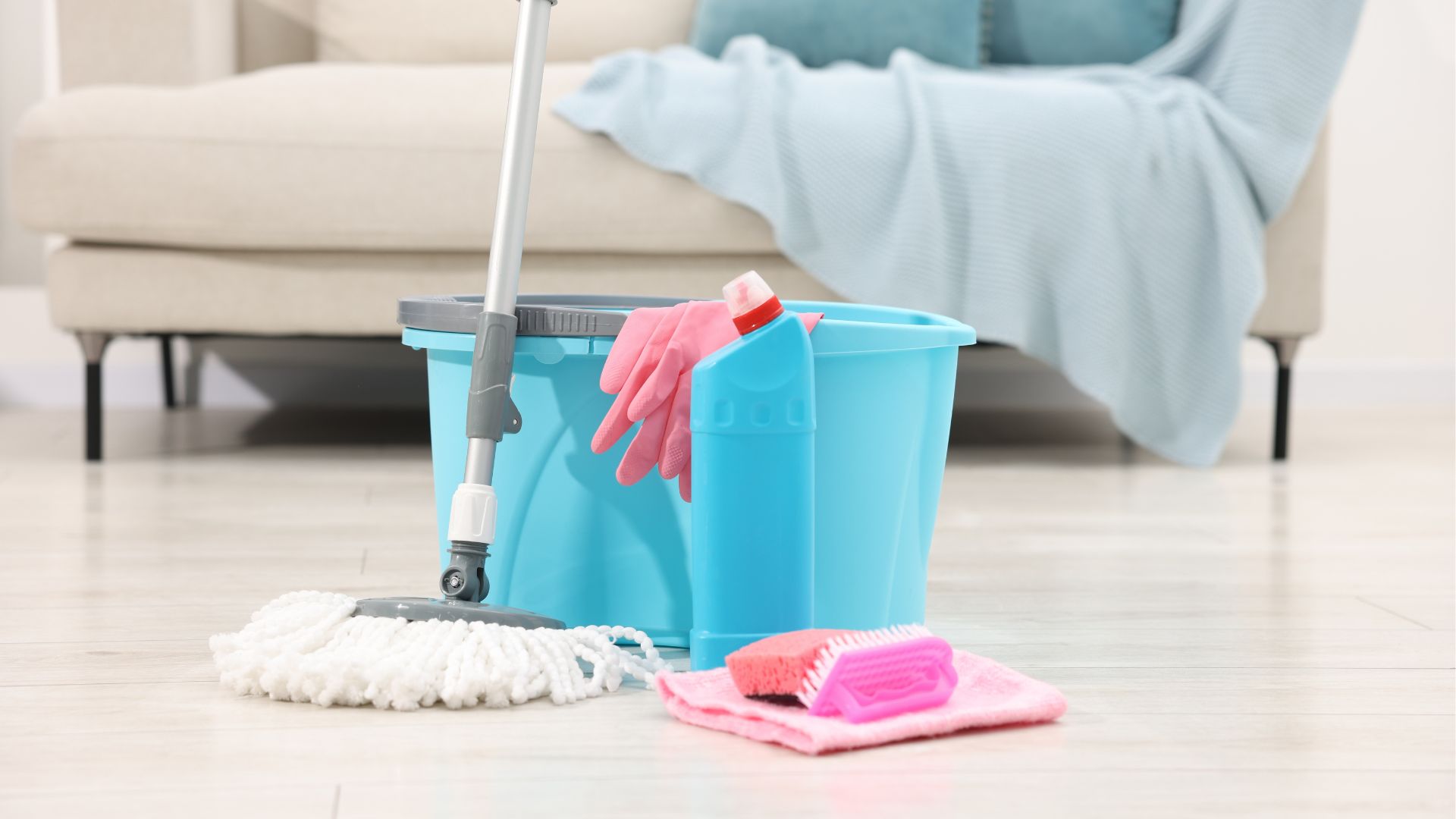
Professional housecleaning can cost anywhere from about $50 to $250, depending on the home, location, and services requested. If Shift can provide that work without charging customers, the recordings must hold considerable commercial value. Robotics developers such as Figure, 1X, Agibot, Apptronik, Neura Robotics, and Humanoid need large amounts of practical data to improve their machines. Real cleaning footage can teach robots how people handle tools, organize spaces, avoid obstacles, and adjust their behavior when conditions change.
Homes Are Difficult Places for Robots
Warehouses and factories usually have predictable layouts, defined work areas, flat surfaces, and repeated processes. Homes are far less consistent. Every property contains different furniture, objects, materials, room sizes, and potential hazards. A robot may need to recognize fragile decorations, move around pets, open unfamiliar cabinets, and decide which cleaning method fits each surface. Mat Gilbert, director of AI and data at Synapse, has described the home as one of the final frontiers for autonomous robotics because residential environments are so unstructured.
Human Demonstrations Can Make Robots Smarter
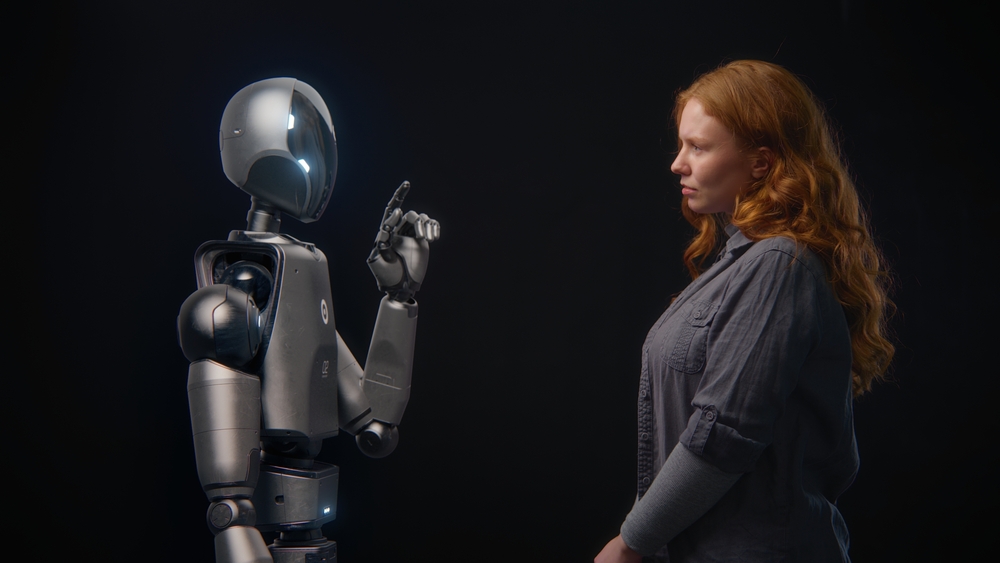
Robots improve when they receive detailed examples of people performing the tasks they are expected to complete. A recording can show more than the final result, it can capture how a cleaner grips a tool, changes direction, applies pressure, handles clutter, and responds to unexpected situations. With enough varied demonstrations, an artificial intelligence system may learn patterns that are difficult to program manually. Shift’s service is designed to collect this type of real-world information at scale.
The Technology Creates an Employment Dilemma
The person cleaning each home is also demonstrating the work that future robots may eventually perform. This creates a difficult social question. Automation could reduce the amount of tiring, repetitive, or physically demanding labor people must do, giving them more time for other activities. At the same time, cleaning jobs provide income for many workers and their families. If machines replace those positions, society will need new ways to help people earn a living and benefit from the productivity created by automation.
A Limited Offer With Long-Term Implications

Shift says its free cleaning service will only be available for a limited time, which may encourage interested New York residents to register quickly. Yet the larger story extends far beyond a promotional offer. The program demonstrates how valuable recordings of ordinary human activity have become as companies race to develop capable household robots. Customers may receive a spotless home, but the lasting product is the data, a resource that could shape how machines work, learn, and enter private spaces in the years ahead.