A Mysteriously Bright Supernova Stunned Scientists: Now They Think They Know the Cause
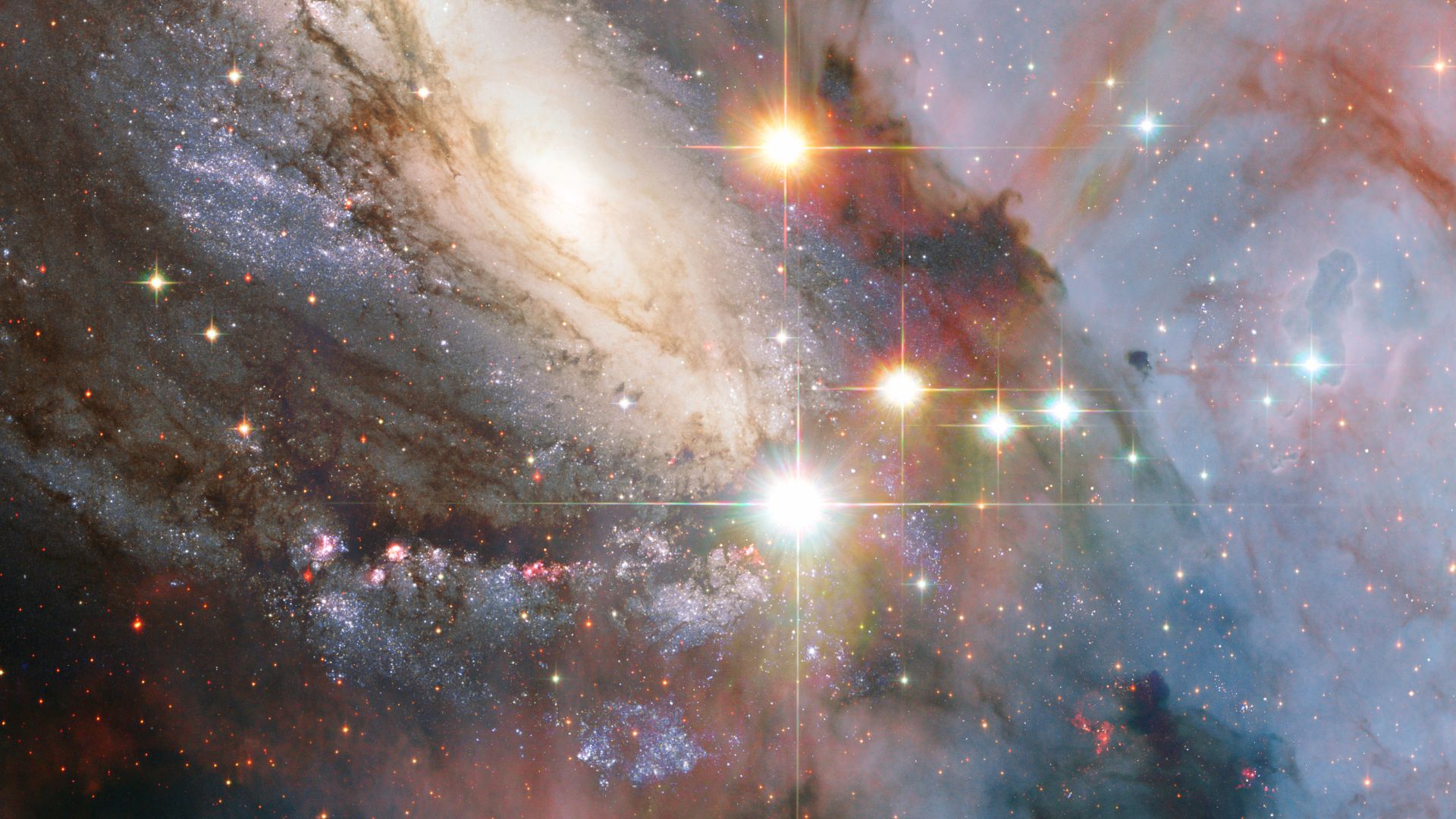

A distant stellar event captured the attention of astronomers around the world when an unusually bright supernova was detected in late 2024. Supernovas are already among the most luminous phenomena in the universe, often shining billions of times brighter than the Sun. However, a rare category known as superluminous supernovas can exceed even those extremes, reaching brightness levels up to one hundred times greater.
This particular explosion, located roughly one billion light-years away, offered researchers a unique opportunity to examine one of these extraordinary events in detail. Observations conducted through advanced telescopes, including global monitoring systems and survey instruments based in Chile, allowed scientists to track its evolution with remarkable precision.
As the data accumulated, researchers began to suspect that this was not a typical stellar death. Instead, it pointed toward a more complex mechanism unfolding at the heart of the explosion, one capable of sustaining such an intense and prolonged release of energy.
Uncovering the Engine Behind Extreme Brightness
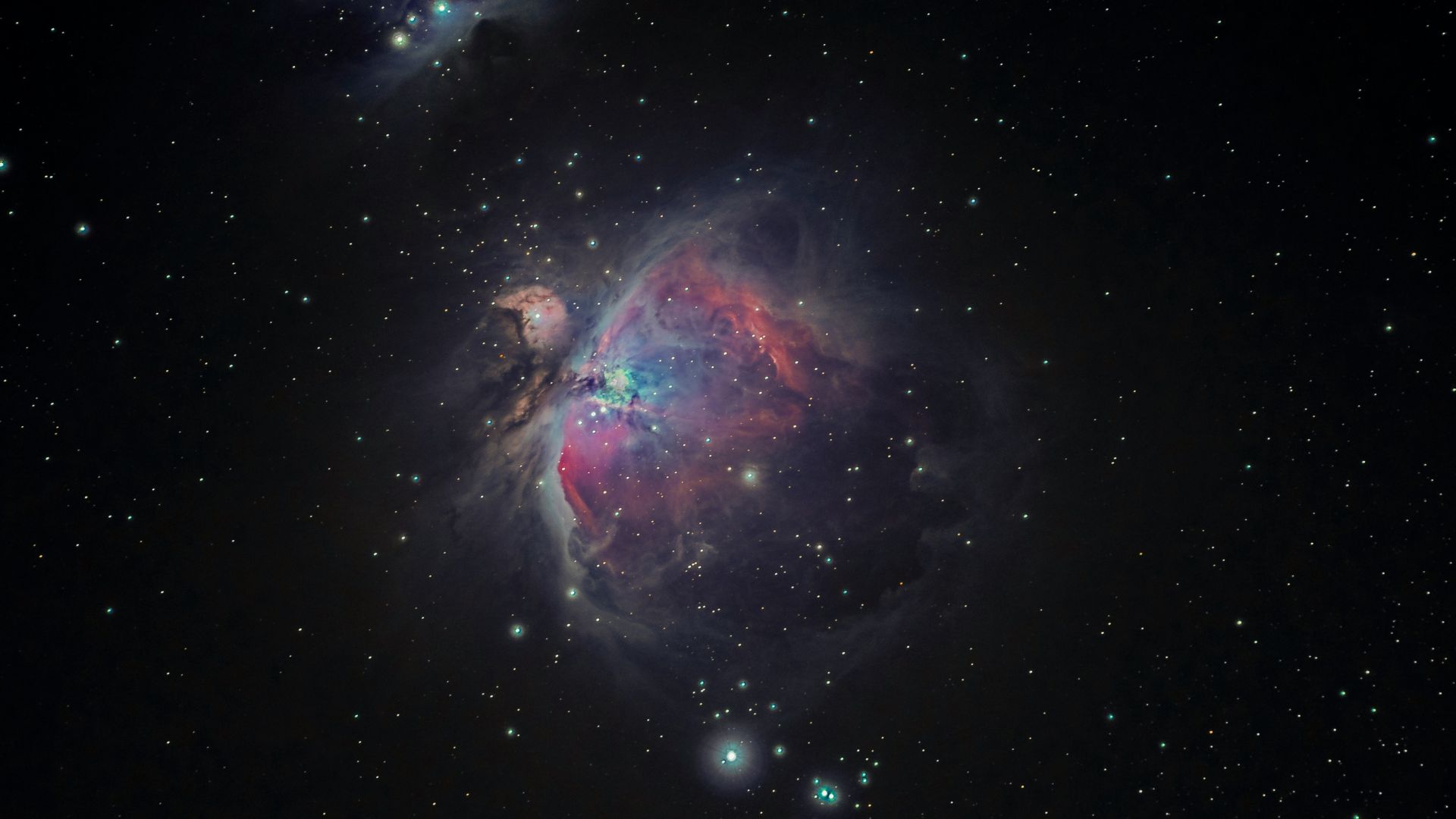
Further analysis revealed that the explosion likely left behind a magnetar, an exceptionally dense and rapidly rotating stellar remnant. Magnetars are a form of neutron star, created when a massive star collapses under its own gravity after exhausting its nuclear fuel. What makes them unique is their powerful magnetic field and their incredible speed of rotation.
In this case, the magnetar appears to have acted as an internal energy source, injecting additional power into the expanding cloud of gas and debris. As it spun hundreds of times per second, it accelerated charged particles and transferred energy outward, amplifying the brightness far beyond what is typically observed in standard supernovas.
This mechanism provides a compelling explanation for why certain supernovas reach such extreme luminosity. Instead of fading steadily, the presence of a magnetar allows the explosion to sustain and even intensify its glow over time.
A Dynamic Light Pattern Shaped by Cosmic Forces
One of the most intriguing aspects of this supernova was the way its brightness fluctuated over several months. Unlike conventional explosions that follow a predictable rise and decline, this event displayed noticeable variations in intensity, forming a pattern that gradually changed over time.
Scientists attribute this behavior to a phenomenon known as Lense-Thirring precession, an effect predicted by Einstein’s theory of relativity. As the magnetar spins, it distorts the surrounding space-time, causing the disk of material orbiting it to wobble. This motion alters how energy is distributed into the expanding supernova.
These variations in energy transfer result in the observed changes in brightness, offering a rare glimpse into the dynamic processes occurring deep within such explosions. The discovery not only explains the irregular light patterns but also strengthens the theoretical link between magnetars and superluminous supernovas.
What This Discovery Reveals About the Universe
Although many details about the original star remain uncertain, researchers believe it was extraordinarily massive, far exceeding the size and luminosity of the Sun. Its dramatic end highlights the immense forces at play in the life cycles of stars and the complex outcomes that can emerge under extreme conditions.
The scale of these events is difficult to comprehend. Even a typical supernova would outshine nearly any phenomenon observable from Earth. In comparison, a superluminous supernova can surpass the combined brightness of entire galaxies, underscoring its significance in cosmic terms.
This discovery represents an important step forward in understanding some of the universe’s most powerful explosions. By identifying the role of magnetars, scientists are beginning to piece together the mechanisms that drive these rare events, bringing greater clarity to one of astrophysics’ most enduring mysteries.