A Mysterious Shift on Venus Has Scientists Paying Close Attention
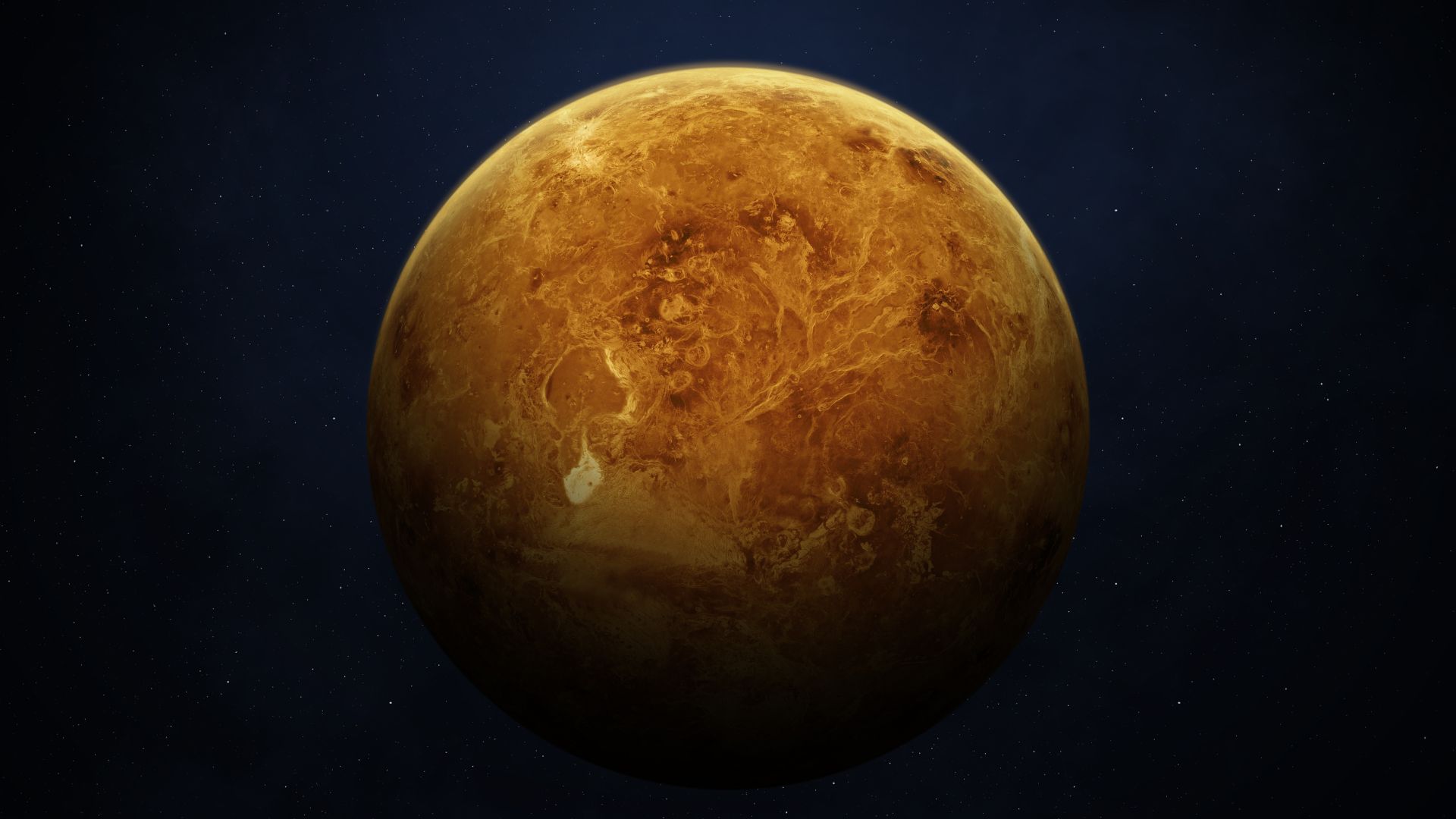

Venus has long fascinated scientists for how closely it resembles Earth, and how dramatically it diverged. What was once likely a familiar world transformed into an extreme, hostile environment, raising new questions about planetary evolution. Now, fresh research is shedding light on subtle atmospheric behaviors that could help explain how Venus works today, and how future missions might safely explore it.
Venus As Earth’s Unrecognizable Twin
Despite sharing a similar size, structure, and origin with Earth, Venus followed a radically different path, becoming a planet defined by crushing pressure and intense heat. Many scientists suspect a massive resurfacing event once reshaped its entire surface, erasing geological history in a single global transformation. Today, its dense carbon dioxide atmosphere fuels a runaway greenhouse effect, trapping heat with no natural release, while chemical traces hint that liquid water may have existed long ago before vanishing completely.
A Surface Shaped By Extremes
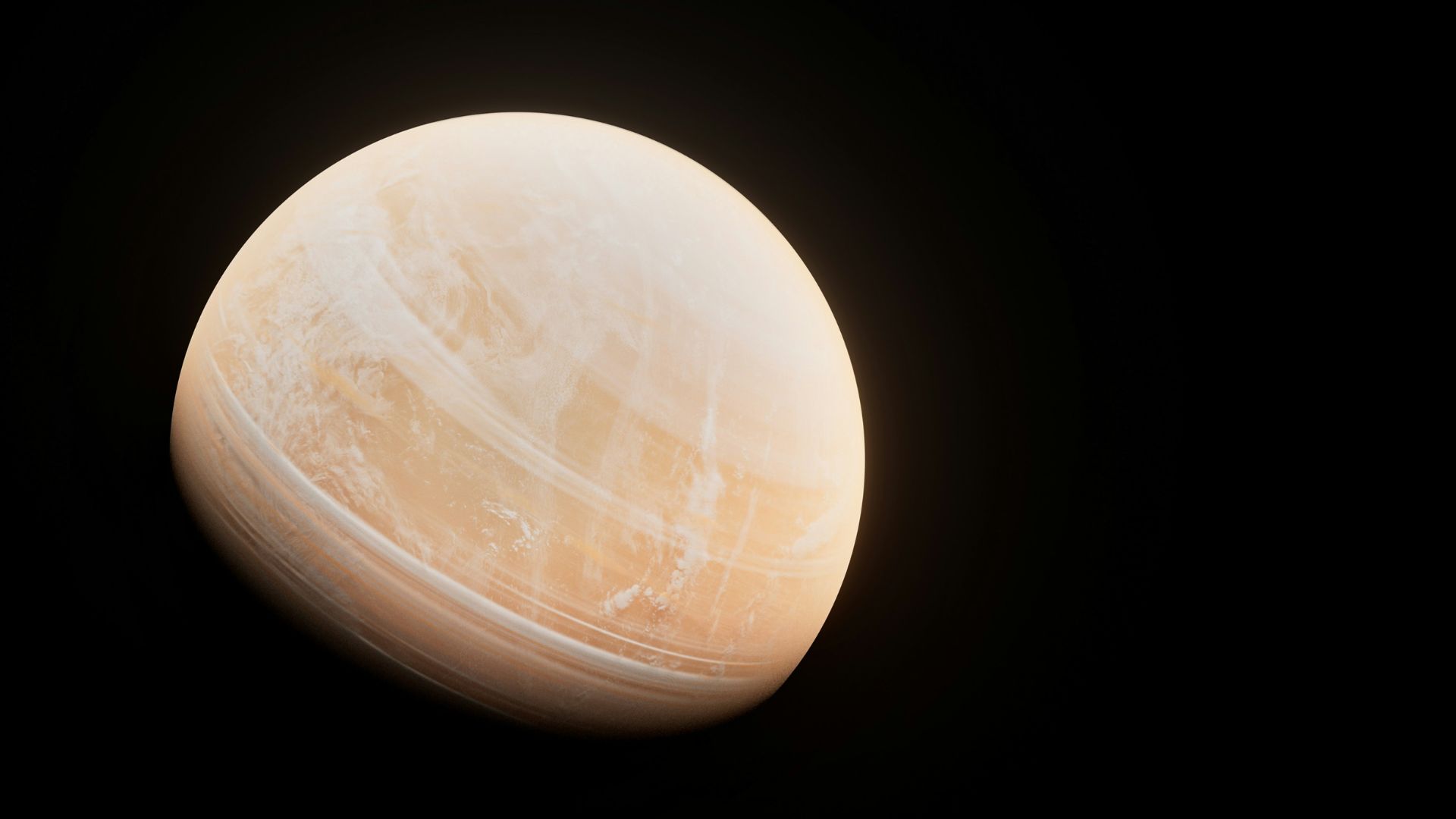
The surface of Venus remains one of the most challenging environments to study in the solar system, largely because of the planet’s punishing conditions. Only a few missions have successfully landed and transmitted data before failing under the intense temperature and pressure. As a result, researchers must rely on limited direct observations, making every piece of information especially valuable for understanding how the planet behaves.
Working With Limited Evidence
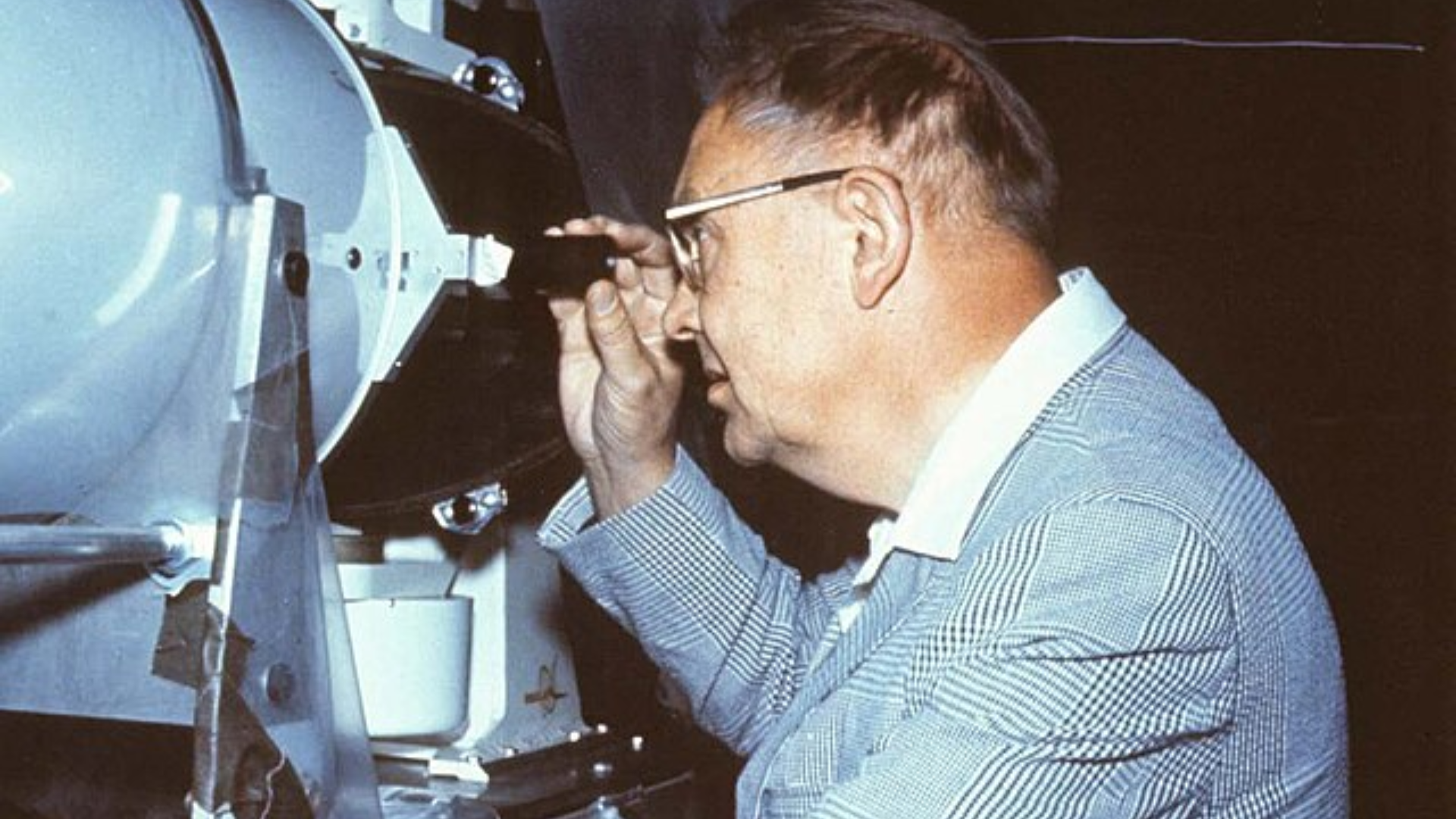
Interpreting Venus has always required caution, as emphasized by astronomers like Carl Sagan, who warned against overreaching conclusions from incomplete data. While imagination can fill gaps, scientific progress depends on disciplined analysis. Even so, small datasets can still reveal meaningful insights when approached with rigorous methods and careful modeling.
A New Approach To Venusian Data
A recent study led by Maxence Lefèvre at Sorbonne University takes a more refined approach to the available data. By combining past mission measurements with advanced modeling techniques, the research aims to better understand surface conditions. The ultimate goal is practical, helping engineers design future landers that can survive and operate within Venus’s harsh environment.
Regional Models Offer Better Insight
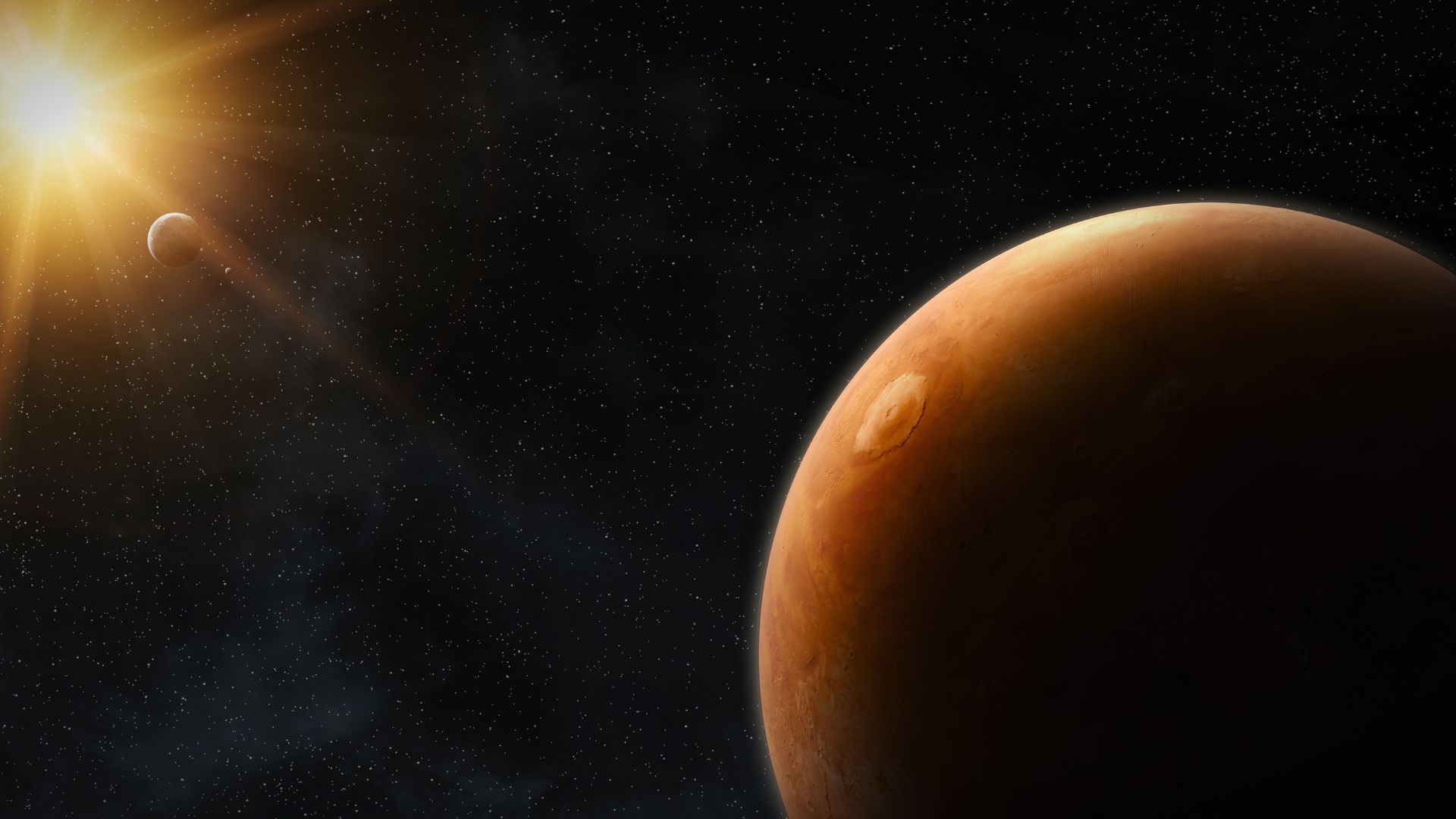
Instead of treating Venus as a uniform world, the study breaks the planet into distinct regions to better capture local variations. This allows scientists to examine how environmental factors differ across landscapes, leading to a more nuanced understanding of surface behavior. By focusing on regional dynamics, the model reflects a more realistic version of how Venus actually functions.
Wind As A Driving Force

At the center of these environmental changes is wind, the same fundamental force that shapes weather patterns on Earth. On Venus, wind influences both temperature distribution and the movement of dust across the surface. Even subtle air currents can play a significant role in altering local conditions over time.
Slow Winds With Powerful Effects

Measurements from past missions suggest that wind speeds near the surface are relatively low, around one meter per second. While this may seem minor compared to stronger winds on Earth or Mars, Venus’s dense atmosphere amplifies their impact. Moving such heavy air requires substantial energy, meaning even slow winds can exert considerable force on the surface and atmosphere.
Dust Movement And Surface Conditions
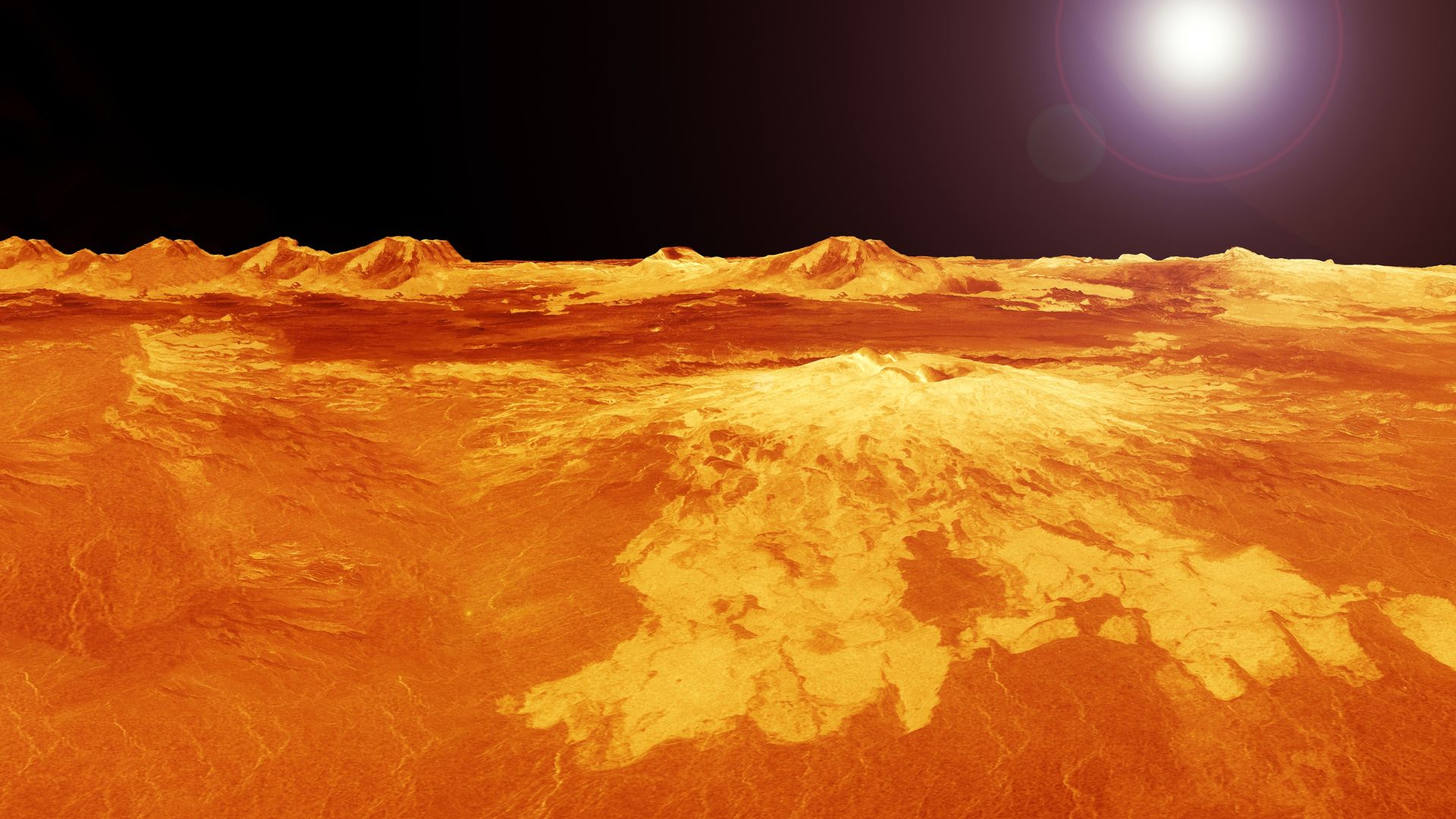
These atmospheric motions are also responsible for transporting dust, which can affect both visibility and mechanical stability for future missions. Understanding how dust behaves under Venusian conditions is essential for designing equipment that can withstand prolonged exposure. Even small particles, carried consistently over time, can influence the planet’s surface environment.
A Planet Of Long Days And Nights
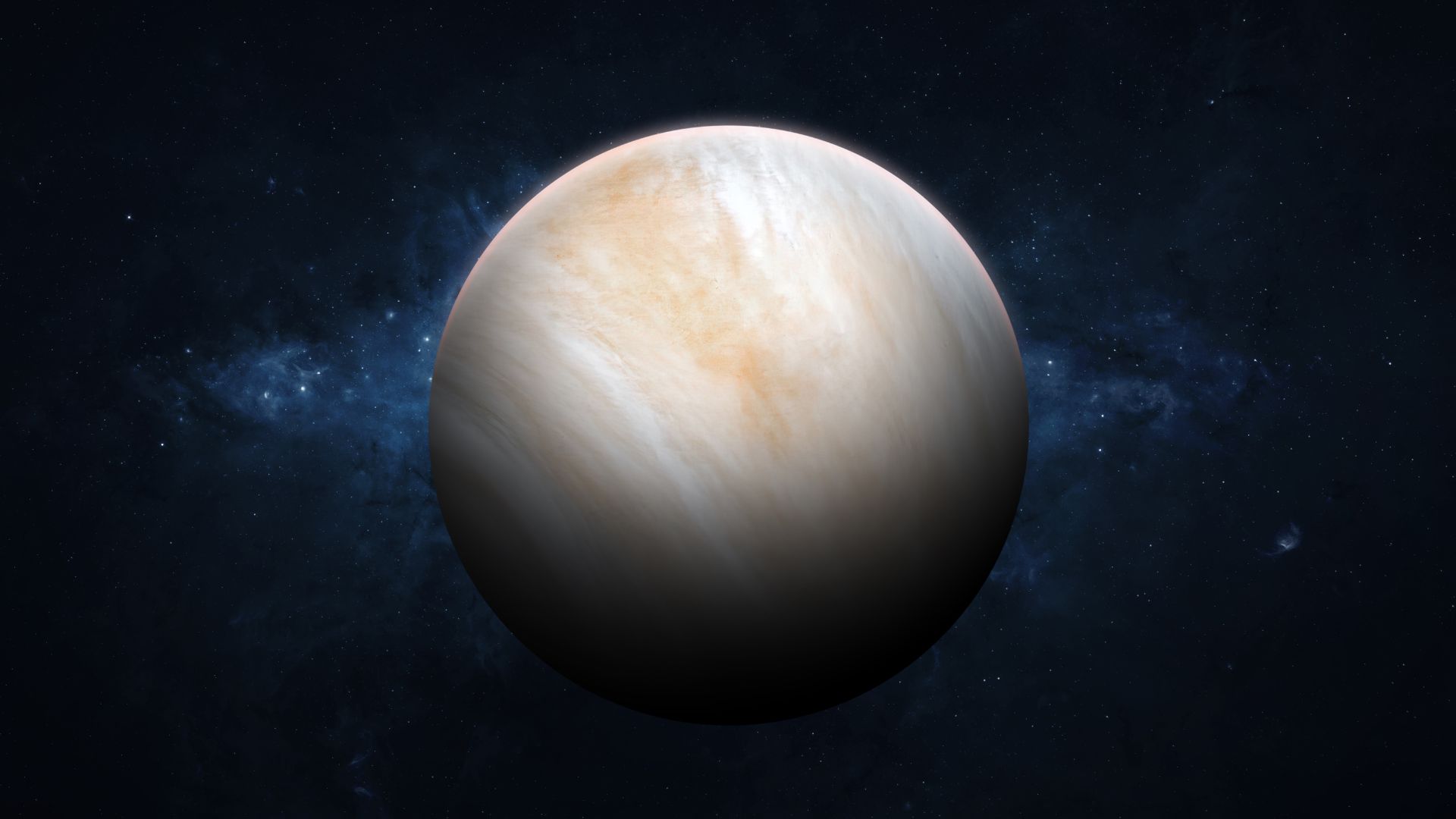
Venus experiences extremely long day and night cycles, each lasting about 117 Earth days. This slow rotation creates gradual but significant heating and cooling phases, as the planet absorbs solar energy over extended periods and releases it just as slowly. These prolonged cycles shape the atmospheric dynamics in ways very different from Earth’s rapid daily changes.
Different Regions, Different Behaviors
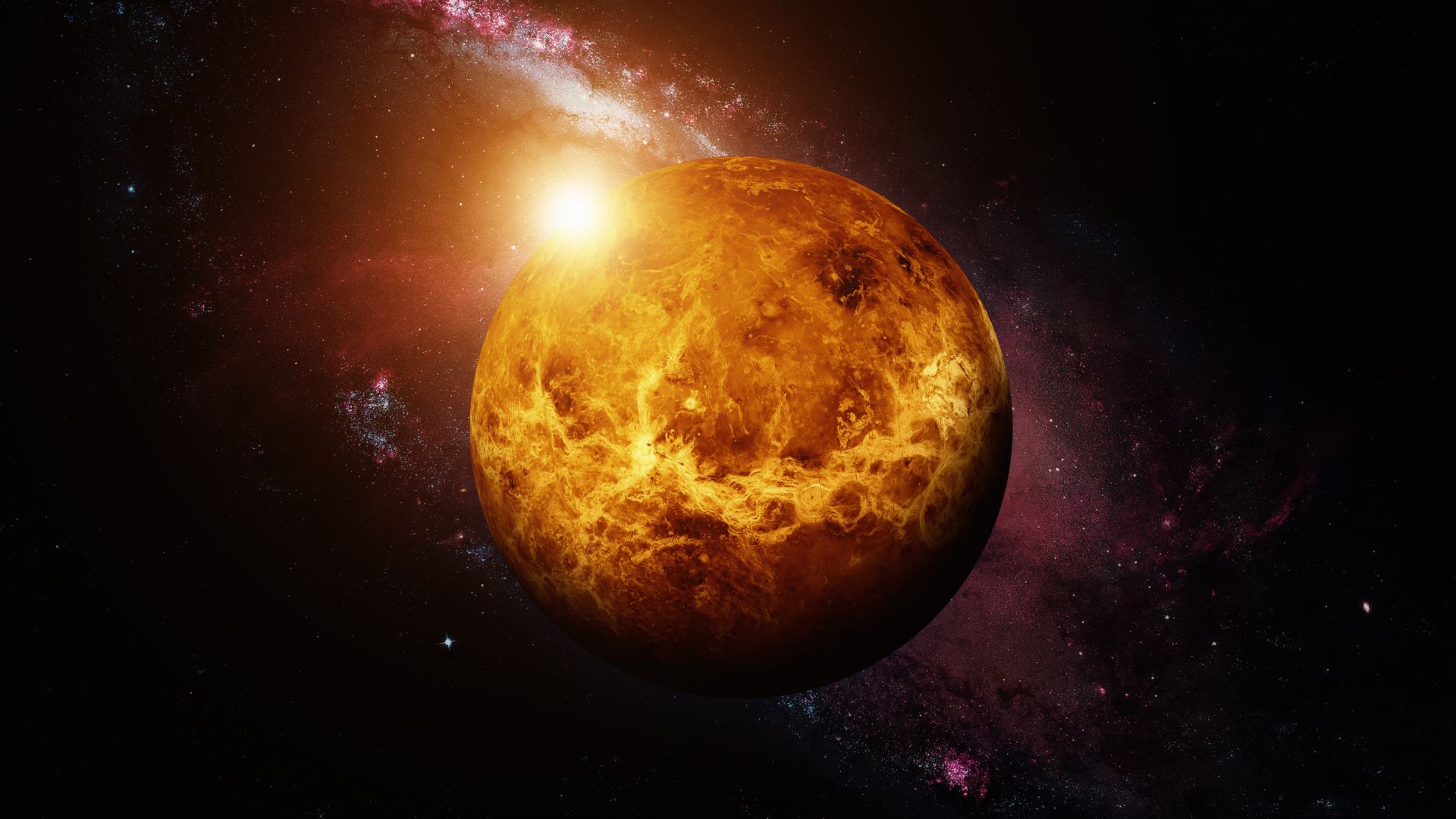
The study also highlights how these cycles affect various regions differently, particularly when comparing highland areas to lowland plains, and equatorial zones to polar regions. Temperature shifts and atmospheric responses vary depending on location, reinforcing the idea that Venus is far from uniform. This regional complexity is key to understanding both its current state and how future missions should approach exploration.