A Georgia Woman Says Losing Her Family’s Home to a Power Data Center Feels Like ‘Theft’
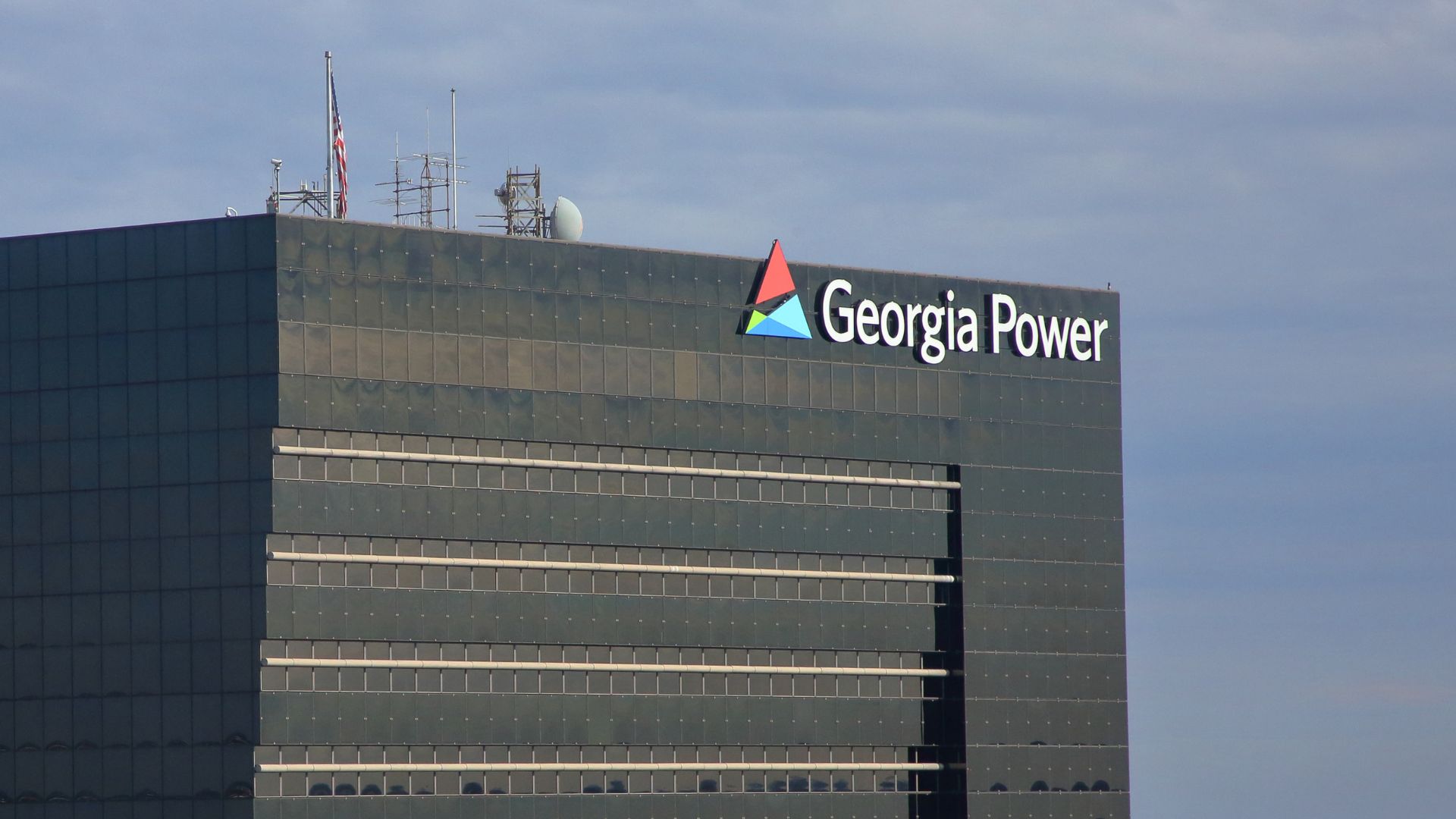

Ansley Brown grew up in a house in Coweta County, Georgia, built when she was five or six years old. Now that home sits in the path of a new transmission line, Georgia Power says it needs to serve the region’s growing power needs, much of it tied to data centers. Brown’s mother recently agreed to sell rather than risk losing the property through eminent domain, CBS News reported.
Brown does not soften what the sale means to her family. “To us it’s theft,” she told CBS News, describing it as a billion-dollar company taking land from people with no resources to fight back. Her family’s experience, she says, is one small piece of a much larger pattern playing out across rural Georgia.
For Brown, the house was never just property. She describes it as fully her family’s, the place where they belong. Her mother had hoped the land would one day support the next generation of the family, rather than be sold off. Instead, Brown says that the promise is unraveling as Georgia Power moves ahead with plans touching hundreds of properties statewide.
The Toll Extends Beyond One Family’s Land
Brown’s family is not alone in describing the toll of this buildout. Other Georgia homeowners have reported contaminated well water and damaged roofs tied to nearby construction. Residents in other areas have described utilities running new transmission lines through their property, in some cases putting high-voltage poles just yards from their homes, according to Consumer Reports. Diana Dietz, who lives several miles from a QTS data center campus in Fayetteville, told Consumer Reports that excavation trucks, flatbeds, and cement trucks now speed through once quiet residential roads.
Georgia Power says its existing grid has not kept up with growing energy needs, and building the new line means acquiring more than 300 parcels of land, including homes like Brown’s. The company estimates 70 to 80 percent of the power carried on the new line will go toward data centers, while the remaining 20 to 30 percent will serve growing residential and commercial needs across the state, CBS News reported.
When landowners will not agree to sell, utilities can turn to eminent domain, a legal process that allows private property to be taken, with compensation, for projects considered to serve a public purpose. Georgia Power spokesperson Holly Lovett told CBS News the company treats eminent domain as a last resort it never wants to use, and maintains it has handled the acquisition process responsibly.
A Pattern of Secrecy and Pushback
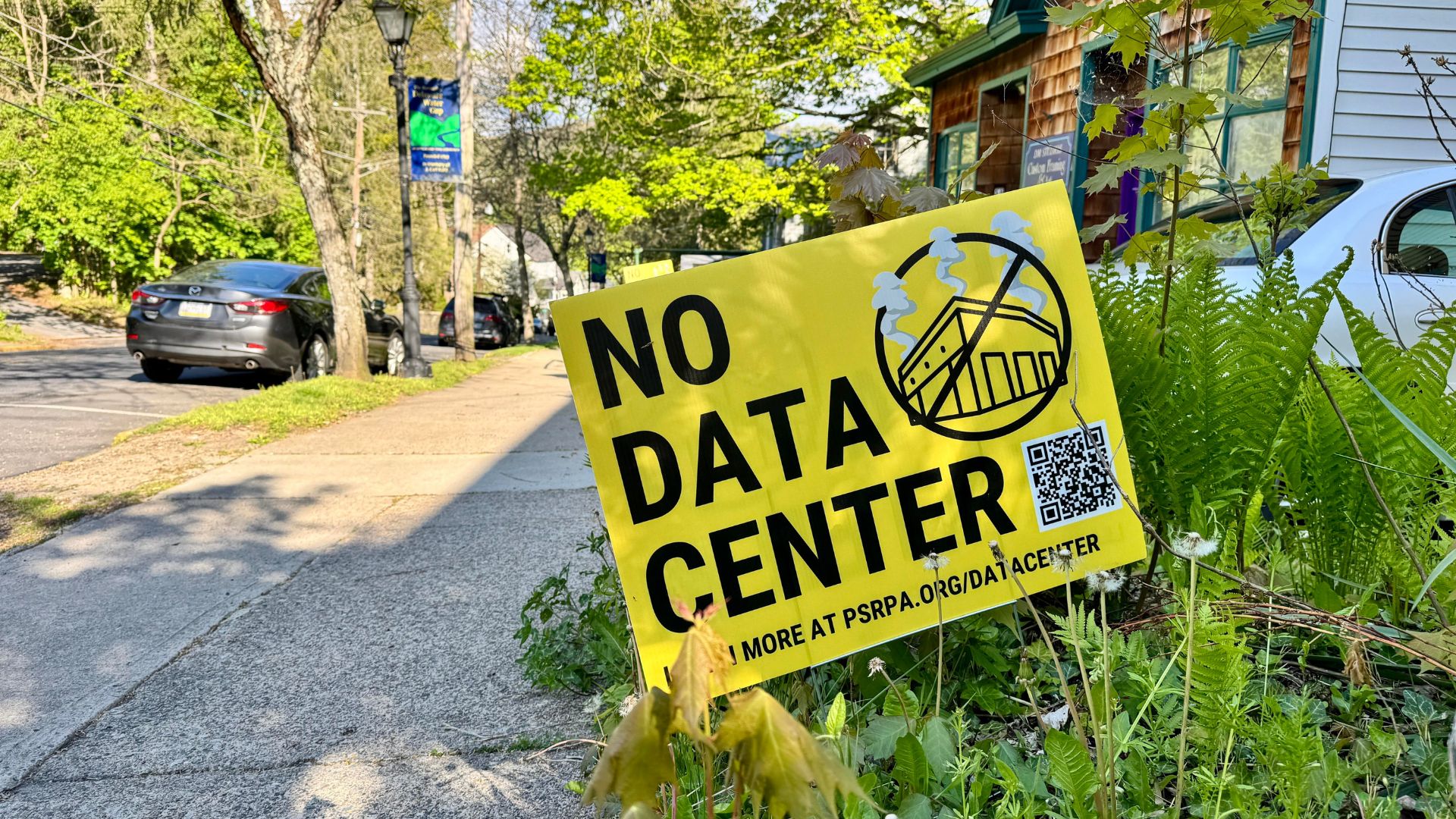
Opposition has started to slow some projects down. Research firm Data Center Watch found that community pushback led to 98 billion dollars in data center projects being blocked or delayed between March and June 2025. A January 2026 Heatmap Pro review found that at least 25 projects were canceled the previous year after local objections. Rising electric rates and data center growth have also become campaign issues in states including Georgia and Virginia, Consumer Reports reported.
Much of this development happens with little public notice. A University of Mary Washington review of 31 Virginia communities with data center projects found that 25 had nondisclosure agreements with local officials, often keeping residents from learning a facility was even planned, Consumer Reports reported. Amy Sharma of the nonprofit Science for Georgia told Consumer Reports the process is deliberately opaque, calling it a “mysterious, don’t-look-behind-the-curtain process” that she says fuels much of the public’s frustration.
Some tech companies have started responding to the criticism. Microsoft pledged to cover its own electricity costs and reduce water use, while Anthropic committed to covering electricity price increases tied to its data centers. Executives from several firms signed a nonbinding pledge with the White House in March. Harvard’s Peskoe has said the pledge does nothing to help consumers, since utility regulators still make the final decisions on who pays, Consumer Reports reported.
What Brown Says She Still Wants

It’s already too late to save her family’s home, Brown acknowledges, but that hasn’t stopped her from speaking out. She began sharing her story on TikTok, along with stories of other families in similar situations, according to CBS News. What her mother wants now, she says, is something Georgia Power has not yet given her.
An apology, not a payout, is what Brown says her mother wants most, after what she describes as a year of pressure from the company with no apology offered. Georgia Power told CBS News it believes it has approached the negotiations in good faith and tried to make the overall process manageable for property owners. The company also said it does not publish lists of the customers behind its data centers, citing security concerns.
Georgia’s fight over data center land is one example of a much wider reckoning playing out as construction accelerates nationwide. Lawmakers in more than 30 states have introduced over 300 bills this year addressing data center moratoriums, tax incentives, and energy policy, according to Multistate. Whether that activity leads to real change for families like Brown’s, or simply documents a debate still playing out, remains to be seen.