A Developing El Niño Will Cool the Northeast This Summer but the West and South Are in for a Brutal One

A developing El Niño weather pattern is expected to reshape the U.S. summer in dramatic ways, bringing a surprising divide across the country. While parts of the Northeast could see slightly cooler and more comfortable conditions, forecasters warn that the West and South may face intense heat, dryness, and increased wildfire risks. As ocean temperatures in the Pacific begin to shift, scientists say this emerging pattern could influence everything from daily temperatures to storm activity, making summer 2026 one of the most uneven in recent years.
What Is El Niño and Why It Matters
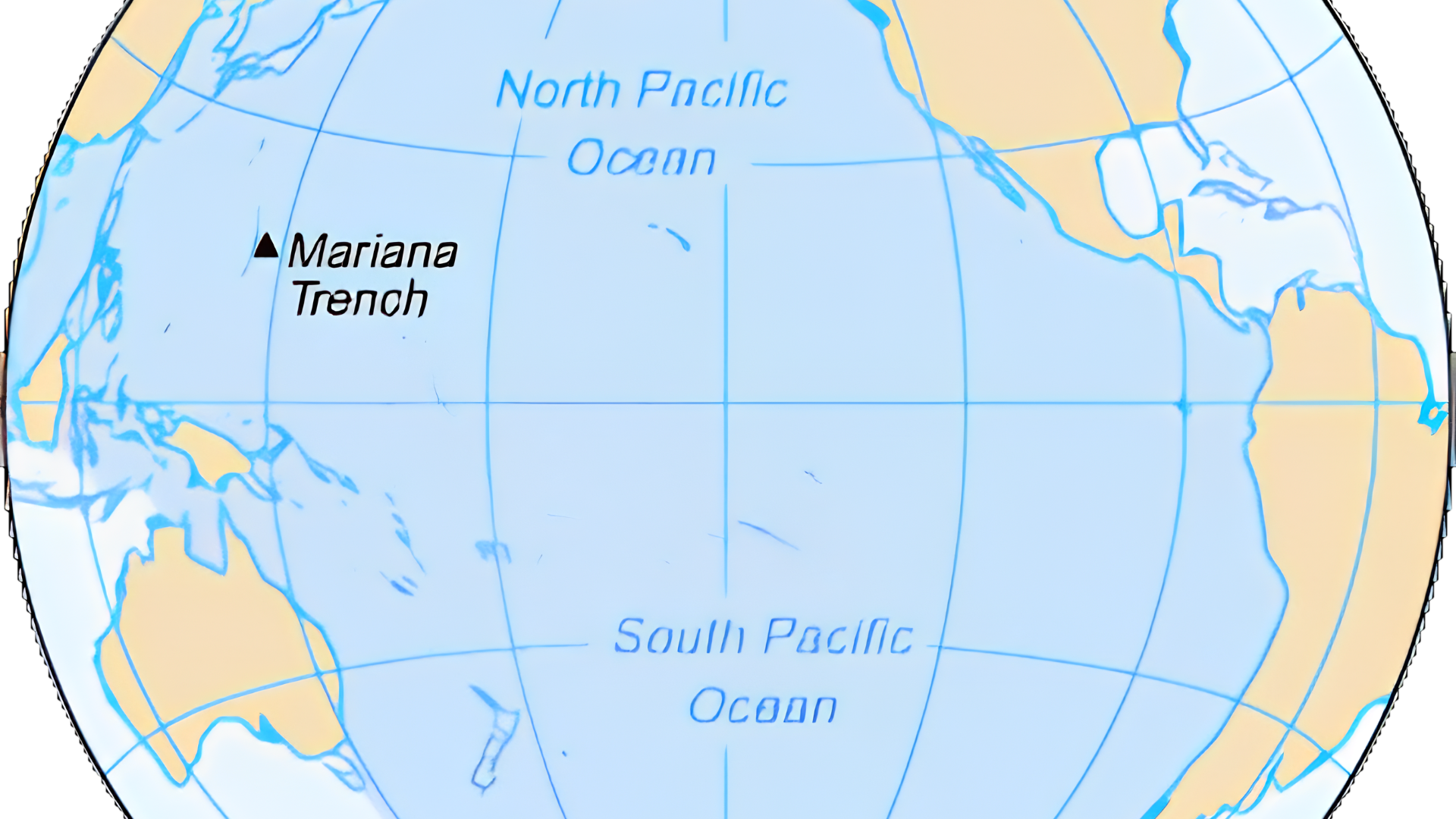
El Niño is a climate pattern caused by unusually warm ocean temperatures in the central and eastern Pacific, which disrupt global weather systems and shift atmospheric patterns. These changes can alter rainfall, temperature, and storm activity across continents, including the United States. Experts say there is now a strong likelihood (around 60%) that El Niño will develop during the summer and persist into the end of 2026, making its influence a key factor in seasonal forecasts.
Why the Northeast Could Stay Cooler
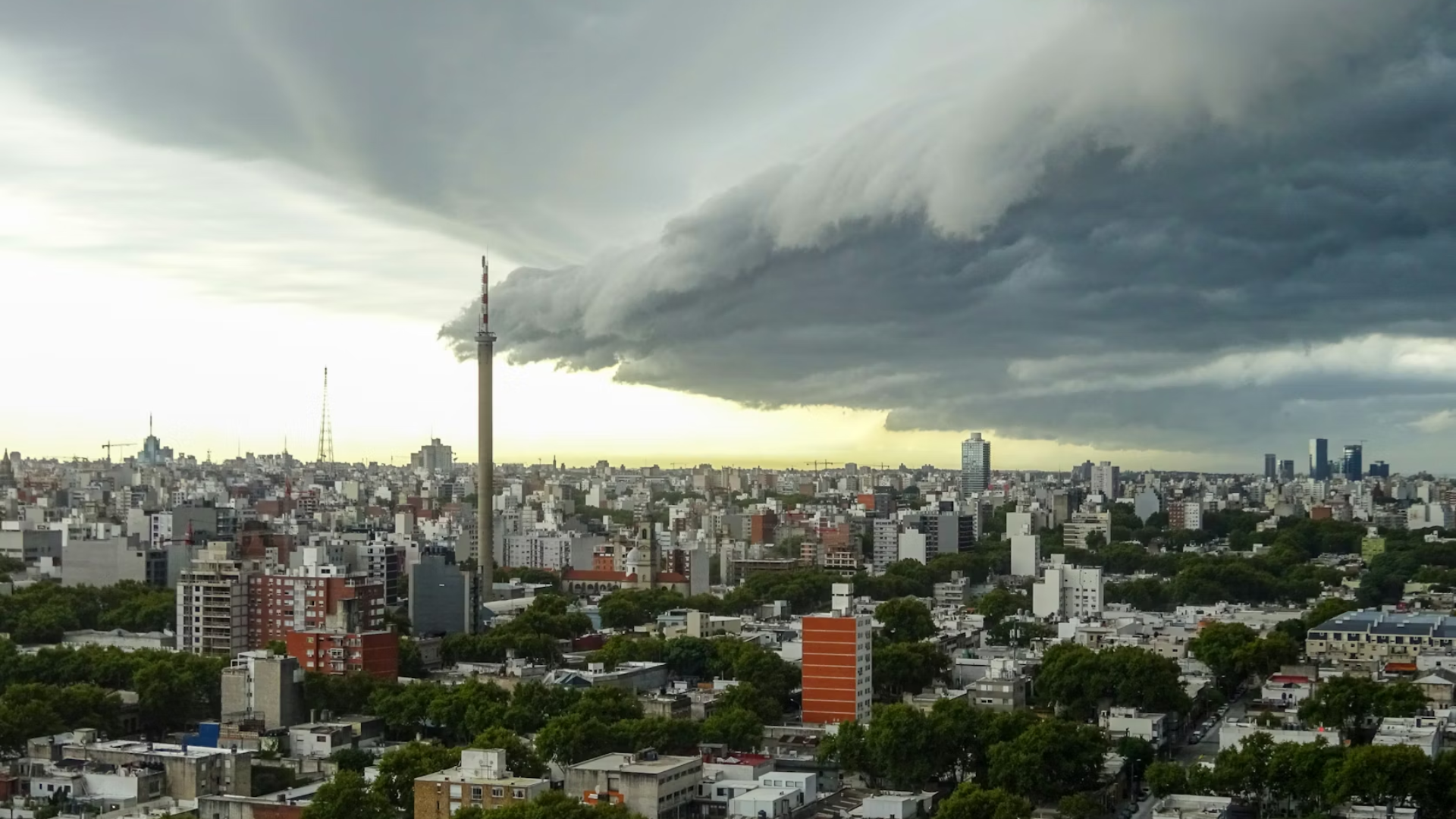
One of the more surprising outcomes of this developing El Niño is a tendency for cooler-than-average temperatures in the Northeast. Atmospheric patterns linked to El Niño can create more frequent low-pressure systems over the eastern U.S., which help bring cloud cover, rainfall, and cooler air into the region. This setup can limit extreme heat events and provide some relief during peak summer months compared to typical conditions.
The West Could Face Extreme Heat and Dryness
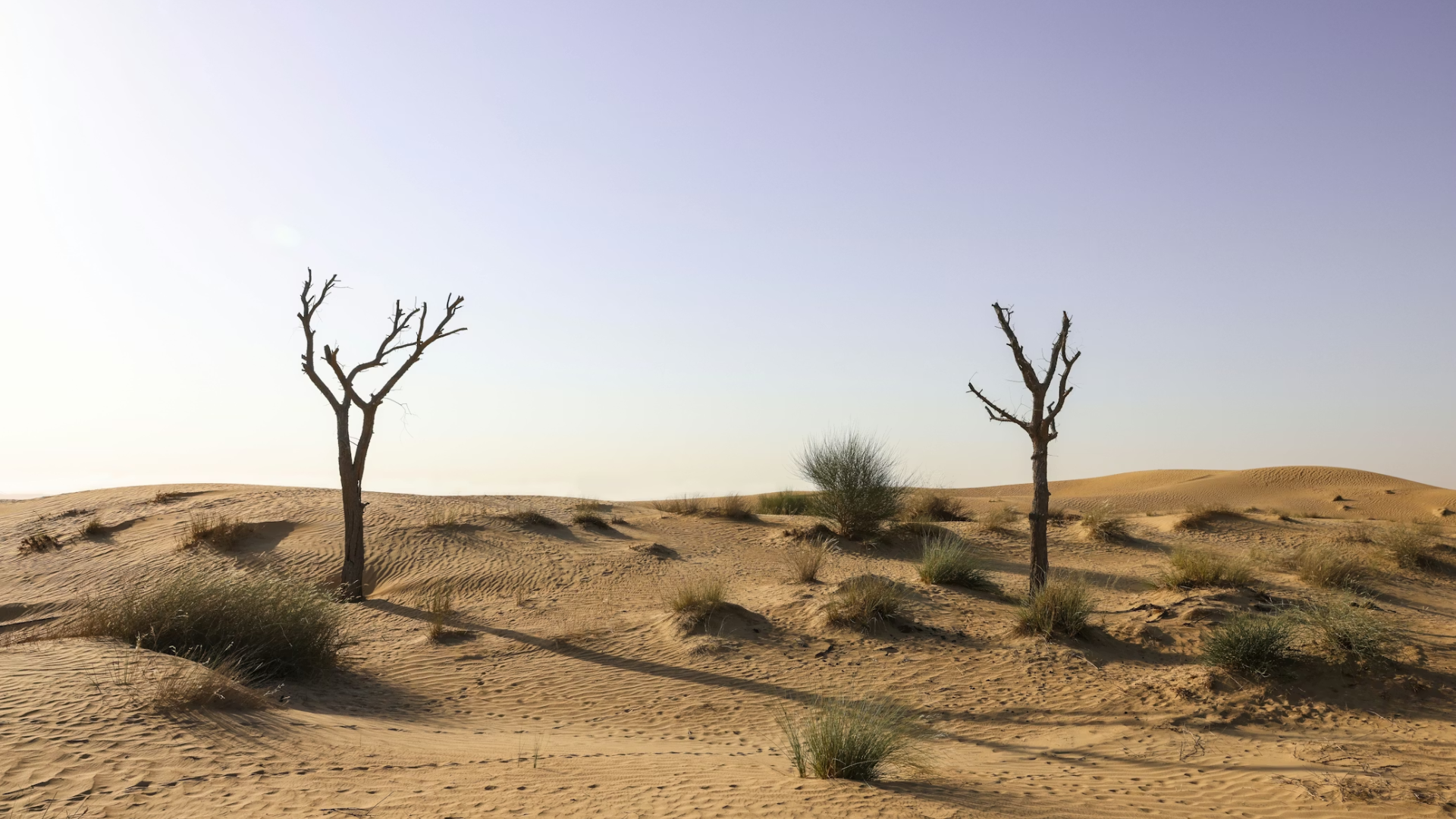
In contrast, the western United States is expected to experience hotter and drier conditions, which could lead to a difficult summer season. El Niño patterns often reduce rainfall in parts of the West while allowing heat to build more easily, especially in already arid regions. This combination increases the likelihood of drought conditions and puts additional stress on water supplies across states like California, Nevada, and Arizona.
Wildfire Risk Is Expected to Rise
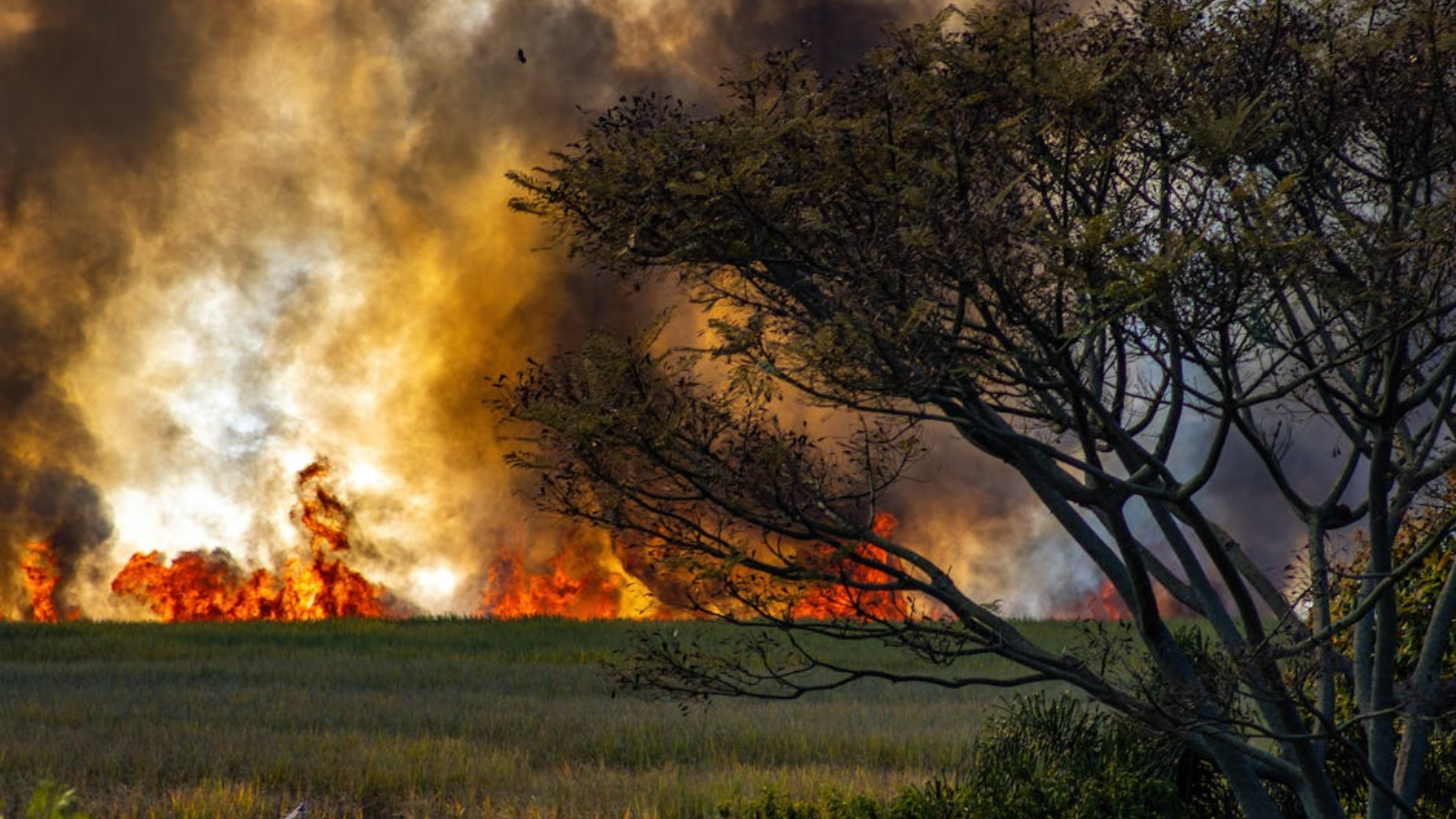
The dry and hot conditions expected in the West and Pacific Northwest could significantly increase wildfire risk during the summer months. Experts warn that reduced precipitation and higher temperatures create ideal conditions for fires to start and spread quickly, particularly in areas already dealing with dry vegetation. Officials in several states are already preparing for a potentially intense fire season as El Niño develops.
The South Could Also See Intense Heat

The southern United States is also likely to experience above-average temperatures, with prolonged heat waves becoming a major concern. El Niño can contribute to shifting jet stream patterns that allow warm air to dominate across the southern tier, increasing the risk of extreme heat events. Combined with existing climate trends, this could make summer conditions particularly challenging in states across the Gulf Coast and Southwest.
Rainfall Patterns Will Be Uneven Across the Country
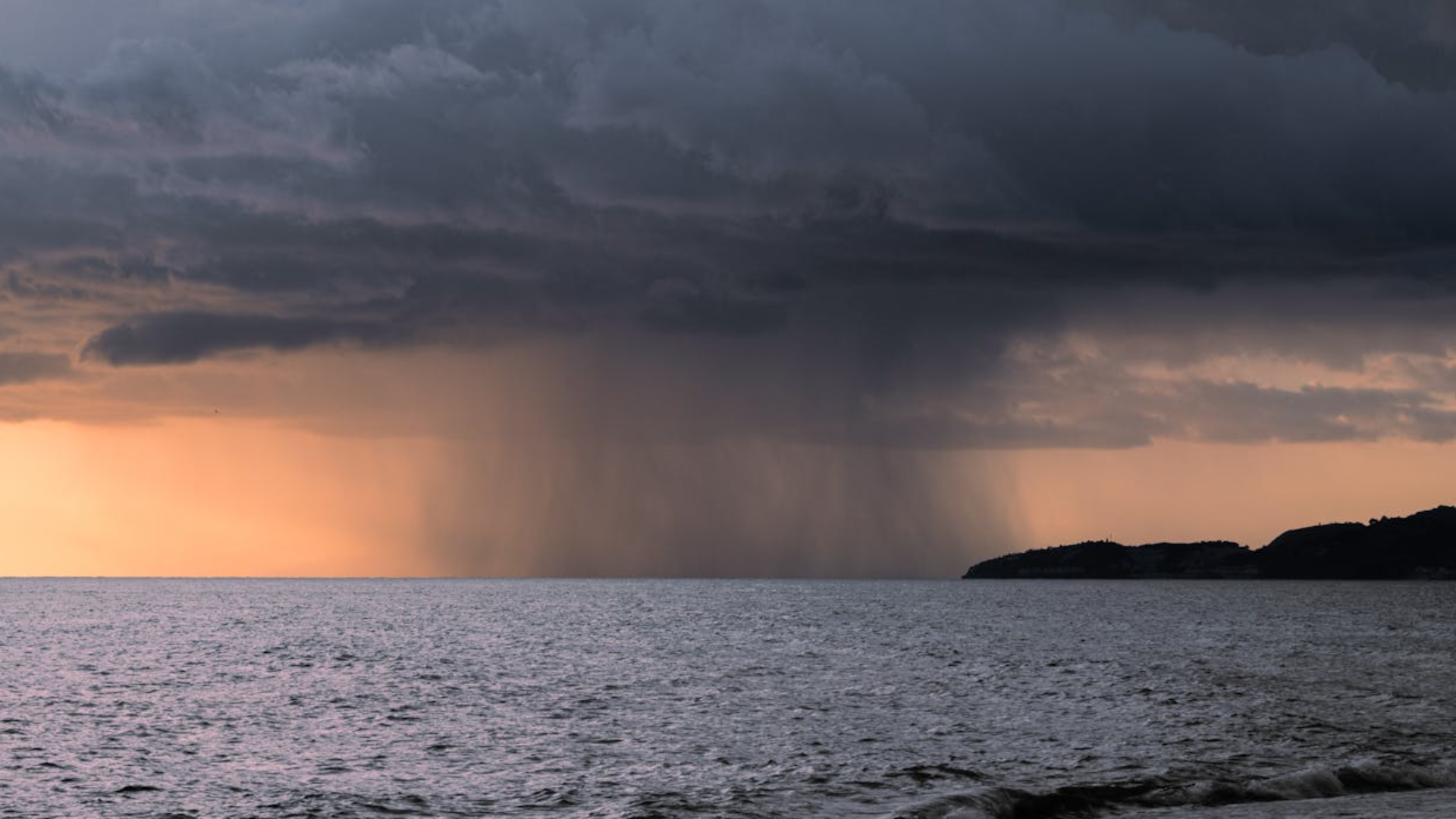
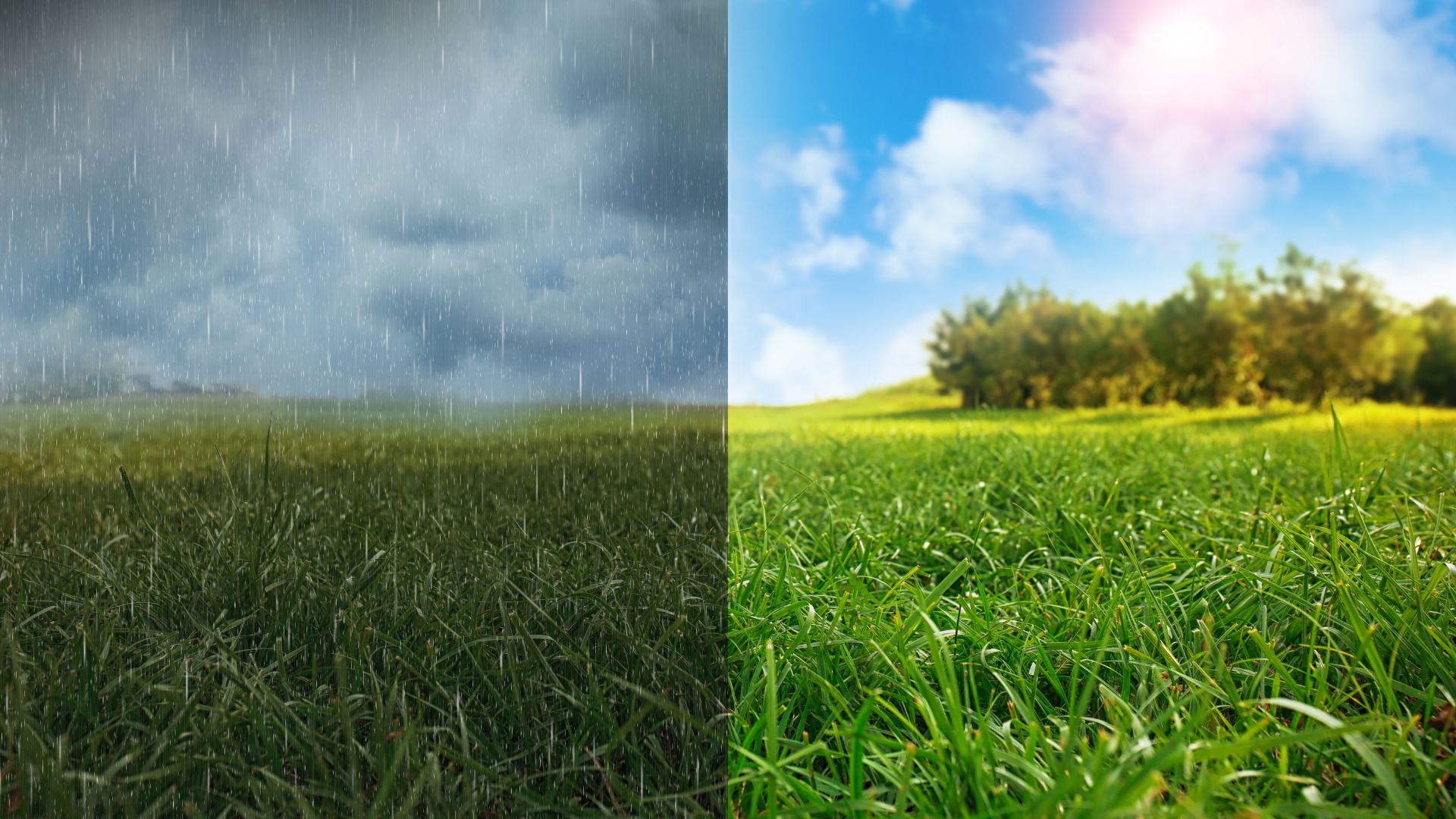
El Niño doesn’t just influence temperature, it also shifts where rain falls. Some parts of the Northeast and northern U.S. may see increased rainfall, while large portions of the West and South could experience below-normal precipitation. This uneven distribution can lead to flooding in some areas and worsening drought in others, highlighting how complex and region-specific El Niño’s effects can be.
Hurricane Season Could Be Less Active

One potential upside of El Niño is its tendency to suppress Atlantic hurricane activity by increasing wind shear, which disrupts storm formation. Early forecasts suggest the 2026 hurricane season could be near or slightly below average as a result. However, experts caution that even a quieter season can still produce dangerous storms, so preparation remains essential.
Why This Summer Could Feel So Extreme

What makes this summer especially notable is the contrast between regions, with cooler conditions in the Northeast and extreme heat in the West and South occurring at the same time. This kind of split pattern is a hallmark of El Niño’s influence on atmospheric circulation, where shifting pressure systems create dramatically different outcomes across the country. The result is a summer that feels uneven and unpredictable depending on location.
What This Means for the Months Ahead
As El Niño develops, its full impact will continue to evolve, but early forecasts already suggest a summer of contrasts across the United States. Cooler conditions in the Northeast may offer some relief, while the West and South brace for heat, drought, and wildfire risks. With the pattern expected to strengthen into late 2026, experts say staying informed and prepared will be key as the season unfolds.