A Country Club Built a Seawall Without Approval. Nearly 1,000 Days Later, the State Still Wants It Removed.
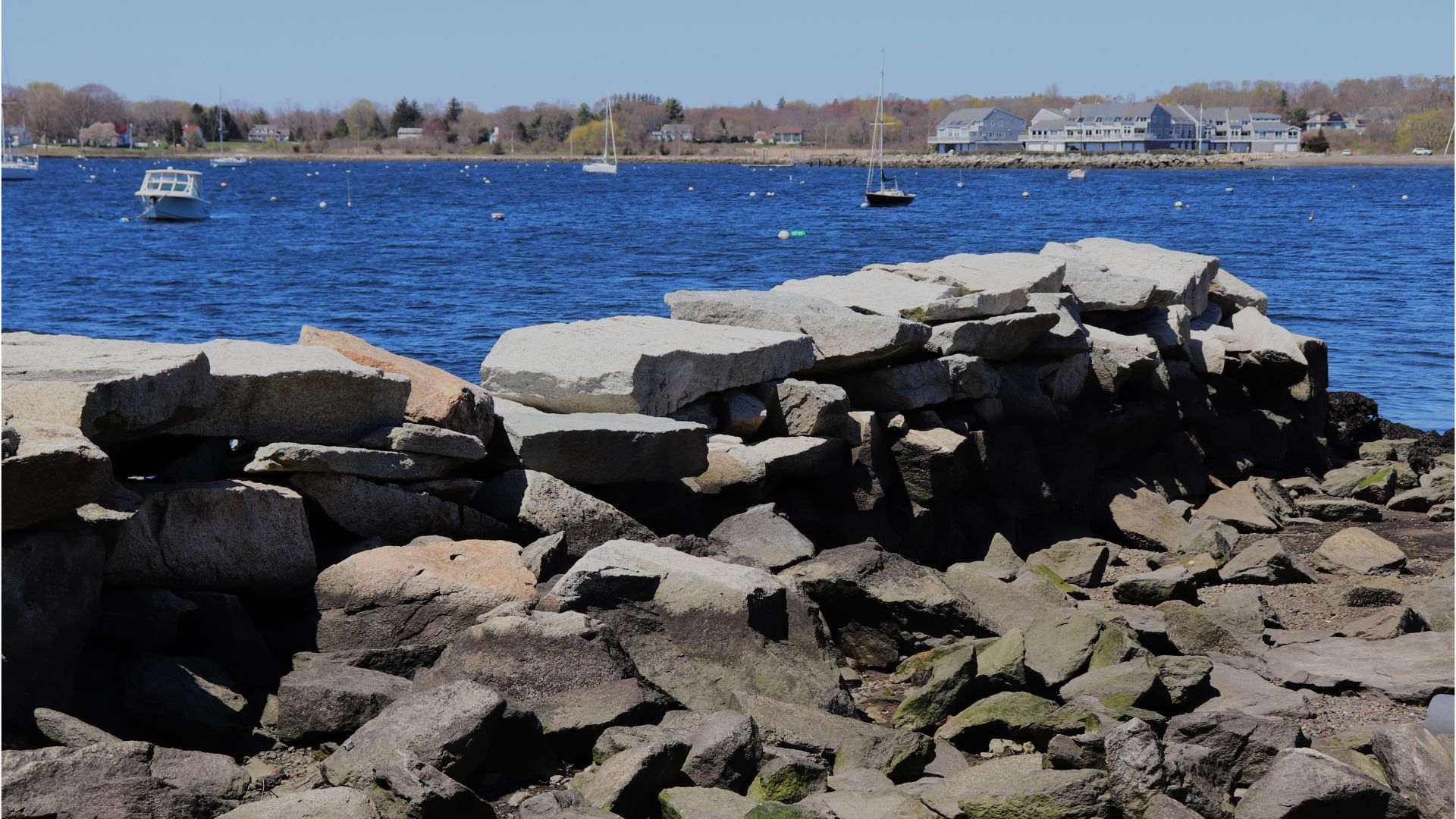

A newly built stone wall along Narragansett Bay in North Kingstown, Rhode Island, has divided a coastal community. Quidnessett Country Club built the barrier in the winter of 2023 without a required state permit, aiming to protect its signature 14th hole. Nearly 1,000 days after officials first inspected it, the wall still stands, and the state’s fight to remove it has escalated into a lawsuit.
A Kayaker’s Discovery Set Off a Years-Long Fight

The dispute became public in mid-2023 when a kayaker paddling Narragansett Bay noticed the newly built rock wall and alerted local activists, who informed the state. According to the Wall Street Journal, investigators found a structure roughly two football fields long, about 600 feet, and 20 feet tall separating the golf course from the water. Rhode Island Current reported the wall was built entirely without a permit.
Three Decades of Erosion Threaten the Club’s Signature Hole

Quidnessett’s lawyers say erosion has claimed roughly 50 feet of the course over three decades, threatening the 526-yard, par-5 14th hole the club calls its signature stretch. A separate fence was installed at one point, according to the club, to keep golfers from falling into the eroded area below. Club representatives argue that losing the hole would jeopardize the course’s ability to host professional tournaments and maintain its property value.
Earlier Fixes Failed Before the Wall Went Up

This was not the club’s first attempt at shoreline protection. In 2012, Quidnessett applied for a permit to build a steel wall, but state regulators denied it. The club then installed sand-filled tubes, known as burritos, which were destroyed by storms in 2022. A company official told North Kingstown officials that half a million dollars had washed away within six months, prompting the club to pursue the current wall instead.
State and Federal Regulators Both Issued Fines

Rhode Island’s Coastal Resources Management Council issued violation notices against the club in August 2023, along with $30,000 in fines. The U.S. Army Corps of Engineers later issued its own notice, with fines that could reach $200,000. Multiple investigations concluded the wall had been built illegally, yet the structure remained in place as regulators and the club negotiated over its fate for years.
The Club Asked to Change the Water’s Classification

In April 2024, the club petitioned the CRMC to reclassify a quarter mile of nearby water from a protected conservation designation to a less restrictive category, which could allow the wall to remain. Attorney Jennifer Cervenka, a former CRMC council chair now representing the club, argued that losing the 14th hole would threaten the club’s 1,000 members, 100 employees, and events like tournaments, weddings, and fundraisers.
Environmentalists Say the Wall Is Doing Lasting Damage

Environmental groups say the wall accelerates erosion elsewhere and starves the neighboring salt marsh of sediment, harming wildlife, while fishermen say they must now wade into the water to walk the shoreline. Topher Hamblett, executive director of Save the Bay, said the structure “looks like it was dropped onto the site from Mars.” Mike Jarbeau, the group’s Narragansett Baykeeper, said he didn’t believe it at first when he learned of the illegal construction.
Rhode Island’s Shoreline Laws Date Back Centuries
Rhode Island has long guarded public shoreline access. A 1663 royal charter from King Charles II protected residents’ right to fish along the coast, and the state constitution still guarantees the public can swim, fish, and collect seaweed along its 400 miles of shoreline. Neighboring states like Massachusetts give property owners more control over their coastlines, a contrast that has made Rhode Island’s waterfront disputes especially contentious.
The Attorney General Calls the Wall Criminal

Attorney General Peter Neronha has called the wall’s construction “willful, reckless, or wicked, as amounted to criminality.” In a June 2024 letter, he urged regulators to reject the club’s reclassification request, warning it would reward illegal construction and encourage other property owners to do the same. In May, marking nearly 1,000 days since the state’s original inspection, Neronha’s office filed suit, pushing the case into court.
The Wall Remains as the Case Moves Through Court
The wall still stands as the legal fight continues. As of the 2024 hearing, the CRMC had not yet issued a final ruling on the club’s request, and the case remains before the courts. Some Rhode Islanders say the standoff reflects a broader reckoning over coastal armoring as erosion accelerates statewide. Others say the backlash has gone too far, including one EcoRi commenter who called the wall simply “made of rocks.”