A Chinese Electric SUV with a Mini Fridge and Massage Seats Sells for $20,000, but Americans cannot Buy It
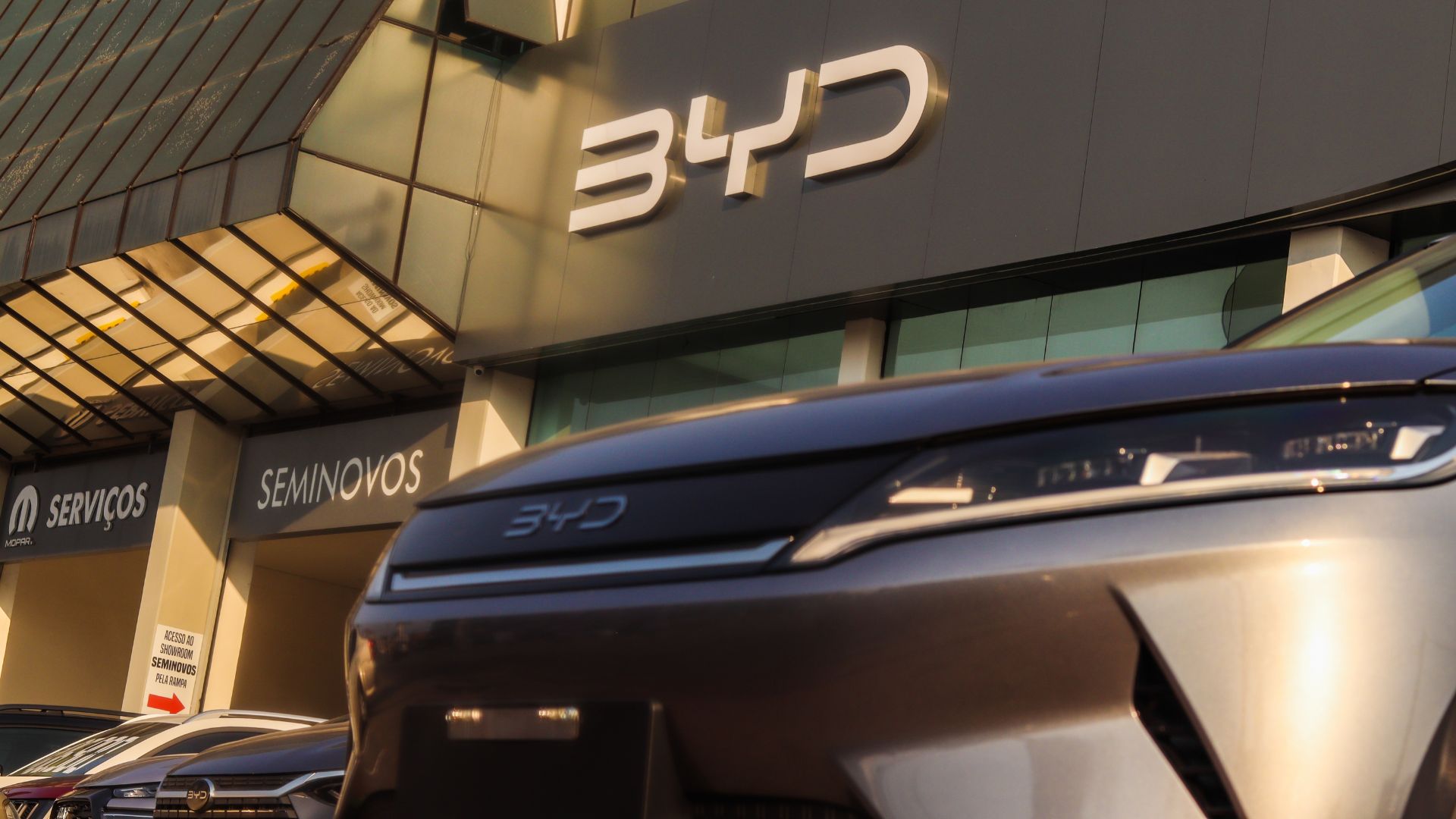

BYD’s Sealion 06 is a midsize SUV with leather seats, massage features, a built-in mini fridge, and a large infotainment screen. It charges in minutes and carries a price tag of around $20,000 in China. For American consumers, though, this vehicle remains out of reach, blocked by tariffs and trade restrictions that have effectively sealed Chinese electric cars out of the U.S. market.
China Sells Nearly Half Its Cars Electric
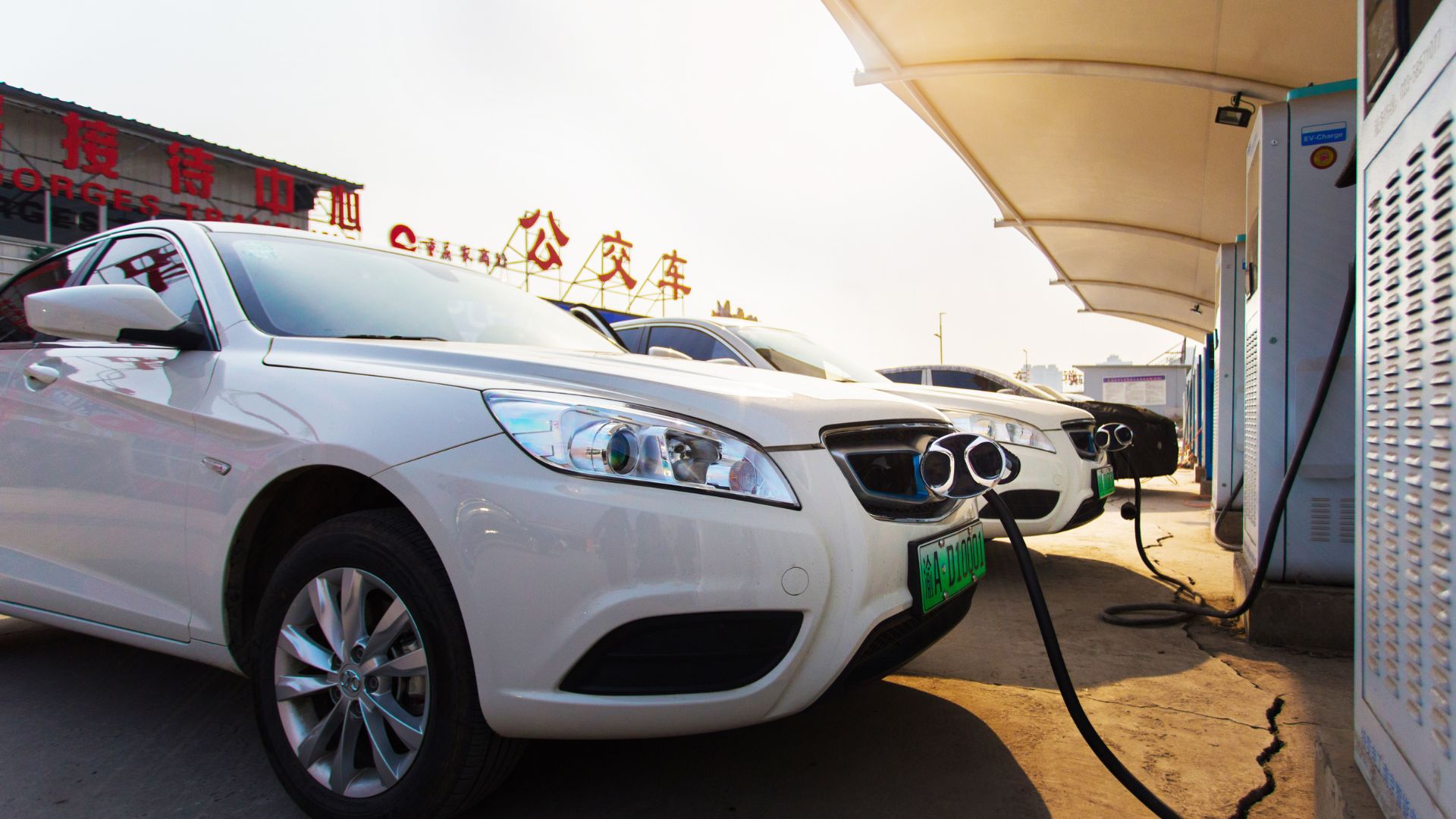
Electric vehicles have taken hold in China at a pace few countries have matched. According to the International Energy Agency, nearly half of all cars sold there in 2024 were electric. In the United States, that share was closer to one in ten. Years of government subsidies and a rapidly expanding charging network helped drive adoption, making China the world’s dominant electric vehicle market by a wide margin.
“This Feels Like Luxury, but Not a Luxury Price”
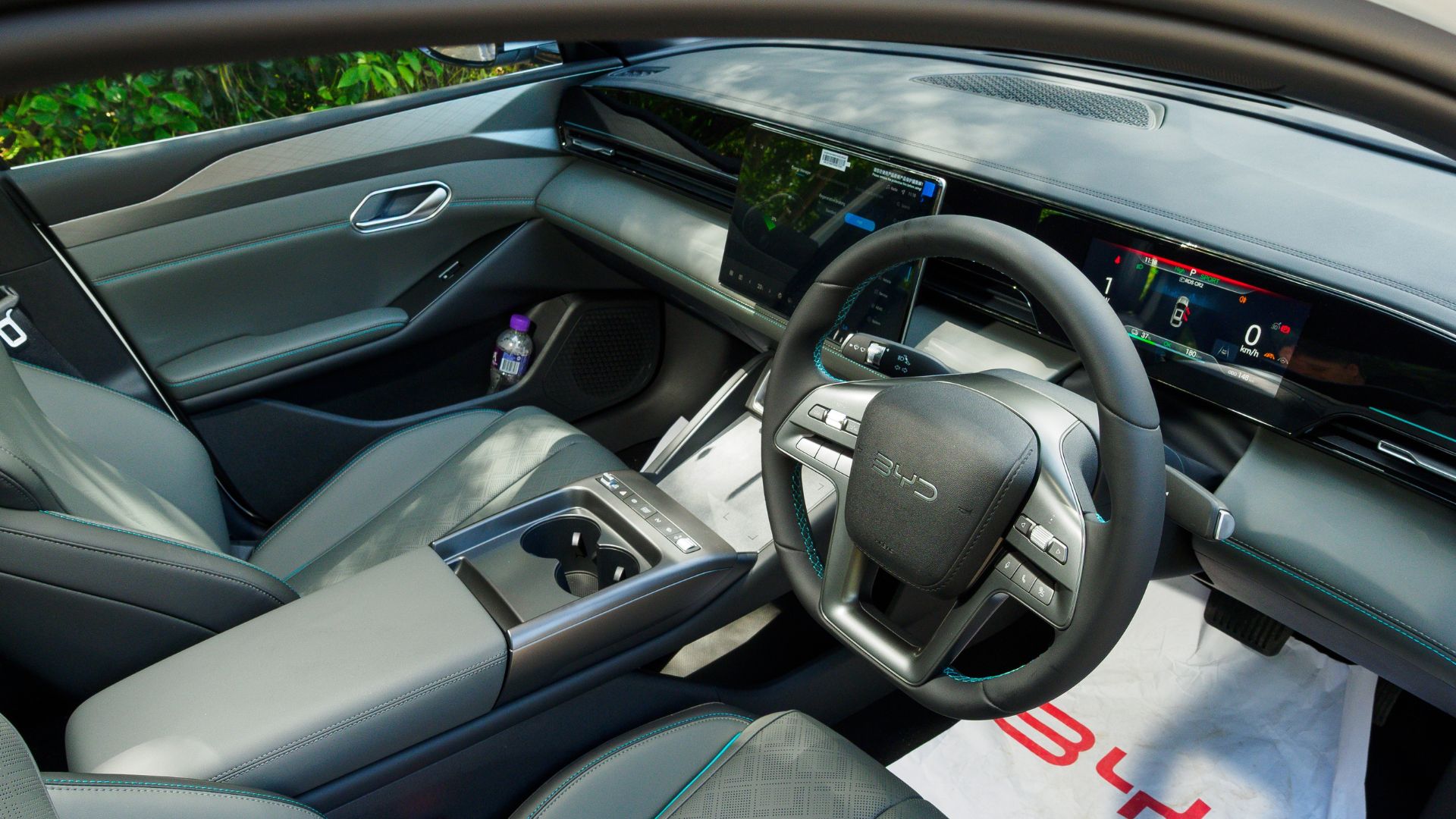
Lei Xing, a Chinese American auto industry consultant and podcaster, said the Sealion 06 “feels like luxury, but not a luxury price” and described BYD as the “Volkswagen of China.” He added that the Sealion 06 has not reached the U.S. yet, but said, “the keyword is yet.” BYD, headquartered in Shenzhen, surpassed Tesla last year to become the world’s largest electric carmaker by sales.
Chinese Brands Hold Two-Thirds of Global EV Sales
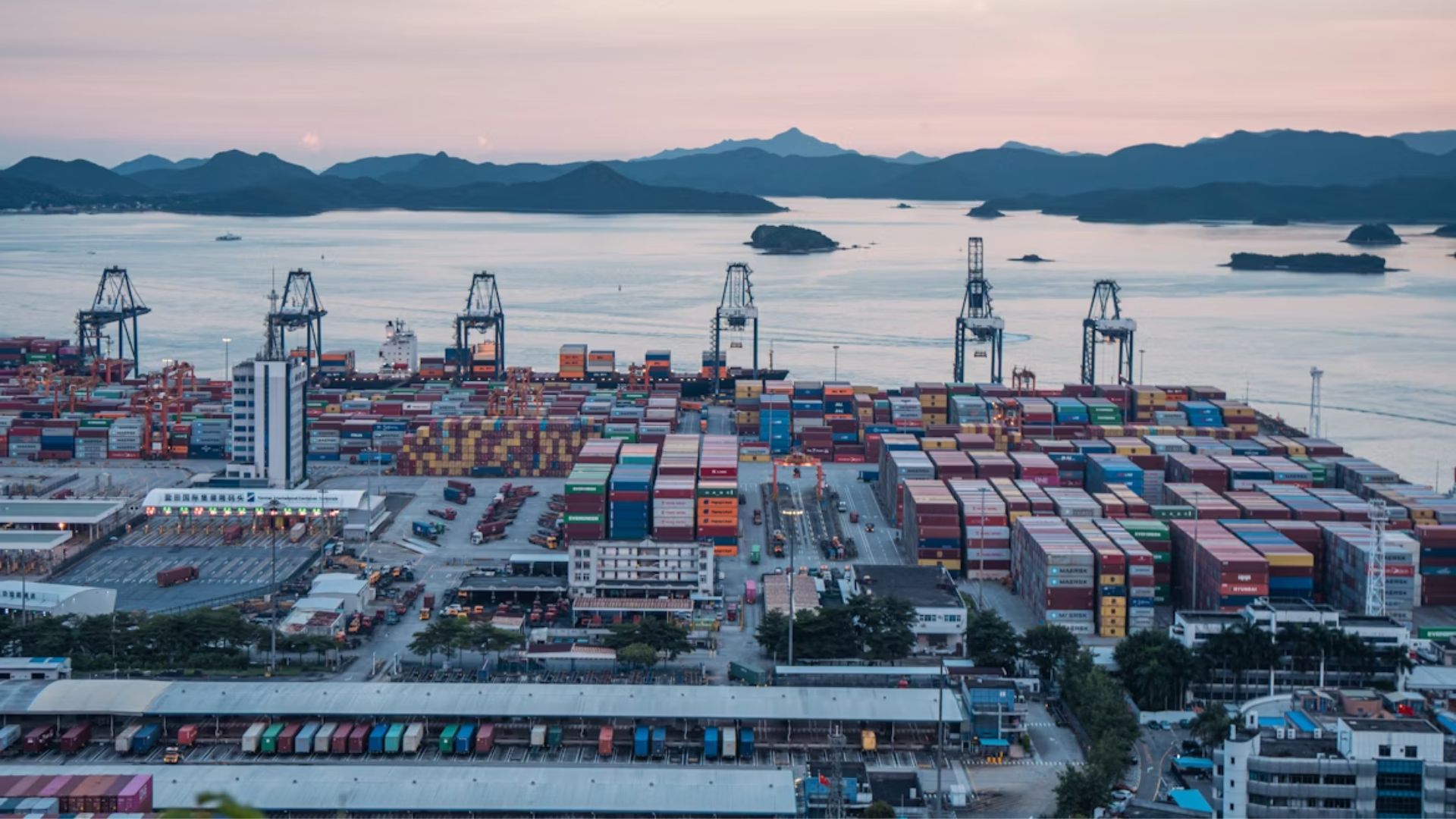
Chinese automakers accounted for roughly two-thirds of global electric vehicle sales in 2024, according to IEA data. None of those sales took place in the United States. A 100% tariff on Chinese-made electric vehicles, announced by the Biden administration in 2024, remains in effect, and Congress is working to make the ban on Chinese connected-vehicle technology permanent.
Nearly 40% of Americans Would Consider a Chinese EV
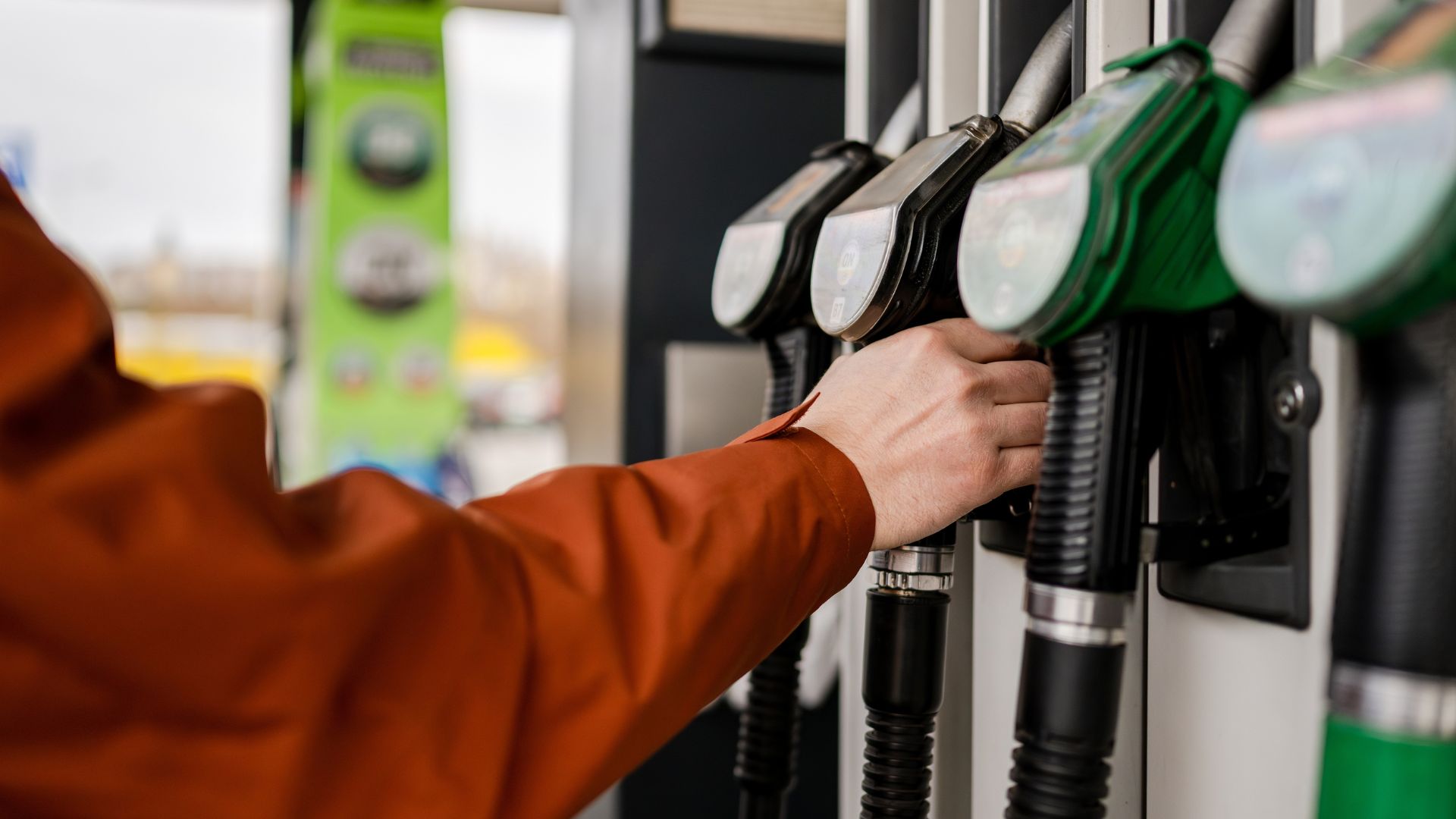
Interest among American consumers is growing. A Cox Automotive survey found that 38% of Americans said they would be very or extremely likely to consider purchasing a Chinese-made electric vehicle. BYD was the most recognized brand among respondents at 35%, followed by Chery and Geely. Rising gas prices, partly tied to energy disruptions from the U.S.-Israeli war with Iran, have added urgency to the conversation.
U.S. Automaker CEOs Have Taken Notice

Dan Wang, a technology analyst and research fellow at Stanford University’s Hoover Institution, said no major automaker CEO has been able to ignore what is happening in China. “You can’t find a major automaker today whose CEO hasn’t been to China in the last few months and last few years,” Wang said, noting they have come back stunned by what Chinese brands have built. Wang is also the author of “Breakneck: China’s Quest to Engineer the Future.”
Cutthroat Competition at Home Has Pushed Prices Down Fast
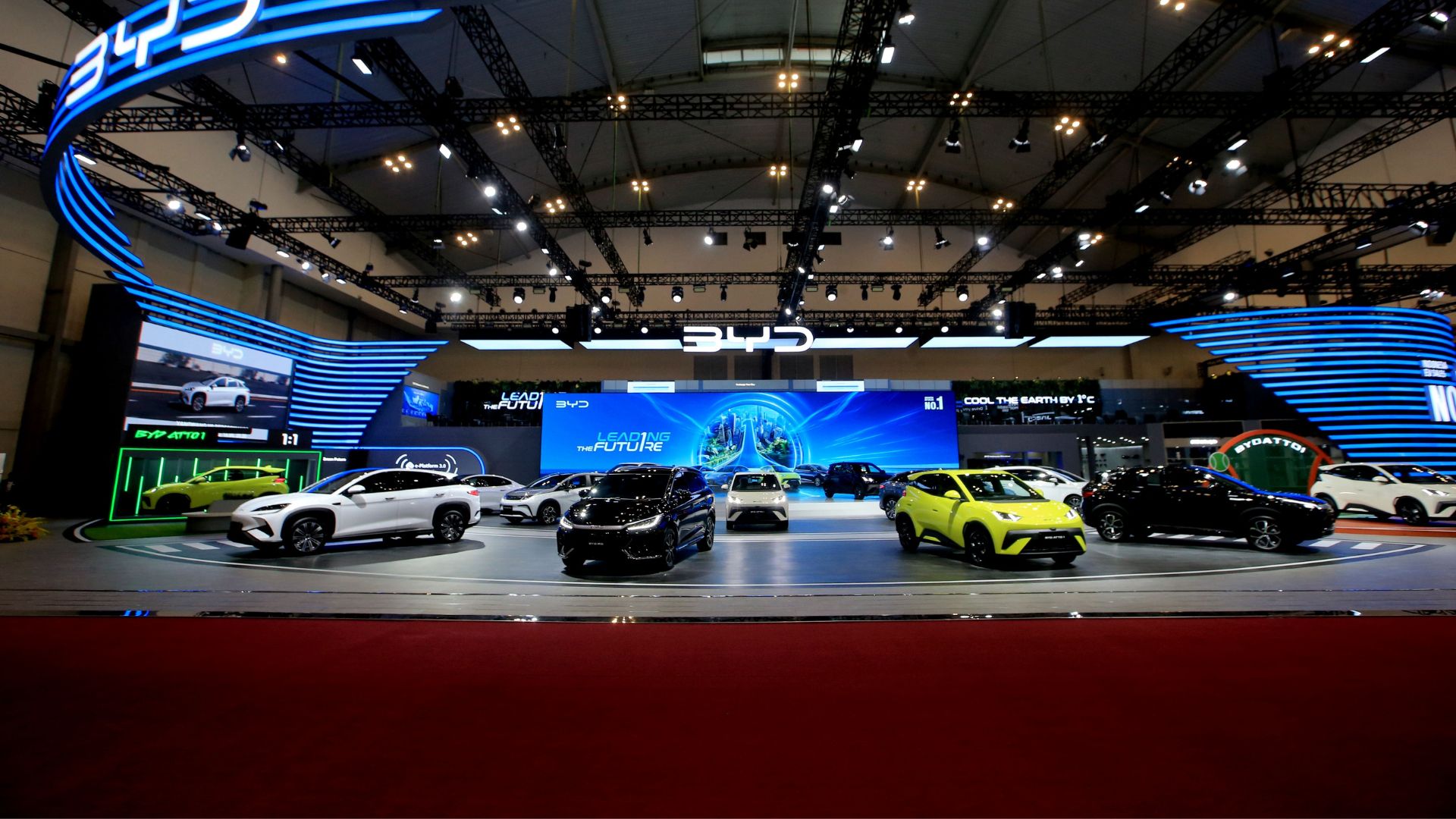
Fierce competition among dozens of Chinese automakers has driven prices down sharply. BYD’s Seagull, a small hatchback, sells in China for around $13,000. Tesla’s models in China start above $30,000, and the company’s retail sales there fell nearly 10% in April compared to a year earlier, according to the China Passenger Car Association. Tesla is developing a cheaper compact SUV to stay competitive in the Chinese market.
Chinese EV Makers Already Have a Footprint in the U.S.
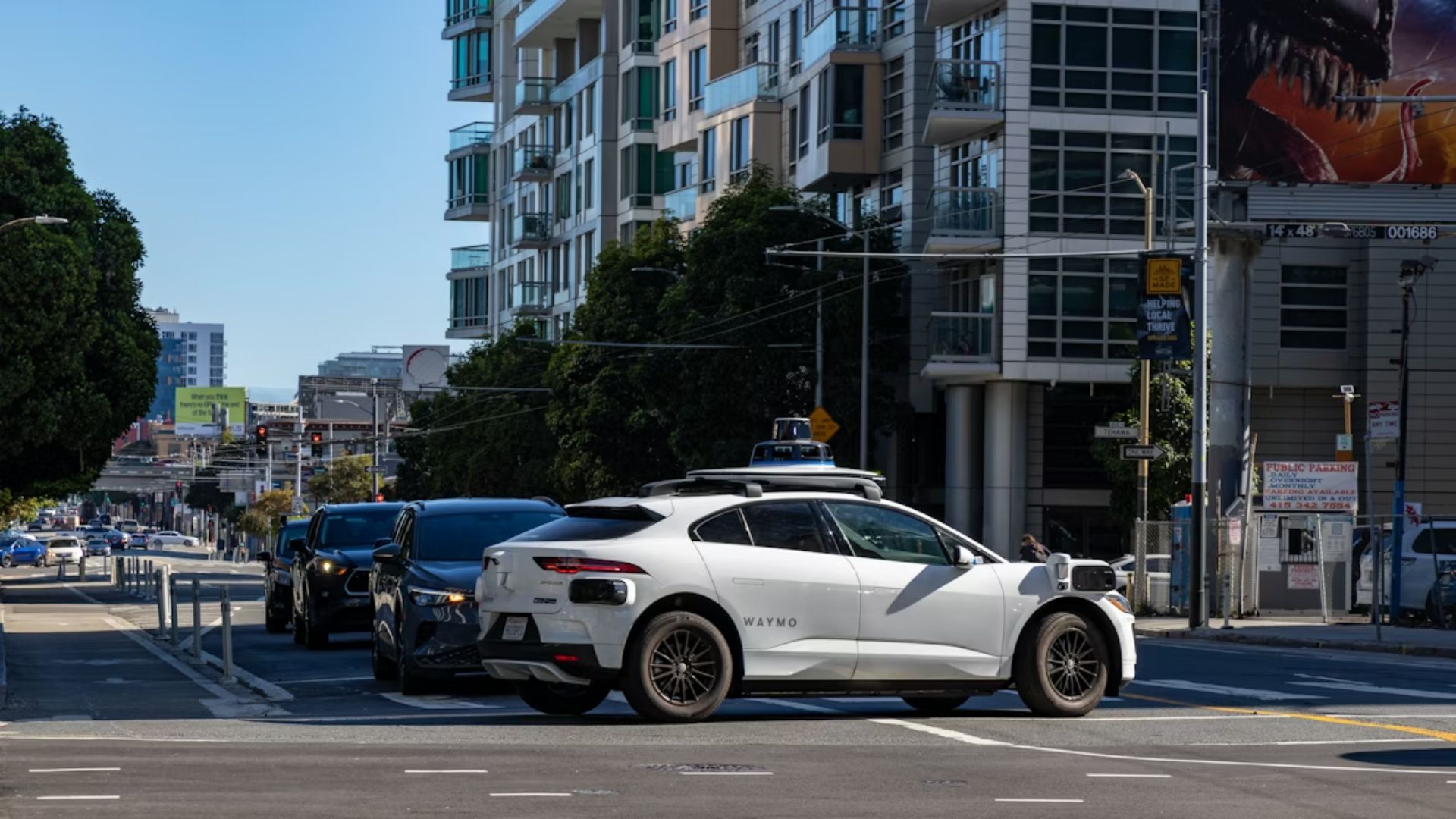
Despite the market ban, Chinese automotive companies are not entirely absent from American soil. China-based firms own more than 60 auto suppliers in the U.S. and hold stakes in roughly 500 more, according to the Wall Street Journal. Geely, through its ownership of Lotus and Volvo, has a notable presence, and Alphabet’s robotaxi subsidiary Waymo uses Geely’s Zeekr brand for some of its vehicles.
The Debate Over Letting Chinese EVs In
Not everyone agrees that letting Chinese EVs in would be good for America. Michael Dunne, founder of Dunne Insights, a San Diego-based advisory firm focused on electric and autonomous vehicles, cautioned that lower prices would come with economic trade-offs for American manufacturing. Dan Wang took a different view, arguing that competition from Chinese automakers could push U.S. manufacturers to improve, similar to the effect Japanese automakers had on American cars in the 1980s.
The Question May Not Be Whether, but When
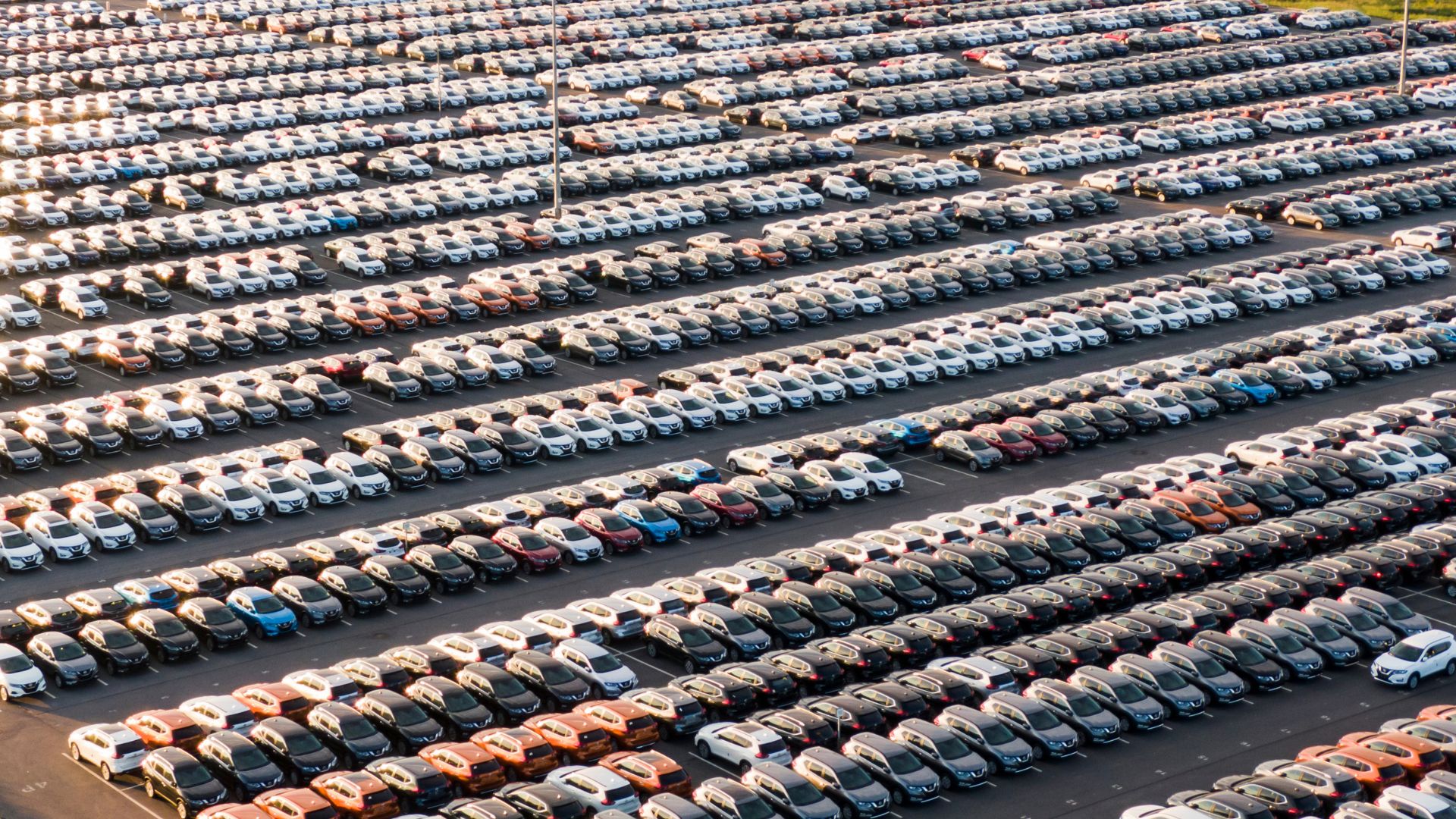
Reuters Breakingviews, an opinion and analysis publication, argued that U.S. roadblocks against Chinese automakers “will be removed,” describing the situation as a matter of timing rather than outcome. Chinese manufacturers sold around 16 million vehicles in their home market last year and are aiming to nearly triple overseas production by 2030, according to AlixPartners. Whether American consumers ever get the chance to buy a $20,000 SUV with a mini fridge remains an open question, and the answer is likely to come from trade negotiations, not showroom demand.