A California City Has Overtaken New York as the Nation’s Priciest Place to Rent a Two-Bedroom
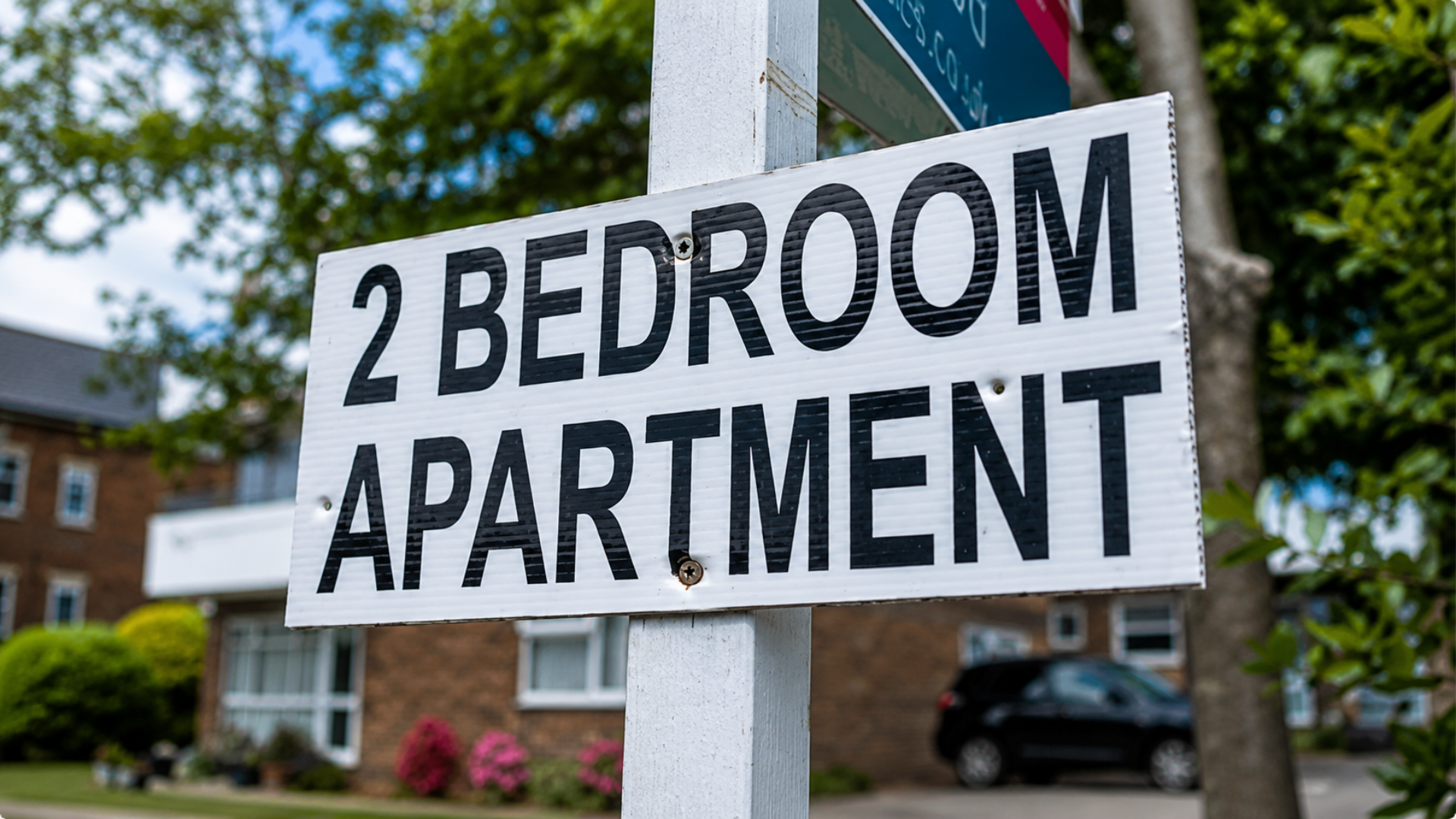

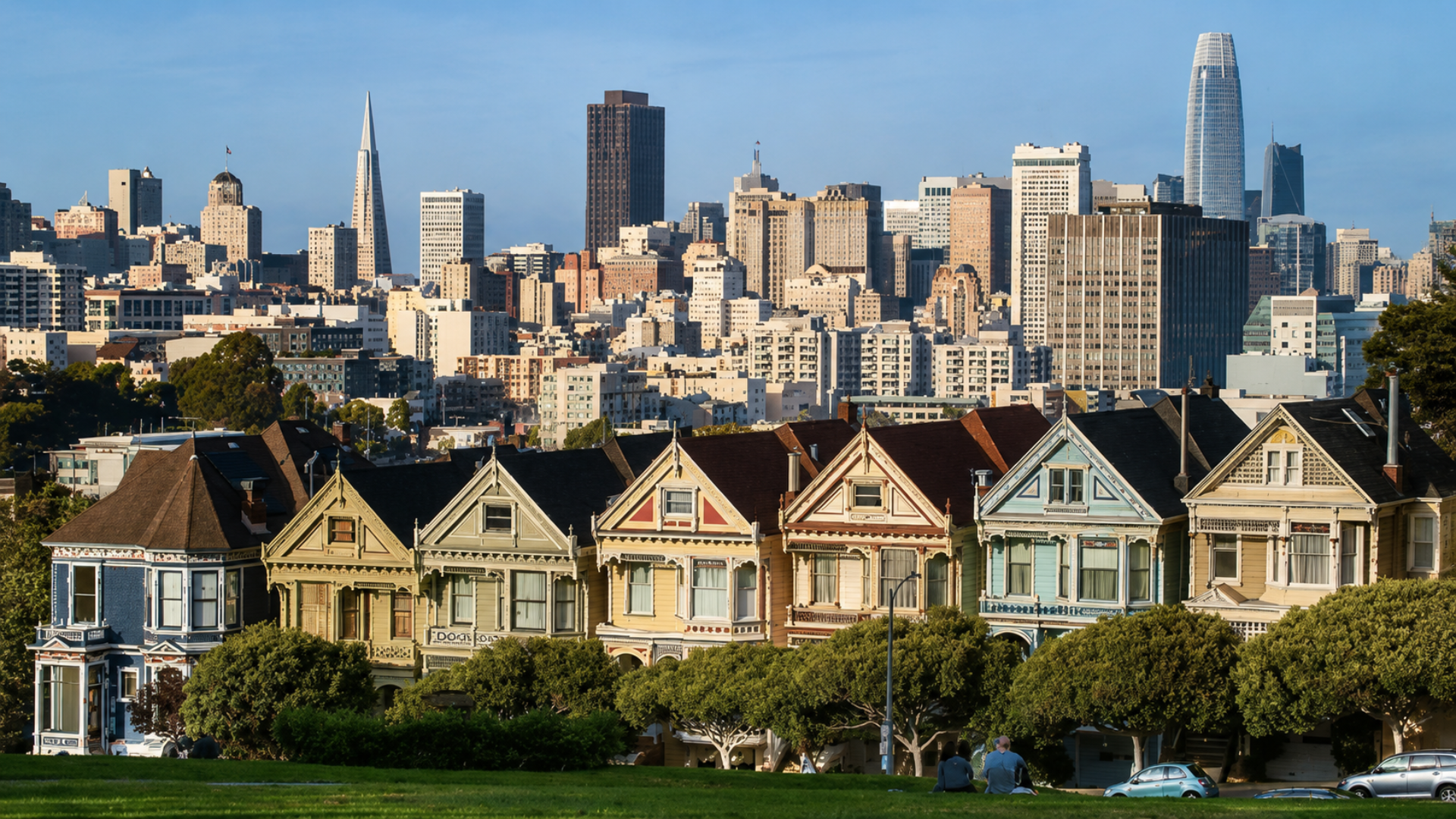
A two-bedroom apartment in San Francisco now costs $6,020 a month. That number just did something it has never done in over a decade of tracking: it pushed past New York City, long considered the nation’s most punishing rental market. New York’s equivalent unit runs $5,450, putting San Francisco $570 ahead. It did not happen quietly. Rent in the city jumped 5.6% in a single month and climbed nearly 26% over the past year, according to Zumper’s latest national rent report.
The $6,000 Line San Francisco Never Crossed, Until Now

Zumper has tracked San Francisco rental prices for more than ten years. In all that time, the median two-bedroom rent had never broken $6,000. This month it did, landing at $6,020. One-bedroom units are climbing too, now averaging $4,180 a month, up 22.9% from a year ago. Both figures mark the highest levels the company has ever recorded for the city.
New York Still Wins on One-Bedrooms, For Now
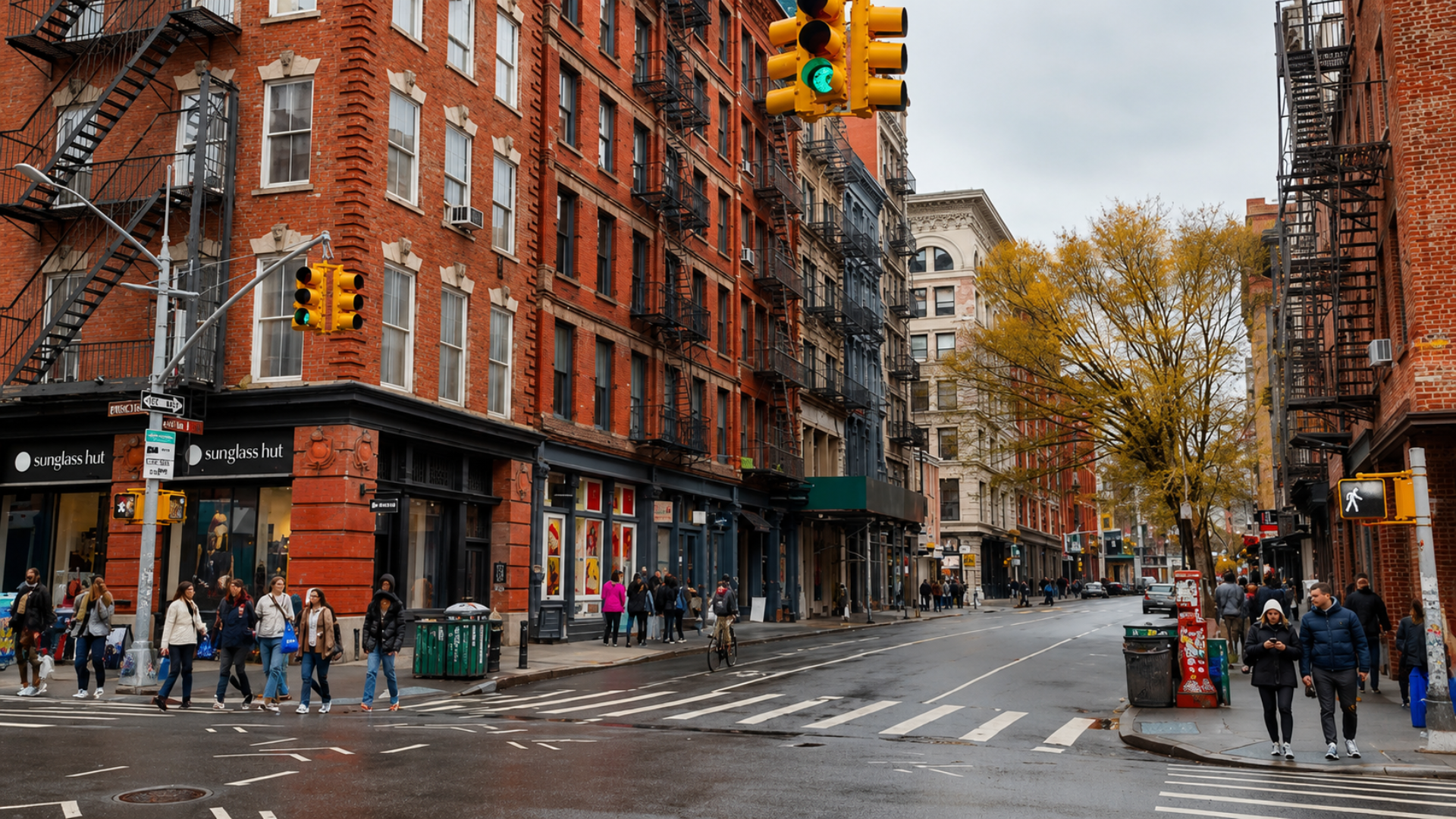
San Francisco’s surge has not toppled New York everywhere. For one-bedroom apartments, New York still holds the top spot at $4,560 a month, keeping San Francisco in second place at $4,180. The gap between the two cities on one-bedrooms is $380, far smaller than the $570 gulf on two-bedrooms. That narrowing margin suggests San Francisco’s growth is not slowing down. Whether New York can hold its remaining lead depends on what happens next in the city driving the surge.
AI Hiring Is Fueling the Rent Spike

Behind the numbers is a hiring boom. Analysts pointed to expanding employment in the artificial intelligence sector as a major driver of San Francisco’s rent growth. Companies racing to build AI products have been hiring aggressively in the city, pulling in workers who need somewhere to live. That demand is landing on a market that was already tight. The result is a collision between a booming job sector and a housing supply that has barely moved in years.
New Construction Has Nearly Stalled
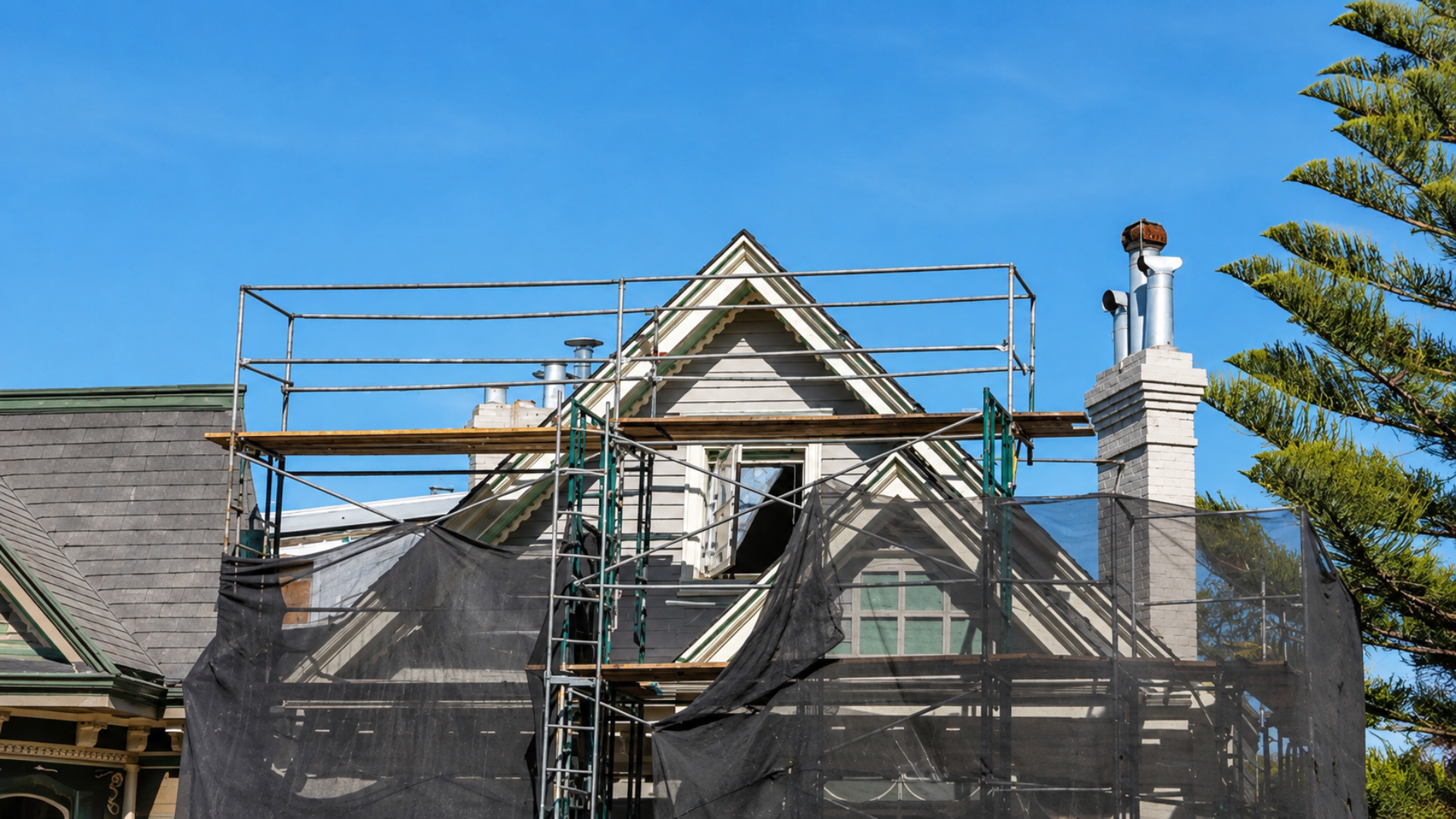
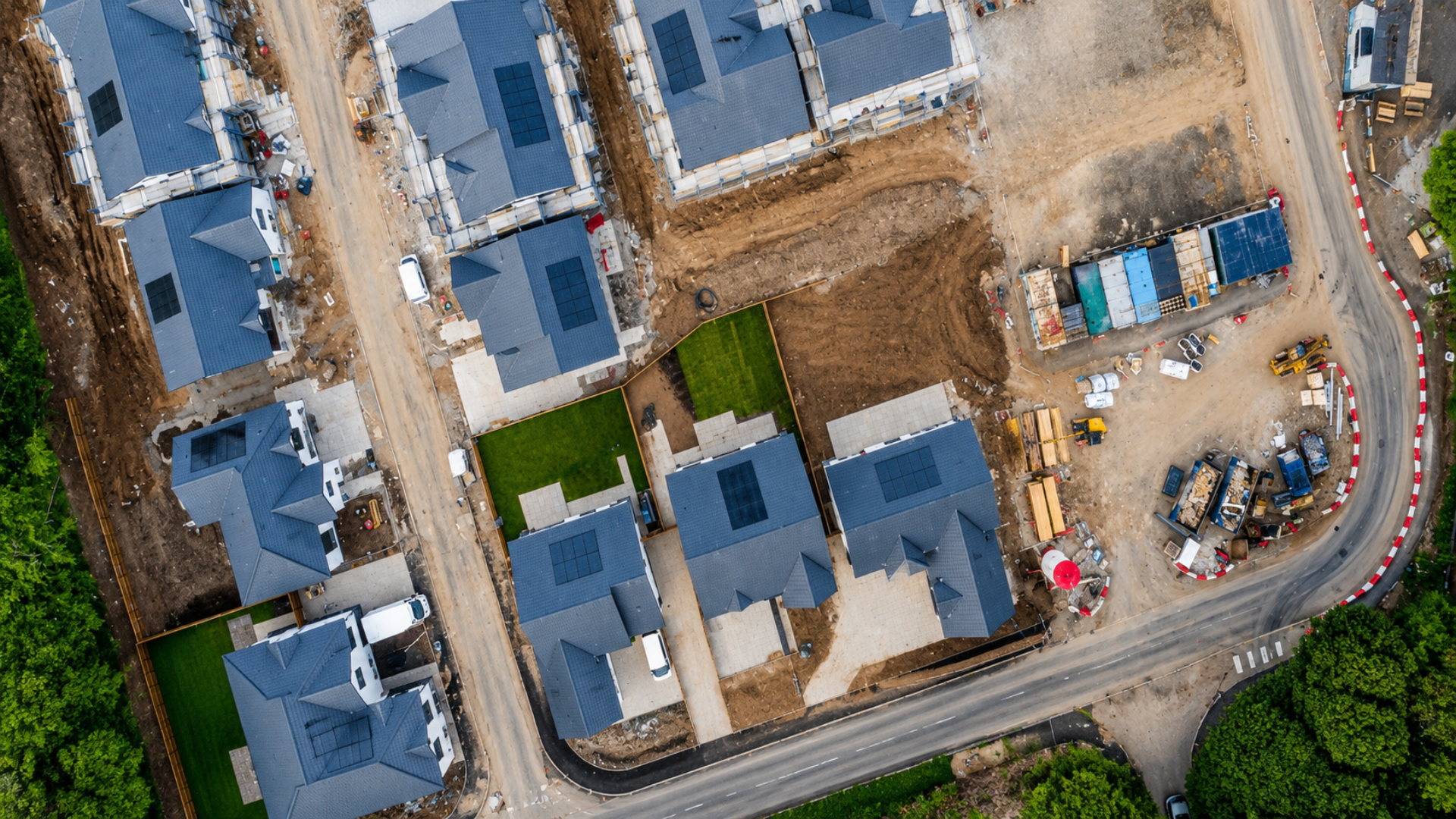
While demand climbs, supply has gone flat. The construction pipeline for new residential units in San Francisco has remained close to static, according to Zumper. Few new apartments are being built to absorb the influx of AI-sector workers moving into the city. Without new units coming online, existing housing stock has to stretch further. That imbalance between hiring and building is exactly the kind of pressure that pushes rents into record territory.
Rental Listings Have Dropped by Nearly a Third

Active rental listings in San Francisco fell by roughly 30% compared to last year. High costs are prompting existing tenants to stay put instead of testing the market for something new. That decision, repeated across thousands of renters, removes even more inventory from circulation. Fewer people moving means fewer available units, which pushes prices higher still. The cycle feeds itself, and there is no sign yet of what might break it.
San Jose and Oakland Are Rising Too

The pressure is not contained to San Francisco alone. In San Jose, median rent reached $2,770 for a one-bedroom and $3,590 for a two-bedroom. Oakland saw its own increases, with one-bedrooms hitting $2,090 and two-bedrooms reaching $2,640. Both cities remain far cheaper than San Francisco, but the upward trend across the wider Bay Area suggests the region’s housing squeeze extends well beyond city limits, touching commuters and workers who hoped nearby markets might offer relief.
The Rest of the Country Looks Nothing Like San Francisco
Zoom out to the national level and the picture flattens dramatically. The median U.S. rent for a two-bedroom apartment rose just 0.1% over the past year, landing at $1,906. That is the first annual increase the country has seen since June 2025. One-bedroom rents nationally held completely flat at $1,520. Compared to San Francisco’s 25.9% surge, the rest of the country is barely moving at all.
Zumper’s CEO Says There Is No Longer One National Market
Zumper CEO Shawn Mullahy addressed the disconnect directly in the company’s report. “What the national figures hide, though, is that there really isn’t an average housing market right now,” Mullahy said. “Supply remains the defining force, but it’s landing very differently from market to market. Where new supply is being absorbed, rents are beginning to firm. Where inventory is still building, renters continue to hold the leverage.” His comments frame San Francisco as the exception, not the rule.
San Francisco’s Rent Crisis Is a Story About Supply, Not Just Demand
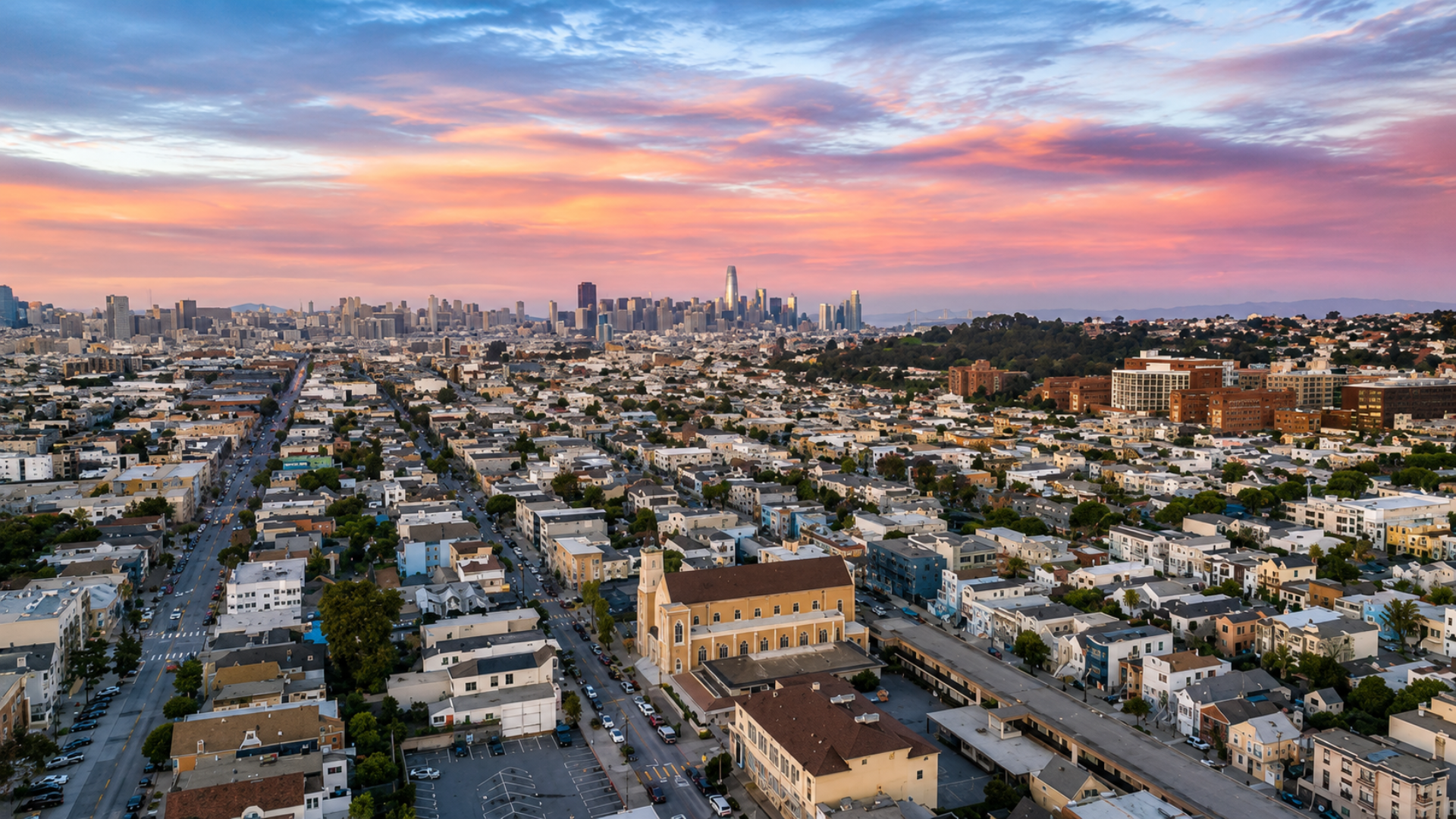
San Francisco’s climb past New York was not driven by one factor alone. It took a hiring boom, a frozen construction pipeline, and a wave of renters choosing to stay rather than move, all compounding at once. New York remains costly and still leads on one-bedrooms, but the title of most expensive two-bedroom market now belongs to San Francisco. The numbers make clear that in this economy, geography and industry decide who pays the most to live somewhere.