A Big 401(k) Change Is Here, and Higher Earners Over 50 May Not Like It
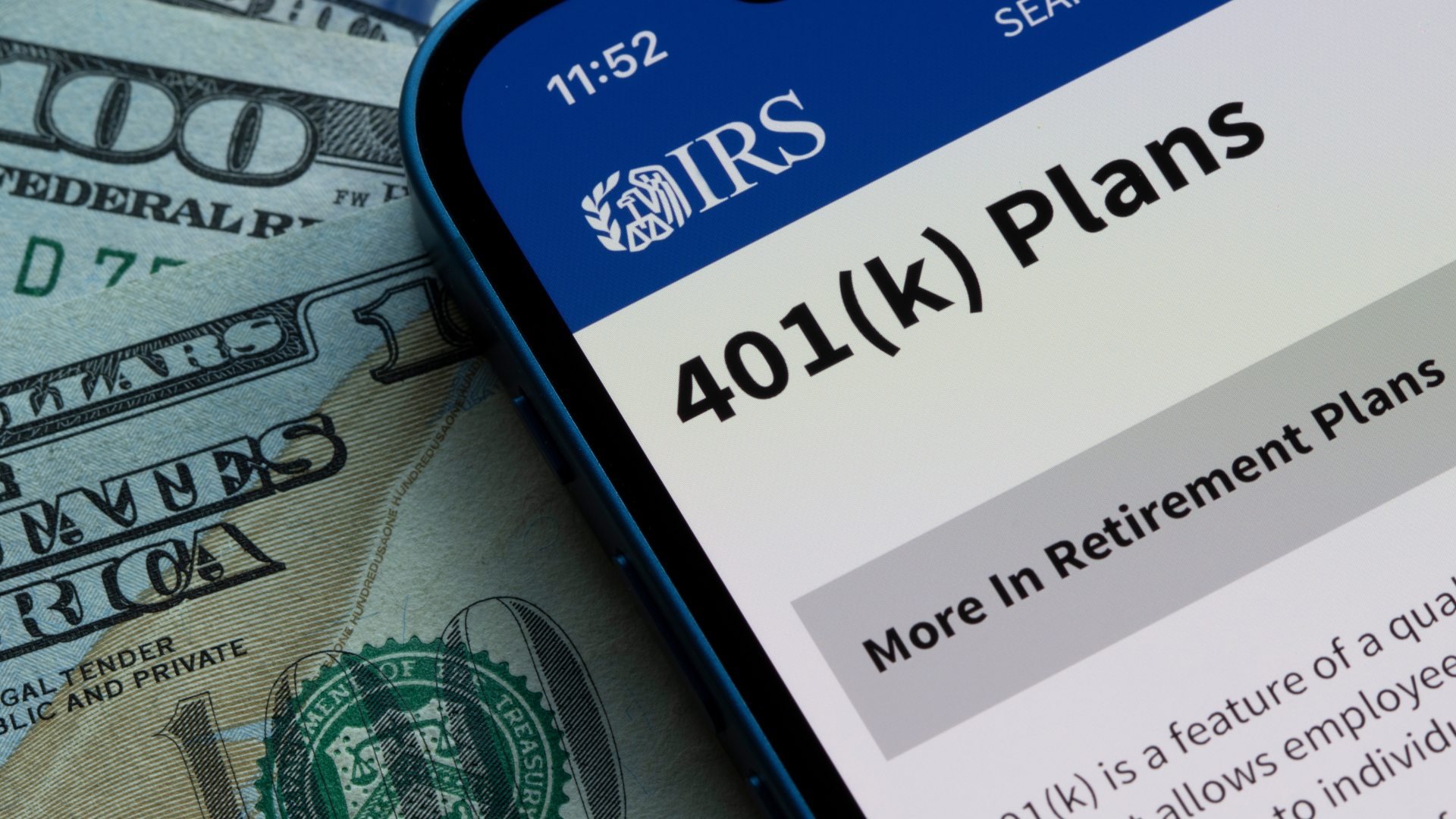

A major 401(k) tax change took effect in 2026, and some higher-earning workers over 50 are discovering that the extra money they contribute for retirement no longer receives the same immediate tax treatment. Under a provision of the SECURE 2.0 Act, certain workers earning more than $145,000 in wages from their current employer must make age-based catch-up contributions on a Roth basis rather than putting that extra money into a traditional pre-tax account. The change does not eliminate catch-up contributions, but it can increase taxable income today for workers who previously relied on them for an upfront tax break.
Catch-Up Contributions Are Designed for Workers 50 and Older

Federal tax rules allow people age 50 and older to contribute additional money to workplace retirement plans beyond the standard annual employee contribution limit. These catch-up contributions can be particularly valuable for people approaching retirement who want to accelerate their savings after their peak earning years begin. The new rule does not take that opportunity away, but it changes how the catch-up portion is taxed for workers who meet the government’s higher-income threshold.
The $145,000 Threshold Is the Number to Watch

The Roth requirement generally applies when a worker earned more than $145,000 in FICA wages from the employer sponsoring the retirement plan during the previous calendar year, with the threshold subject to future inflation adjustments. Importantly, the test is based on wages from that particular employer rather than someone’s household income or total earnings from every source. That distinction means two people with similar overall incomes could potentially receive different treatment depending on how and where their wages were earned.
Higher Earners Lose the Upfront Tax Break on the Extra Contribution

Traditional 401(k) contributions generally reduce taxable income in the year the money is contributed, with income taxes instead becoming due when qualified funds are withdrawn in retirement. Roth contributions work in the opposite direction: workers contribute money after taxes have been applied, meaning there is no immediate federal income-tax deduction, but qualified withdrawals can eventually be tax-free. For affected higher earners, that means the catch-up portion can no longer be used to reduce current taxable income the way a traditional contribution could.
Your Regular 401(k) Contributions Can Still Be Pre-Tax

The change applies specifically to catch-up contributions rather than automatically converting an affected worker’s entire 401(k) to Roth treatment. Higher earners can generally continue directing their regular employee contributions into a traditional pre-tax 401(k), assuming their employer’s plan provides that option. Only contributions above the standard annual limit that qualify as age-based catch-up contributions are subject to the mandatory Roth treatment, making the distinction important for anyone trying to estimate the rule’s actual tax impact.
Workers Ages 60 Through 63 Can Put Away Even More

SECURE 2.0 also created an enhanced catch-up opportunity for people ages 60 through 63, allowing them to contribute more than the ordinary age-50 catch-up amount. For 2026, the standard 401(k) employee contribution limit is $24,500, the regular catch-up contribution for workers 50 and older is $8,000, and eligible workers ages 60 through 63 can make a larger $11,250 catch-up contribution. For higher earners affected by the Roth mandate, that potentially larger contribution also means more money on which they must pay income taxes today.
Lower Earners Still Have a Choice

Workers below the applicable wage threshold are not forced to make their catch-up contributions as Roth contributions under this rule. Depending on what their employer’s plan allows, they can generally continue choosing between traditional pre-tax and Roth treatment. The mandatory change is therefore targeted specifically at higher-paid workers, rather than being a universal change affecting every American who uses catch-up contributions after turning 50.
Paying Taxes Now Isn’t Necessarily a Bad Deal

Losing an immediate tax deduction can be frustrating, especially for someone currently in a relatively high tax bracket, but Roth contributions come with an important benefit on the other end. Qualified Roth withdrawals in retirement are generally free from federal income tax, including investment earnings, which can provide a valuable source of tax-free retirement income. Whether paying taxes now is ultimately better or worse depends partly on someone’s current tax rate, expected retirement tax situation, investment growth, and broader financial strategy.
Check Your Plan Before Making Your Next Catch-Up Contribution

Affected workers should review how their employer has implemented the rule rather than assuming their existing contribution elections will continue unchanged. The IRS finalized regulations governing the Roth catch-up requirement after SECURE 2.0 initially established it, and workplace plans and payroll systems have had to adapt to the new treatment. Someone who is at least 50, earned above the applicable threshold from the same employer last year, and plans to exceed the standard contribution limit should pay particularly close attention to how those extra dollars will be classified.
The Extra Retirement Savings Are Still Available, but the Tax Timing Has Changed

For higher earners over 50, the biggest change is not how much they are allowed to save but when they receive the tax benefit on part of those savings. Affected workers give up the immediate deduction on their catch-up dollars in exchange for the potential of qualified tax-free withdrawals later, while their regular 401(k) contributions can still receive traditional treatment when permitted by the plan. Understanding that distinction can help workers avoid an unexpected tax surprise while still taking advantage of the additional retirement-saving room Congress created for people approaching retirement.