A Bagel Shop’s AI Tool Used a Real Customer Review to Create a Fake Handwritten Note, and Loyal Customers Noticed


Myer’s Bagels, a Montreal-style bagel shop in South Burlington, Vermont, found itself at the center of a social media backlash after using an AI tool to help promote the business online. What started as an experiment to stay competitive ended with a public apology, a wave of one-star Google reviews, and a broader conversation about how small businesses navigate AI in an increasingly competitive social media environment.
Owner Adam Jones Turned to AI to Fill a Real Gap

Adam Jones, 53, has run Myer’s Bagels for years without a dedicated marketing team, he told Business Insider. He relied on college students to manage social media, but the arrangement rarely lasted. When he was introduced to an AI platform designed to help small businesses, it could generate monthly Instagram post ideas, work with uploaded photos, and organize everything through a built-in social media calendar.
The Photos Were Real, the Backgrounds Were Not

The posts used actual photos from the shop but altered them, placing bagels in front of fires that weren’t Myer’s and superimposing real hands and dough onto a wooden cutting board. Jones acknowledged the images were a hybrid, real in parts but reworked in ways that didn’t reflect how the shop actually looks or operates. Customers who know the place well noticed quickly.
A Real Customer Review Became a Fake Handwritten Note

One AI-generated post stood out in particular. Jones told Business Insider the tool pulled a review left by a real customer named Sam from Google, Yelp, or an old Instagram comment, then rendered it as a handwritten note placed alongside the shop’s retail bags, set against a wood fire that was not Myer’s. Jones noted that Sam’s words were real, but the presentation around them was not. He called it untruthful.
The Backlash Moved From Comments to Google Reviews

Jones told Business Insider the two most contested posts each drew between 25 and 30 comments, with additional replies. Some customers took their frustration further, leaving one-star Google reviews that said nothing about the food and focused entirely on the AI-generated content. Jones noted that no one called the shop directly; the response played out entirely through social media and public review platforms.
A Few Defended the Shop, but Most Pushed Back
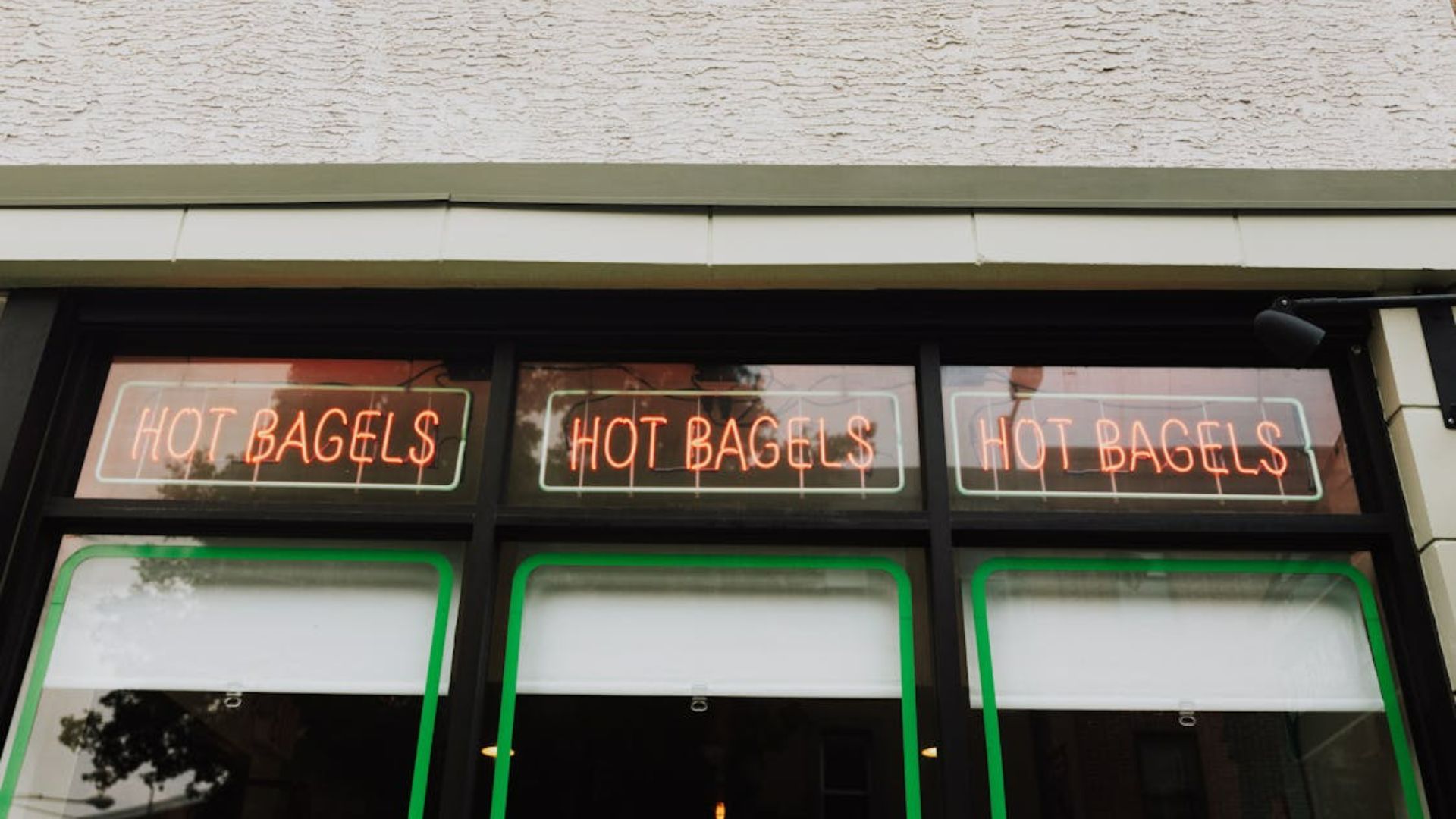
Not everyone reacted negatively. Some commenters pushed back on the criticism, noting that Myer’s is a small business that was simply trying to be more creative. Jones said he appreciated those responses. Still, the negative reactions far outnumbered them, ranging from civil disagreements to comments Jones described as less civil. He said being on social media means being prepared for that range of responses.
An Academic Explains Why Loyal Customers Reacted So Strongly

Sebastiaan Gorissen, an assistant professor of digital media and communications at St. Michael’s College, told WCAX that strong emotional connections to a brand can make AI misrepresentation feel personal. When people feel a sense of ownership toward a product or service, he noted, seeing it presented through AI-generated content can read as a betrayal. He also acknowledged that small businesses face real pressure to post constantly across multiple platforms.
Jones Pulled the Posts and Apologized Publicly

Jones removed the contested posts and posted an apology on Instagram, telling followers the shop was working with a new group and would provide more actual photos going forward. He said the intent had never been to offend customers whose loyalty and passion he values. In his view, it was a first attempt that didn’t land, not unlike pulling a bagel flavor that isn’t selling and replacing it with something better.
Jones Is Not Done With AI, Just More Careful

Despite the backlash, Jones said Myer’s Bagels is not walking away from AI. In an interview with Business Insider, he said he uses it for inventory analysis, menu decisions, and other operational tasks, and sees it as essential for keeping a 22-person shop competitive over the next 30 years. On the social media side specifically, he said the approach will be more hands-on going forward, with closer oversight of what gets posted.
For Small Businesses, AI Can Help but Also Hurt

In comments to WCAX, Gorissen noted that the media landscape is accelerating, and businesses of all sizes face mounting pressure to maintain a constant social presence. For small operators without marketing teams, AI tools offer a practical solution, but the Myer’s situation shows the stakes when automated content doesn’t match what customers know and trust. Jones said AI is a tool with real value, but one that requires more careful management on the social media side going forward.