9 U.S. Cities Experiencing Population Declines in 2025
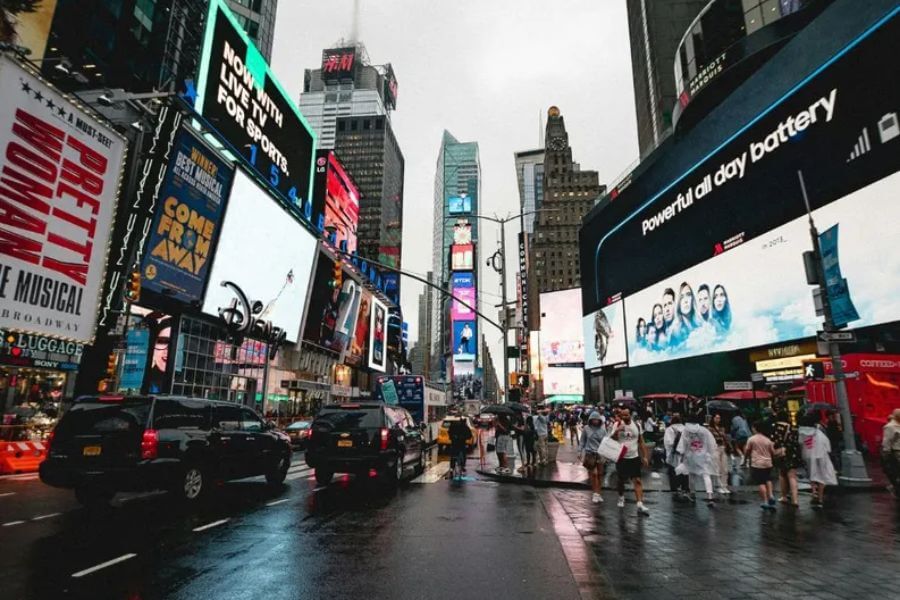

Across the United States, people are rethinking where they want to live. Rising costs, changing work patterns, and shifting priorities are leading many to leave big cities behind. Once-vibrant urban centers are seeing thousands of residents move away each year, seeking affordability, safety, and opportunity elsewhere. Here’s a closer look at nine American cities where population declines continue to shape the landscape in 2025.
San Francisco, California – The Price of Paradise

San Francisco remains one of the most expensive places to live, and the pressure is showing. From early 2024 to early 2025, about 3,300 people left the city, reducing the population to around 842,000. Soaring housing costs, heavy taxes, and the lasting impact of remote work have all contributed to the loss. Although international arrivals have softened the decline, they have not been enough to reverse the trend.
Chicago, Illinois – The Slow Fade of a Midwestern Giant

Chicago’s population has been shrinking for nearly a decade. The city now counts around 2.66 million residents, a drop of more than 128,000 in recent years. High taxes and safety concerns are major reasons behind the outflow. Many families are choosing nearby states such as Indiana or Wisconsin, where housing is more affordable and job prospects seem brighter.
New York City, New York – A City in Transition

New York lost roughly 468,000 residents between 2020 and 2022 during the pandemic. Though it regained about 87,000 people through international migration in the following years, the overall population is still lower than before. Rising rents, high living costs, and the rise of remote work have changed how people relate to the city. More Americans are seeking a new start in less expensive regions.
Philadelphia, Pennsylvania – Shifting to the Suburbs
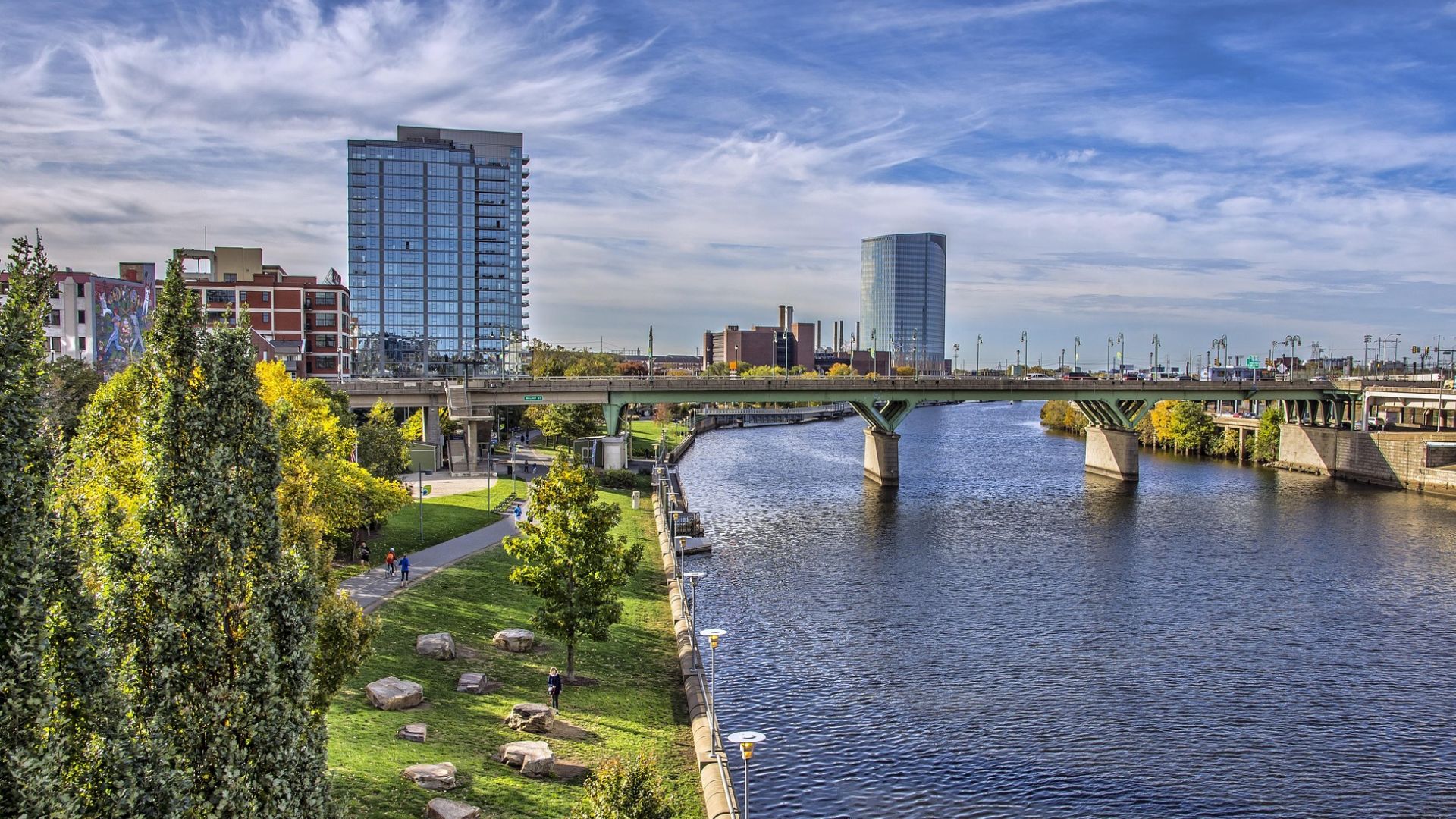
Philadelphia has seen a 3.3% population drop since 2020, losing around 53,000 residents. Many professionals moved to the suburbs or to states with lower taxes and cheaper housing. Remote work made these changes easier, giving people freedom to live farther from the city. Once known for its affordable row homes and close-knit neighborhoods, Philadelphia now faces an identity shift.
Detroit, Michigan – Rebuilding After Decades of Loss
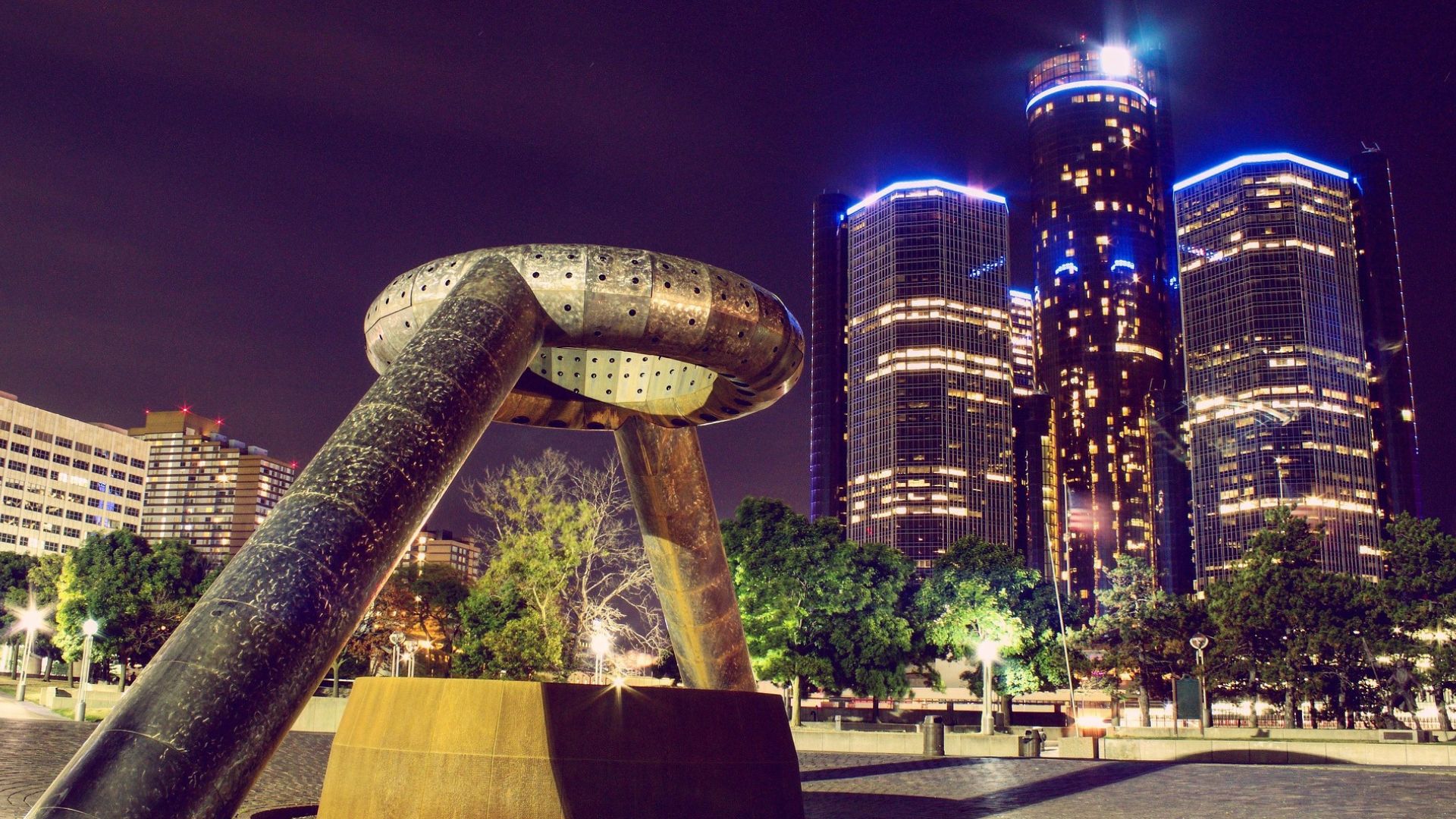
Detroit’s population keeps declining, continuing a long downward path. Once home to nearly 1.85 million residents, the city now has fewer than 650,000. Job losses in the auto industry and years of disinvestment have taken a toll. Some revitalization efforts have boosted downtown areas, but growth remains limited and uneven across the city.
Baltimore, Maryland – Searching for Renewal
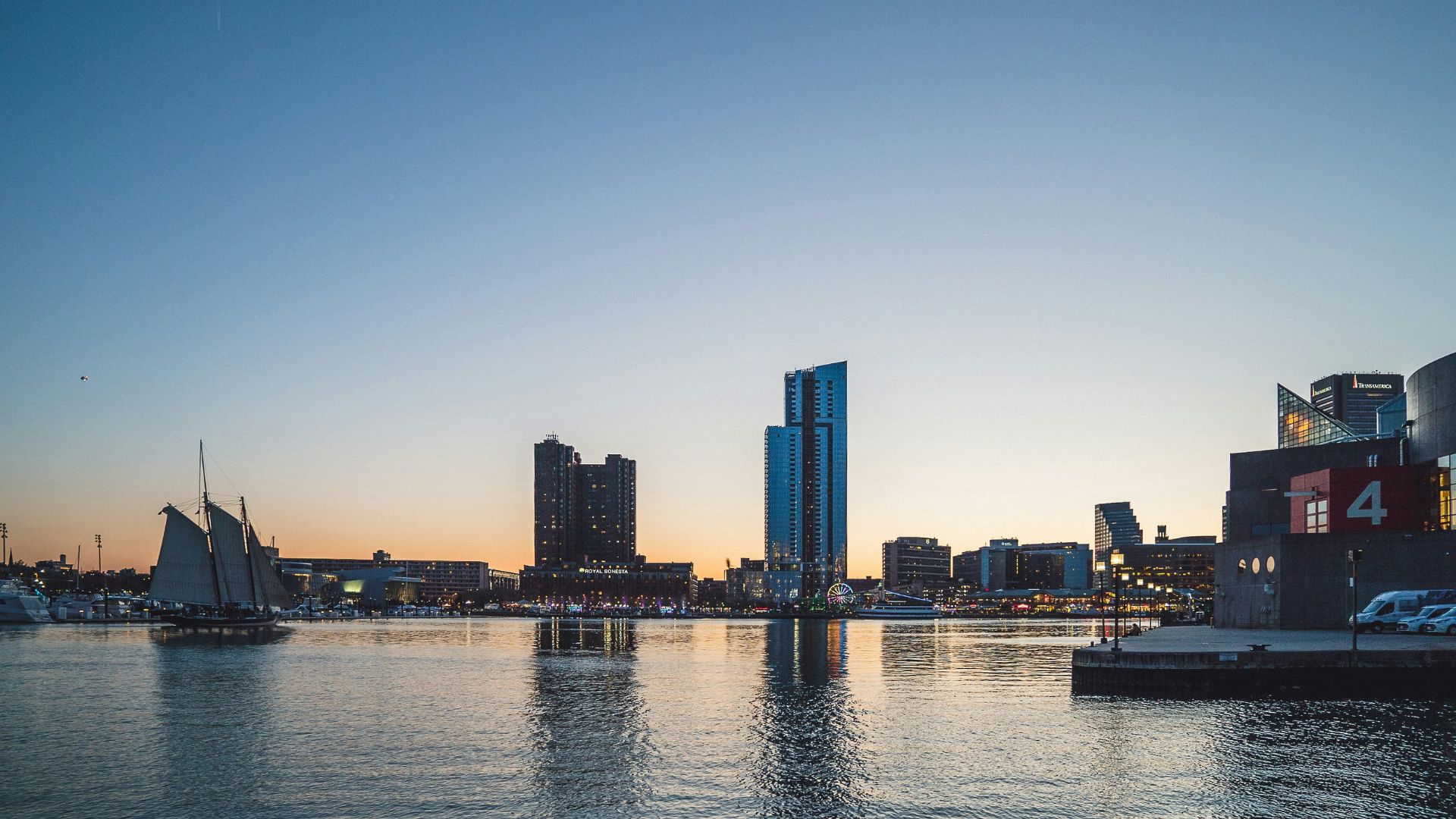
Baltimore’s population has dropped from about 621,000 in 2010 to 565,000 in 2023. Rising crime and struggling public services are pushing many residents out. The city is trying to attract younger people and new businesses, but progress has been slow. Many prefer living in nearby counties where life feels safer and more stable.
St. Louis, Missouri – A Shrinking Legacy

St. Louis has lost more than two-thirds of its population since 1950. The city now holds roughly 269,000 residents. Affordable housing is not the issue; the challenge lies in limited jobs and public safety. Younger residents often leave for larger cities like Nashville or Dallas, seeking opportunity and energy that St. Louis struggles to provide.
Cleveland, Ohio – Industry’s Echoes Still Heard
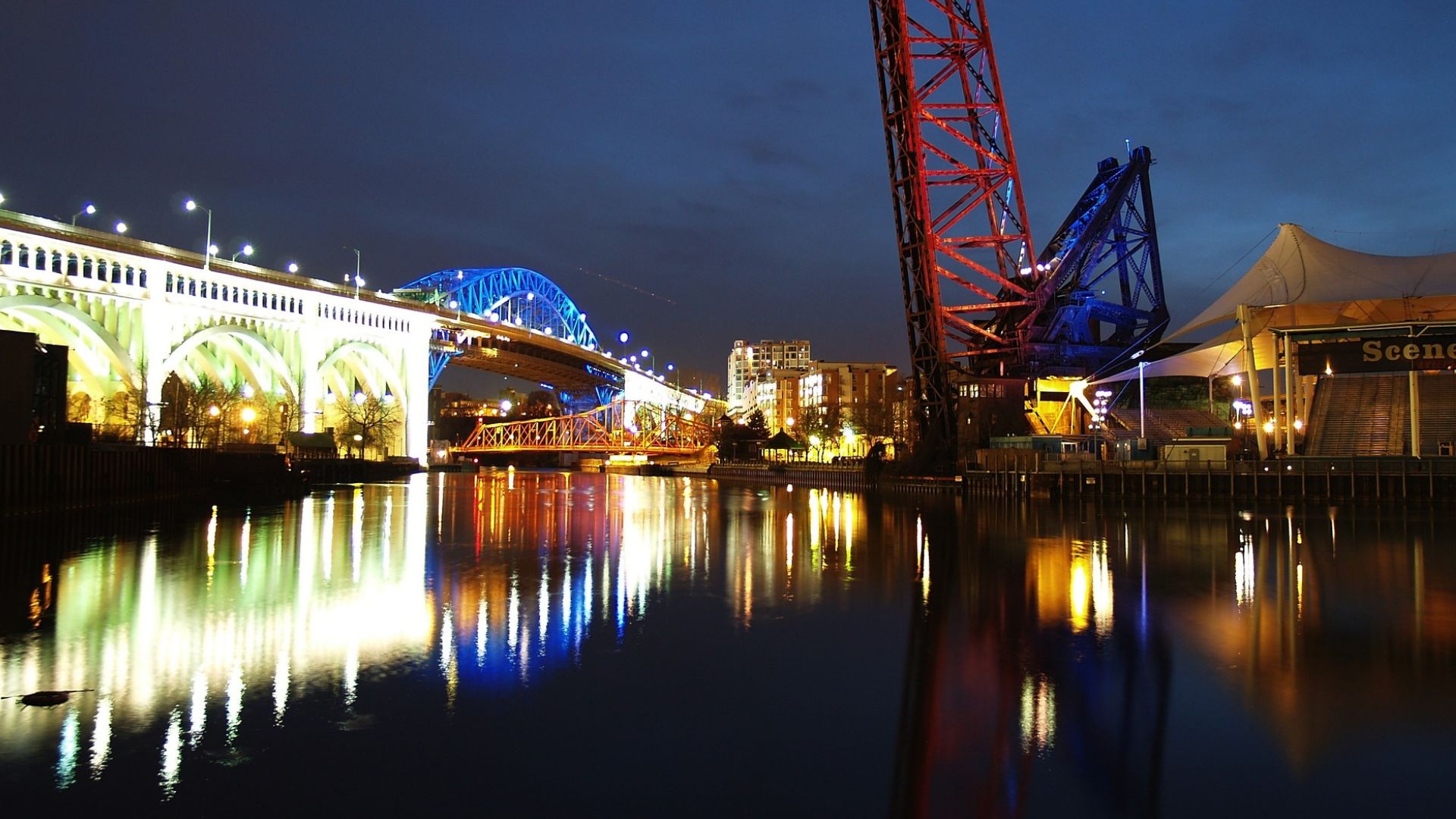
Cleveland’s population stands near 356,000 in 2025, down about 4% from five years ago. The decline follows decades of industrial loss and slow economic recovery. New jobs in healthcare and tech are emerging, but not fast enough to offset out-migration. Many families continue to move toward warmer or more prosperous states.
Youngstown, Ohio – The Rust Belt’s Silent Retreat

Youngstown’s story mirrors much of the Rust Belt. Since 1930, it has lost over 65% of its residents. The collapse of the steel industry, an aging population, and persistent poverty have fueled the decline. Yet the surrounding metro area has seen small gains, suggesting that regional recovery may still be possible.
Lessons from a Shifting Map
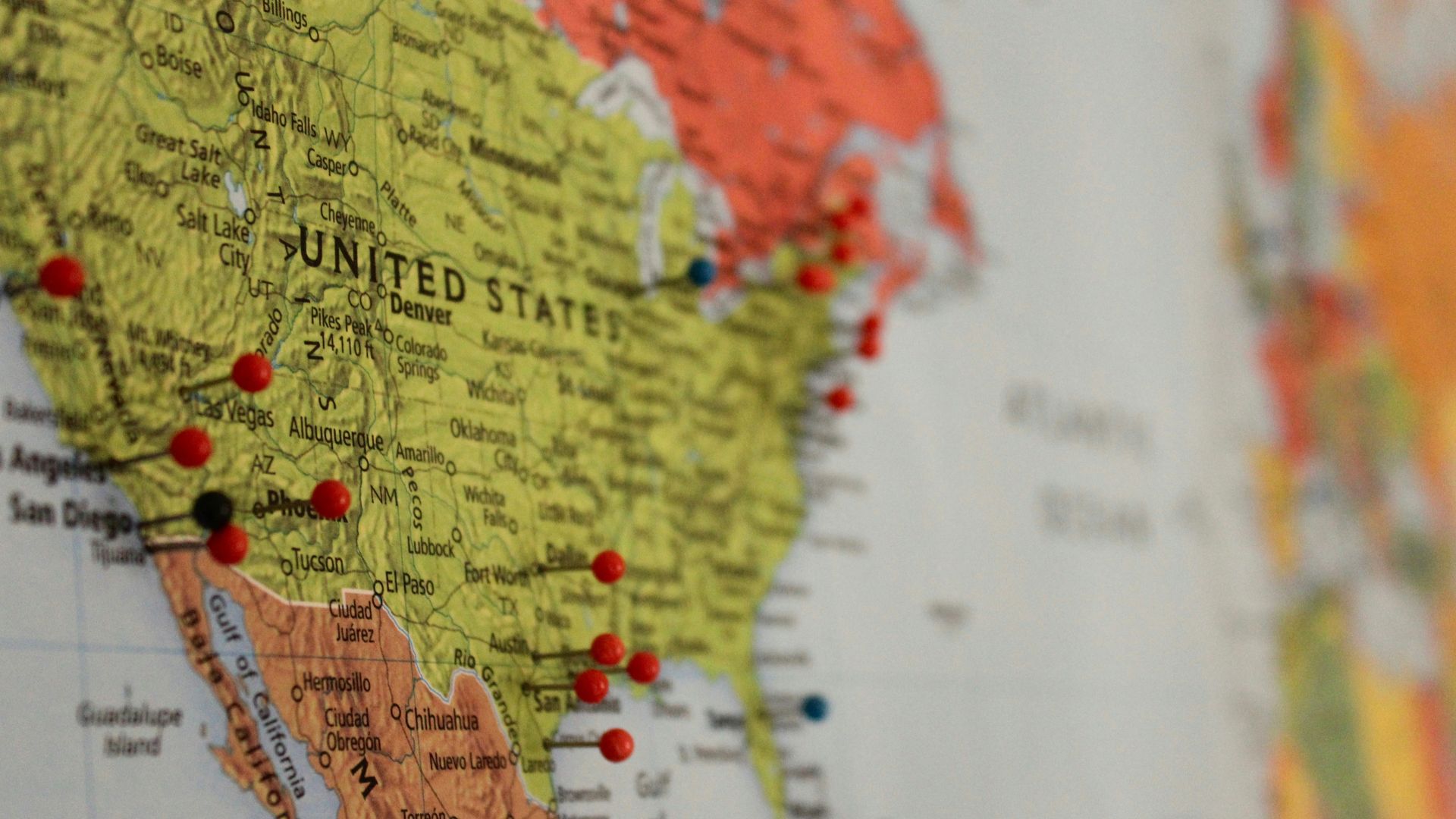
Across the nation, the search for affordable living and safety continues to reshape population patterns. High-cost cities like San Francisco and New York lose residents to more accessible states, while industrial centers such as Detroit and Cleveland face long-term decline. The movement of people in 2025 reflects a broader transformation in how Americans define stability, opportunity, and quality of life.