9 Things Organized People Never Do to Keep Clutter From Taking Over
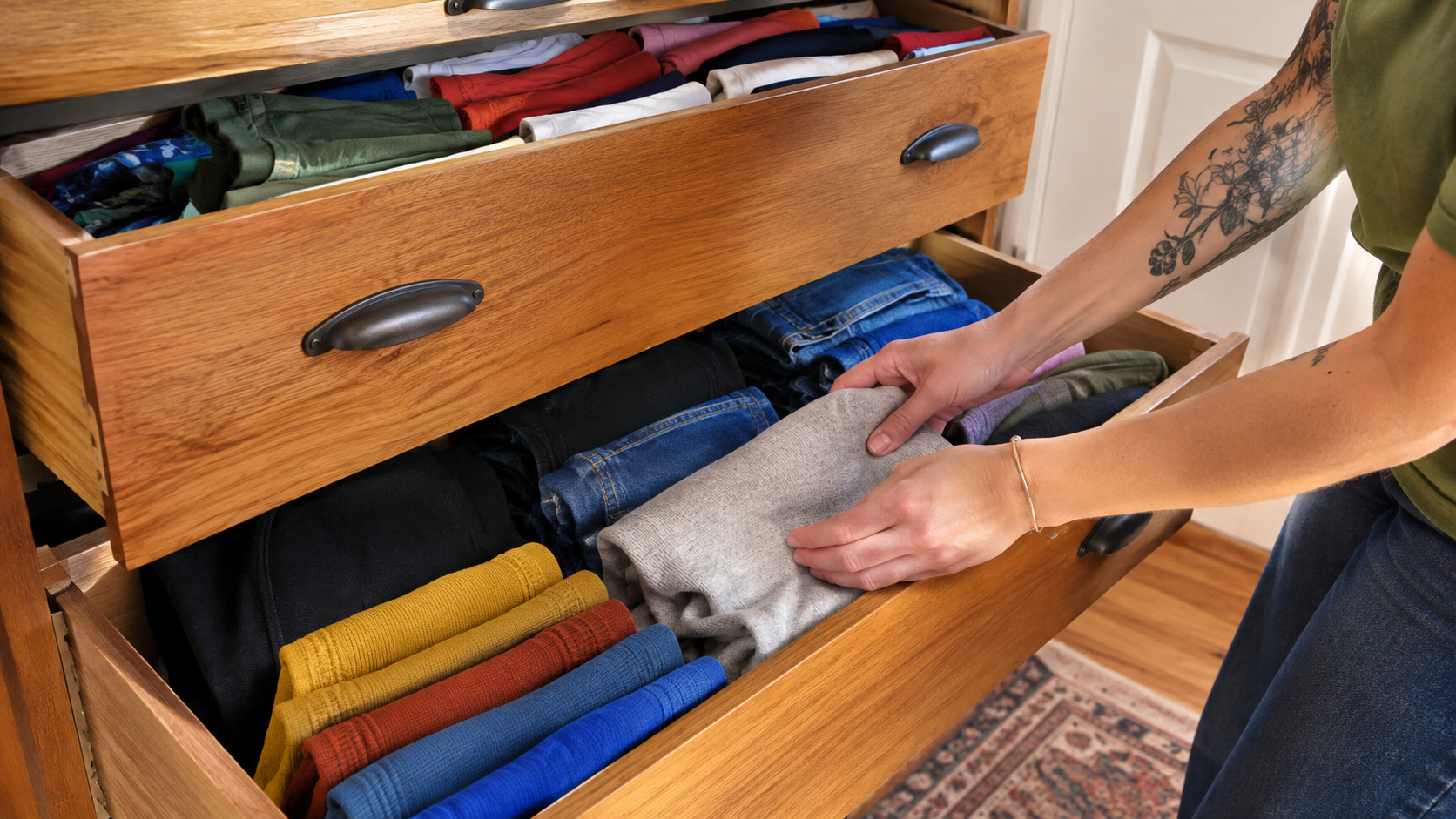

Clearing a counter is the easy part. Keeping it clear is harder, and the organizers behind this list say it comes down to what you stop doing.
Southern Living quoted six professional organizers in Virginia, Maryland, South Carolina and Washington, D.C., on what people with orderly homes never do. The answers range from buying on impulse to leaving dishes in the sink, and from chasing trends to treating a big declutter as a finished job.
If your counters fill back up within days, most of the habits ahead are small, daily ones. The first starts before an item ever gets home.
This article was created with the assistance of AI and reviewed by our editorial team for accuracy and clarity.
Organized people check for a place before they buy

Kristen Ziegler runs Minima, an organizing firm in Richmond, Virginia, and she says tidy households tend to run purchases through a short test. Does the item do a job or bring real pleasure, and is there already a place for it?
That second question is the practical one. An item with no shelf, drawer or hook waiting for it usually lands on the nearest flat surface, and that’s how a pile begins.
Another D.C. organizer, Jennifer Guadron-Wyatt of J’Arrange Your Space, says people with orderly homes follow a one in, one out rule, according to Southern Living: when something arrives, something leaves. The next purchase organizers hold off on is one that feels like progress.
Buying bins comes last, after the sorting is done
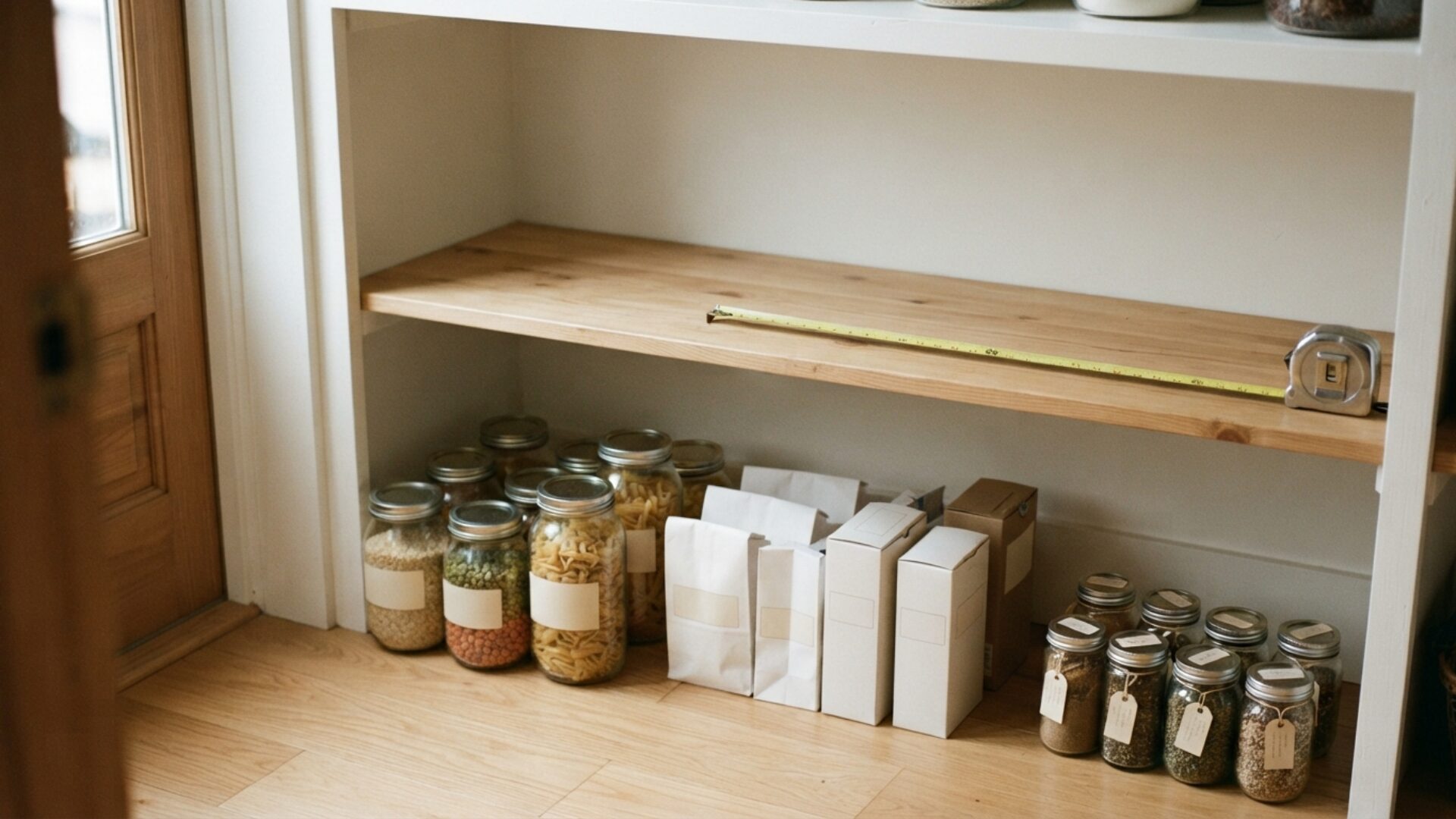
Bins and baskets are the fun part of organizing, but Alexandria Brouard of Cozy Home Studios in Washington, D.C., says to save them for last. Buying early, she says, tends to create more clutter and waste money.
The reasoning is simple. A bin bought before you’ve sorted is a guess about how many mugs, chargers or toys you own. Once the pile is smaller and grouped by type, you can measure the shelf and pick containers that fit what’s actually going in.
Some of what’s in that pile was never bought by the person who owns it.
Organized people let unused things go despite the guilt
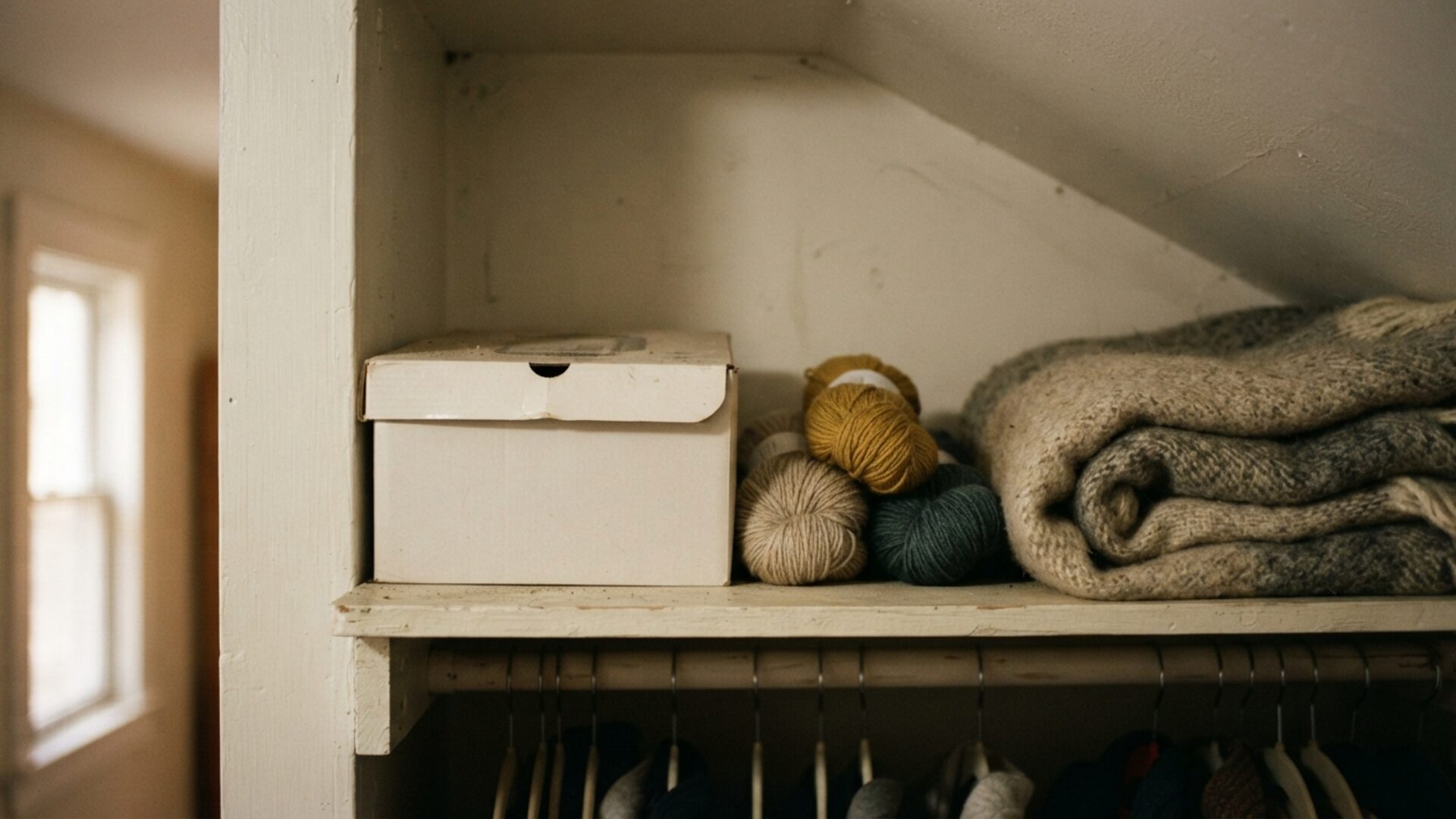
Gifts are the clearest case. Ziegler says tidy households don’t keep an object that sits unused just because someone gave it to them or because letting go brings guilt. She sees the payoff as twofold: more room and less to think about.
Suzanne Lindsey, who runs Light House Organizer in Madison, Mississippi, makes a related point in a separate Southern Living piece. Organized people don’t hold items in case they might need them someday, which is how skeins of yarn can sit untouched for years. Paper has its own three-step system, and it fits on one line.
How organized homes keep paper from stacking up

Brouard says organized homes handle each piece of mail or paperwork with one of three moves: recycle it, file it, or act on it. The point is that nothing sits in a stack indefinitely, which is also how important documents avoid getting lost.
The system works because each option is a decision made on the spot, and a pile is just a decision postponed. Melanie Summers of I Speak Organized told House Beautiful she never lets mail or paperwork pile up on counters or tables. The same thinking has a version for keys, and it starts at the front door.
Every item gets a fixed home near where it’s used
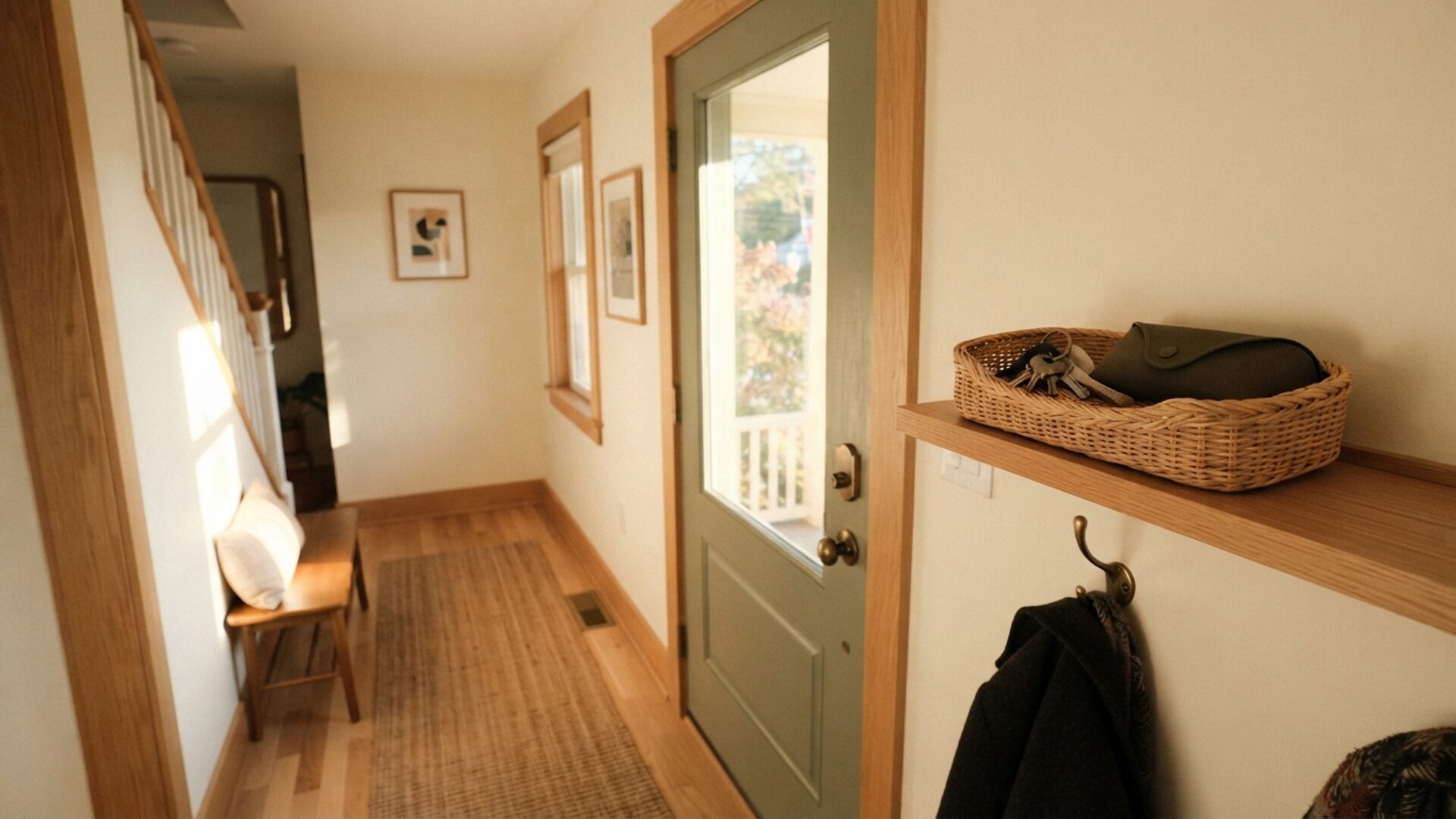
Angela Nguyen, who runs Bring It Home Style in Northern Virginia, gives two examples of a designated spot: a basket by the door for keys and a labeled bin in the pantry. The payoff is speed, because nobody has to stop and decide where something goes.
Placement is the other half. Stephanie Worinkeng of A Time To Organize in Greenville, South Carolina, recommends building homes around routines you already have, such as a drop zone by the door you use most for your keys, purse and wallet, according to Southern Living. The next habit takes about 15 minutes, and it happens at the sink.
Dishes get done before bed, even by hand
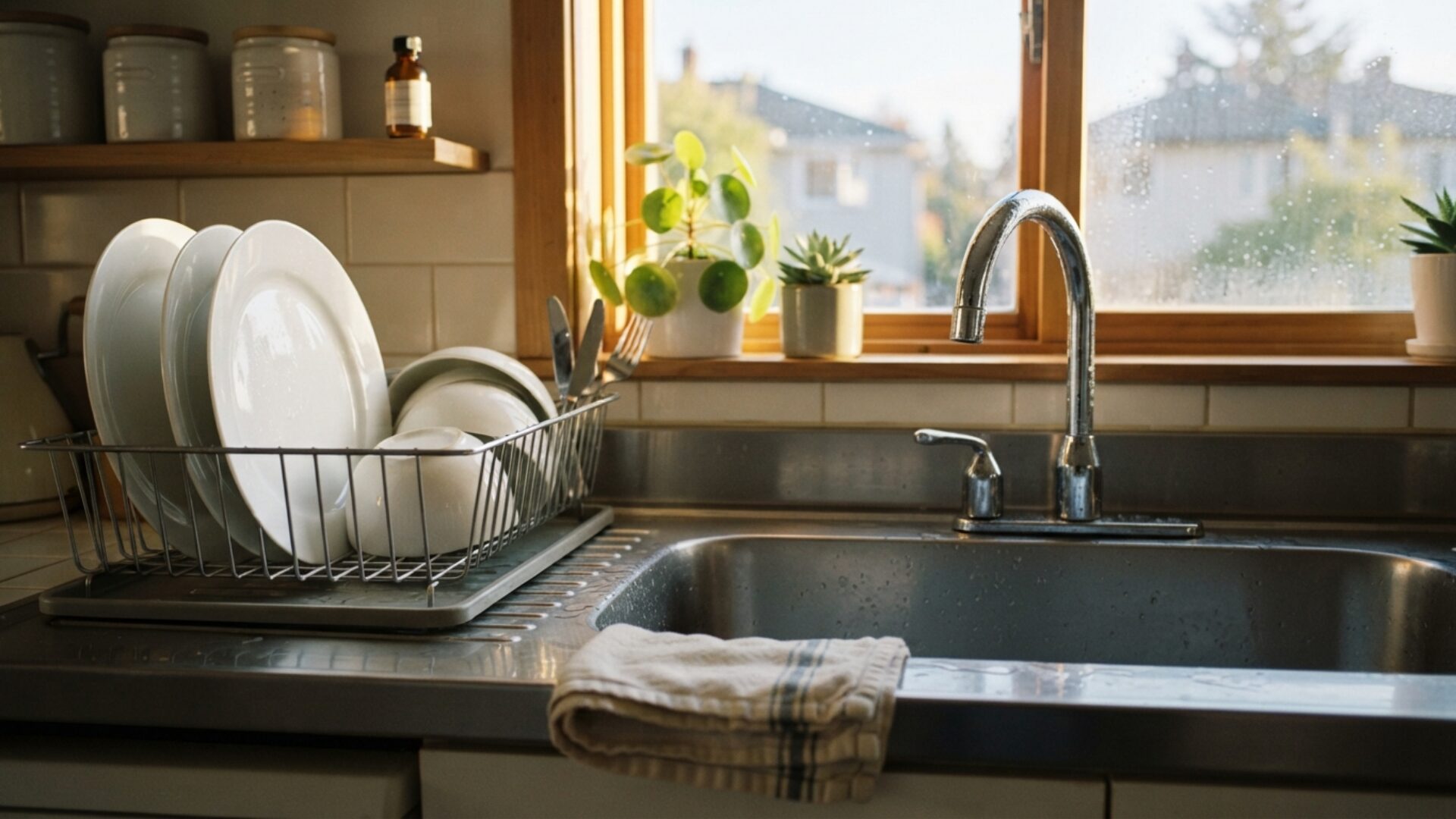
Jennifer Truesdale of STR8N UP Professional Organizing Services in Charleston, South Carolina, puts the cost of hand washing everything in the sink at about 15 minutes at most, even without a dishwasher. That’s her case against leaving dishes overnight.
Her payoff is a clean kitchen when you wake up. Ziegler, the Richmond organizer from earlier, describes her own evening reset in an Apartment Therapy house tour: on an ideal night, five to 10 minutes covers the dishes and putting things away. One Maryland organizer extends the evening reset to the whole family’s next day.
Organized households leave nothing for the morning
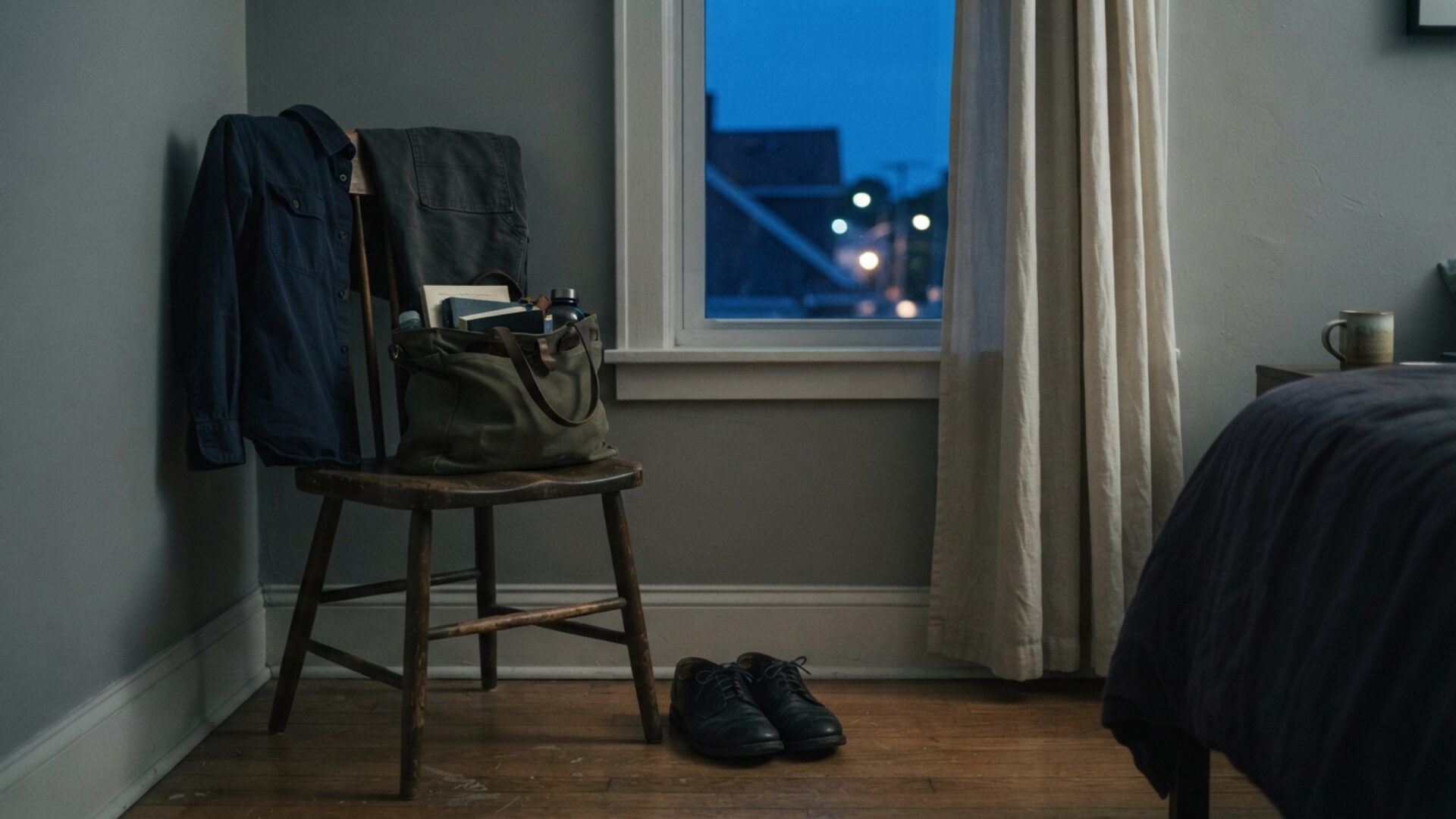
Lesley Deseyu, who runs Clean Lines Organizing and Design in Towson, Maryland, says the day goes better when the prep is finished the evening before. She credits that habit with cutting out most of the usual morning stress and setting the mood.
Her version is a family project. Everyone in the house thinks through what tomorrow holds, and the things they’ll need get packed ahead of time. She says the result is more sleep and a calmer start for everyone.
In practice that might mean a packed bag by the door or tomorrow’s clothes set out. One popular pantry trick, according to one organizer, looks good for about a day.
Organized people ignore trends and group things by habit

Rachel Rosenthal, who runs Rachel and Company in Washington, D.C., skips the alphabetized spice rack. It looks good for a day, she says, but it doesn’t hold up for her or her clients. She groups spices by how people cook instead: oils together, baking ingredients together, and the everyday jars within easy reach.
The same rule applies to products. She buys only what’s chosen for a specific space and routine, not what’s trending. She also doesn’t arrange books by color, she told House Beautiful, because she wants beauty in a space but never at the expense of function. Even a system built around your habits needs updating, and Rosenthal says what triggers it.
Organizing works as a recurring check, not a one-time project
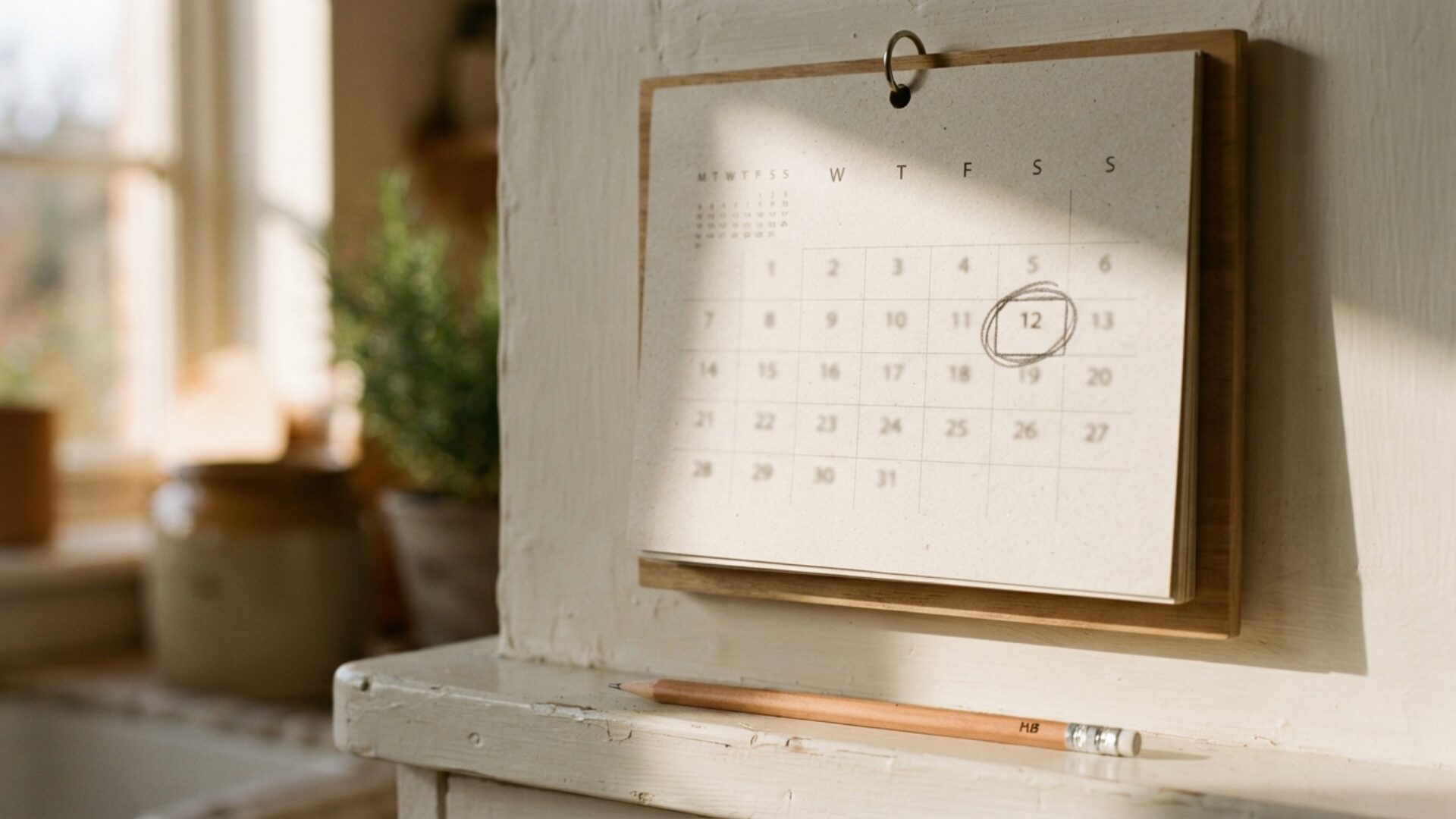
A system that fits your household needs updating when the household changes, Rosenthal says. That’s why one big declutter a year won’t hold. She calls organizing “a living system” that needs regular check-ins and tweaks.
A new job, a move or a new baby can break a routine that worked fine, which makes each one a sensible moment to recheck the habits on this list.
Set a recurring reminder on your calendar to revisit one habit from this list, and keep it only if it fits the way your household actually lives.