9 States Where Squatters Could Gain Legal Rights to Your Property
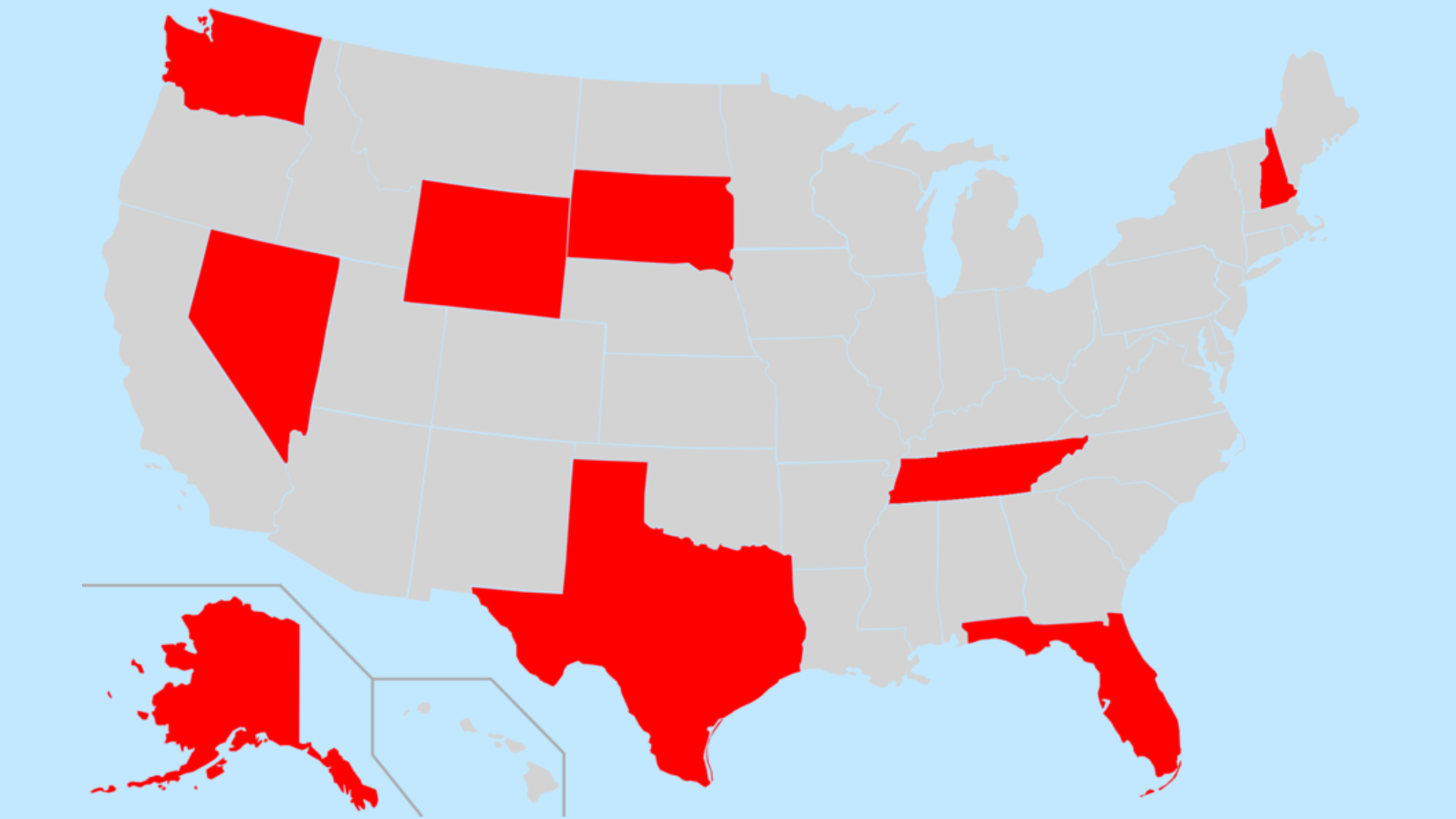

The term “squatter’s rights” refers to adverse possession laws, which in rare but legally possible situations can allow someone occupying another person’s property to eventually claim ownership. While all 50 states recognize some form of adverse possession, the rules vary significantly in terms of time required, tax obligations, and legal conditions that must be met.
California: 5-Year Requirement With Strict Conditions
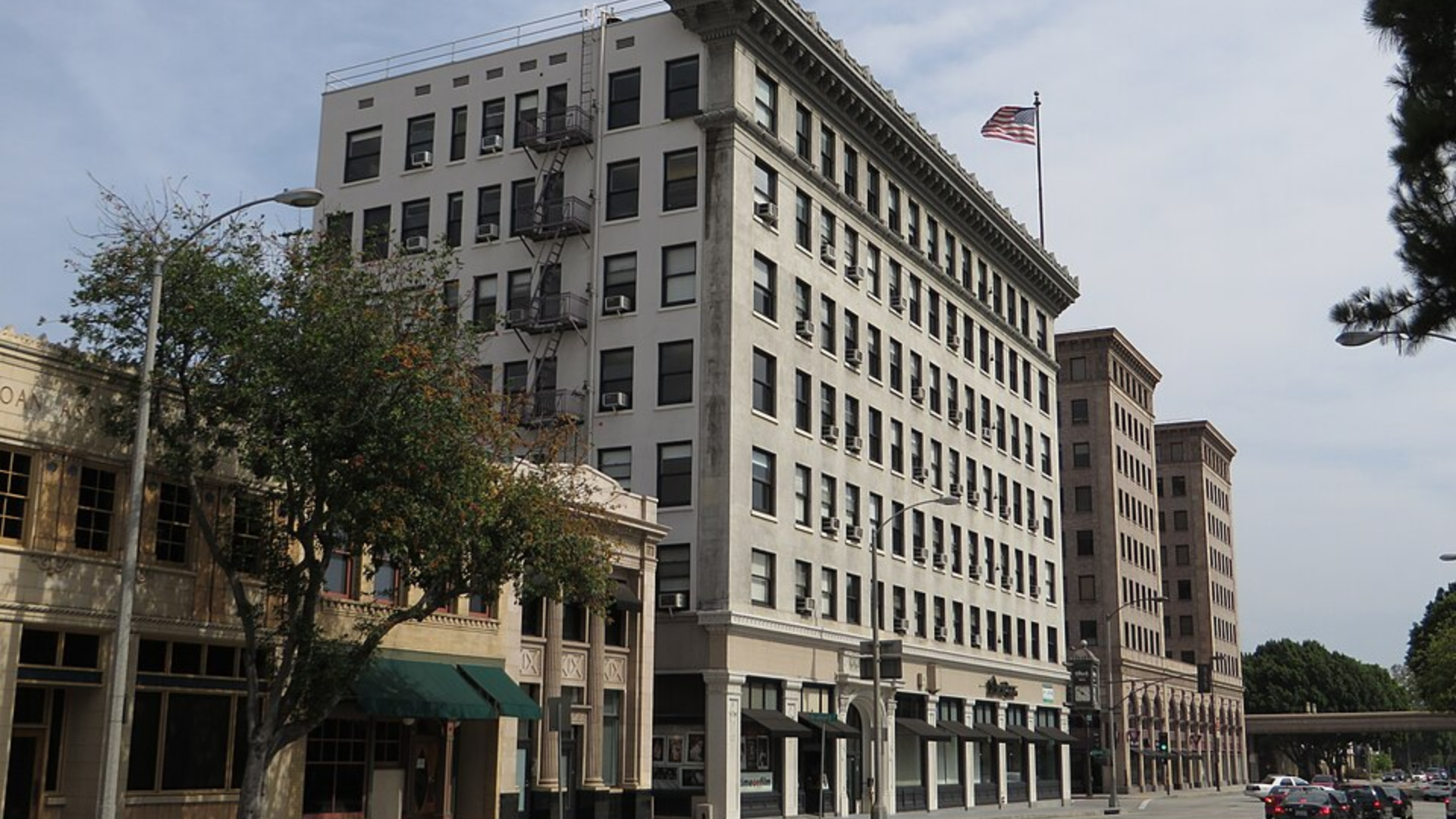
California has one of the shortest adverse possession timelines at 5 years, but the requirements are highly strict and closely enforced. Claimants must also pay property taxes during that period and demonstrate continuous, open, and exclusive possession of the property. Simply occupying a vacant home without meeting all legal conditions does not grant ownership rights under California law.
Montana: 5 Years With Tax and Legal Restrictions

Montana also has a 5-year adverse possession period, but claimants must satisfy additional legal requirements beyond just occupying the property. One key condition is the payment of property taxes, which helps establish a stronger legal claim over time. Certain types of land, including federally protected property, are excluded from adverse possession claims entirely.
Arkansas: 7-Year Rule With Documentation Requirements
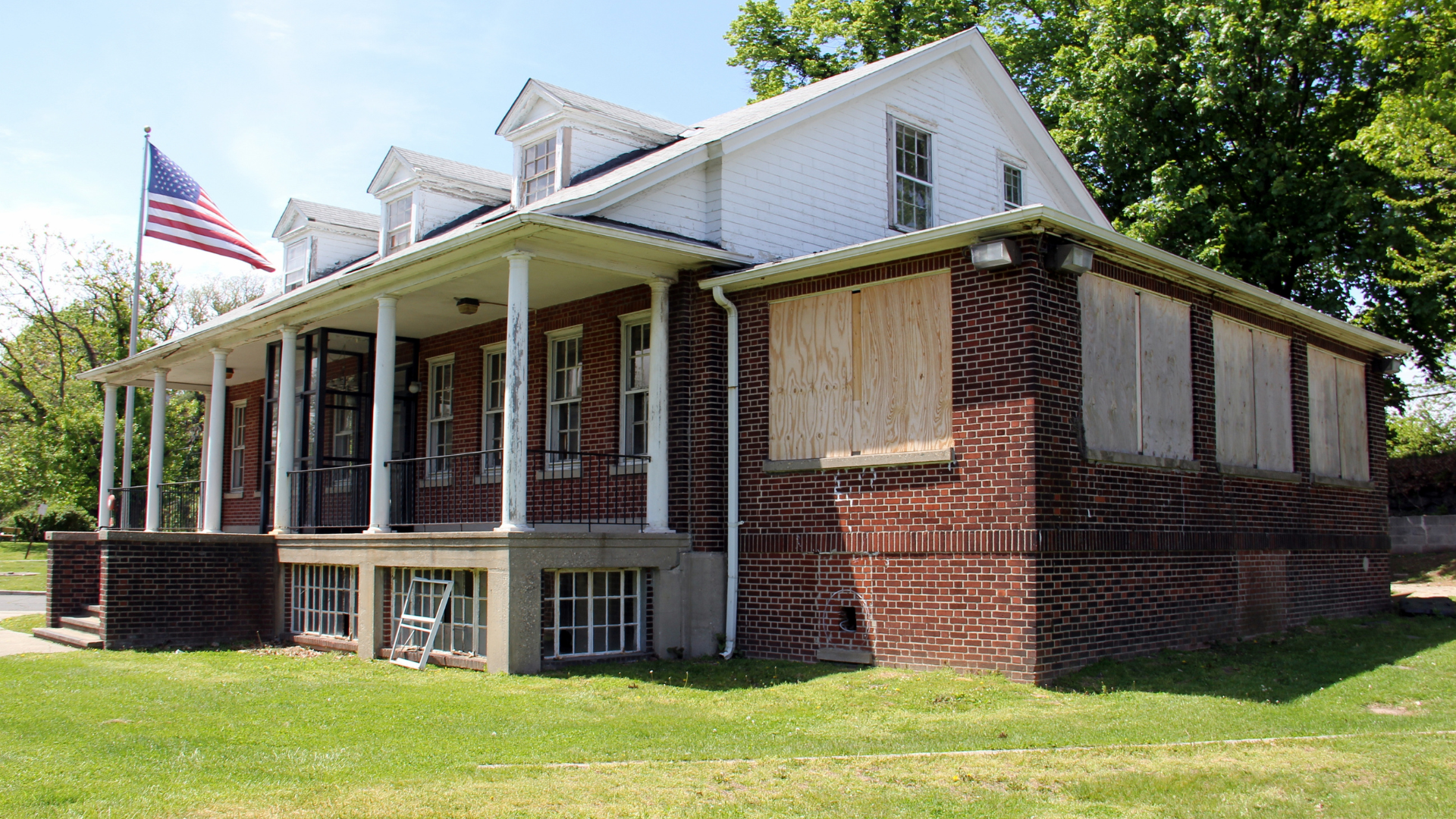
Arkansas allows adverse possession claims after 7 years of continuous occupation under qualifying conditions. In addition to long-term possession, claimants are often required to show evidence such as tax payments and supporting documentation. The law is structured to ensure that only clear, consistent, and long-term use of a property can potentially lead to ownership claims.
Florida: 7 Years With Tax or Title Requirements
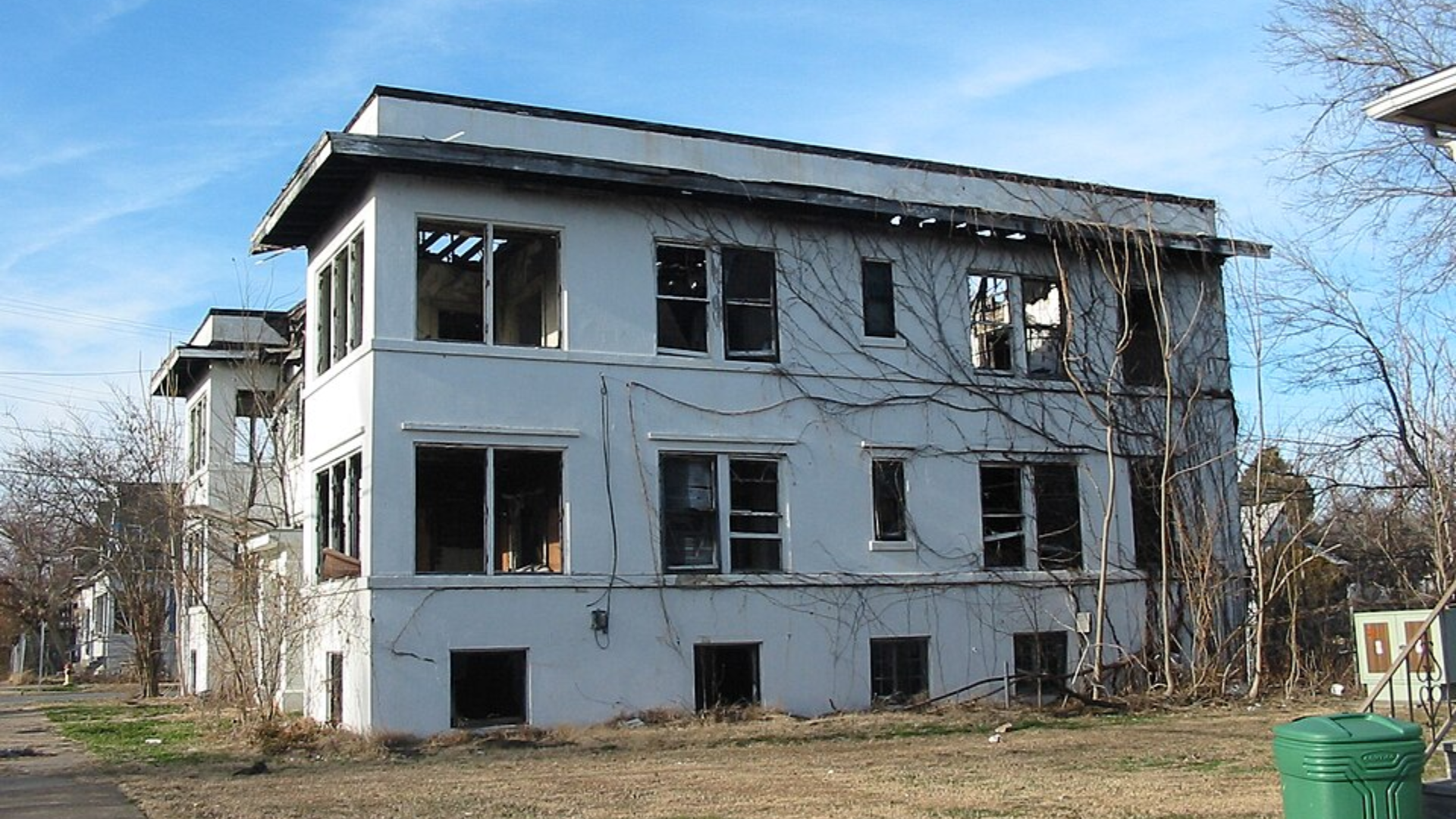
Florida also follows a 7-year adverse possession timeline, but claimants must meet specific financial or legal documentation requirements. They typically must show either payment of property taxes or “color of title,” which refers to a written document that appears to give ownership rights. Florida has also strengthened laws in recent years to allow faster removal of unauthorized occupants in certain situations.
Utah: 7 Years With Emphasis on Property Taxes
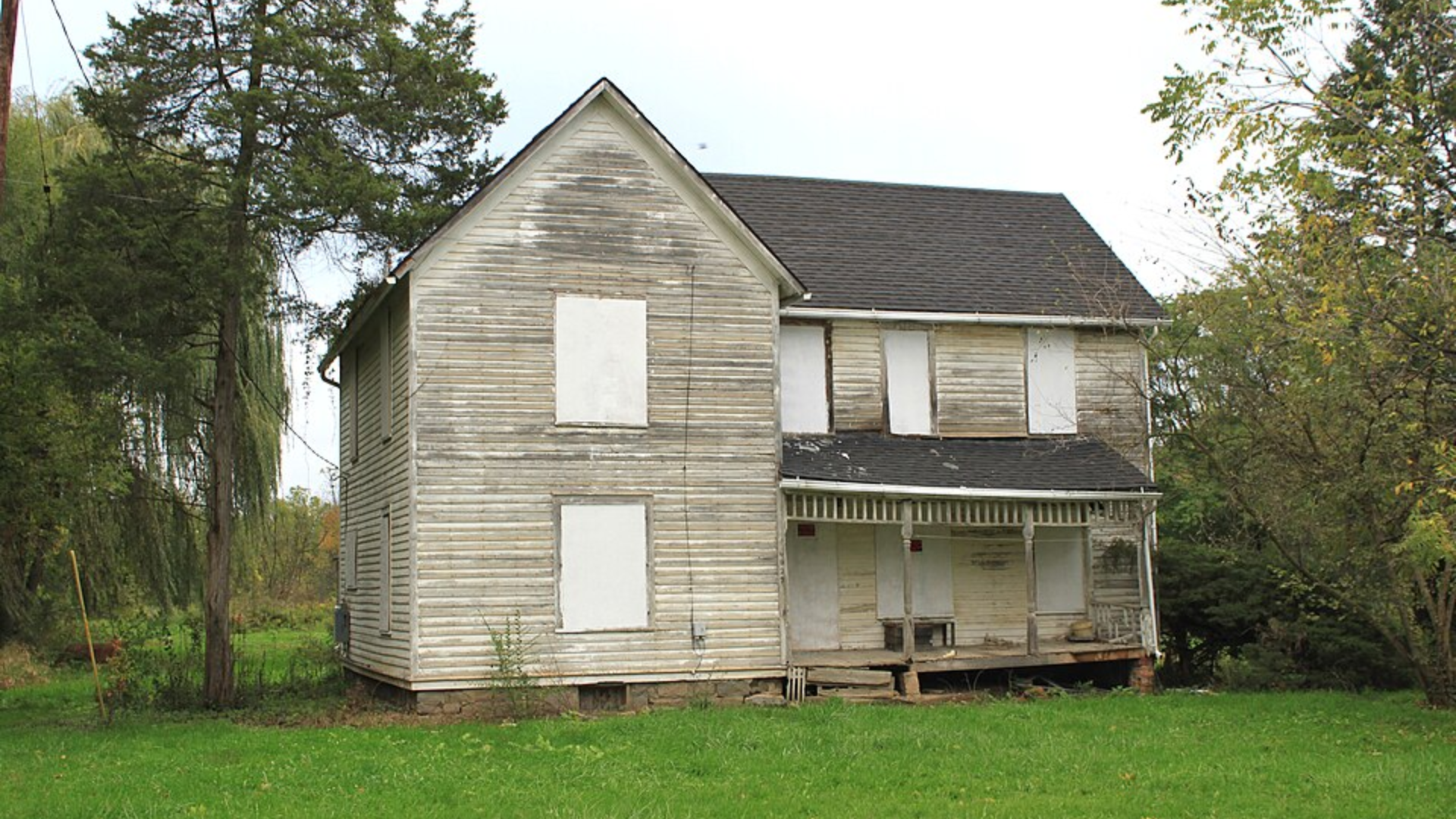
Utah’s adverse possession law generally requires 7 years of continuous occupation under qualifying conditions. A major factor in these cases is the payment of property taxes, which strengthens the legitimacy of a claim over time. If all legal requirements are not met, the adverse possession claim cannot move forward under Utah law.
Tennessee: 7 to 20 Years Depending on Circumstances
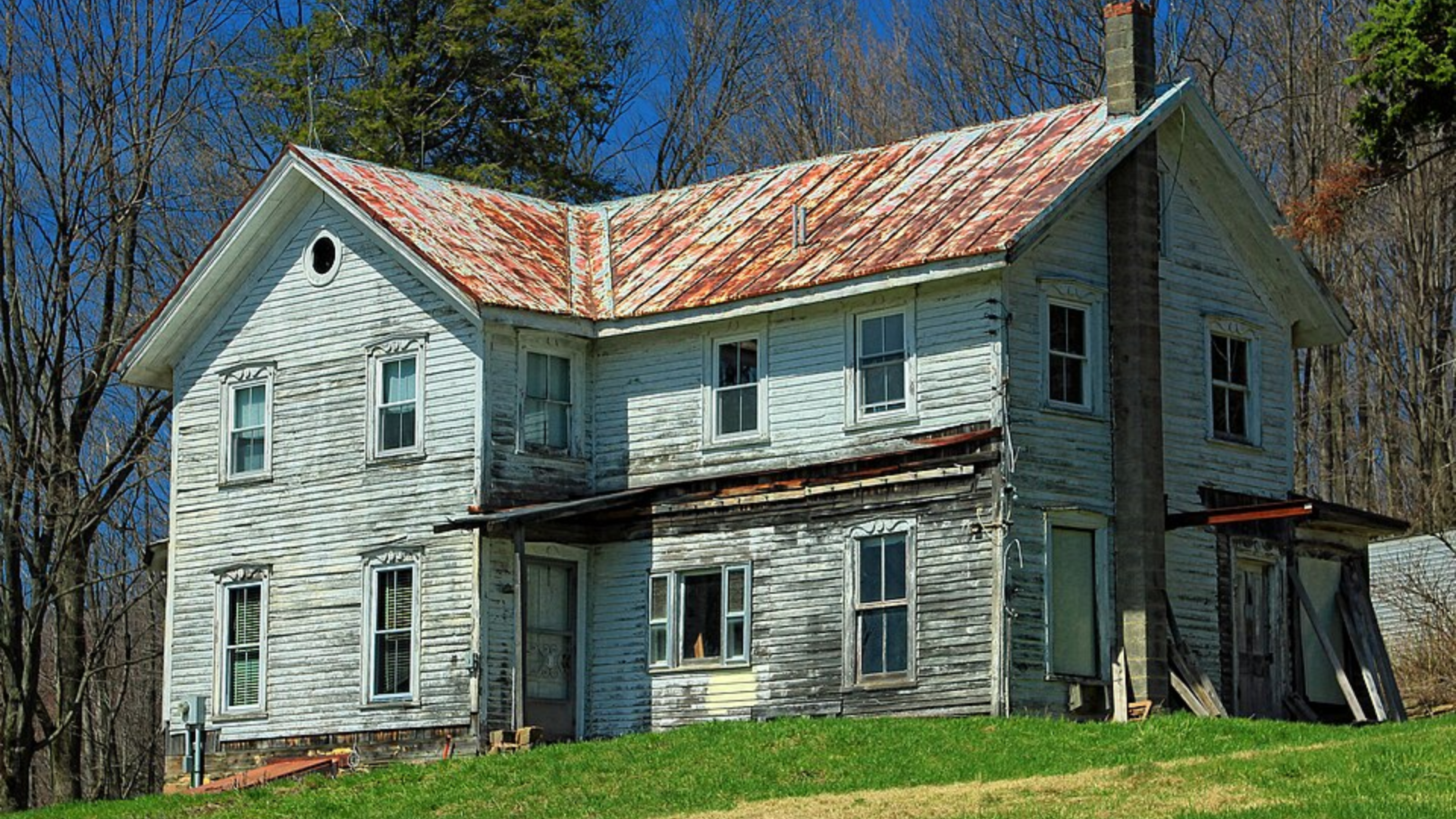
Tennessee has one of the more complex adverse possession systems because the timeline can vary significantly. In some cases, a 7-year period applies if the claimant has “color of title,” which is a written document supporting their claim. In other situations, a 20-year period may be required if that documentation is not present, making the process highly dependent on legal circumstances.
Alabama: 10 Years With Updated Anti-Squatting Laws
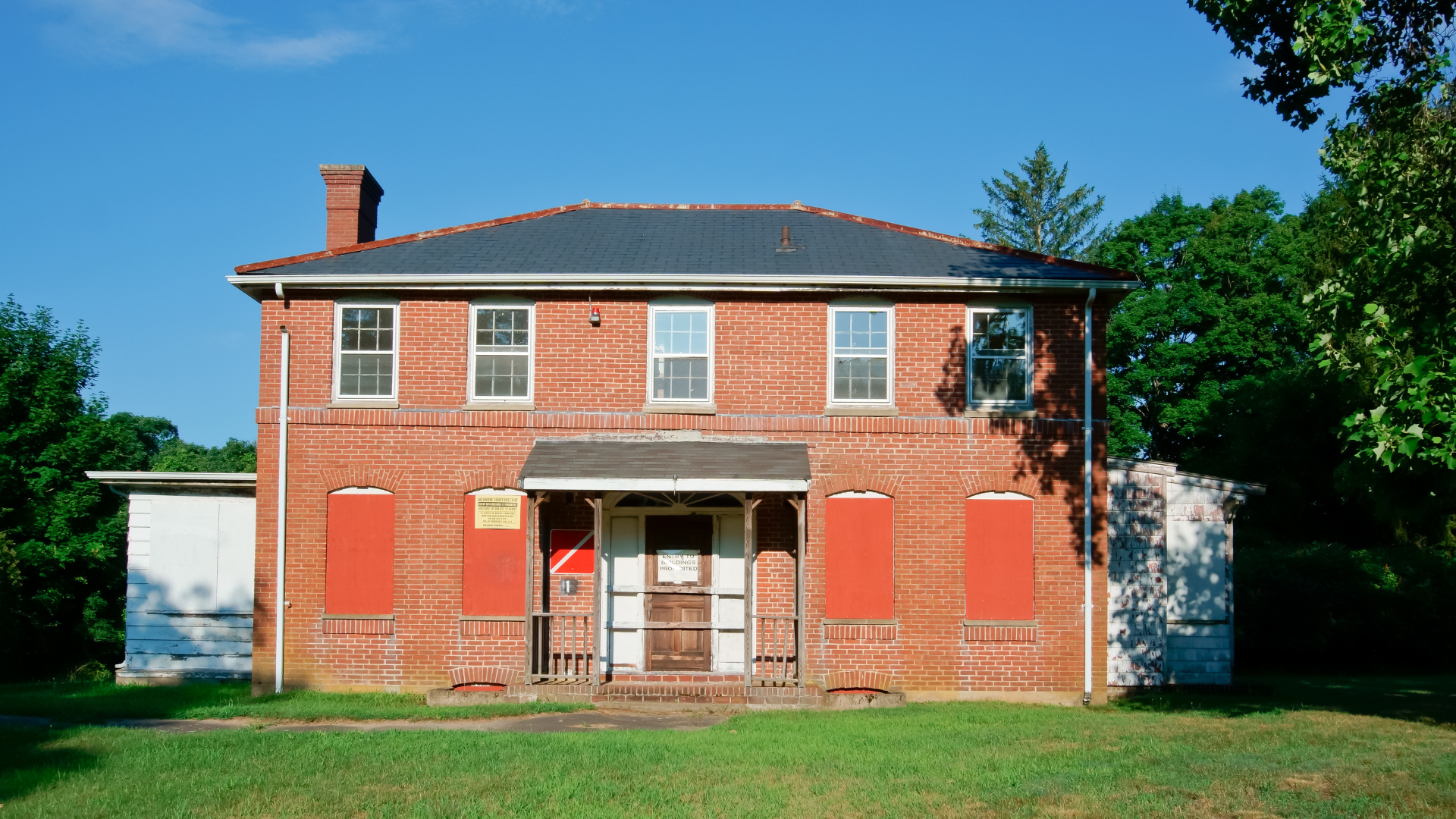
Alabama generally requires 10 years of continuous possession before an adverse possession claim can be considered valid. However, the state updated its laws in 2024 to make it easier for property owners to remove unauthorized occupants more quickly. This reflects a broader shift toward stronger protections for homeowners against long-term squatting situations.
Alaska: 10-Year Requirement With Strict Proof Standards
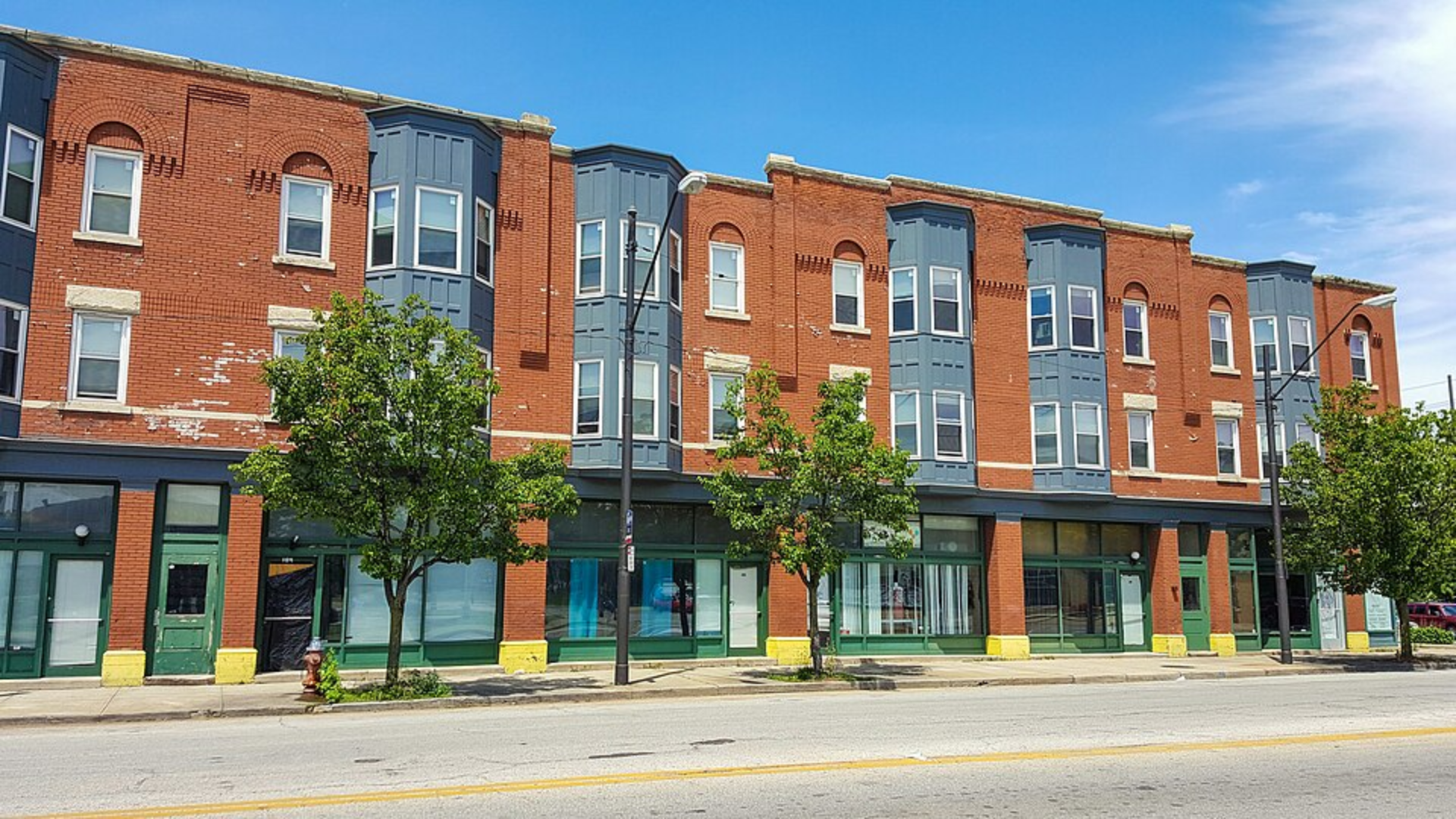
Alaska requires 10 years of continuous, open, and exclusive possession for an adverse possession claim to be considered. The burden of proof is especially high, meaning claimants must clearly demonstrate long-term occupation that meets all legal standards. Without strong and consistent evidence, claims are unlikely to succeed in Alaska courts.
Missouri: 10 Years With Full Legal Compliance Required
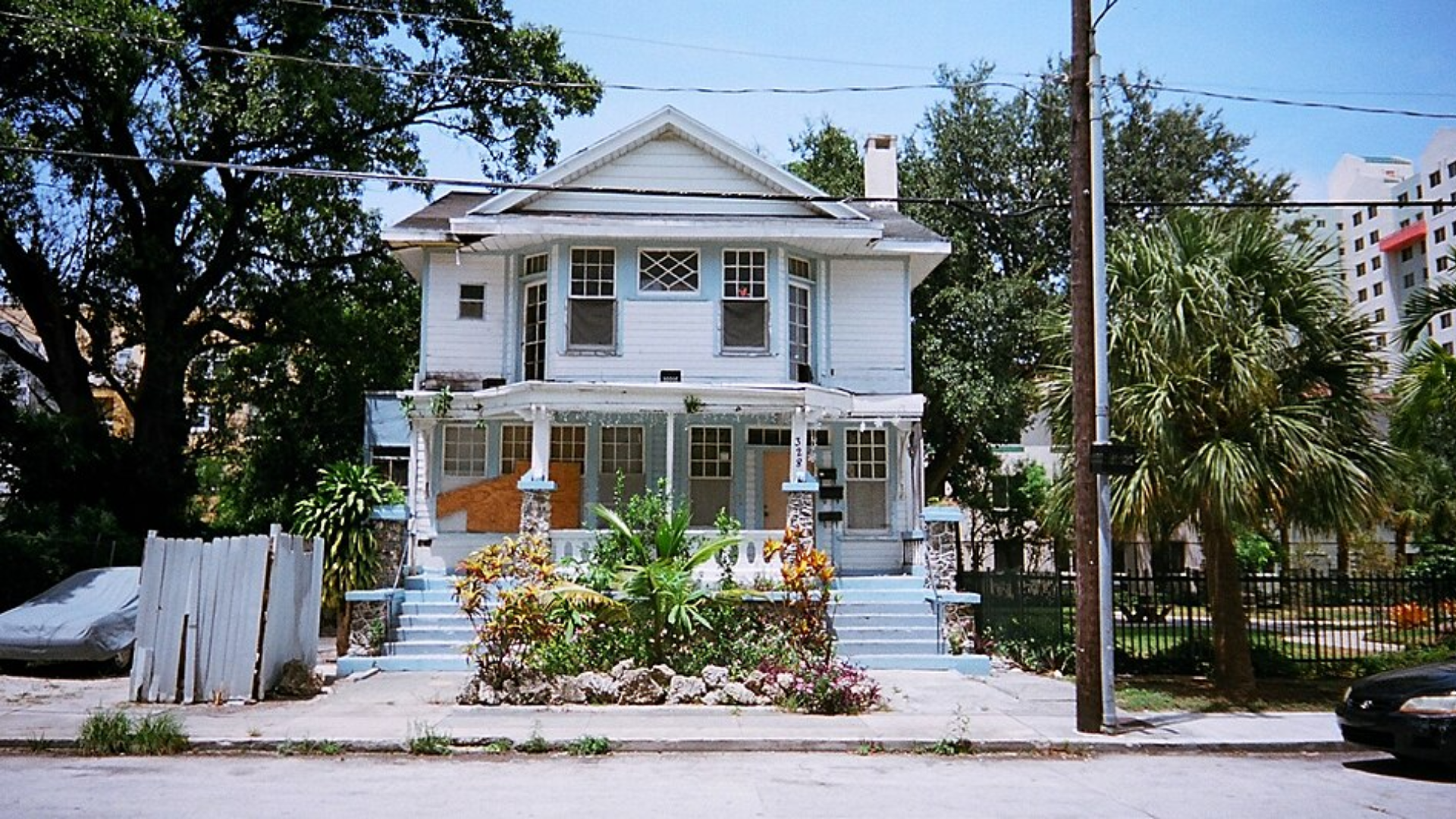
Missouri also has a 10-year adverse possession requirement under its state laws. Claimants must prove continuous and exclusive use of the property while meeting all other legal conditions. If any requirement is not fully satisfied, ownership cannot legally transfer through adverse possession.