80-Mile Crack Opens in One of North America’s Largest Lakes, Local Says It ‘Felt Like a Dang Earthquake’
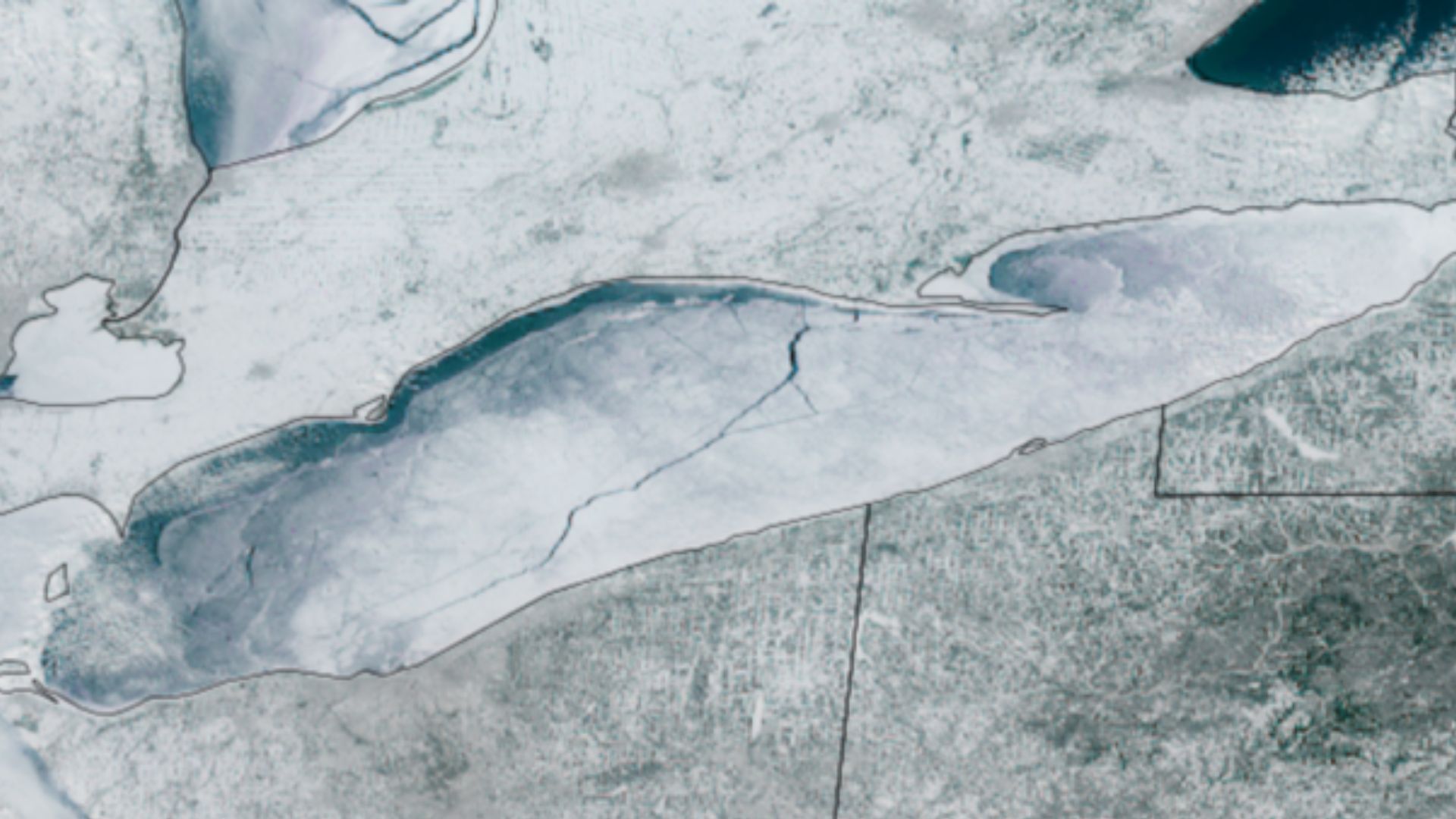

Lake Erie developed a fracture so massive that satellites captured it from space this February. The crack stretched roughly 128 kilometers across the frozen lake in less than four hours, stunning meteorologists and locals alike. With 94 percent of the lake frozen solid, well above typical winter levels, the sudden split created an ice separation visible in real-time satellite imagery over the Canada-US border.
The Ice Split Open in Less Than Six Hours
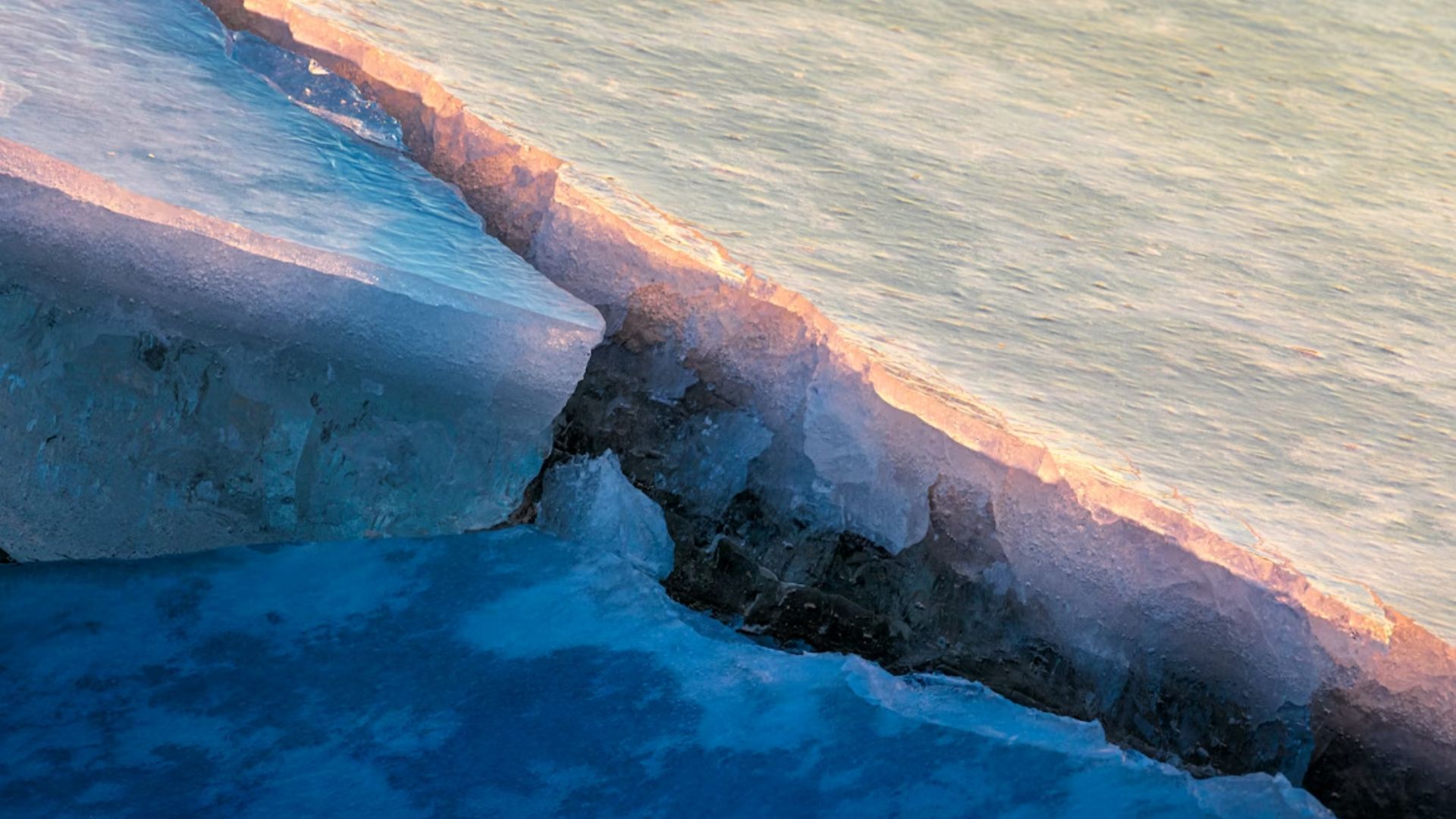
Chris Vickers, chief meteorologist with WTOL, tracked the fracture as it formed on February 8. The crack stretched from Port Burwell, Canada, to near Cleveland, Ohio, developing at remarkable speed. “This crack happened in a very short amount of time, with the vast majority of the crack fracturing in less than six hours,” Vickers told Newsweek, noting the unusual size and rapid formation.
Ice Fishermen Felt the Lake Move Beneath Them
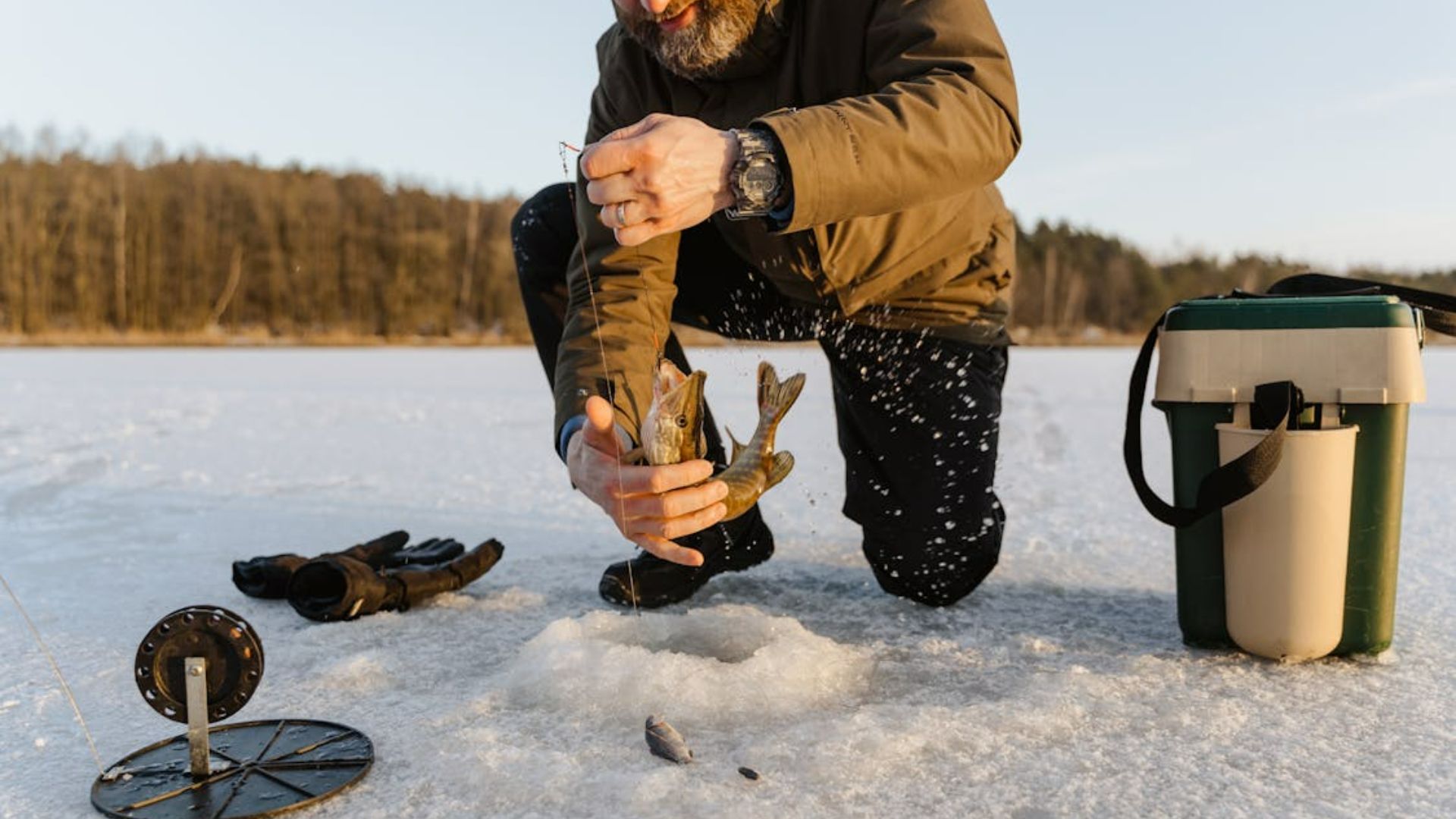
Thousands of recreational ice fishermen had flocked to Lake Erie this season, drawn by the extensive freeze. One experienced angler shared his reaction to the moment the ice split: “I was off Huron, and it felt like a dang earthquake. I’ve ice-fished Lake Erie for 35+ years and never felt or heard the ice do what it did.” Another reported hearing a sound like a cannon shot.
Lake Erie Froze Far More Than Usual This Year
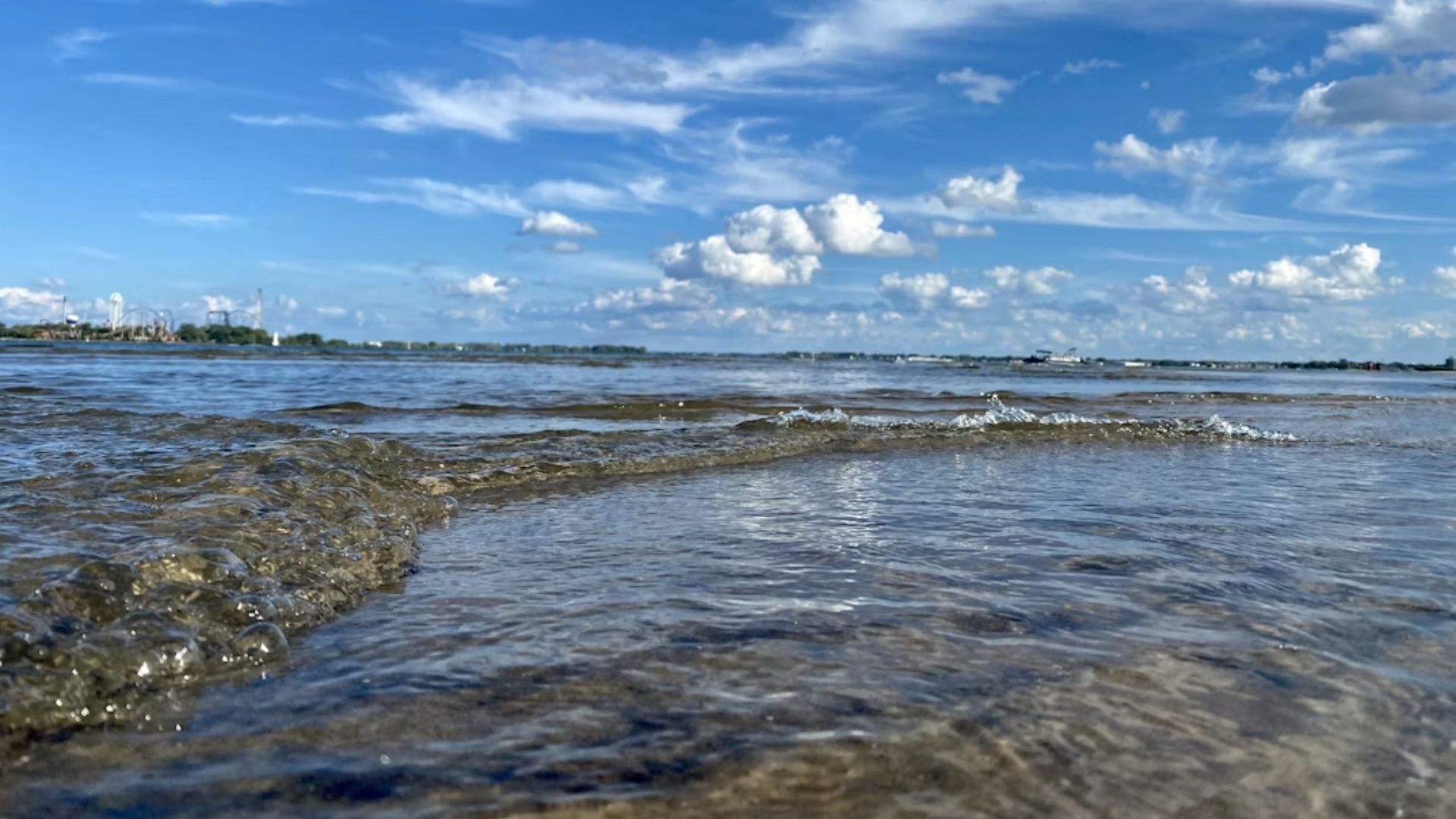
The lake reached 94 percent ice coverage in February, significantly higher than the typical 65 to 70 percent seen during peak winter, according to the National Weather Service Cleveland. Ice coverage surged from under 2 percent on January 14 to nearly 85 percent by January 21, then climbed past 95 percent as January ended.
The Lake Almost Achieved a Rare Total Freeze
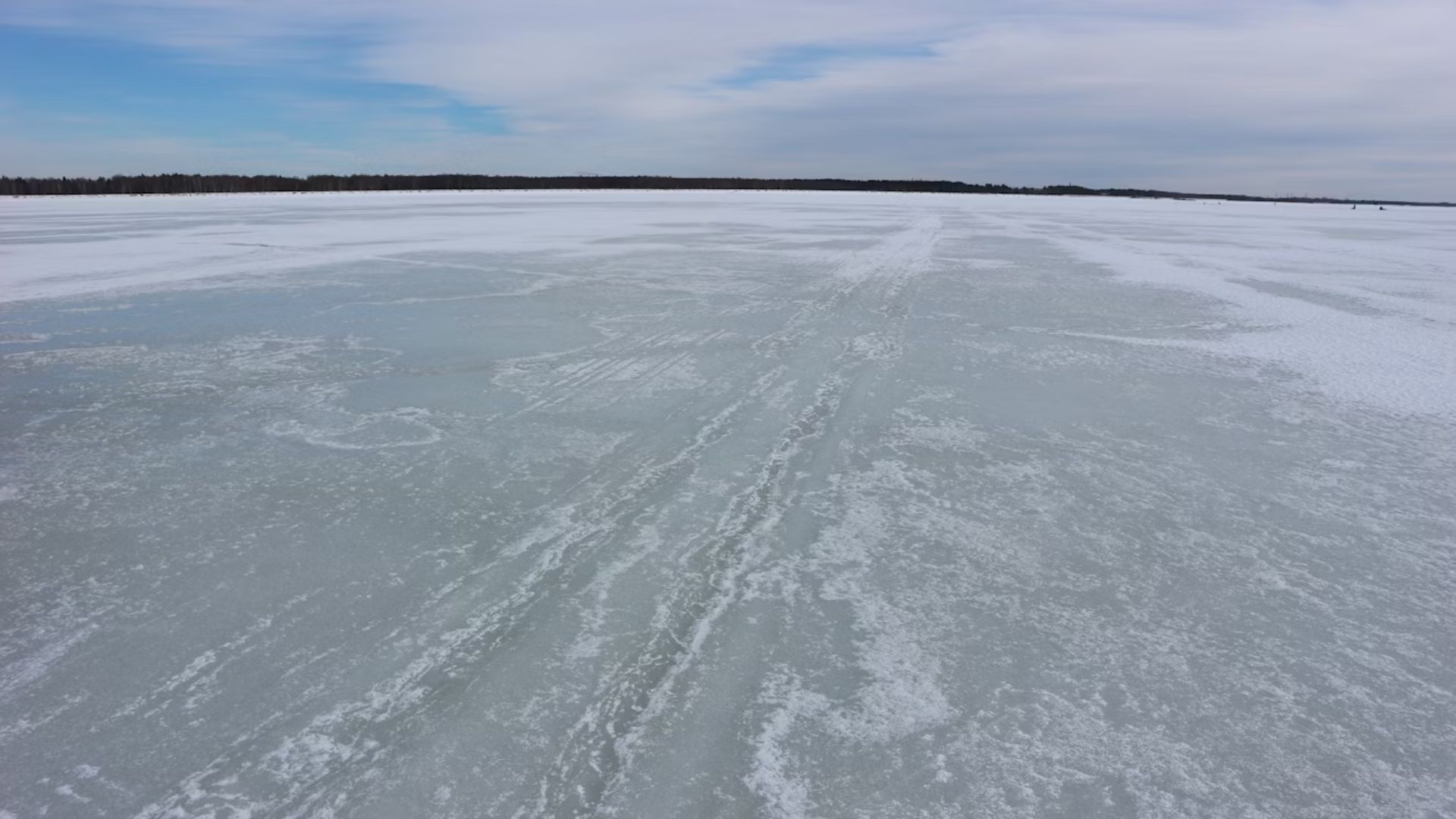
Lake Erie teetered on the brink of completely freezing over, a phenomenon that has only occurred three times since records began in the 1970s. The last total freeze happened in February 1996. The lake came close multiple times in recent years, including 2025, 2018, 2015, 2014, and 2011, but in February 2026, it came closer than it has in decades.
Temperature Swings Likely Caused the Massive Split
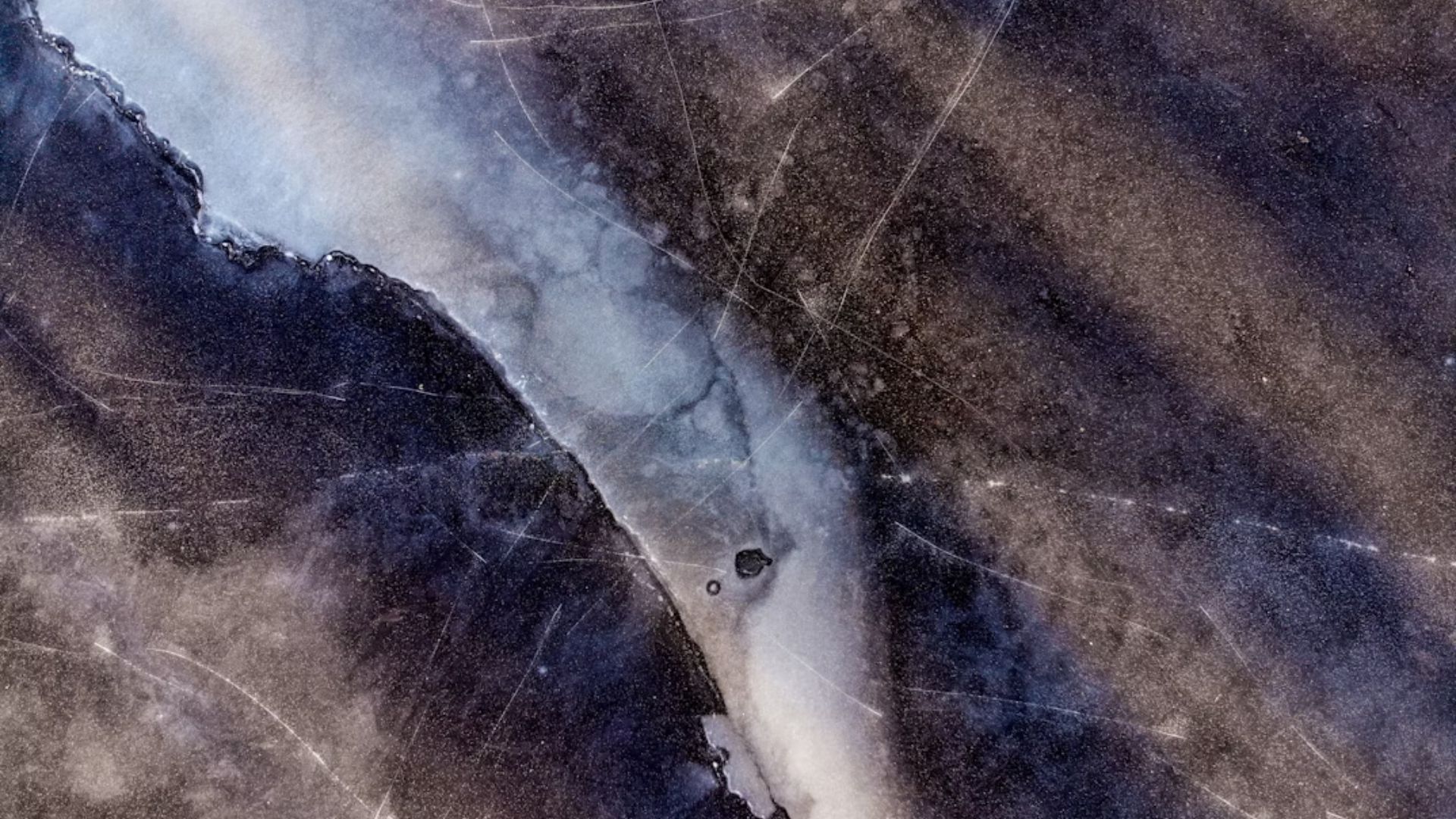
Cracks like this typically form from thermal stress, caused when ice responds to rapid temperature changes by expanding or shrinking. The quick formation suggests the frozen surface reacted to shifting conditions across the lake. Despite the dramatic fracture, AccuWeather noted Lake Erie could still achieve complete ice coverage if bitter temperatures persist and winds are calm enough to prevent further breaking.
Lake Erie Freezes Easier Than the Other Great Lakes
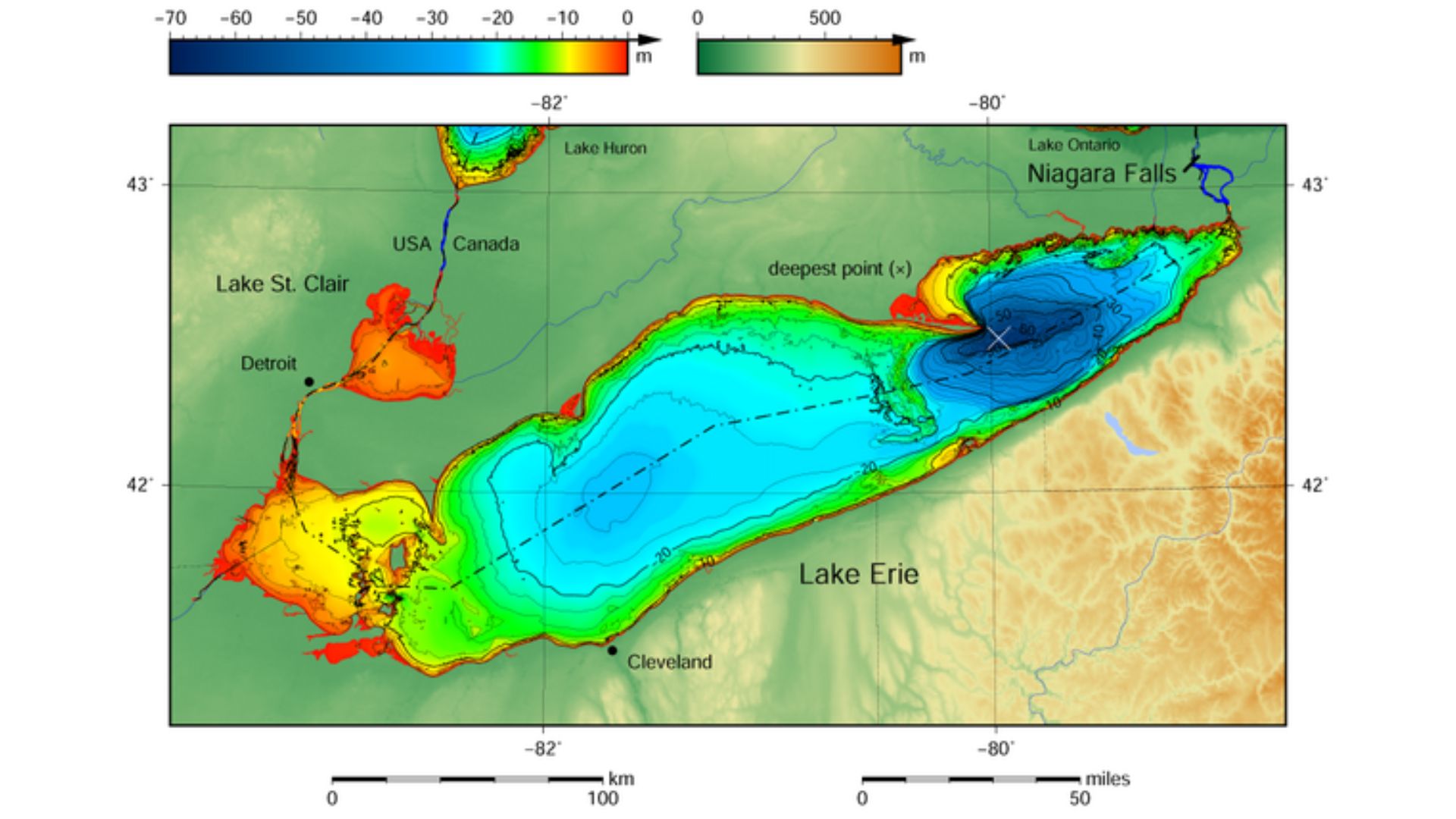
At over 9,910 square miles, Lake Erie ranks among the world’s largest freshwater lakes, but it’s relatively shallow compared to the others. This shallower depth makes it the first Great Lake to freeze in winter and the first to thaw in spring, according to NASA. The limited water volume responds more quickly to temperature changes than its deeper neighbors.
The Crack Poses Serious Dangers for Ice Fishermen
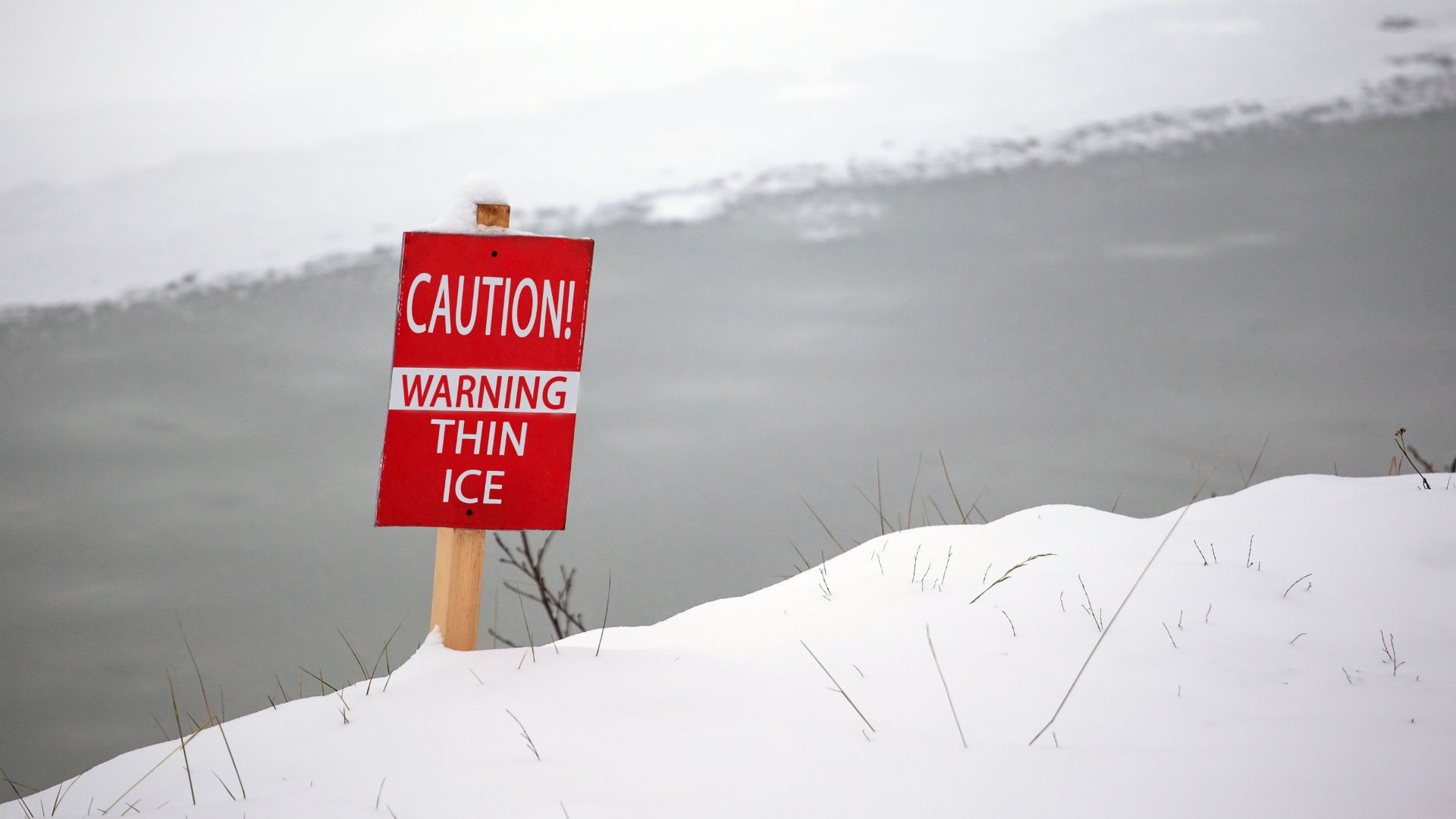
While this particular fracture didn’t cause safety issues, Vickers warned that shifting ice can strand many people on frozen lakes. “These large ice floes become a major focus in the second half of the winter season,” he also noted. Fortunately, the crack formed away from common fishing areas, but similar separations in vulnerable spots could create growing risks in the coming weeks.
Frozen Lakes Can Create Explosive Sounds During Winter
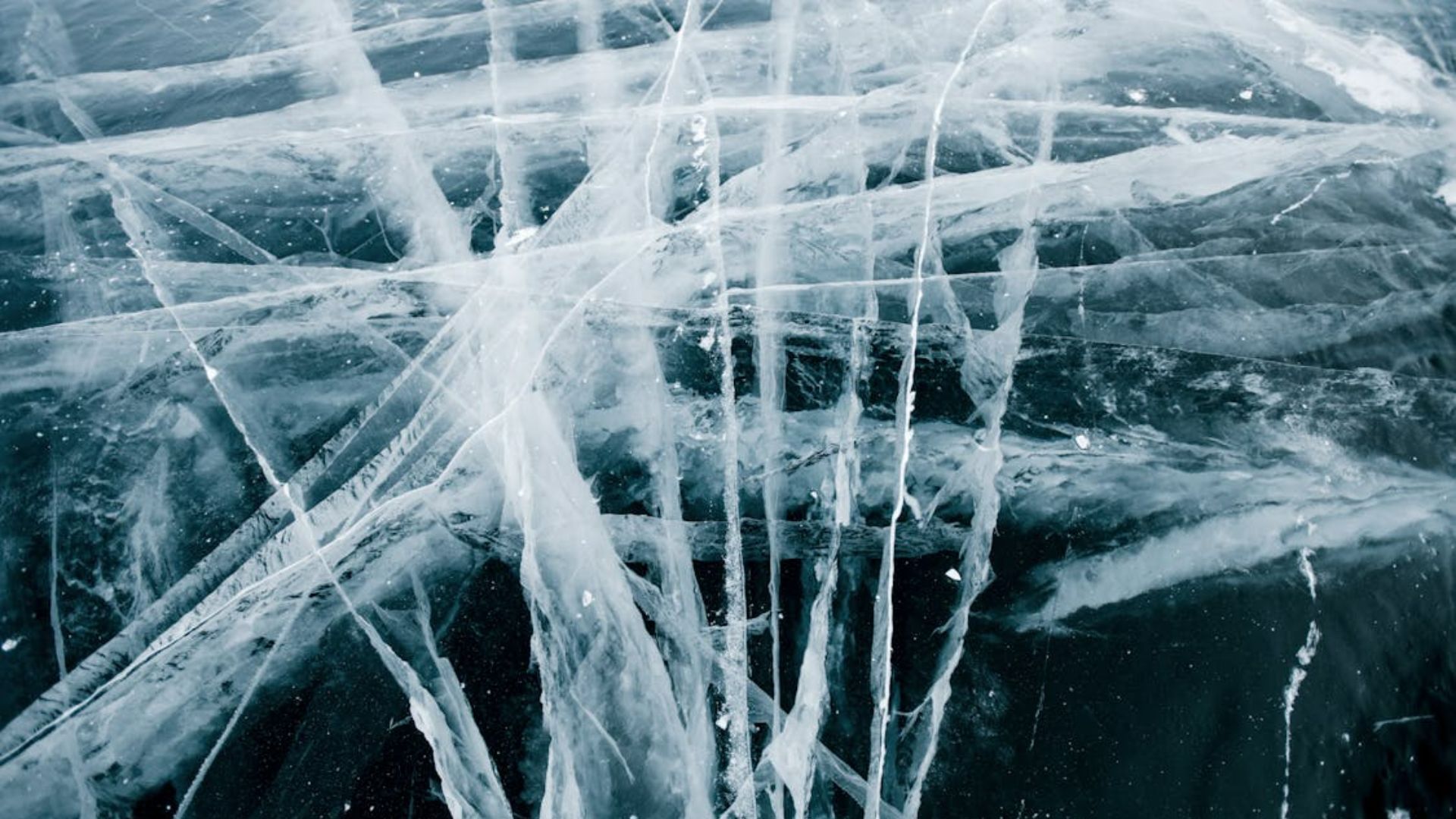
According to Clean Lakes Alliance, frozen lakes often produce dramatic noises in winter as ice fractures and cracks form throughout the cold months. The sounds range from low groans to sharp booms. Lake Erie’s massive crack generated reports that locals compared to cannon fire, with some feeling the ice shift beneath them like seismic activity.
The Freeze Will Soon Shut Down Lake Erie’s Snow Machine
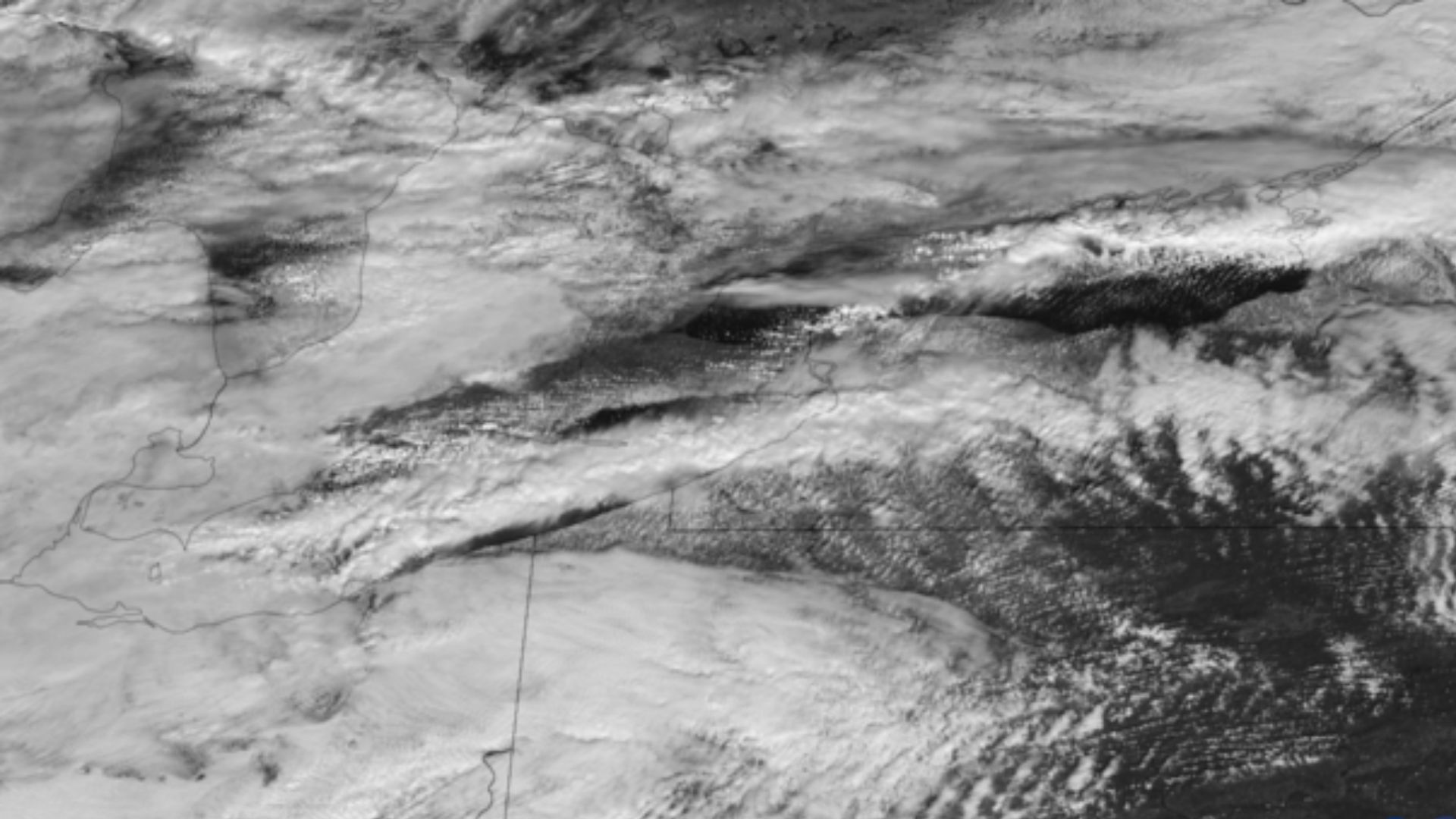
When Lake Erie freezes completely, it halts a phenomenon called lake-effect snow. Cold Arctic air normally picks up water vapor while crossing the lake’s warmer surface, then dumps massive snowfall on downwind shores like Buffalo, New York. Once fully frozen, the lake can’t release moisture, effectively shutting down the snow machine. The near-total freeze may bring relief to snowbound communities.