8 Easy Ways Renters Can Lower Their Electric Bill Without Expensive Upgrades


Living in a rental does not mean you have to accept a high electric bill. Even without replacing windows, upgrading appliances or making permanent renovations, renters can make simple changes that reduce energy use. Seattle City Light recommends several low-cost or no-cost strategies, from unplugging unused electronics to adjusting thermostats and improving airflow.
1. Unplug Electronics That Are Not Being Used
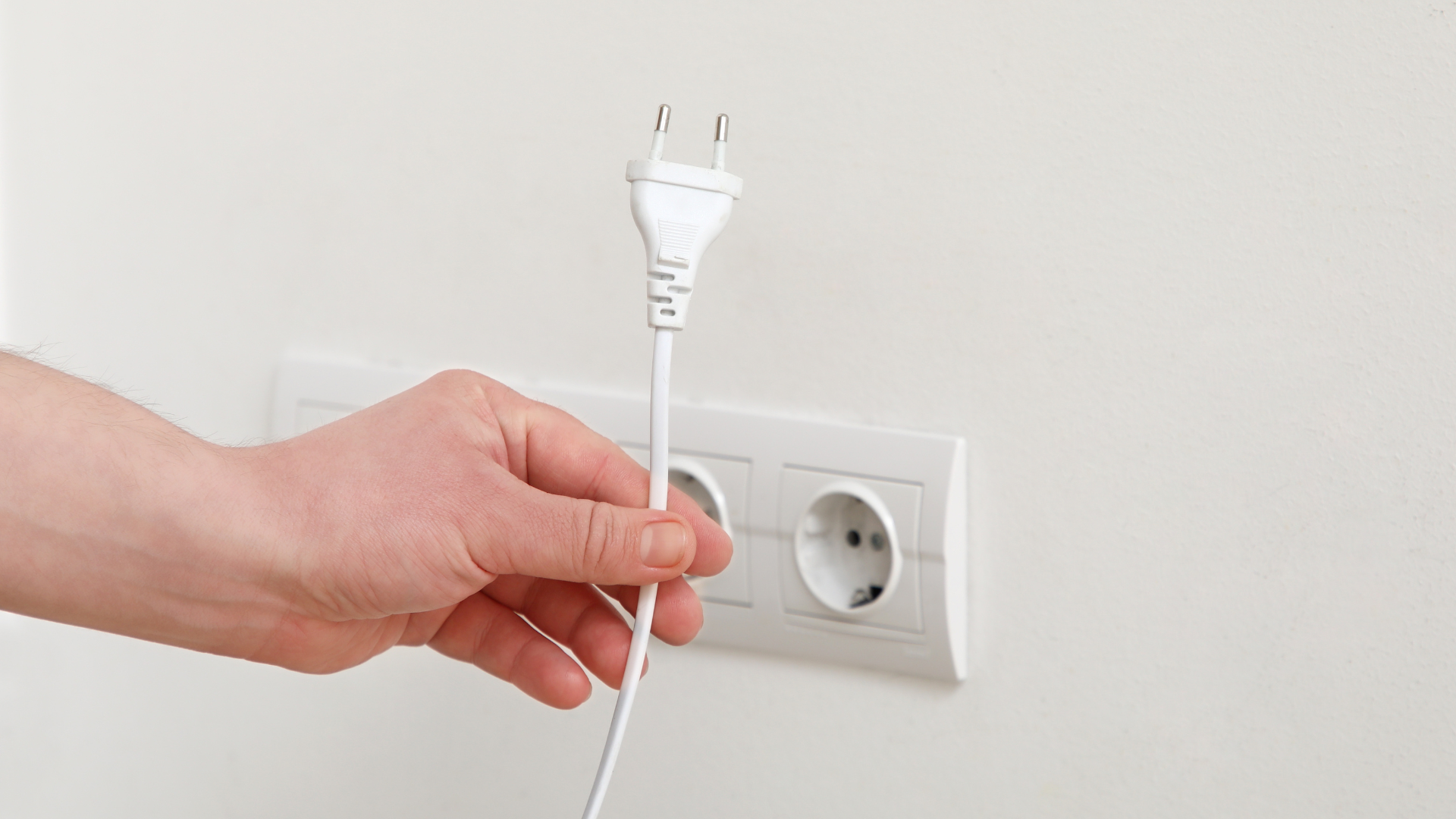
Many electronics continue drawing small amounts of electricity even when they appear to be turned off. This standby or “phantom” energy can add to household electricity use, so unplugging chargers, game consoles and other devices when they are not needed can help. Power strips with on/off switches can make it easier to cut power to several devices at once.
2. Run Appliances More Efficiently
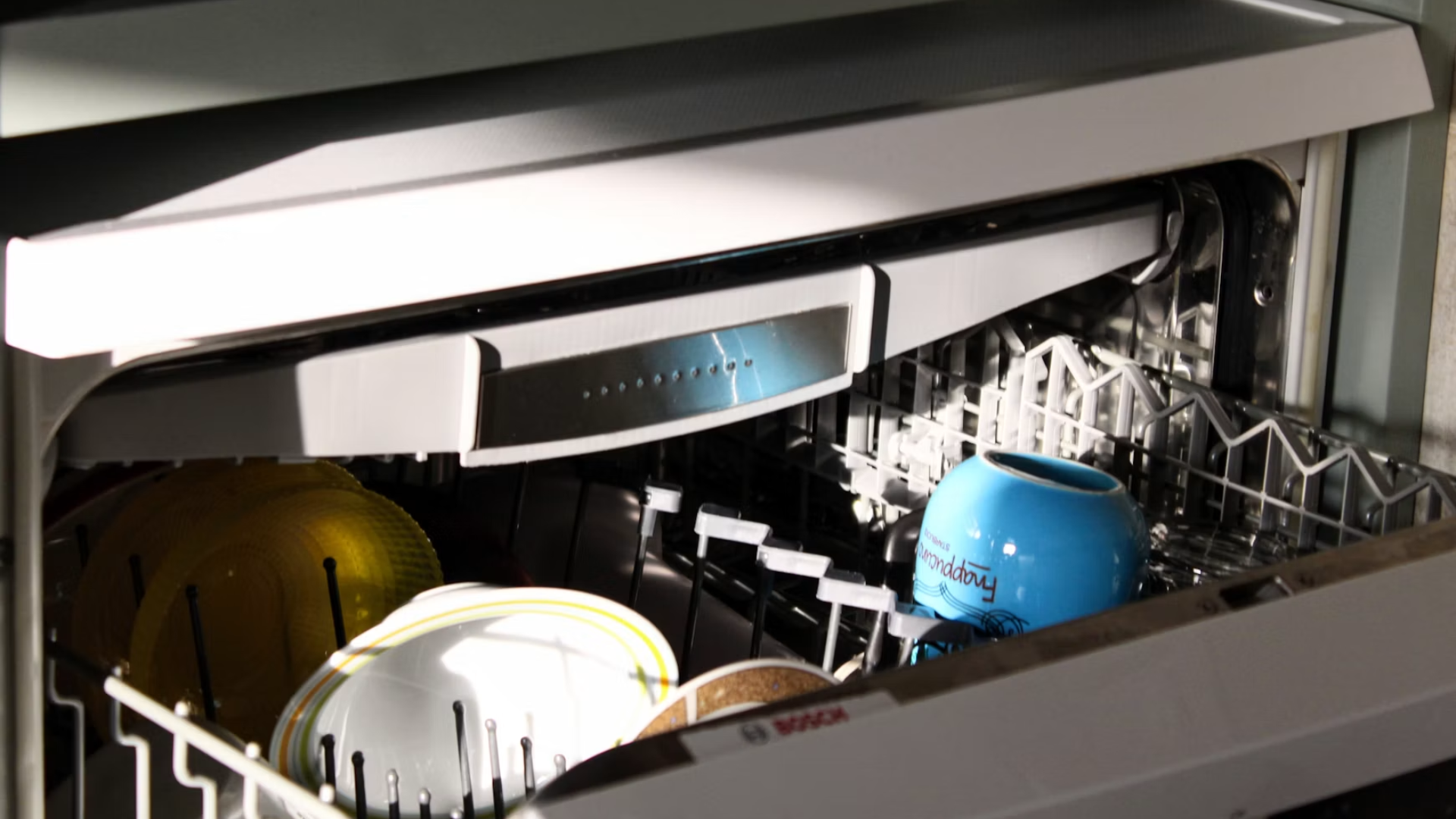
Small changes to appliance habits can reduce unnecessary energy consumption. Running the dishwasher and washing machine only when they have full loads, choosing cold-water settings and turning off lights when leaving a room are simple ways to use less electricity without changing the appliances themselves.
3. Switch to LED Bulbs

LED bulbs can provide one of the easiest upgrades for renters because they are inexpensive and do not require permanent changes to a property. According to Seattle City Light, LEDs can use up to 75% less energy than traditional bulbs while also lasting much longer. Renters can also rely more on natural daylight by keeping windows clean and opening curtains or blinds during the day.
4. Adjust the Thermostat
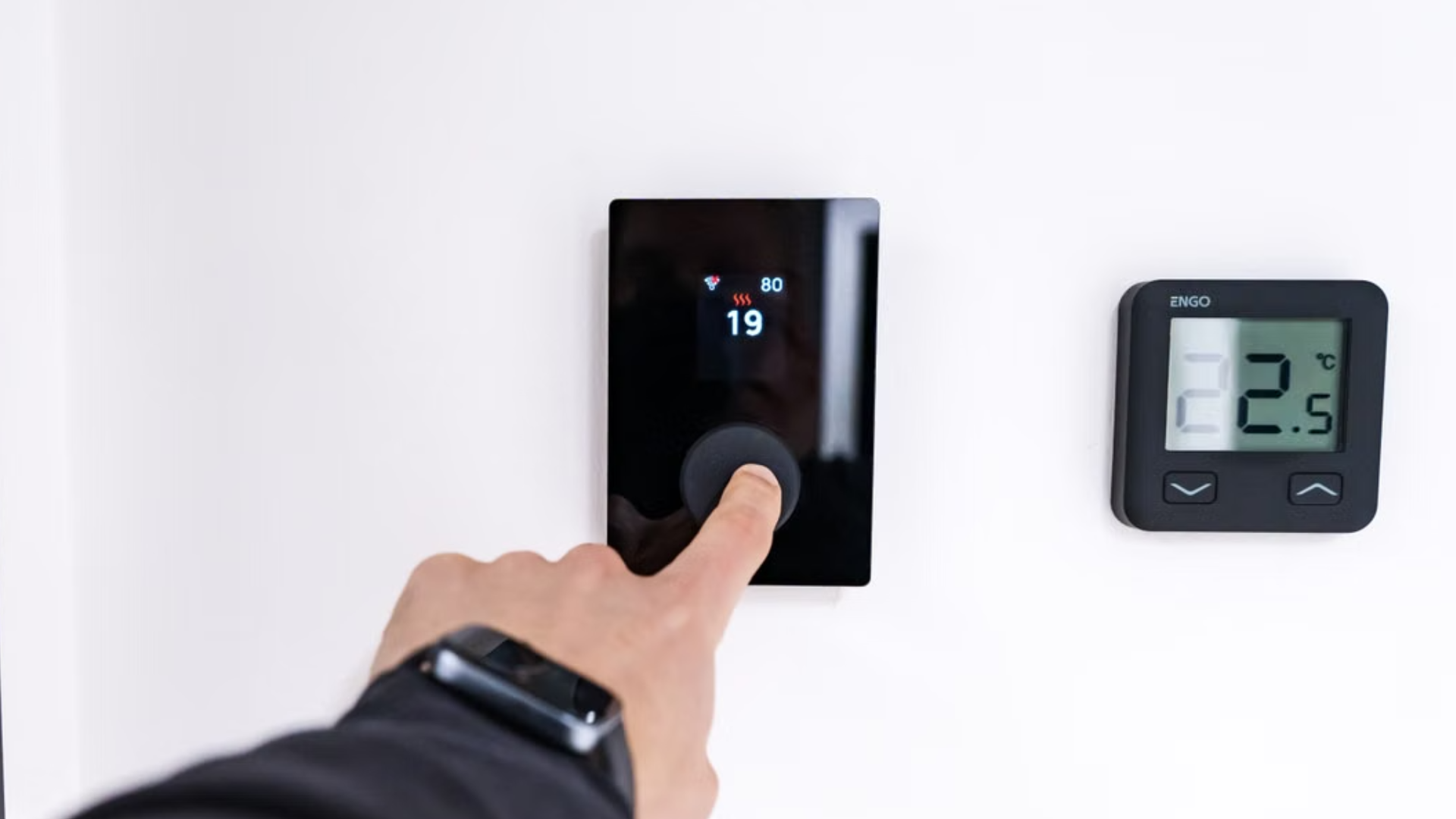
Heating and cooling can account for a significant share of household energy use, making the thermostat an important place to look for savings. The utility recommends settings around 68°F in winter and 78°F in summer, with adjustments when nobody is home, although renters should choose settings that remain safe and comfortable for their household.
5. Let Fans Do Some of the Work
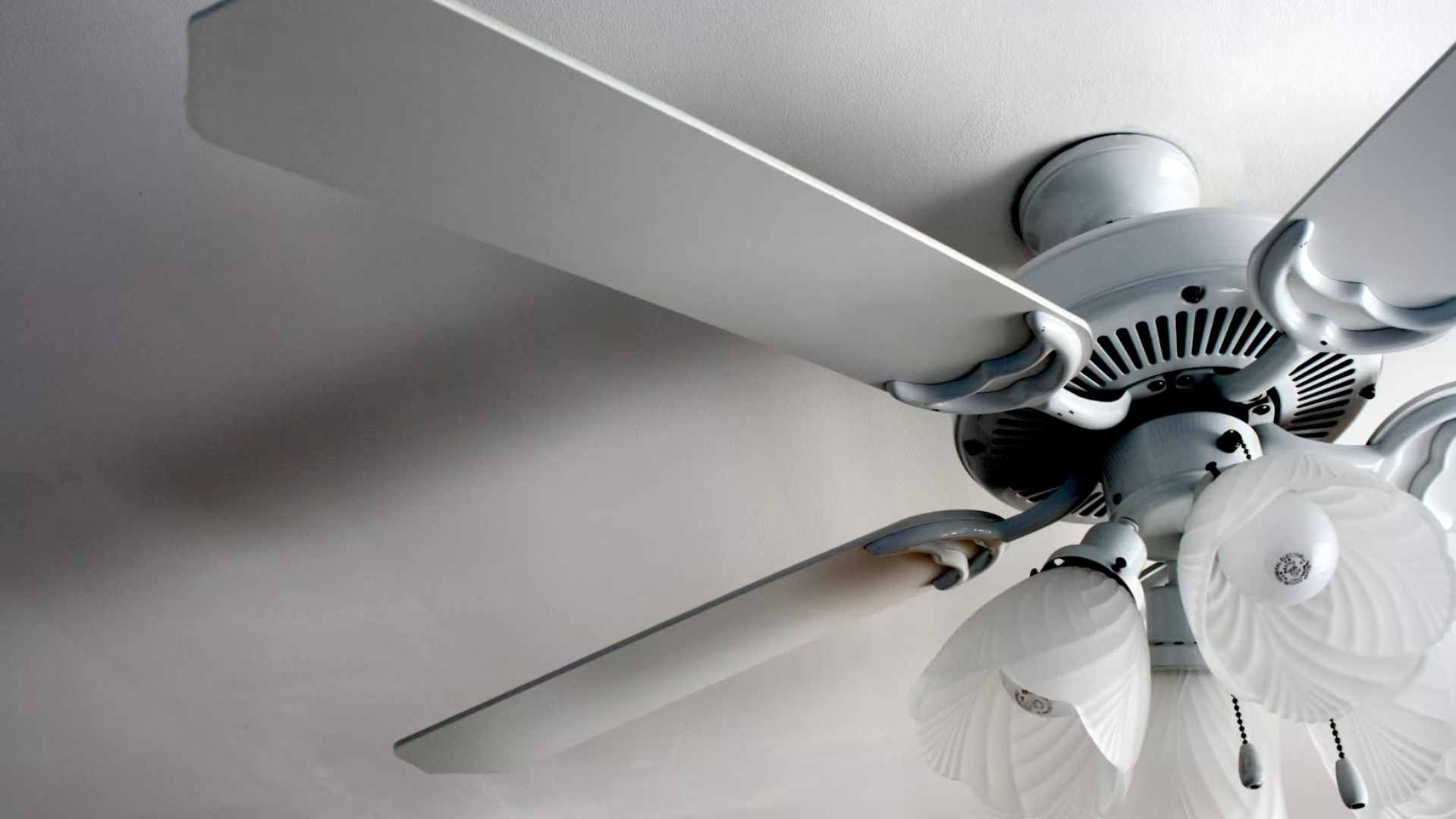
Fans can help renters feel cooler without relying as heavily on energy-intensive cooling equipment. During warm weather, ceiling fans can create a cooling breeze, while kitchen and bathroom exhaust fans can briefly remove hot or humid air when needed.
6. Block Drafts Around Doors and Windows
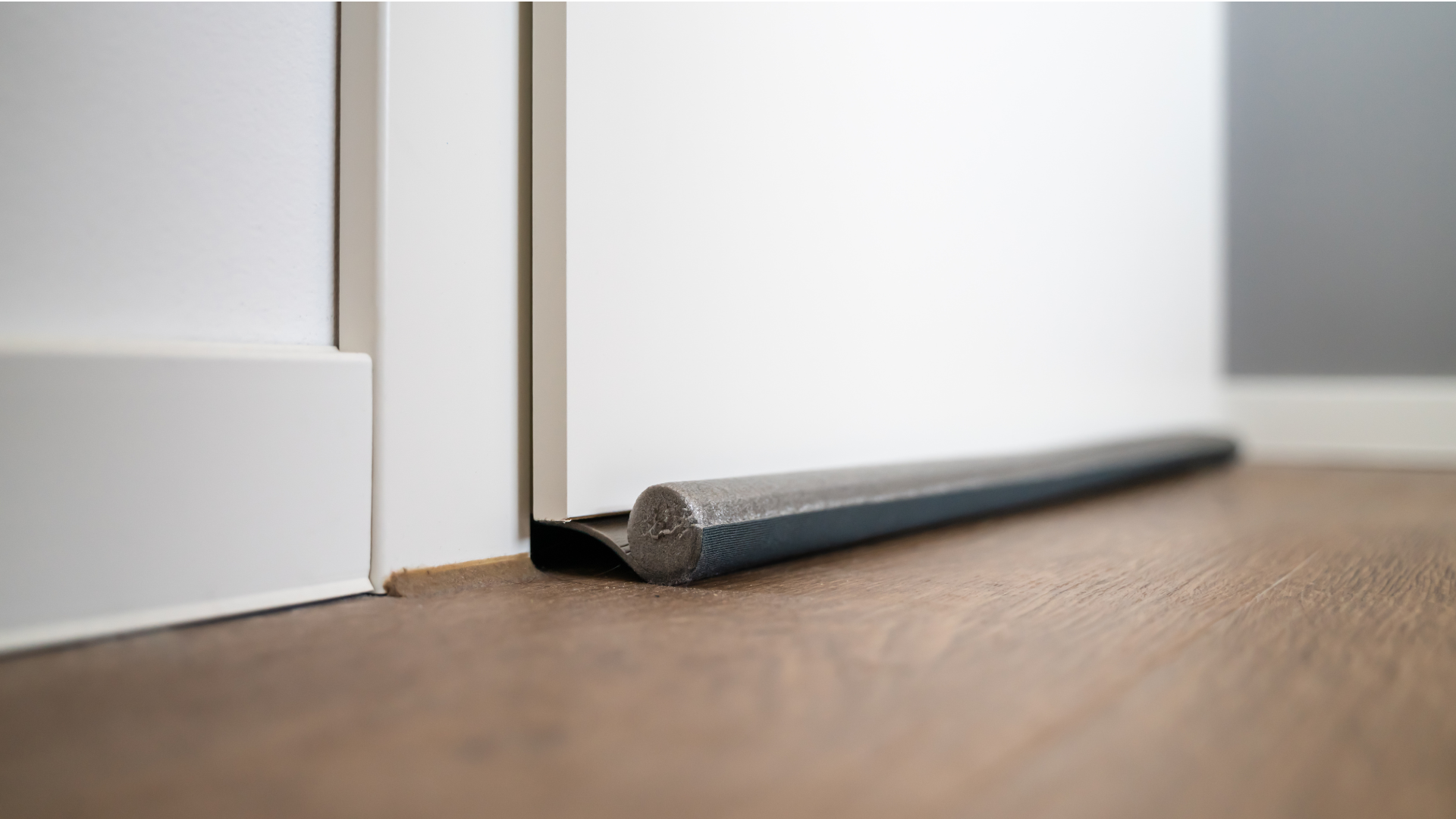
Drafts can make heating and cooling systems work harder, but renters do not necessarily need permanent renovations to address them. Temporary options such as draft stoppers, removable caulk and weatherstripping tape can help reduce air leaks around doors and windows without making lasting changes to the property.
7. Use Curtains to Control Indoor Temperatures

Window coverings can help control how much heat enters or escapes a rental. Thick or insulated curtains can help retain warmth during winter, while light-colored or reflective blinds can block heat during summer. Renters who need additional flexibility can ask landlords about using tension rods for seasonal curtains.
8. Keep Vents and Appliances Clean
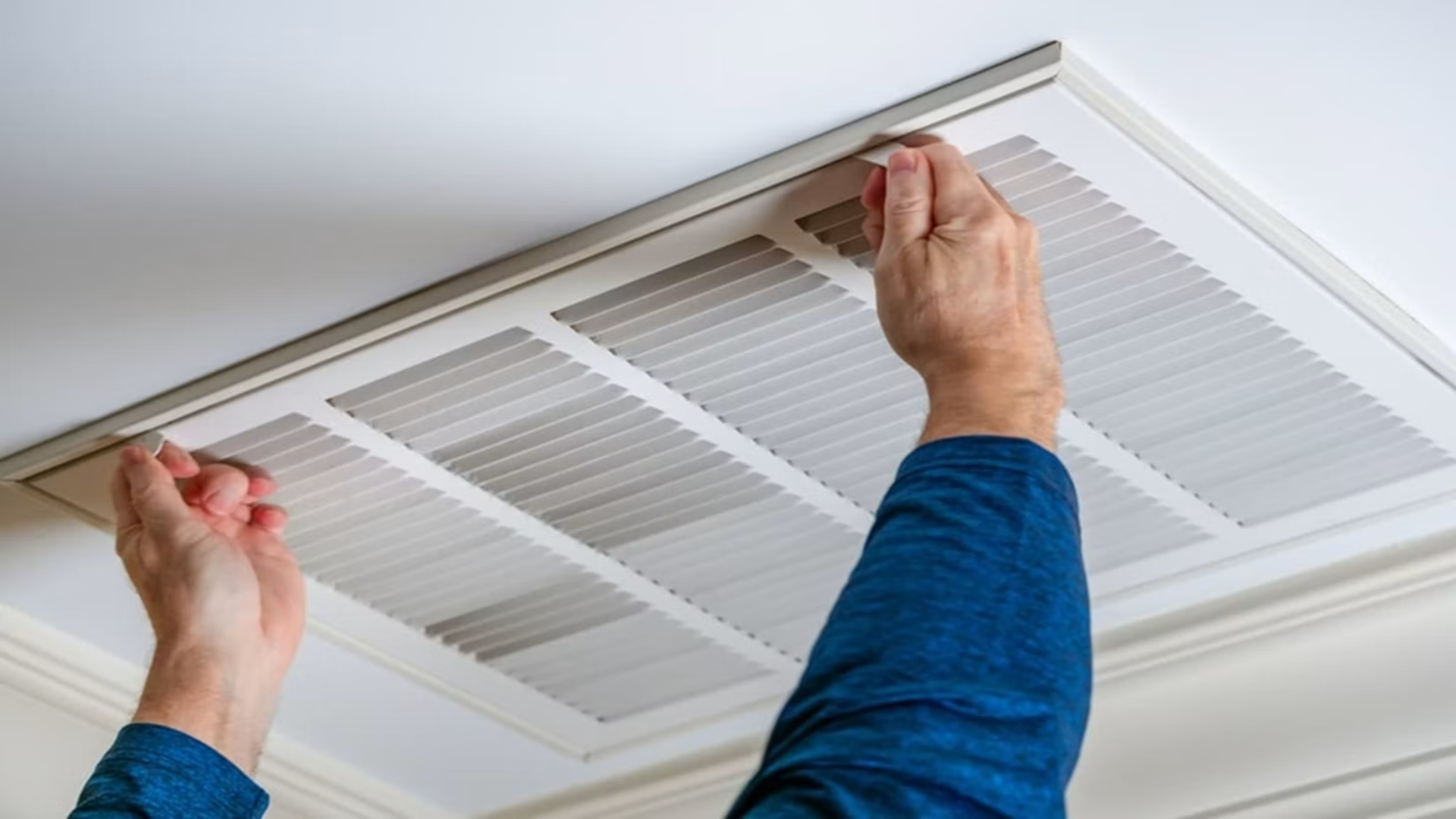
Cleaning may not seem like an energy-saving strategy, but dust and buildup can make some equipment work harder. Keeping vents clear, cleaning refrigerator coils and removing lint from dryer traps can help appliances and heating or cooling equipment operate more efficiently. Washing clothes in cold water can also save energy because the machine does not have to heat the water.
Small Changes Can Add Up for Renters
Renters do not need expensive renovations to start using less electricity. Unplugging electronics, improving appliance habits, switching to LEDs, adjusting the thermostat, controlling drafts and maintaining equipment can all reduce unnecessary energy use. The biggest savings will vary by home, utility rates and individual habits, but these low-cost steps give renters practical ways to make their electric bills more manageable without making permanent changes to their homes.