7.6 Million Open Jobs, But Why Is US Hiring Still Lagging Behind?
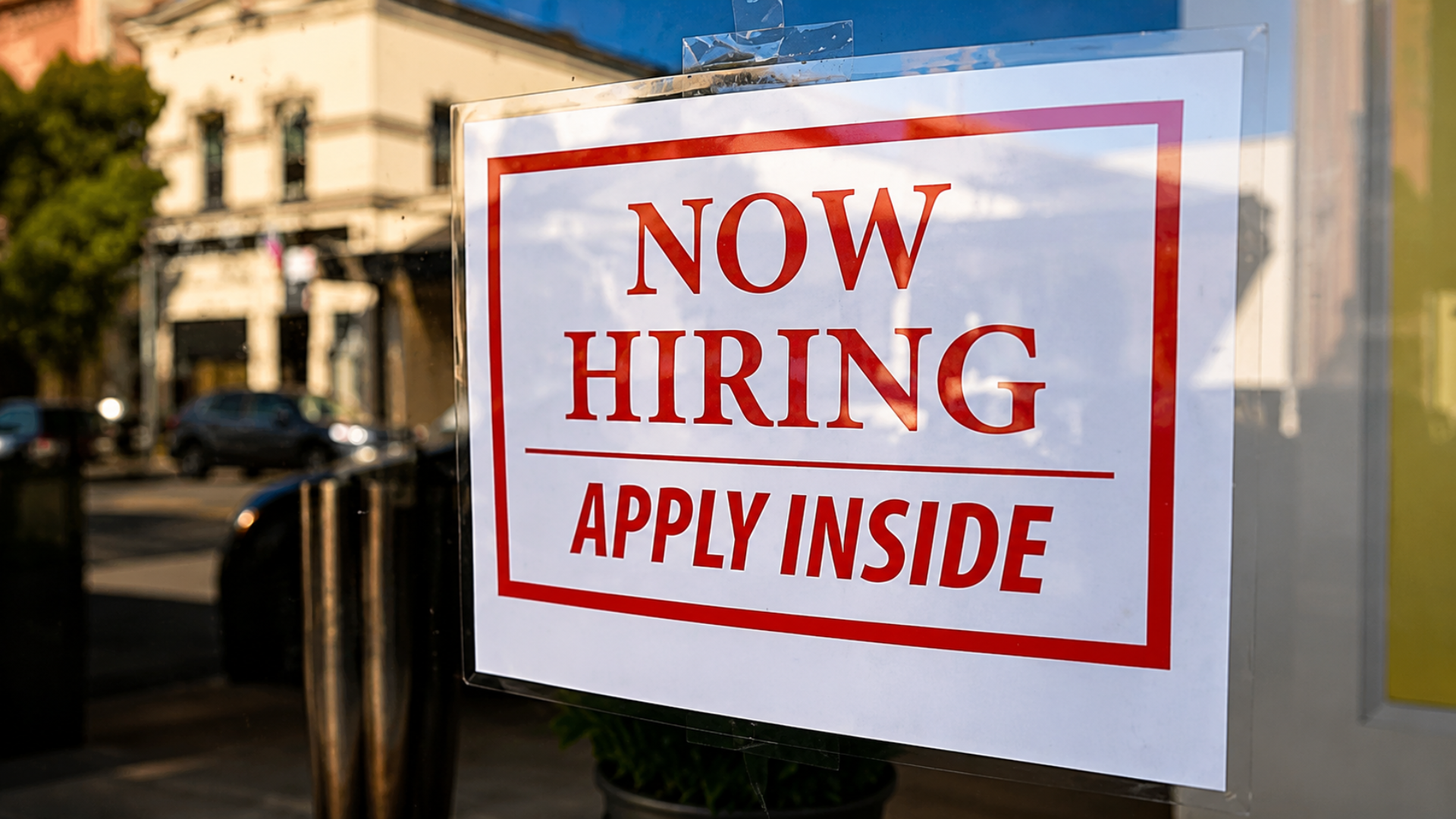

Imagine walking past a business with a “Now Hiring” sign in the window, month after month, with the position never filled. That is happening across the country right now. The Bureau of Labor Statistics counted 7.6 million open jobs in April, the most in nearly two years. But a startling number of those listings are not turning into paychecks. About a third of all openings went unfilled, a gap wide enough to make the headline numbers misleading.
Hiring did pick up in May, with employers adding 172,000 jobs, on top of a 179,000 gain in April, according to the Bureau of Labor Statistics. Those figures look strong on their own. Yet hiring for April reached just 5.1 million, leaving 2.5 million openings unfilled, roughly 33% of the total. From 2010 to 2019, that gap sat at just 2 to 4%. Something has shifted, and it has not closed since the pandemic.
The Center for American Progress says the gap tells a deeper story than the monthly headlines suggest. In an early June analysis, the group noted that a growing share of Americans want work but have stopped searching, or are stuck in part-time jobs they did not choose. Those out of work are also staying unemployed longer, with spells now stretching beyond pre-pandemic norms. The numbers add up to a labor market still finding its footing.
Why Posting a Resume Online Won’t Cut It Anymore
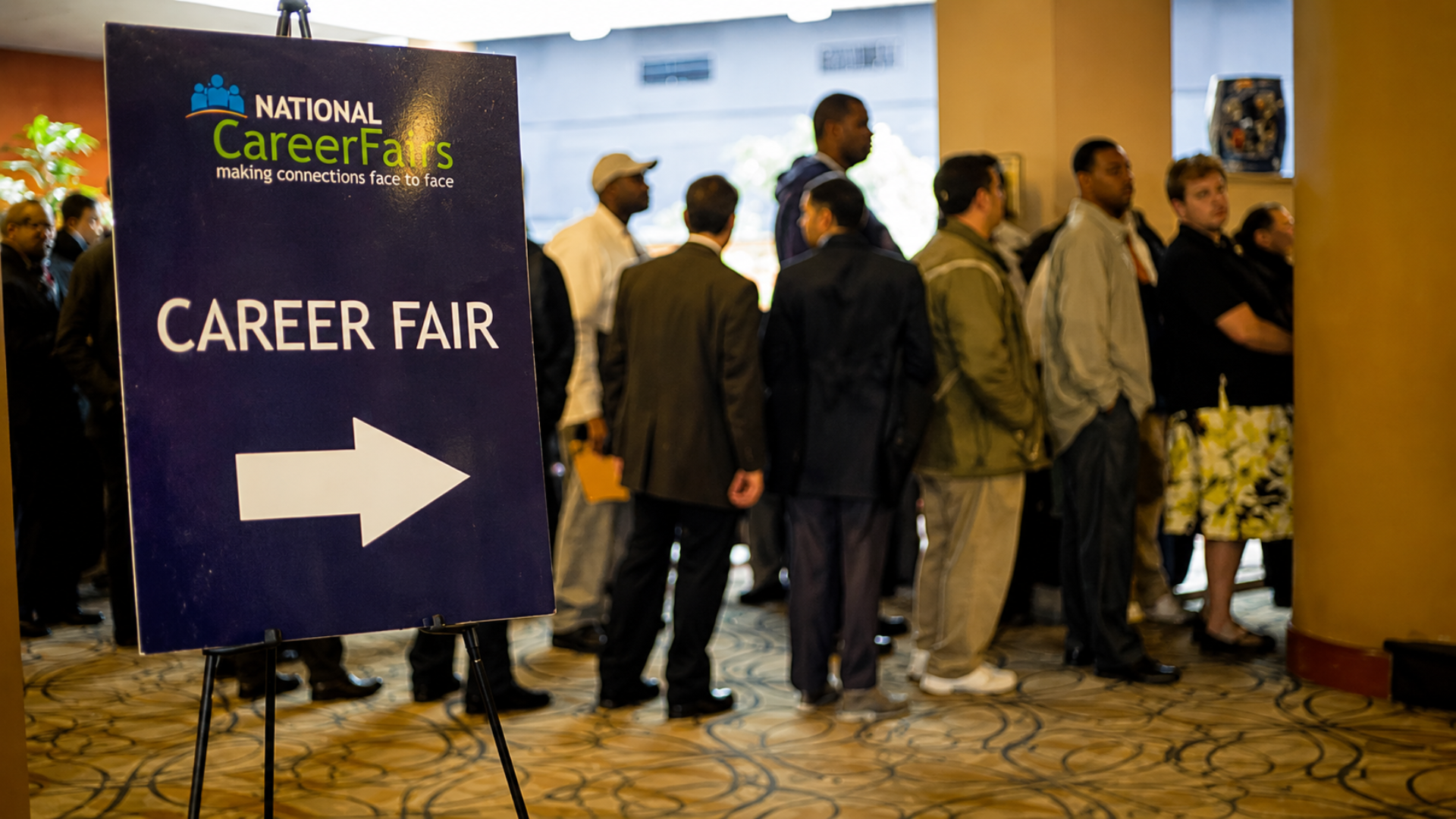
For job seekers, the unfilled-jobs gap changes the math on how to land work. Career expert Jasmine Escalera of MyPerfectResume said hiring itself has transformed. “Everything has changed in how people are getting hired and how companies are hiring,” she said. Mass-emailing resumes to dozens of postings, once the default strategy, increasingly leads nowhere. Companies are taking longer to vet candidates, and many open listings exist without real urgency behind them.
Labor experts have a name for the current climate: “low hire, low fire.” Companies are not laying off workers in large numbers, but they are also slow to bring new ones on. Escalera said the shift means job seekers need to lean back into tactics that predate online job boards. “Definitely, you want to think about quality over quantity,” she said, pointing to networking and in-person events as far more effective than a flood of applications.
Escalera’s advice centers on building real relationships rather than submitting paperwork. She encourages job seekers to work their existing networks and show up at professional events, where recruiters are actually meeting candidates face to face. “I believe we are going to start seeing more real-life hiring happening,” she said. The hands-off, high-volume approach to job hunting that defined recent years appears to be losing its edge.
The Companies Driving the Numbers Aren’t Who You’d Expect

The April spike in job openings came almost entirely from one corner of the market. Much of the gain was concentrated among employers with more than 5,000 workers, according to Indeed’s Hiring Lab analysis of the data. Job openings at the largest employers came in 81% above pre-pandemic levels, a surge unmatched by any other size category. On paper, that looks like a hiring boom is underway.
The trouble is that giant employers barely move the needle on the overall picture. The Indeed Hiring Lab found that establishments with 5,000 or more workers account for less than 5% of all job openings nationwide. Roughly 90% of openings sit with companies that employ fewer than 1,000 people, and many of those smaller firms have been far more cautious about adding staff this year.
That mismatch matters because small and midsize businesses have historically driven most hiring in the United States. While the country’s biggest employers post eye-catching numbers, it is local businesses, regional chains and midsize firms that determine whether the broader job market actually tightens or loosens. Right now, those smaller employers are holding mostly steady rather than expanding, which keeps overall hiring sluggish even as headline openings climb.
What 7.6 Million Open Jobs Really Tells Us

Large companies may not drive most hiring, but they often set direction for where the market is headed. Many of the same giants posting the most openings are also spending heavily on artificial intelligence, reshaping how work gets organized inside their walls. Indeed Hiring Lab data shows AI adoption concentrated almost entirely among the largest firms, with about half of the top one percent of employers by job postings already using it.
That concentration raises a real question for workers further down the size ladder. If AI reshapes hiring needs at the top of the market first, smaller employers may eventually follow, changing what skills get rewarded long before most job seekers notice. For now, the practical reality remains unchanged: postings are not promises, and a high number of openings does not mean a job is waiting.
The 7.6 million open jobs counted in April were never a guarantee of work. They were a measure of unmet demand, scattered unevenly across an economy where giants post and small businesses actually hire. Until that gap narrows, the headline number will keep telling a more hopeful story than the one playing out in interview rooms, where slower decisions and longer searches have become the new normal.