69-Year-Old Woman’s Casino Jackpot Win Ends With Police Escort After One Costly Discovery


A trip to a Pennsylvania casino appeared to end in celebration when a 69-year-old woman hit a slot machine jackpot at Hollywood Casino at Penn National. Instead, the win triggered an investigation that ended with state police escorting her off the property and a trespassing citation pending. The reason was not a dispute over the machine or the payout. Authorities determined that the woman had voluntarily banned herself from Pennsylvania casinos years earlier.
Casino Staff Identified A Serious Problem

According to Pennsylvania State Police, casino personnel contacted authorities after identifying the jackpot winner as someone listed in the state’s self-exclusion program. Troopers responded to the East Hanover Township casino shortly after 3:30 p.m. on May 31 and reviewed the woman’s status. Investigators determined that the New Jersey resident had enrolled in Pennsylvania’s self-exclusion program in 2019 and selected a lifetime ban from casino gambling.
What Is Pennsylvania’s Self-Exclusion Program?

Pennsylvania’s Gaming Control Board created the self-exclusion program as a responsible-gambling tool for people who believe gambling has become harmful. Participants voluntarily request to be excluded from casinos and other regulated gambling activities. The program allows individuals to choose exclusion periods of one year, five years, or a lifetime, depending on their circumstances. The goal is to create a formal barrier between problem gamblers and environments that may encourage addictive behavior.
A Lifetime Ban Means Exactly That

One of the most significant aspects of the program is that self-exclusions do not automatically expire. Individuals who choose a one-year or five-year exclusion may later request removal after the minimum period ends. Those who select a lifetime exclusion, however, cannot petition to be removed from the list. Pennsylvania’s Gaming Control Board describes the decision as permanent, reflecting the seriousness of the commitment made by participants seeking long-term protection from gambling-related harm.
The Consequences Extend Beyond Being Asked To Leave

Enrollment in the self-exclusion program carries consequences that many casual observers may not realize. Licensed casinos are required to deny gaming privileges, refuse wagers, and prevent self-excluded individuals from receiving complimentary services or promotional benefits. More importantly for this case, participants are prohibited from collecting gambling winnings while they remain on the list.
The Biggest Question Remains Unanswered
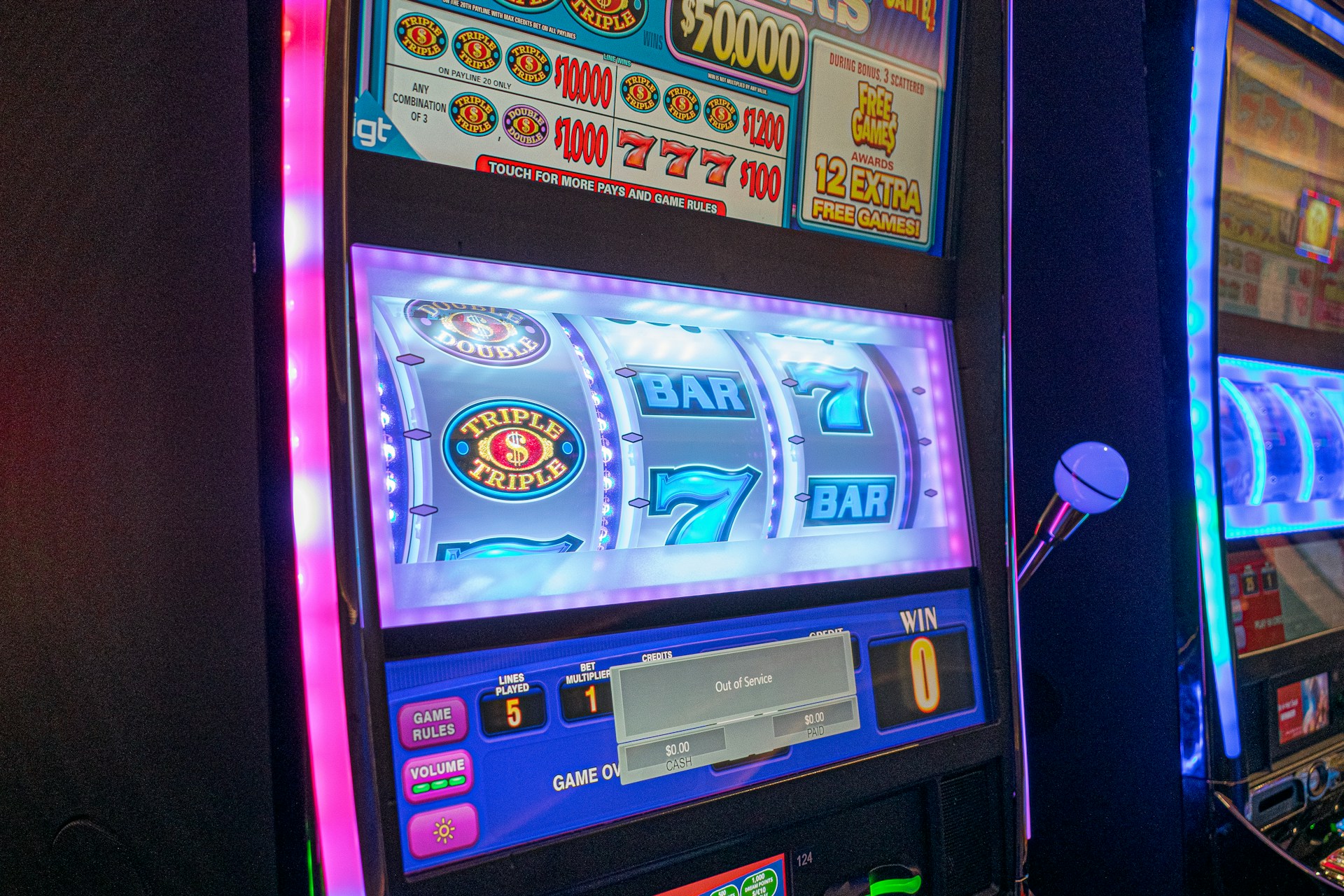
Despite widespread attention surrounding the incident, authorities did not disclose whether the woman was ultimately allowed to keep her jackpot winnings. Pennsylvania State Police confirmed her removal from the casino but did not discuss the payout. However, state rules indicate that self-excluded gamblers are prohibited from collecting winnings, and previous statements from Gaming Control Board officials have said forfeited jackpots are redirected to programs that combat gambling addiction.
Self-Exclusion Is Designed To Be Voluntary

Unlike court orders or government-imposed restrictions, Pennsylvania’s program relies entirely on voluntary participation. Family members cannot place someone on the list, and applications must be submitted in person. Individuals provide identifying information, undergo verification procedures, and formally request exclusion themselves. The process is intended to ensure that participants fully understand the restrictions they are accepting.
Casinos Have Legal Obligations To Enforce The Rules

Once someone joins the self-exclusion list, casinos become responsible for enforcing the restrictions. Facilities must refuse wagers, deny gambling privileges, and take steps to prevent self-excluded individuals from participating in gaming activities. According to program guidelines, a self-excluded person who enters a casino and gambles can be subject to arrest for trespassing, which explains why state police became involved after the woman’s jackpot win.
Similar Cases Have Happened Before

Although unusual, this was not the first time a self-excluded gambler won money only to face enforcement action afterward. Reporting on the incident noted a similar case in 2025 involving a man who had also chosen a lifetime casino ban. After winning a $57,000 jackpot at a Pennsylvania casino, he was reportedly unable to keep the money because of his self-exclusion status. The earlier case illustrates how strictly Pennsylvania applies the program’s rules regardless of the amount won.
The Story Highlights The Purpose Behind The Program
The image of a jackpot winner being escorted from a casino by police may seem unusual, but the incident underscores why self-exclusion programs exist. For regulators and addiction specialists, the goal is not simply to prevent gambling on a particular day but to help individuals maintain long-term boundaries they voluntarily established for themselves. As states continue expanding legal gambling opportunities, cases like this highlight the ongoing challenge of balancing personal responsibility, enforcement, and support for people trying to manage gambling addiction.