A 6,200-Year-Old Building the Size of a Basketball Court Still Baffles Experts


A building roughly the size of a modern basketball court stood at the entrance of a small prehistoric village in Romania, dwarfing every house around it. Archaeologists have now confirmed it dates back roughly 6,200 years, making it one of the oldest known examples of its kind ever excavated. What nobody can agree on yet is exactly what the building was actually for, or what its existence reveals about who held power in that ancient community.
The Site Sat Untouched for Six Decades After Its First Discovery
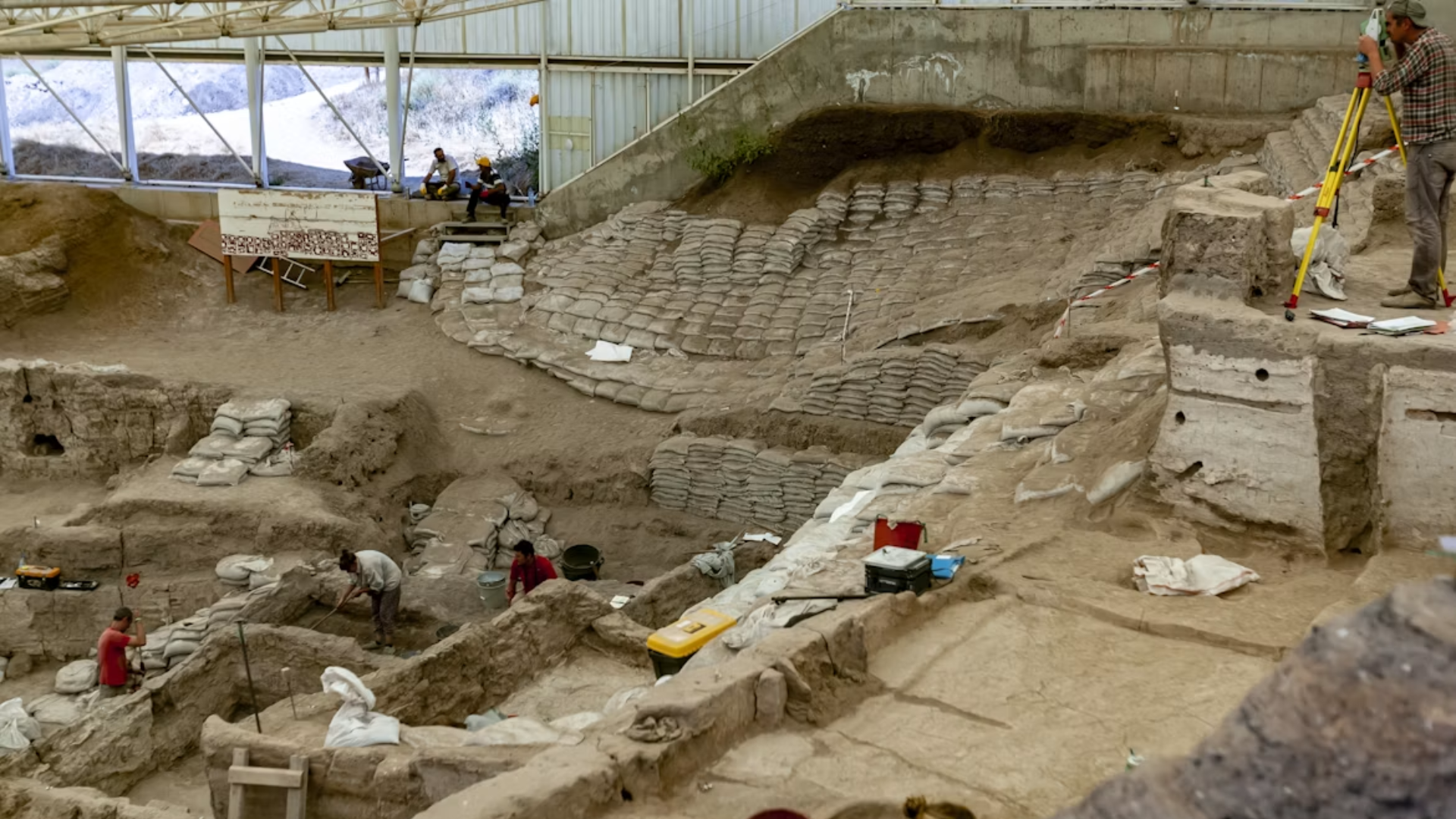
The structure sits at a site called Stăuceni-Holm in Romania’s Botoșani County, first identified back in the 1960s but left completely untouched until 2023. A team from Friedrich-Alexander-University Erlangen-Nürnberg, working alongside Romania’s Botoșani County Museum and National Museum of Bukovina, conducted the excavation across four-week field seasons in 2023 and 2024, publishing their findings in the journal PLOS ONE this year.
Only 320 People Lived Here, Yet They Built Something Massive
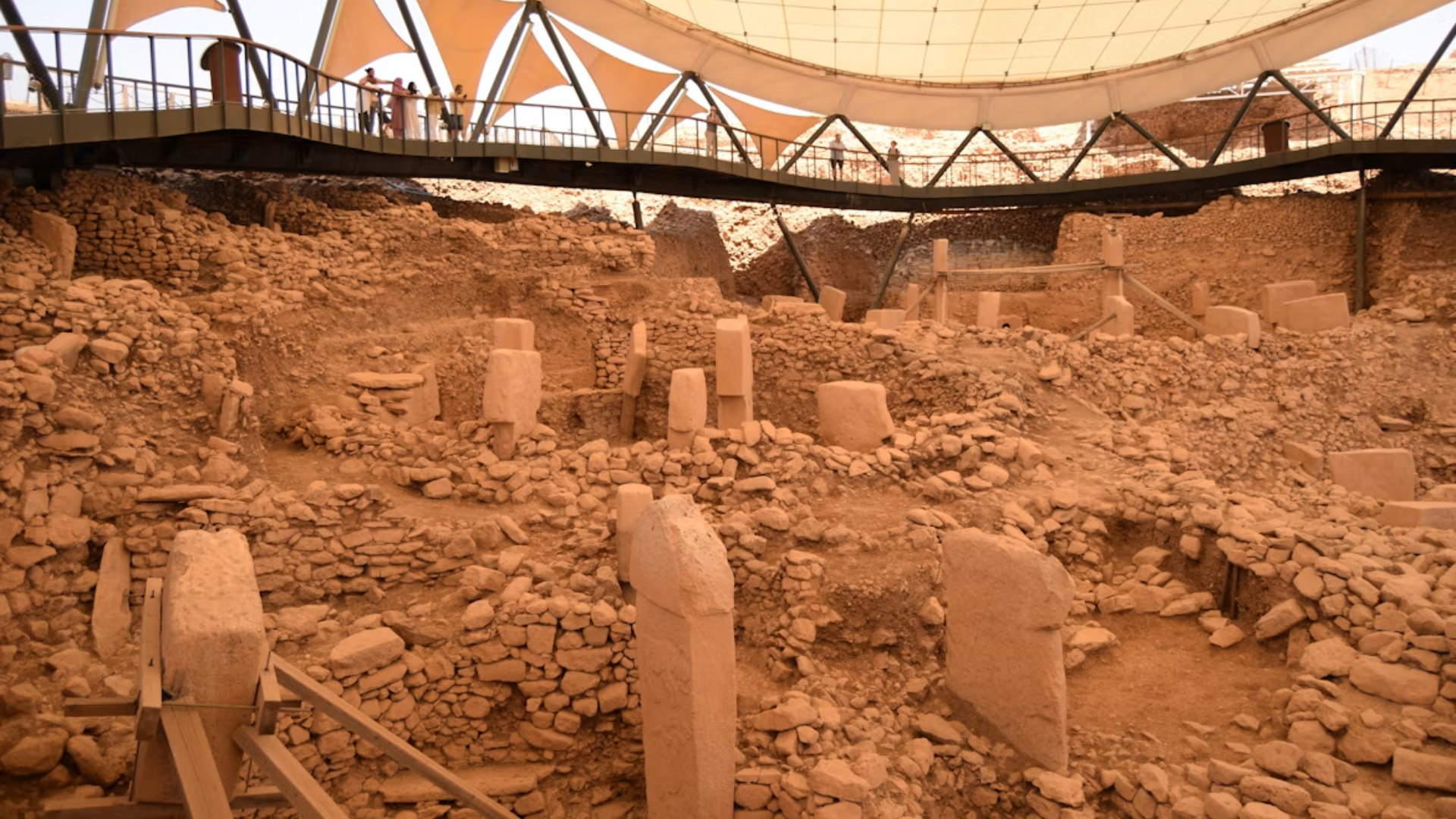
Despite its impressive scale, the structure belonged to a genuinely modest community by the standards of its own culture. Stăuceni-Holm housed an estimated 320 to 350 people total, spread across roughly 45 ordinary homes. That’s a fraction of the size reached by some Cucuteni-Trypillia mega-sites in Ukraine, including Maidanetske, which held nearly 3,000 houses across 170 hectares and stayed occupied for centuries.
This Is Only the Sixth Building of Its Kind Ever Excavated
That comparison matters because it suggests oversized communal buildings weren’t reserved only for the largest, most powerful settlements. The Cucuteni-Trypillia culture spread across present-day Romania, Moldova, and Ukraine from roughly 4800 to 3000 B.C.E., and this particular structure is only the sixth megastructure from that entire culture ever physically excavated, despite similar buildings likely existing at other sites too.
The Building Was Up to Five Times Larger Than Any Home Nearby
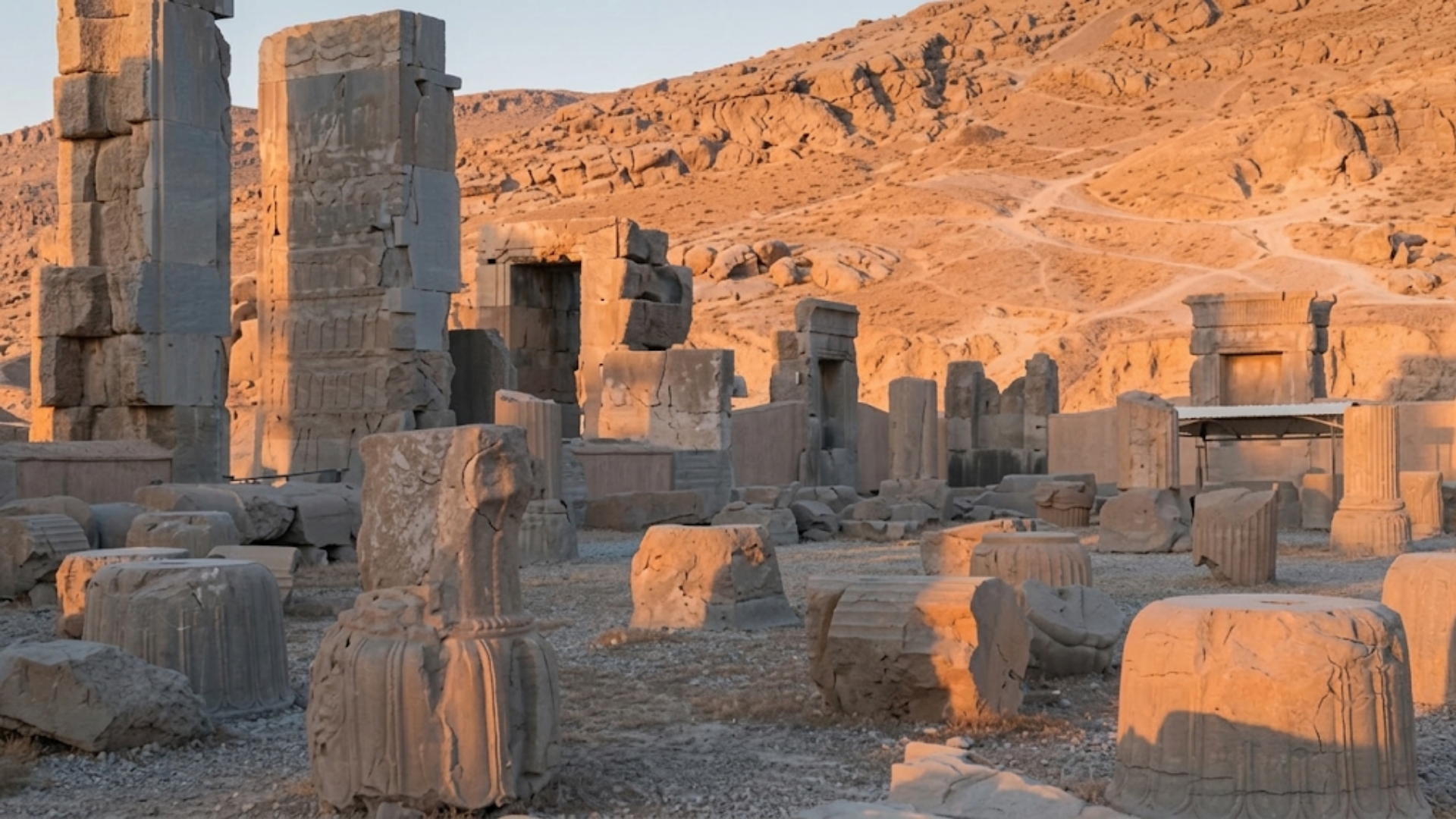
The building’s physical scale alone makes clear it carried real significance for the people who built it. At roughly 350 square meters, or about 3,700 square feet, the structure measured three to five times larger than any surrounding home. Radiocarbon dating places its construction in the 40th to 39th centuries B.C.E., and researchers believe it may have originally featured an open-air terrace built on an upper floor.
A Carved Bull’s Head Bowl Was Among the “Remarkable” Finds Inside
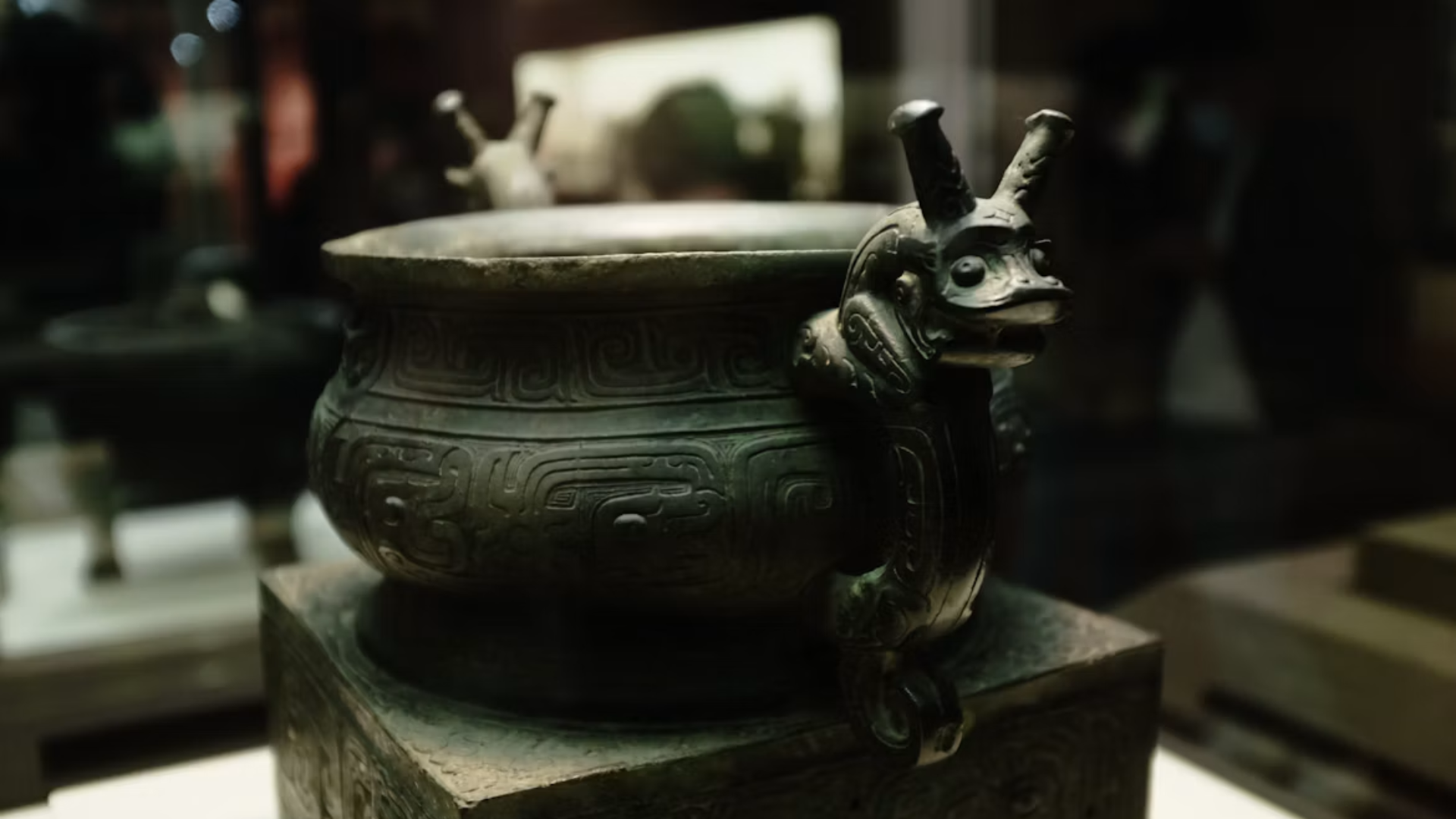
Inside, the oak wood floor, covered in burnt clay, held a dense scatter of pottery, including what researchers called a “remarkable” carved bull’s head attached to a bowl. Excavators also recovered a conical idol of unknown purpose, three ladles, one decorated with painted patterns, and a grooved vessel painted in red ochre. Flint tools turned up scattered throughout the building’s interior as well.
Psychotropic Plant Seeds Turned Up Among the Food Remains

Among the plant remains found inside, alongside ordinary cereals and fruits, researchers identified henbane seeds, a plant known for psychotropic effects and used across the ancient world for both medicinal and ritual purposes over thousands of years. Their presence adds another layer of uncertainty to what activities actually took place inside the building, without settling the question either way.
Initial Scans Got the Building’s Purpose Completely Wrong
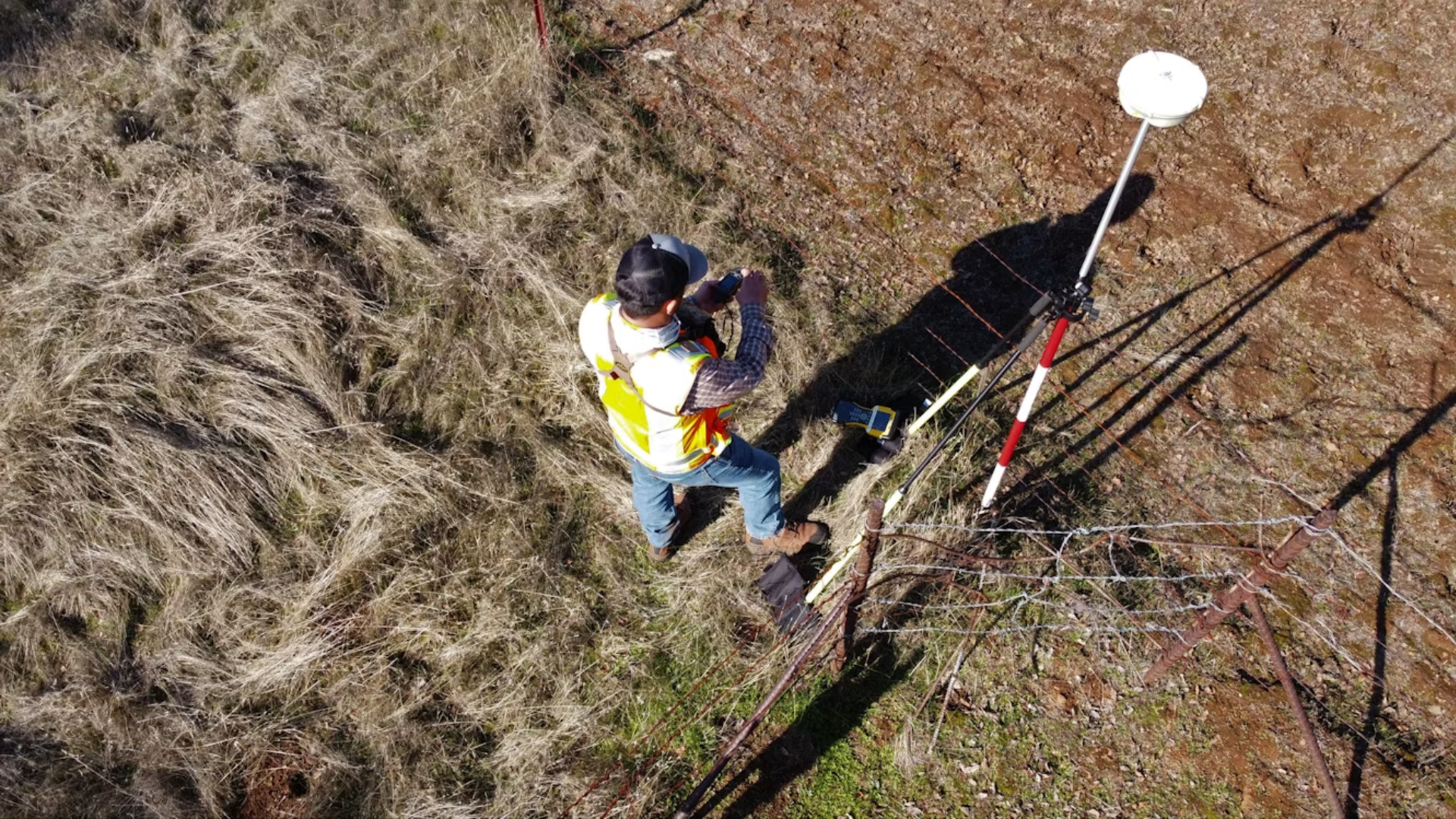
Early geomagnetic surveys of the site had suggested the building contained hearths and storage pits, features that would point toward everyday domestic or food-storage use. Actual excavation proved that assumption wrong. The researchers wrote that at this stage, it would be “unrealistic to consider the function of the building as storage building or a communal place for consumption of food.”
This Culture Left Behind Almost No Signs of Rulers or Elites
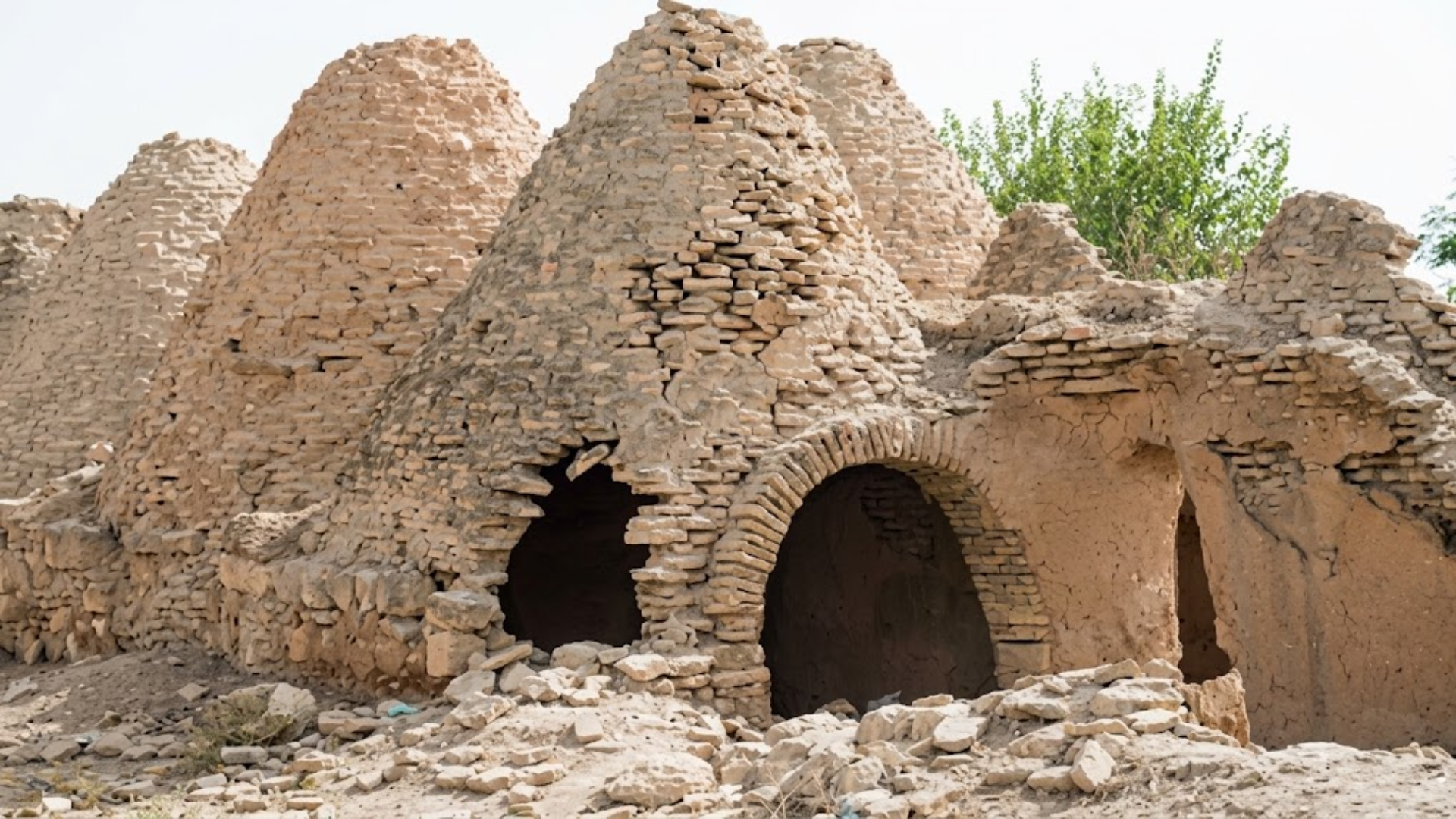
The mystery connects to a much larger, longstanding puzzle surrounding Cucuteni-Trypillia society as a whole. Excavations across the culture’s settlements have turned up remarkably few elite graves and little evidence of individual rulers, even at sites that housed thousands of people. Most ordinary houses follow strikingly similar layouts and sizes, leaving archaeologists genuinely uncertain how these communities organized political and social life at all.
Three-Quarters of the Site Remains Completely Unexcavated

With roughly three-quarters of the Stăuceni-Holm site still completely unexcavated, researchers are deliberately avoiding firm conclusions for now. They floated several possibilities in their paper without settling on one. “Perhaps the megastructure was just a bigger house for a bigger family, a communal building for decision making, or a meeting place for special high-ranking inhabitants,” they wrote, leaving the building’s true purpose an open question for future excavation seasons.