42% of Americans Expect ‘Total Economic Collapse’, Here’s What That Would Actually Look Like

A growing share of Americans believe the economy is heading toward a breaking point. A YouGov poll found about 42% of Americans think the U.S. will experience a “total economic collapse” within the next decade, with similar surveys showing nearly half expect some form of breakdown. That anxiety reflects more than abstract fear as many respondents say they already see warning signs, from slowing growth to job cuts and rising costs in everyday life.
What “Economic Collapse” Really Means
Despite the dramatic language, an economic collapse has a specific meaning. Economists describe it as a breakdown of normal economic activity, where basic systems like banking, lending, and trade stop functioning properly. In practical terms, that can mean banks limiting withdrawals, businesses unable to get loans to operate, and supply chains failing to deliver essential goods.
The Closest Real-World Example

The Great Depression of the 1930s remains the clearest example. At its peak, roughly one in four Americans was unemployed, banks failed across the country, and millions lost their savings. The stock market collapse wiped out nearly 90% of its value, and it took about 25 years for the economy to fully recover.
What Happens to Jobs and Income

In a collapse scenario, job losses can escalate quickly and spread across industries. During the 2007–2009 Great Recession, unemployment in the U.S. jumped from under 5% to around 10%, with millions of jobs lost in construction, finance, and manufacturing. In a deeper collapse, layoffs could be more widespread, forcing households to rely on savings, government aid, or informal work to get by.
Markets Stop Working Normally
Financial systems are often one of the first areas to break down. In 2008, major institutions like Lehman Brothers collapsed, and credit markets froze, making it difficult for businesses to borrow money or even meet payroll. In a full collapse, this kind of disruption could spread further, with banks tightening access to cash and companies struggling to stay open.
Prices Can Spiral in Different Directions
Prices don’t move in a simple way during a collapse. Energy or food costs can surge due to supply disruptions, while wages and asset values fall. That creates a situation where everyday essentials become harder to afford even as people’s incomes shrink, putting pressure on household budgets from both sides.
Daily Life Starts to Change
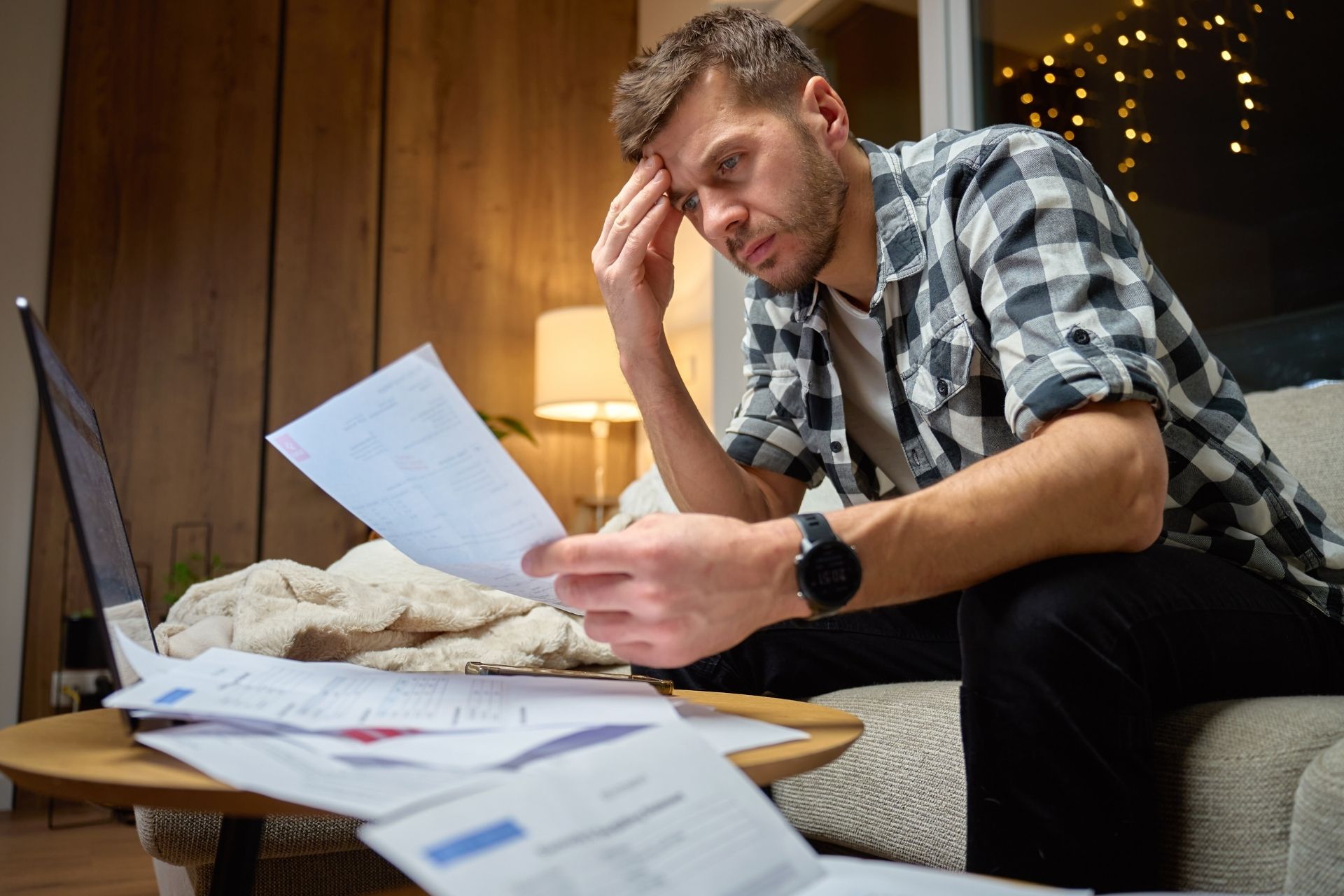
For most people, the impact would be immediate and visible. Grocery bills could rise while job security weakens, credit cards and loans become harder to access, and large purchases like homes or cars are delayed indefinitely. Over time, this leads to a noticeable drop in living standards, with families cutting back on spending and relying more on savings or assistance.
Why So Many Americans Are Worried
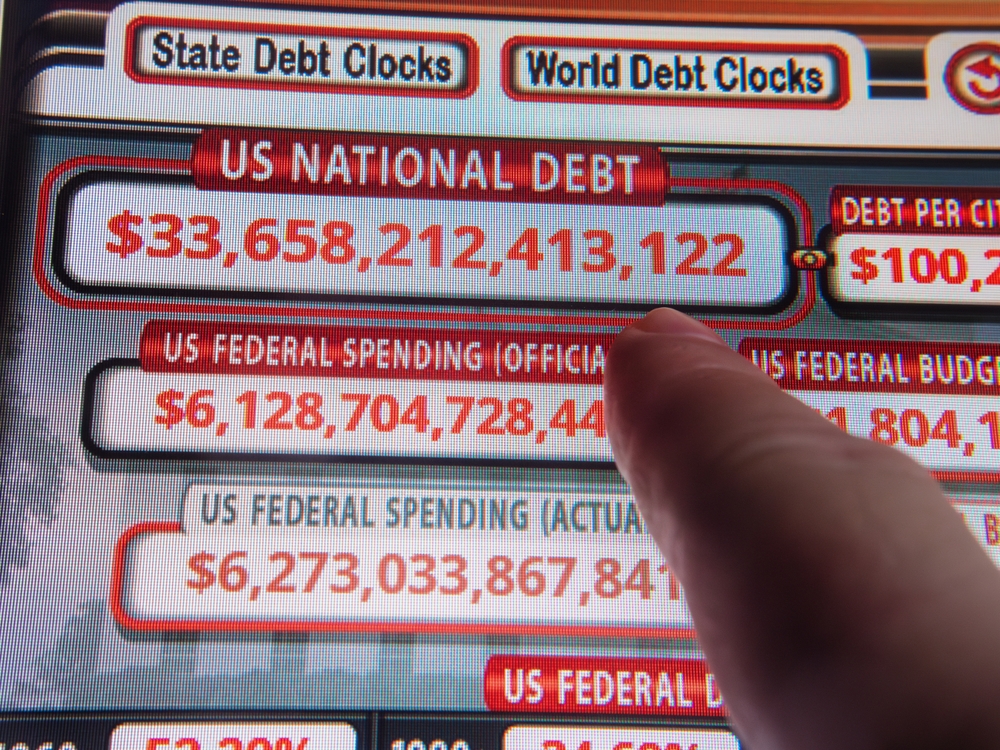
Several risks are feeding this anxiety. U.S. government debt has climbed to roughly the size of the entire economy, while global tensions, including disruptions to key energy routes, have already pushed oil prices higher. At the same time, new technologies like artificial intelligence are raising concerns about job displacement, adding another layer of uncertainty.
How a Crisis Could Unfold Today
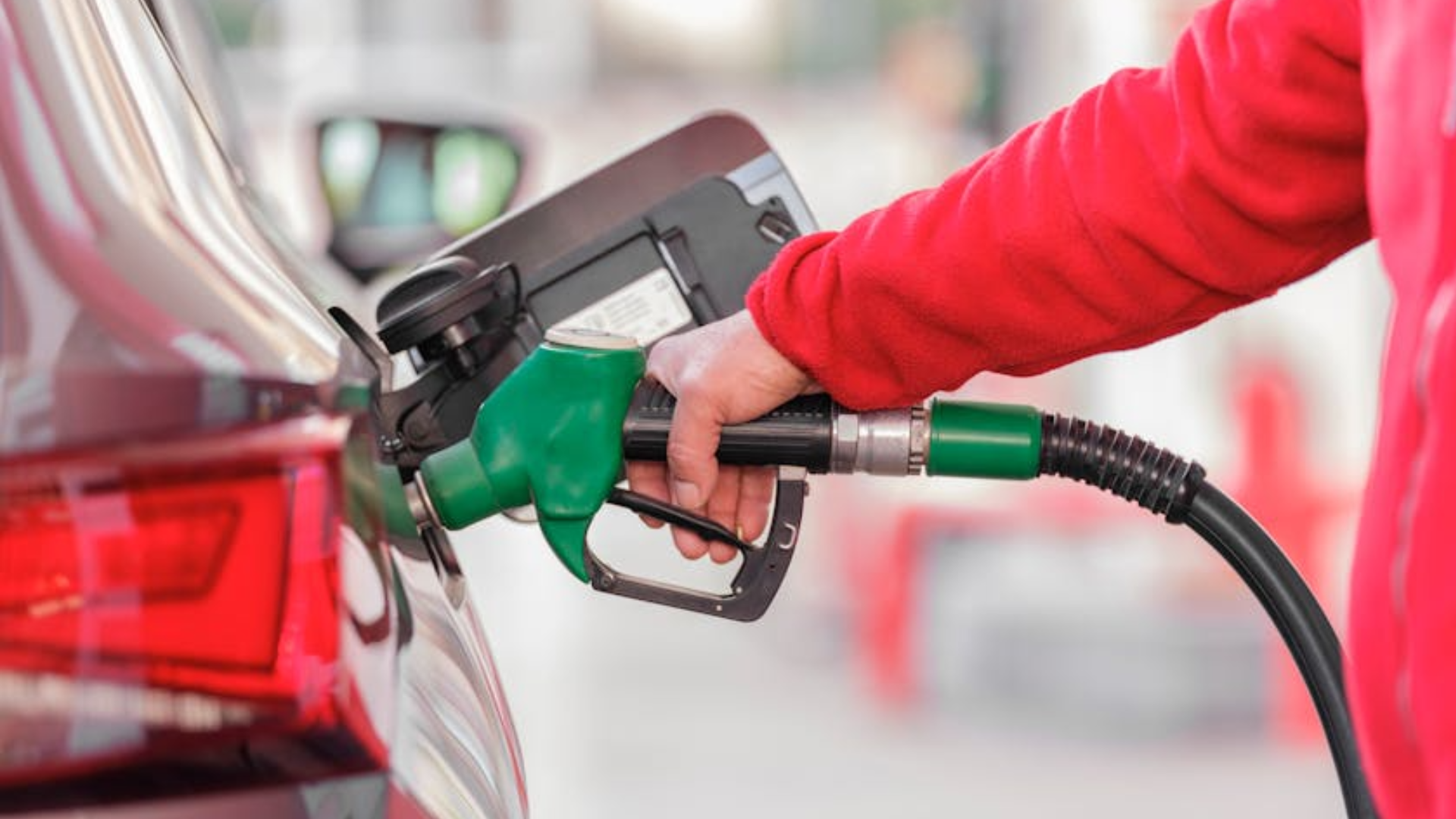
What makes today’s risks different is how interconnected everything has become. Financial systems, global supply chains, and geopolitics are tightly linked, meaning a shock in one area — such as a conflict disrupting oil supplies — can quickly affect transportation costs, food prices, and employment. Experts warn this could cause a downturn to spread faster and more widely than in the past.
Why Collapse Isn’t Guaranteed
Even with these risks, a total collapse is far from certain. During the 2008 crisis, aggressive government and Federal Reserve action helped stabilize the economy and prevent a deeper breakdown. Rising public concern can also push policymakers to act faster, making early intervention one of the key factors that can help avoid worst-case outcomes.