30% of Americans Trading In Cars Now Owe More Than Their Vehicle Is Worth


For millions of Americans, trading in a car has come with an unwelcome surprise: the vehicle is worth less than what they still owe on it. About 30.5% of new-car buyers with a trade-in are in this position, according to JD Power’s March forecast. And the average amount those buyers owe before taking on a new loan has reached an all-time high, Edmunds data shows.
The Dollar Gap Has Never Been This Wide

Being underwater on a car loan is not new, but the scale of that debt is. That average has now reached $7,214, an all-time high recorded in the fourth quarter of 2025, according to Edmunds. The number has climbed 42% compared to the same period five years earlier. About 27% of underwater trade-ins now carry $10,000 or more in negative equity, also a record, Edmunds says.
Pandemic-Era Purchases Are Coming Back to Haunt Buyers

Most underwater trade-ins involve vehicles that are three to four years old, meaning they were bought between 2022 and 2023, Edmunds notes. That period was marked by severe new-car shortages driven by a semiconductor supply crunch, which pushed prices well above sticker. Buyers paid a premium then, and those inflated prices are now colliding with a market where vehicles are simply not worth what many paid for them.
New Cars Are Still Far Pricier Than Before the Pandemic

The average new car cost $49,353 in February 2026, according to Kelley Blue Book, up about 30% from $37,876 in February 2020. That jump in sticker prices has pushed buyers to borrow more and stretch their loan terms further. In the first quarter of 2026, the average new-car loan ran 70 months, Edmunds data shows, with some payment plans extending beyond eight years.
Longer Loans Make the Debt Harder to Escape

As car prices climbed, buyers stretched loan terms to keep monthly payments manageable. But longer loans mean the vehicle loses value faster than the balance is paid down. Among buyers with negative equity, 40.7% are now financing with 84-month loans, according to Edmunds. Certified financial planner Stephen Kates of Bankrate noted that longer loans increase the likelihood that a car’s value will fall below what is owed.
Rolling Over Debt Pushes Monthly Payments to Record Highs

When buyers trade in an underwater vehicle, the remaining balance typically rolls into the next loan, compounding the debt. The average monthly payment for buyers who rolled in negative equity reached $916 in the fourth quarter of 2025, a record high per Edmunds, and $144 more than the $772 average for all new-car buyers. By the first quarter of 2026, that figure climbed further to $932 for negative-equity borrowers, Edmunds data shows.
Dealerships Are Fielding These Trade-Ins Every Day

One trade-in illustrates how deep the problem can run. Doug Horner, who runs a Mercedes-Benz dealership in northeast Ohio, told the Wall Street Journal that a prospective buyer came in owing roughly $87,000 on a Ford F-150 Lightning he estimated was worth about $47,000, a gap of $40,000. Horner described negative-equity trade-ins as a challenge his dealership contends with daily.
Negative Equity Raises the Risk of Falling Behind
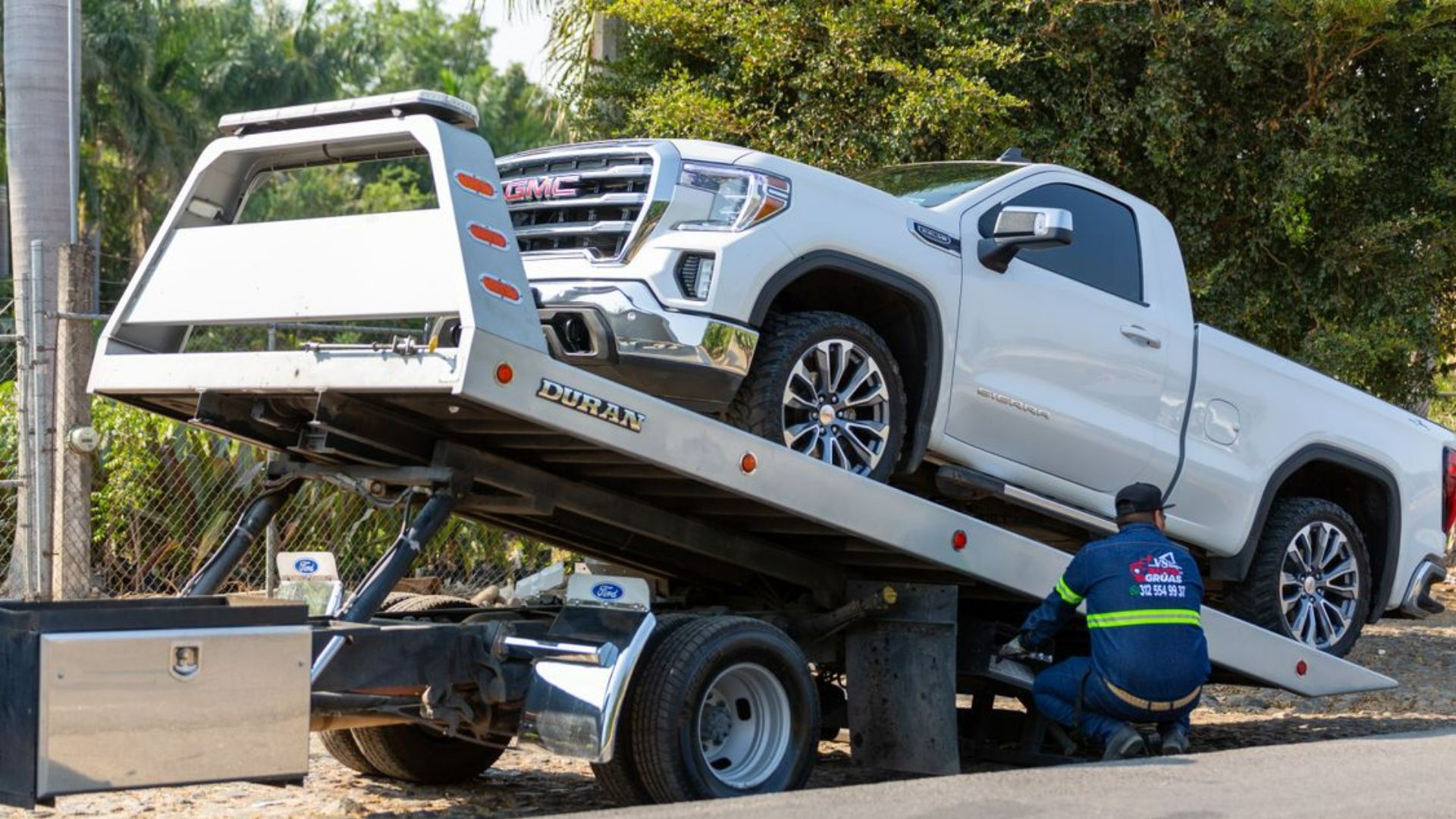
Higher payments are only part of the risk. Borrowers who rolled negative equity from a prior loan were more than twice as likely to face repossession within two years compared to those who netted money on a trade-in, according to a 2024 Consumer Financial Protection Bureau study. Default rates on car loans in March rose to their highest levels since 2010, per Cox Automotive.
The Picture Is Mixed Across the Market

Not all car buyers are in a difficult spot. The average trade-in equity in March exceeded $6,800, according to JD Power, and Tyson Jominy, the firm’s senior vice president of data and analytics, said the average consumer is in a solid position when buying a vehicle. The current divide reflects broader economic trends, where some buyers are financially comfortable while others face mounting pressure.
Analysts Don’t Expect Relief Soon

The conditions that created this wave of negative equity, high purchase prices, elevated interest rates, and stretched loan terms are not disappearing quickly. Jessica Caldwell, head of insights at Edmunds, told the Wall Street Journal that higher negative equity levels are likely to persist in the months ahead. Joseph Yoon, an Edmunds consumer insights analyst, said whether this growth leads to broader economic consequences for buyers remains to be seen.