30% of Americans Admit to Shoplifting Amid Rising Costs, Survey Finds
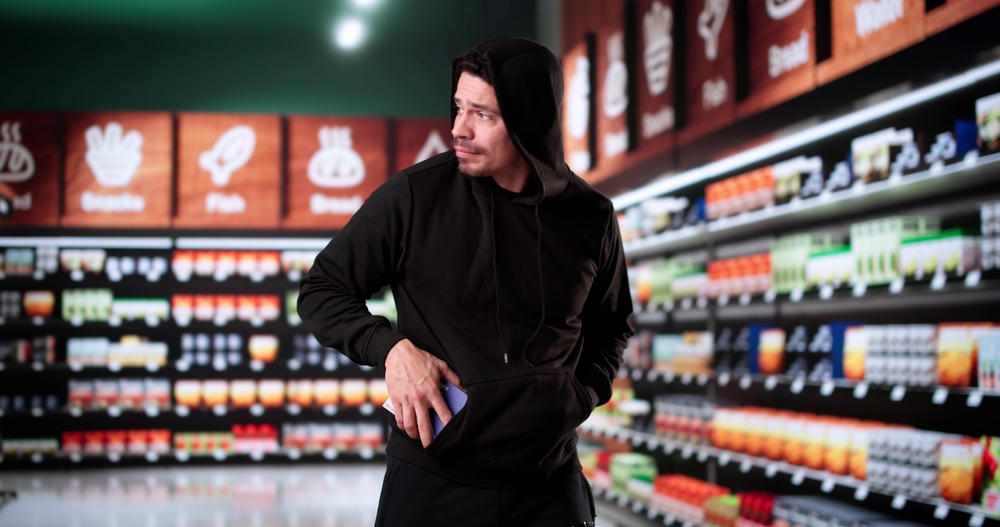

Shoplifting has long been viewed as a retail crime tied to isolated incidents, but a new survey suggests it may be becoming more common across the United States. LendingTree found that 30% of surveyed Americans said they have shoplifted at least once, up from 23% in a similar 2024 survey. While the findings do not represent an official national crime rate, they offer a snapshot of changing consumer behavior during a period marked by persistent inflation and financial strain.
Survey Shows Shoplifting Is Becoming More Common
The increase was one of the survey’s clearest findings. Conducted in June 2026 among 2,000 U.S. adults ages 18 to 80, the LendingTree survey found not only that more respondents admitted to shoplifting overall, but also that recent incidents had increased. Among respondents who had shoplifted, 37% said they had done so within the past year, compared with 23% in the 2024 survey. Twelve percent also described themselves as regular shoplifters, nearly double the share reported two years earlier.
Younger Adults Report The Highest Rates
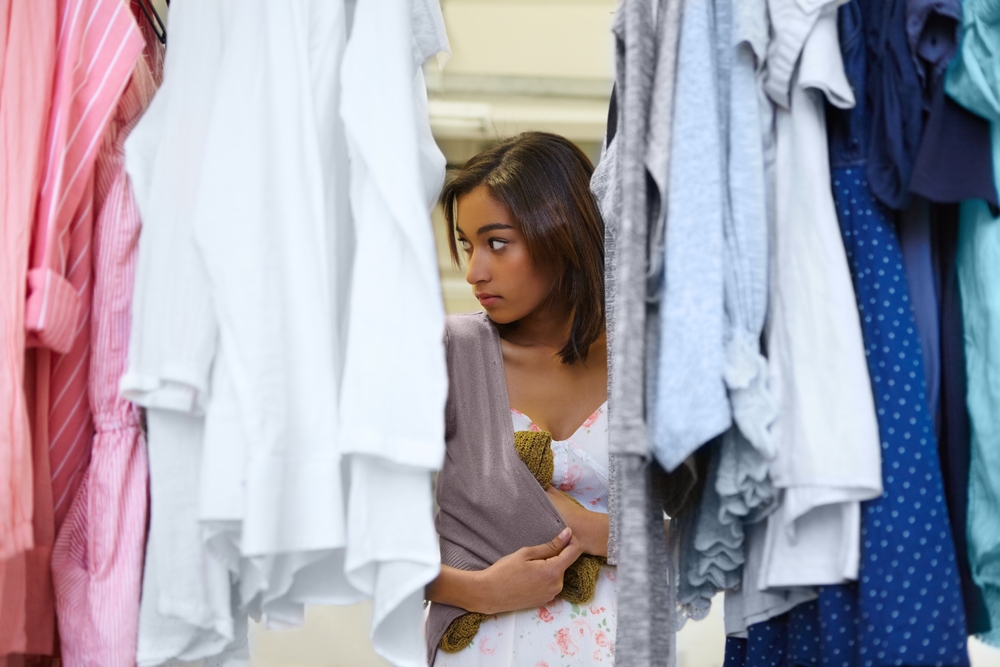
Age remains one of the strongest dividing lines. According to the survey, 39% of Generation Z respondents and 38% of millennials said they had shoplifted, compared with 24% of Generation X and 18% of baby boomers. Men also reported higher rates than women, with 36% saying they had shoplifted versus 23% of women. The data suggests the behavior is disproportionately concentrated among younger adults even as respondents came from a broad range of age groups and income levels.
Inflation Emerges As A Major Theme

Financial pressure dominated many respondents’ explanations. Among those who said they had shoplifted within the past year, 90% agreed that inflation and the broader economy contributed to their decision. Across all respondents who admitted to shoplifting, 28% cited financial struggles, 19% said products had become too expensive to afford, while 17% said they shoplifted either to make ends meet or simply to save money. LendingTree chief consumer finance analyst Matt Schulz said the findings reflect how affordability challenges continue to weigh on many households, even though financial hardship does not justify retail theft.
The Items Being Stolen Tell Their Own Story

What people reported stealing offers another window into household finances. Food and nonalcoholic drinks ranked first at 30%, followed by clothing, accessories or jewelry at 25%, and personal hygiene products at 20%. Parents who admitted to shoplifting were more likely than the general group to report taking toys, school supplies and electronics, while Generation Z respondents more frequently reported stealing clothing than groceries. The mix suggests everyday necessities remain a significant part of reported retail theft.
Grocery Stores And Major Chains Are Frequent Targets
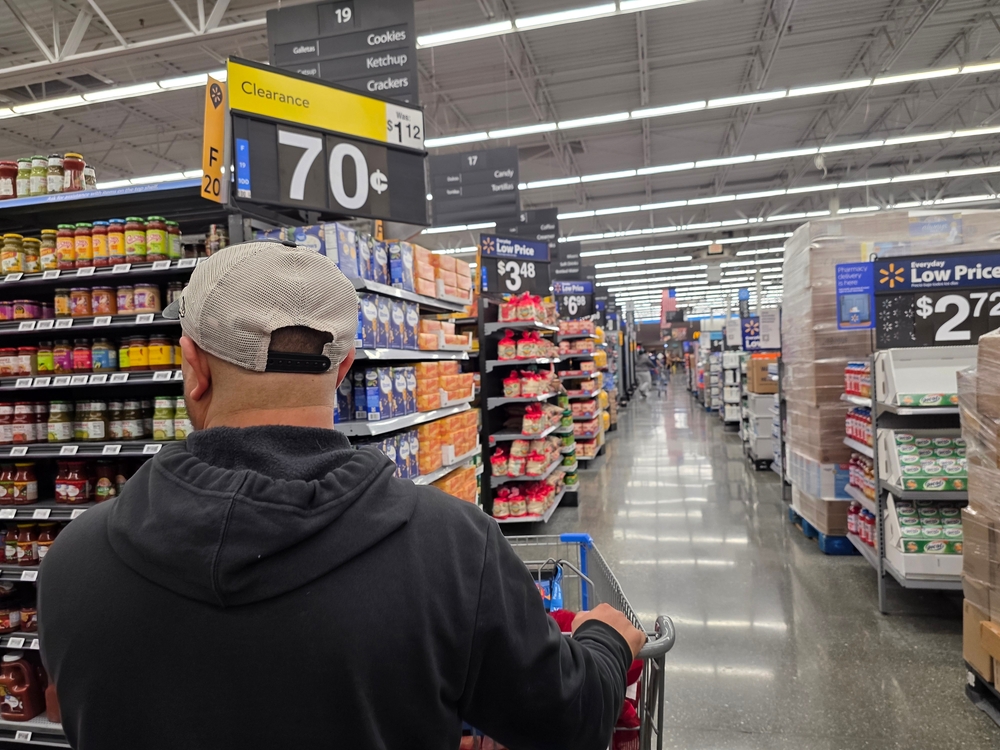
The survey found grocery stores were the most commonly reported location for shoplifting, cited by 39% of respondents who admitted stealing. Dollar stores followed at 28%, ahead of department stores at 25%. Respondents also reported targeting chain retailers slightly more often than local businesses, with many pointing to large stores’ size, busy layouts and self-checkout areas. When asked which retailers appeared easiest to shoplift from, Walmart was mentioned most often, followed by Family Dollar, Amazon Fresh and Kroger.
Many Say They Have Never Been Caught
Despite increased security measures in many stores, more than half of respondents who admitted shoplifting, 52%, said they had never been caught. Among those who had, the most common outcome was receiving a warning, although 27% reported being arrested. LendingTree also found that one in four Americans said anti-theft technology would not discourage them from shoplifting. Even so, a majority of survey respondents, 61%, said they believe retail theft should carry stricter consequences.
The Findings Spark More Than One Interpretation

Although many respondents linked their actions to inflation, observers caution against reducing the trend to economics alone. Newsweek noted that while repeat shoplifting has risen sharply since 2024, fewer respondents than before said they stole because they could not afford items, prompting discussion about whether changing attitudes toward large retailers may also play a role. Experts interviewed by the publication offered differing explanations, with some emphasizing economic hardship while others pointed to broader resentment toward large corporations.
What Retailers And Consumers Could Face Next
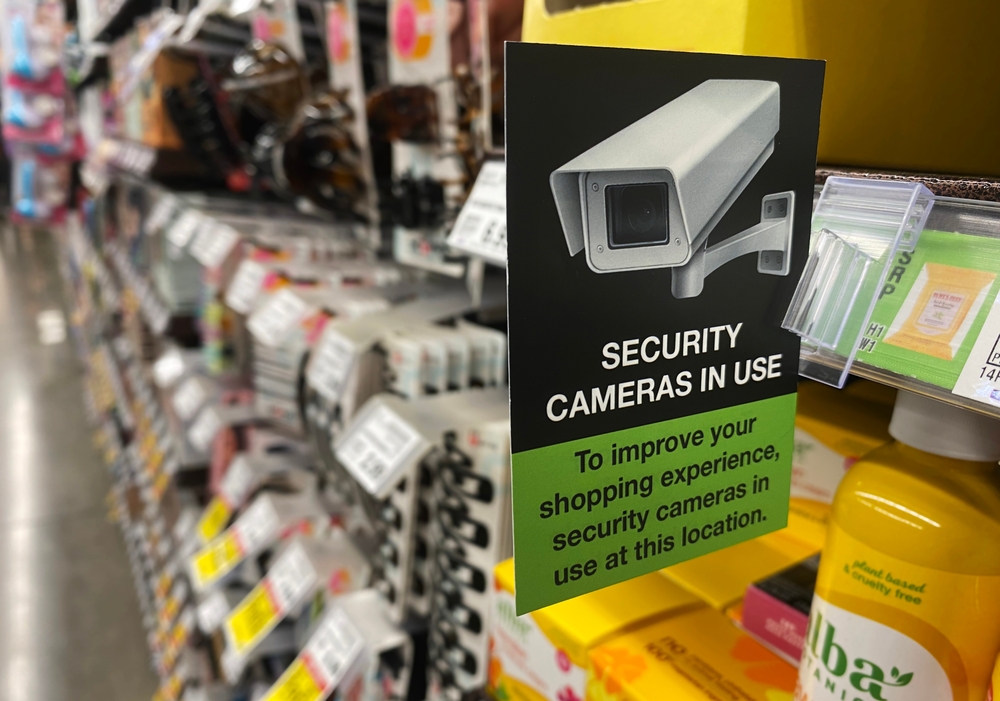
The survey highlights a challenge extending beyond store losses. Higher theft can lead retailers to invest in additional security measures, expand locked displays, increase surveillance or adjust staffing, all of which can affect the shopping experience. Meanwhile, LendingTree warned that shoplifting carries consequences that can extend beyond fines, including legal trouble and potential difficulties securing employment or housing after an arrest or conviction.
The Bigger Question Goes Beyond The Numbers
Whether the increase reflects lingering financial pressure, shifting social attitudes or a combination of both, the survey points to a complicated picture of consumer behavior in 2026. Future surveys will help determine whether this year’s findings represent a temporary response to economic conditions or the beginning of a longer-term trend. For retailers, policymakers and consumers alike, the question is no longer simply how much shoplifting is occurring, but what forces are driving it and how those pressures might evolve in the months ahead.