24 and Dying From a Rare Heart Condition, Then This Device Saved Her Life
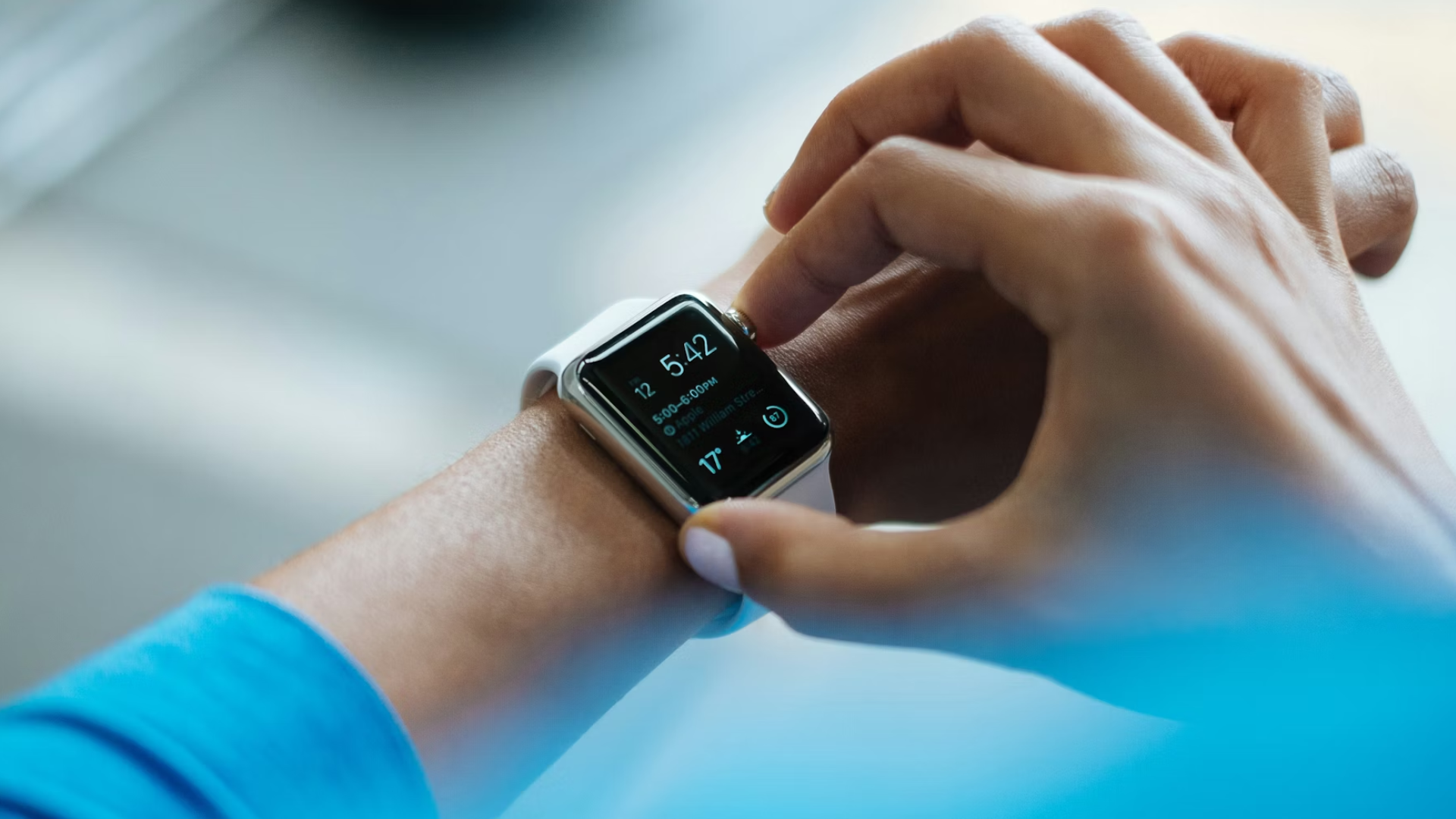

A 24-year-old woman is sharing how a wearable health device helped save her life after she developed a rare and potentially fatal heart condition. What initially seemed like minor symptoms quickly escalated into a life-threatening emergency that doctors say could have turned deadly within days. The early warning signs came not from a hospital, but from data tracked on her wrist. Her story is now highlighting how modern health technology is playing an increasingly critical role in early detection and intervention.z
Subtle Symptoms Turn Serious

The woman, identified as Mia Beam, initially experienced symptoms that could easily be dismissed, including fatigue and discomfort. However, her condition rapidly worsened, signaling something far more serious beneath the surface. Like many young adults, she had no immediate reason to suspect a severe heart issue. This delay in recognizing symptoms is common with rare cardiac conditions, which can develop quietly before becoming critical.
A Rare and Dangerous Heart Condition
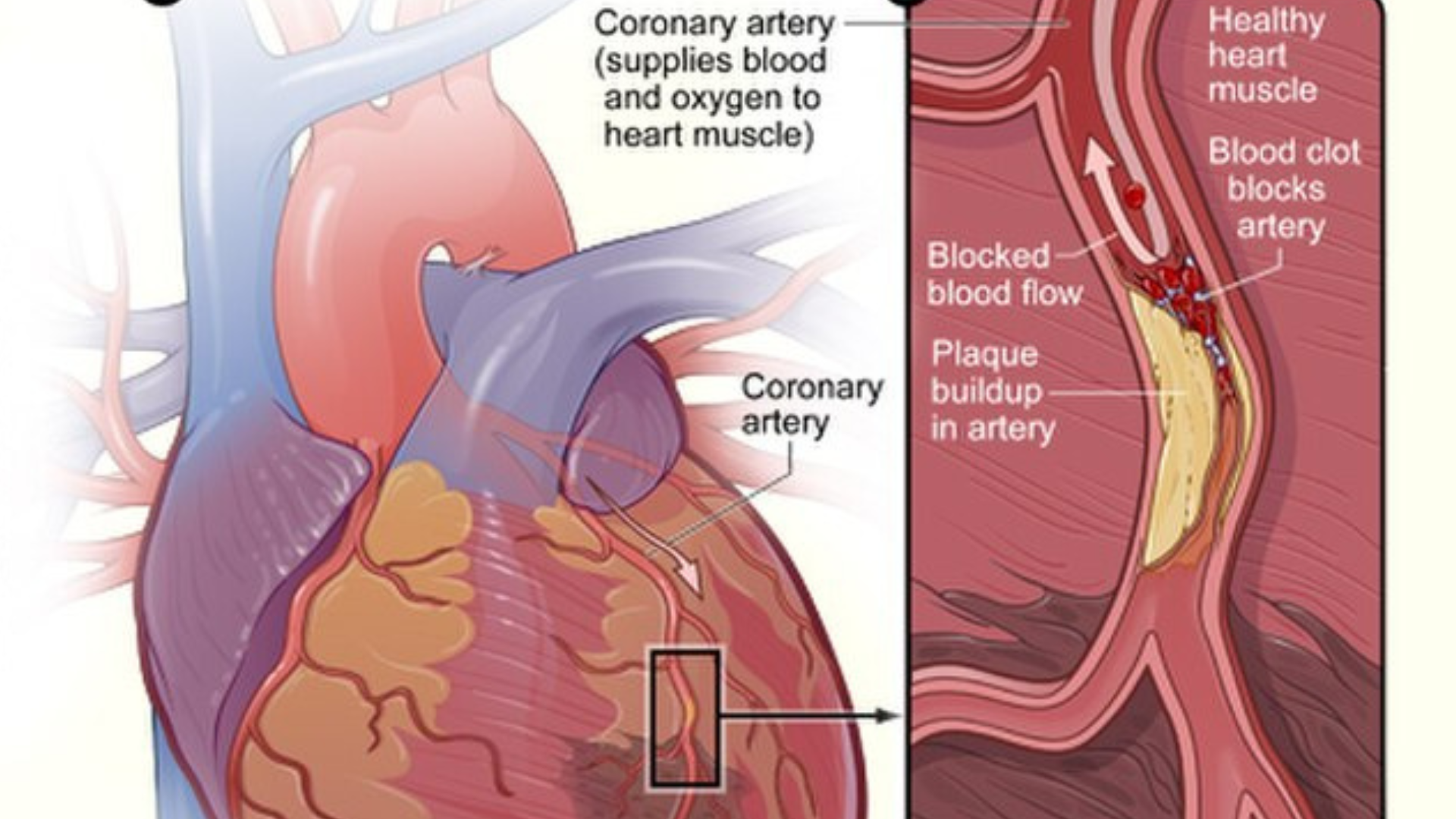
Doctors later determined that she was suffering from a rare condition involving fluid buildup around the heart, which can compress the organ and restrict its ability to function properly. This type of condition can escalate quickly and become fatal if not treated in time. In her case, the situation became severe enough to impact her lungs and heart function simultaneously. Without immediate medical intervention, the outcome could have been devastating.
The Device That Raised the Alarm
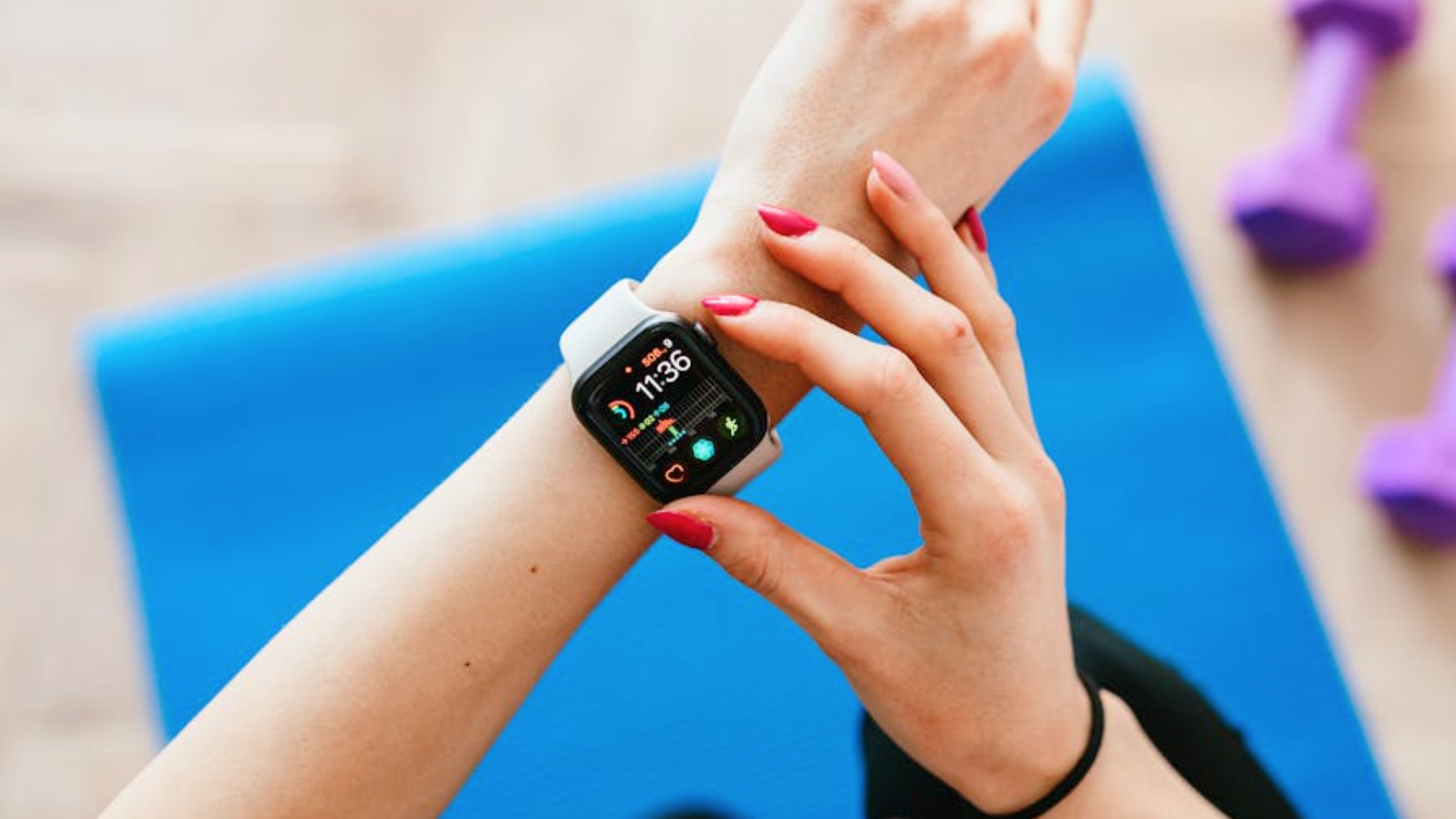
Mia credits her WHOOP wearable device with alerting her that something was seriously wrong. The device tracked unusual changes in her vital signs, including elevated heart rate and strain levels that did not match her normal patterns. These alerts prompted her to seek medical attention earlier than she otherwise might have. The data provided a crucial early warning that something inside her body was not functioning normally.
A Life-Saving Emergency Procedure
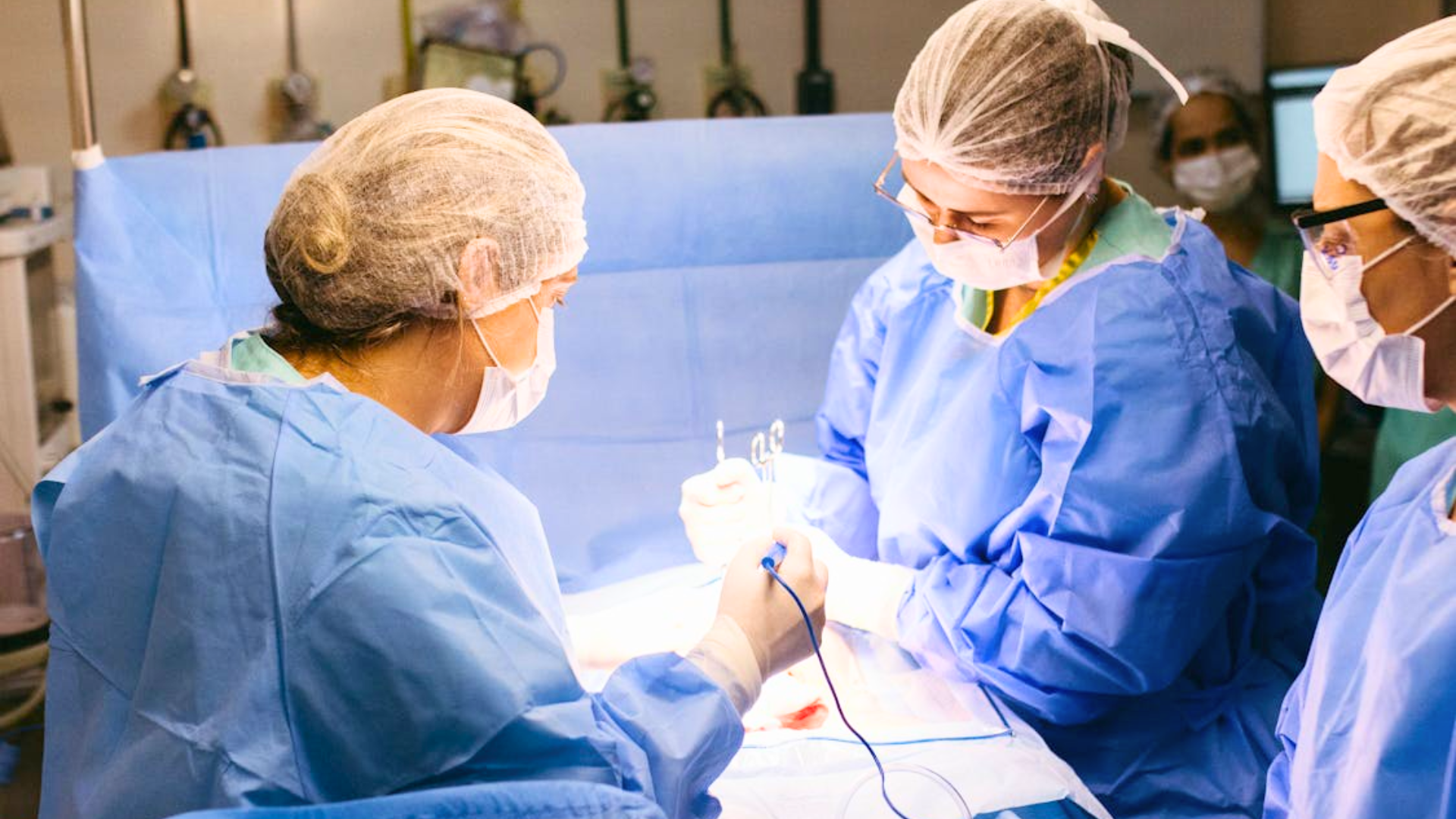
When doctors examined her, they discovered a massive buildup of fluid around her heart and lungs. Surgeons ultimately drained approximately 871 milliliters of fluid from around her heart during an emergency procedure. Medical professionals later said she could have died within 24 to 48 hours without treatment. The procedure not only relieved pressure on her heart but also restored her ability to breathe properly.
How Close She Came to Death
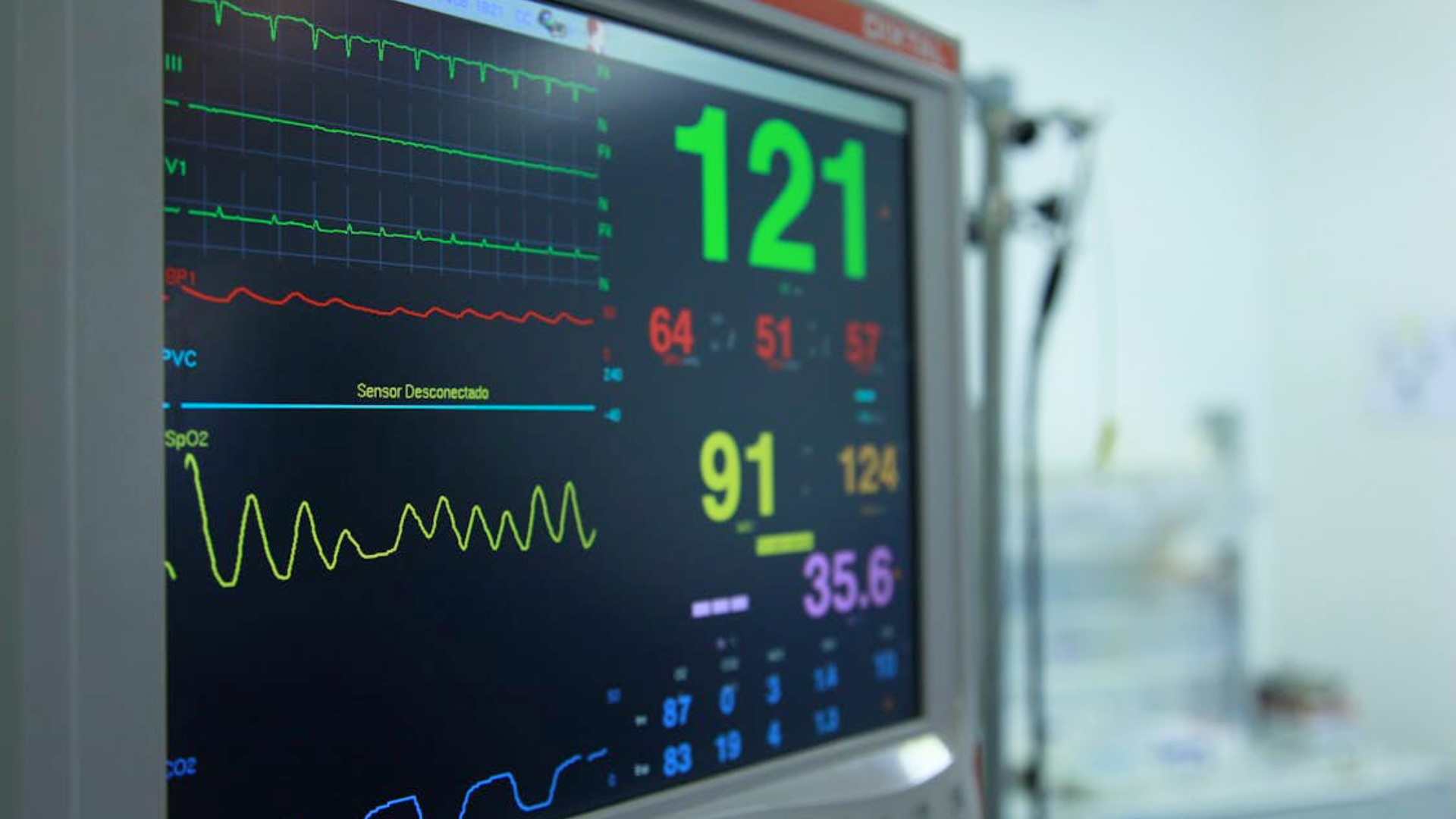
According to her family, the condition had already caused her left lung and parts of her heart to collapse. The severity of the situation shocked even experienced medical staff, who described how quickly it had progressed. Cases like this highlight how silent and aggressive certain heart conditions can be, even in young and otherwise healthy individuals. The narrow window for survival underscores the importance of early detection.
Wearable Tech Changing Healthcare

Her story is part of a growing trend in which wearable technology is playing a larger role in healthcare. Devices that track heart rate, sleep, and strain can sometimes detect abnormalities before symptoms become severe. While these tools are not replacements for medical diagnosis, they can serve as an important first line of awareness. Increasingly, doctors are recognizing the value of patient-generated health data in emergencies.
Experts Urge Caution and Balance
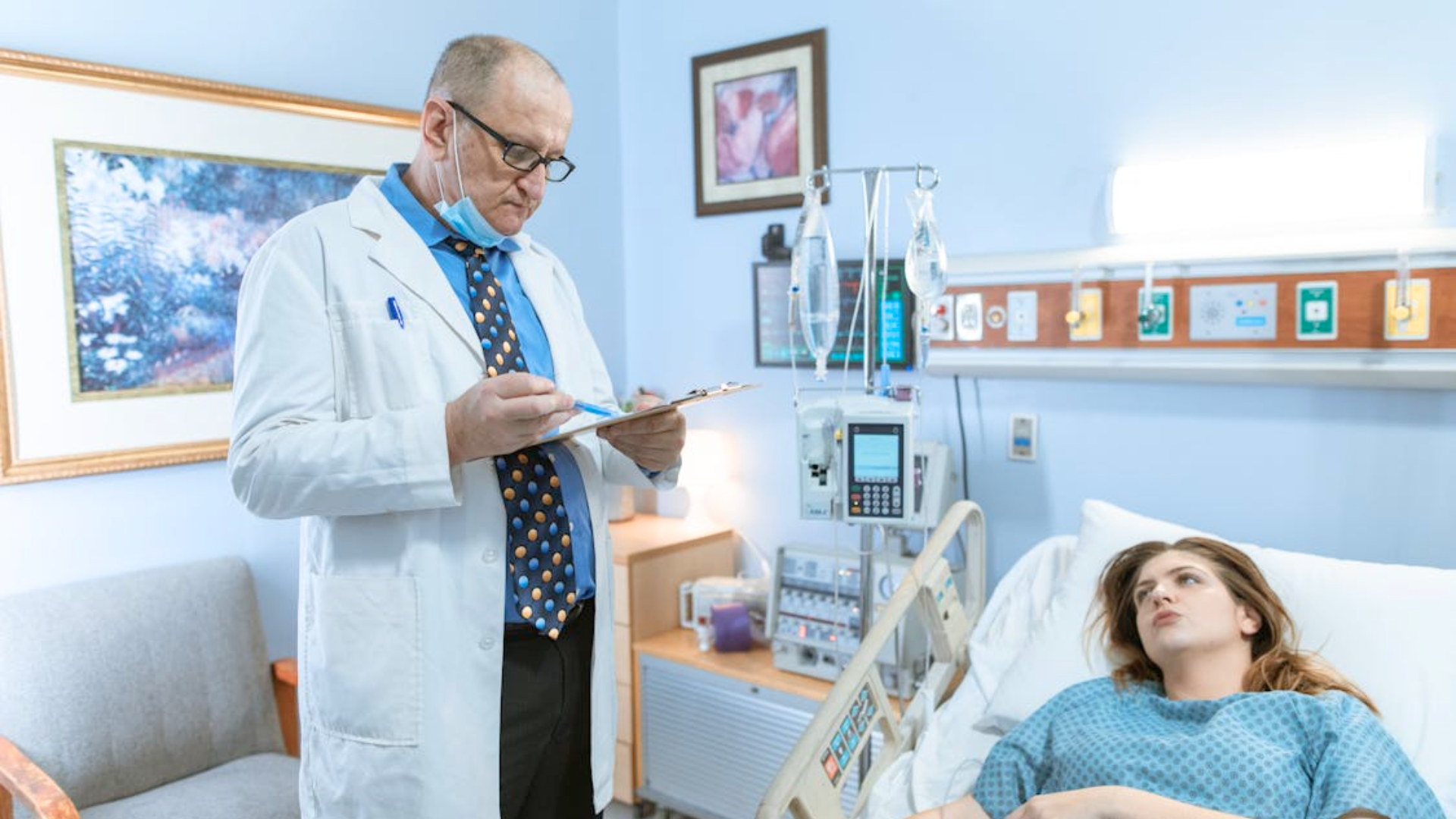
Despite the success of this case, experts emphasize that wearable devices should not be relied on as the sole source of medical insight. They can provide useful signals, but they are not designed to diagnose complex conditions on their own. Medical professionals caution that individuals should always seek proper evaluation when experiencing unusual symptoms. The technology works best when combined with professional care and timely action.
A Wake-Up Call for Young Adults

Mia’s experience is also serving as a reminder that serious health issues can affect people at any age. Many young adults assume they are at low risk for heart-related conditions, which can delay seeking care. Her story challenges that assumption and highlights the importance of paying attention to changes in the body. Awareness and early action can make the difference between recovery and tragedy.
Technology Meets Timing
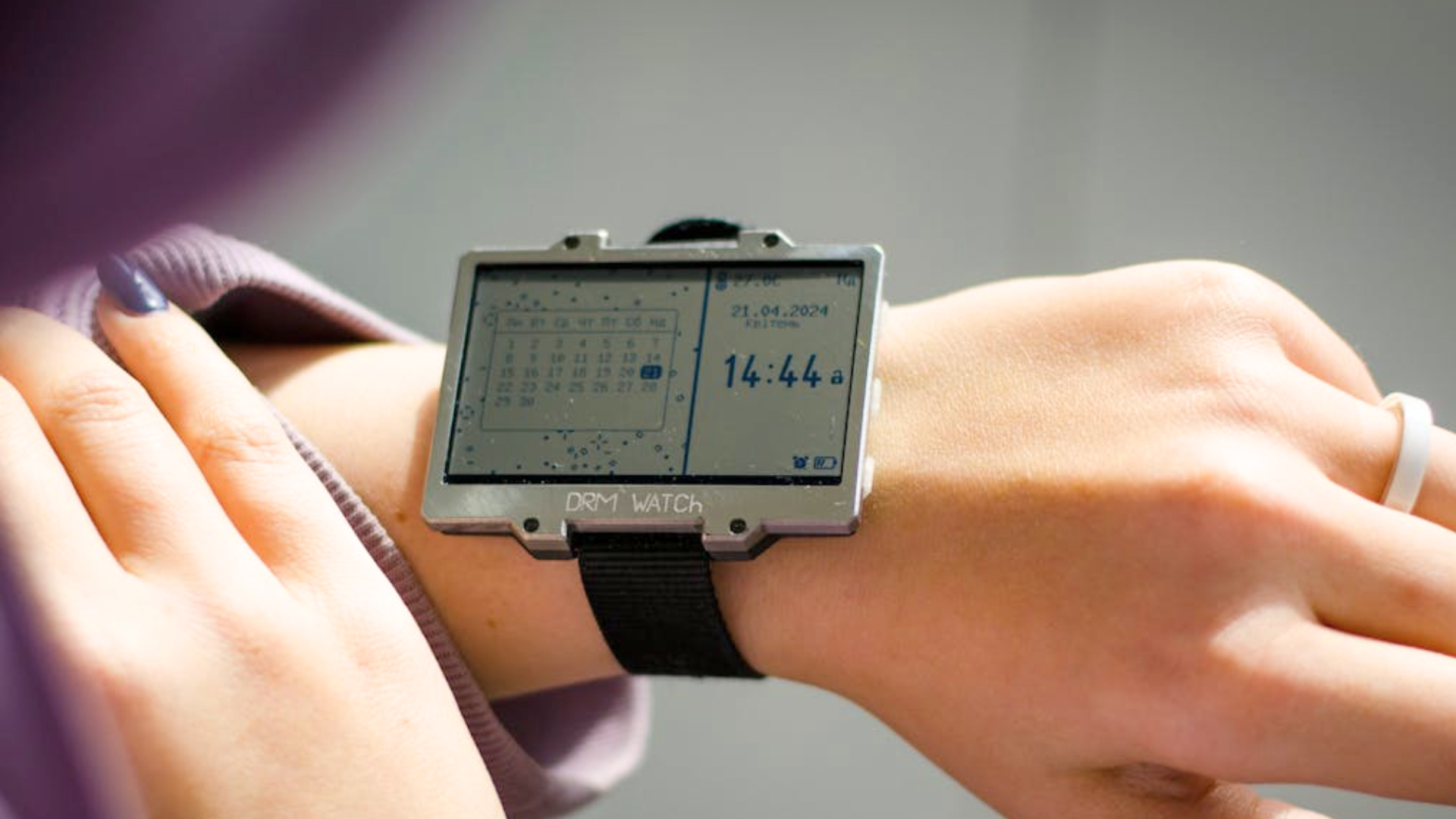
This case highlights how a combination of technology, awareness, and swift medical intervention can dramatically alter outcomes in life-threatening situations. While wearable devices are not substitutes for doctors, they are becoming valuable tools in identifying potential health risks early. For this 24-year-old, the data from a simple device made all the difference at a critical moment. As technology continues to evolve, stories like hers may become increasingly common in modern healthcare.