200 Families Forced Out as Florida Trailer Park Closes for ‘Affordable Housing’ Project
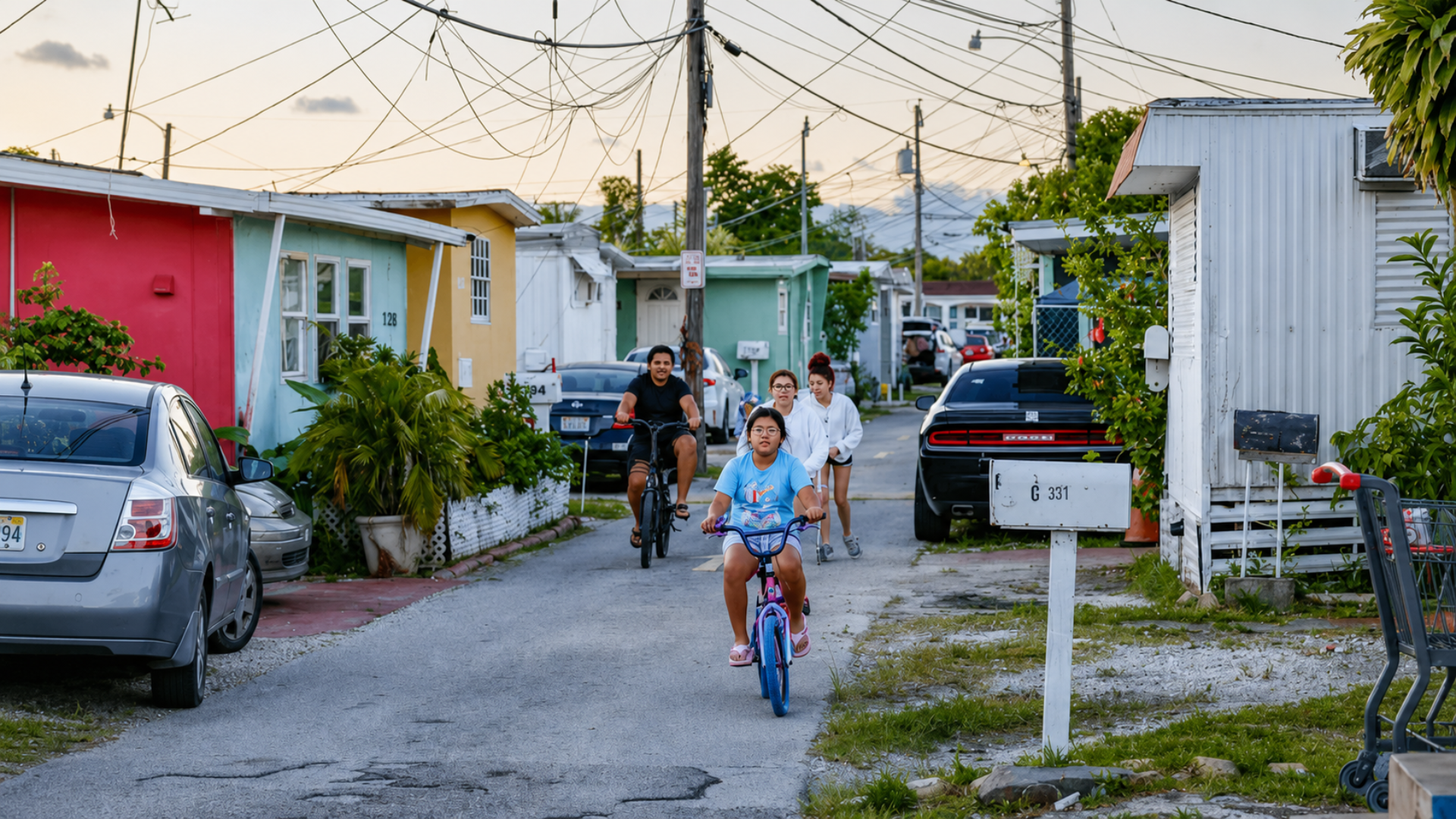

A paper taped to a front door. That was all it took to unravel years of sacrifice. On March 11, 2026, residents of the Silver Court Mobile Home Park in Miami’s Little Havana opened their doors to find a closure notice from their landlord. The 65-year-old community at 3200 Southwest Eighth Street will shut down by September, displacing more than 200 families and eliminating one of Miami-Dade’s last remaining sources of deeply affordable housing. For many of them, there is simply nowhere else to go.
Among those blindsided was Awilda Suriel, 43, an Uber driver who spent seven years behind the wheel to save enough money to buy her trailer outright for $45,000. She then put an additional $20,000 into repairs, siding, and a carport, creating a home for her three children. “I thought I’d live here for the rest of my life,” she said. Now, her only meaningful asset is effectively unsellable, and her savings are gone. What she built across years of sacrifice may vanish in months.
The property is owned by 1989 Sunny Court LLC, an affiliate of Malibu, California-based Marquis Property Company, which purchased Silver Court along with the nearby Sunnyside/Westhaven mobile home park in West Miami for a combined $50 million in 2021. The company has not disclosed what will replace Silver Court, saying only that the redevelopment will “bring value” to South Florida. For the families being pushed out, that vague promise lands like an insult.
The Price of Leaving and the Cost of Staying
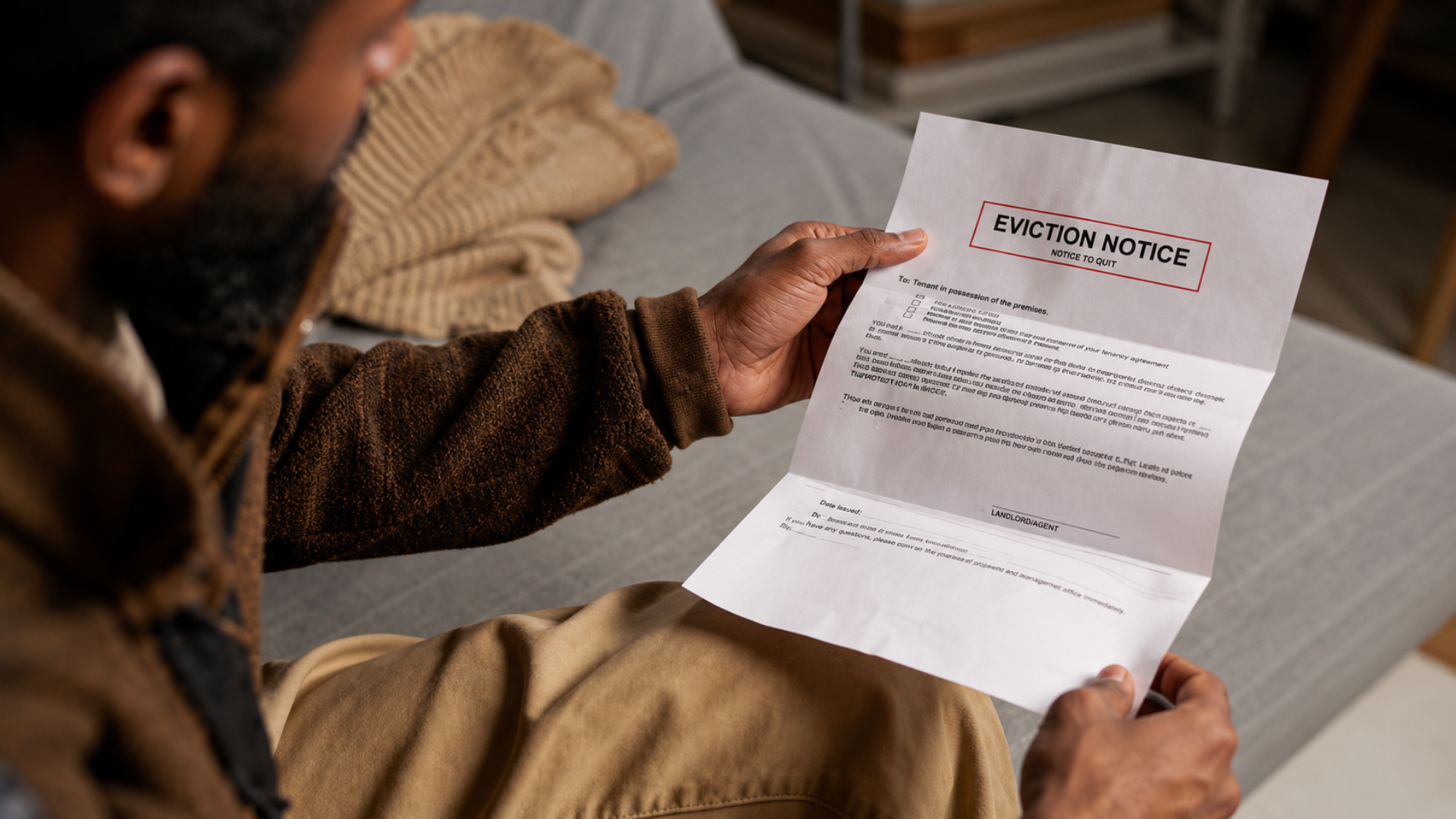
To encourage residents to leave early, the company has offered $10,000 to those who vacate by May 31, $5,000 for departures by July 15, and $2,500 for those who leave by the end of August, in addition to Florida’s state compensation, which ranges from $1,375 to $6,000 depending on the trailer’s size. On paper, those figures might sound like a lifeline. In practice, residents say, they barely cover the cost of entering Miami’s housing market at all.
Suriel has done the math, and it doesn’t work. Monthly rent for a three-bedroom apartment in Miami runs well above $3,000, compared to the roughly $900 she currently pays in lot fees at Silver Court. First month, last month, and a security deposit would consume nearly the entire $10,000 offer before she has even found a place to sleep. Her household earns around $5,000 a month, depending on hours worked. “I have nowhere to go,” she said. The numbers confirm it.
The owner’s attorney, Jorge Piedra, a managing partner at Kozyak Tropin & Throckmorton, stated that the owner is “focused on complying with the law, treating residents with respect, and providing relocation assistance that exceeds what the law requires so that families can transition to the next chapter of their lives with support and dignity.” Residents, however, describe a different reality. Math teacher Joseph Madera, 46, who has emerged as the community’s de facto organizer, called the situation “a social catastrophe” and the buyout offers “pitiful,” equal to roughly three months’ rent.
The Faces Behind the Numbers

For 93-year-old Teresa Alvarez, who has lived in the park for more than 25 years and is a cancer survivor, the eviction notice has been devastating. “I’ll end up in the streets like a beggar because I have no family here,” she said in Spanish. She purchased her trailer in 1993 for $8,000 and has since improved it to a value of roughly $50,000, according to reports. A neighbor has since offered her a place to stay, but her situation reflects a broader crisis unfolding across the park.
Advocates warn that many of those affected are retirees living on fixed incomes, making relocation especially difficult in South Florida’s expensive housing market. State Senator Ileana Garcia, a Republican whose district includes Silver Court, said she has “never seen a more impoverished situation” than what exists inside the park. She described the residents as a “very, very vulnerable population” and said she is “dumbfounded by the lack of protections that mobile homes have” under current Florida law.
Silver Court is not an isolated case. The closure mirrors the fate of the Li’l Abner park in Sweetwater, which was cleared in 2025, impacting about 900 families and leaving several elderly residents homeless. The pattern is consistent: a California-based investment firm acquires aging mobile home land, and low-income families absorb the consequences of redevelopment driven by a market they cannot access. Each park that closes takes with it a category of housing that cannot easily be replaced.
A Law That Wasn’t Built for This

Florida law was not designed for a housing crisis of this scale. Under current statutes, mobile home owners facing a park closure are entitled to between $1,375 and $6,000 from the state, depending on the size of their unit and whether they choose to relocate or abandon it. Relocating a cemented-in trailer, which describes most units at Silver Court, often costs far more than that, and many owners cannot afford the process even if a destination park existed. Most cannot find one.
Senator Garcia pledged to advocate for legislative reforms that would extend notice periods to nine to twelve months and ensure compensation reflects trailers’ appreciated value. But those reforms would need to survive Florida’s legislative session, and the track record is not encouraging. During the last session, bills in both the House and Senate sought to more than double relocation and abandonment payouts. Both died in committee without a vote, according to the Miami Herald.
At the homeowners meeting organized by Madera, residents debated what a fair resolution would actually look like. Numbers circulated until one homeowner shouted, to loud applause, “$60,000 and three years.” That figure, Madera argued, would at least give families a fighting chance in a market that has priced them out at nearly every turn. Anything less, he said, is not relocation assistance. It is, as CBS Miami reported residents calling it, simply an eviction with a check attached.
What Comes Next, and Who Decides

The closure of Silver Court arrives inside a city already struggling to contain a housing emergency. With Miami’s median rents for three-bedroom apartments exceeding $3,000, many Silver Court residents, largely low-income families and seniors on fixed incomes, face an uncertain future, with many fearing the move will result in homelessness. The redevelopment that replaces their community may well be marketed as progress. To those displaced, it will represent the permanent loss of the only ownership they ever managed to achieve.
The word “affordable” gets used often in real estate announcements across South Florida. It rarely means what the people who need it most would hope. Marquis Property Company paid $50 million for the land beneath Silver Court and its sister park. Whatever rises on that land will need to generate returns on that investment. The Real Deal and other outlets have noted the owner still has not confirmed any redevelopment plan. The 200 families being displaced do not have the luxury of waiting for an answer.
Suriel stood on her street as the sun went down, looking at the home she had sacrificed years to buy, a home she cannot sell and soon cannot keep. She thought of every hour she spent driving strangers around Miami so she could one day stop renting and start owning. A trailer in Little Havana was the only version of that dream the market allowed her.