19-Year-Old Caught Speeding Said Her Grandmother Had a Heart Attack. Then the Officer Noticed Something Didn’t Add Up
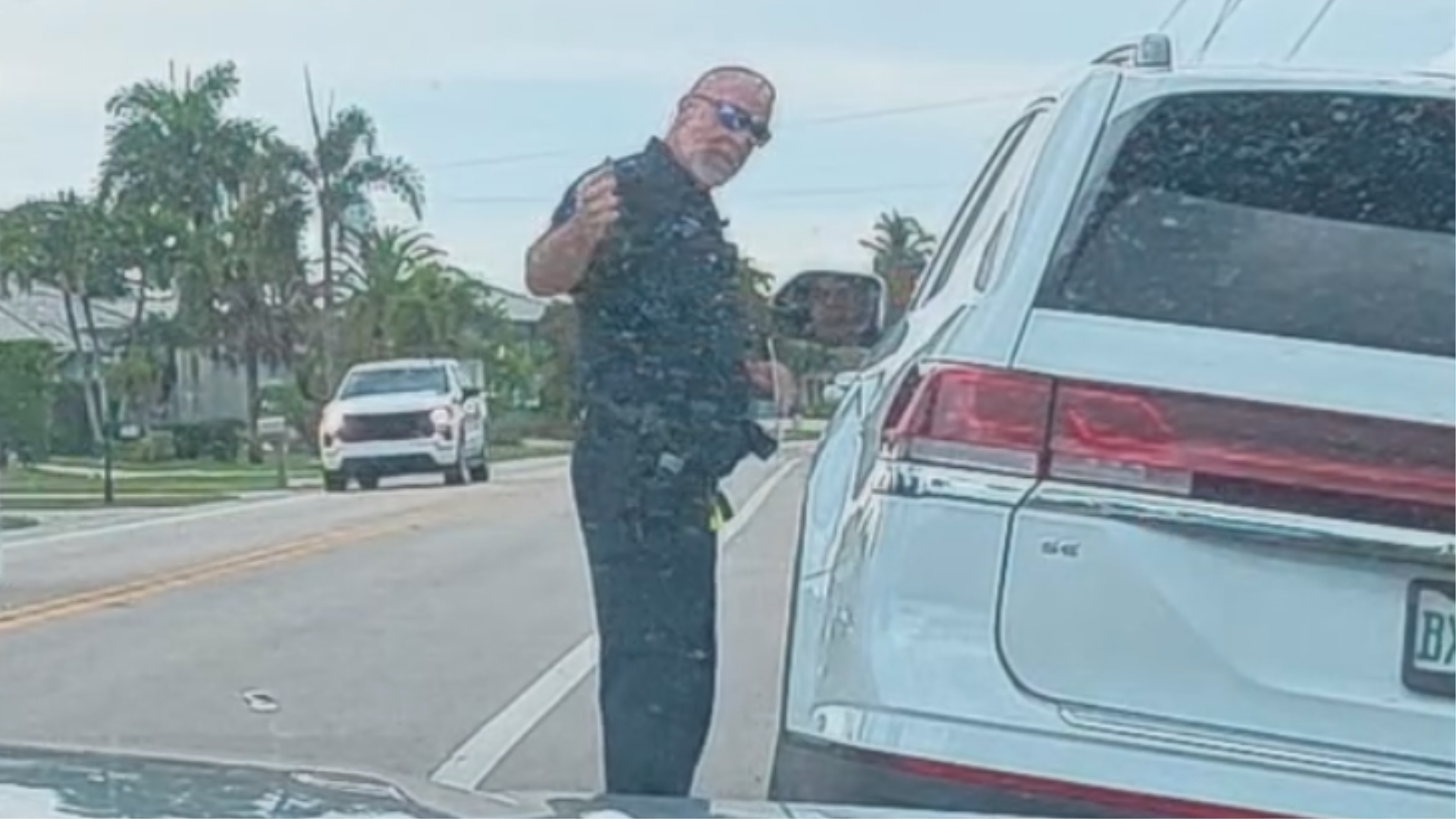

A 19-year-old driver told a Marco Island police officer she was racing to reach her grandmother during a medical emergency after being clocked doing 61 mph in a 35 mph zone. Body camera footage released by the department shows what began as a sympathetic exchange shift once her account started to change. The officer had already decided the situation warranted a closer look before he returned to his cruiser.
Driver Tells Officer Her Grandmother “Had a Heart Attack” 30 Minutes Earlier
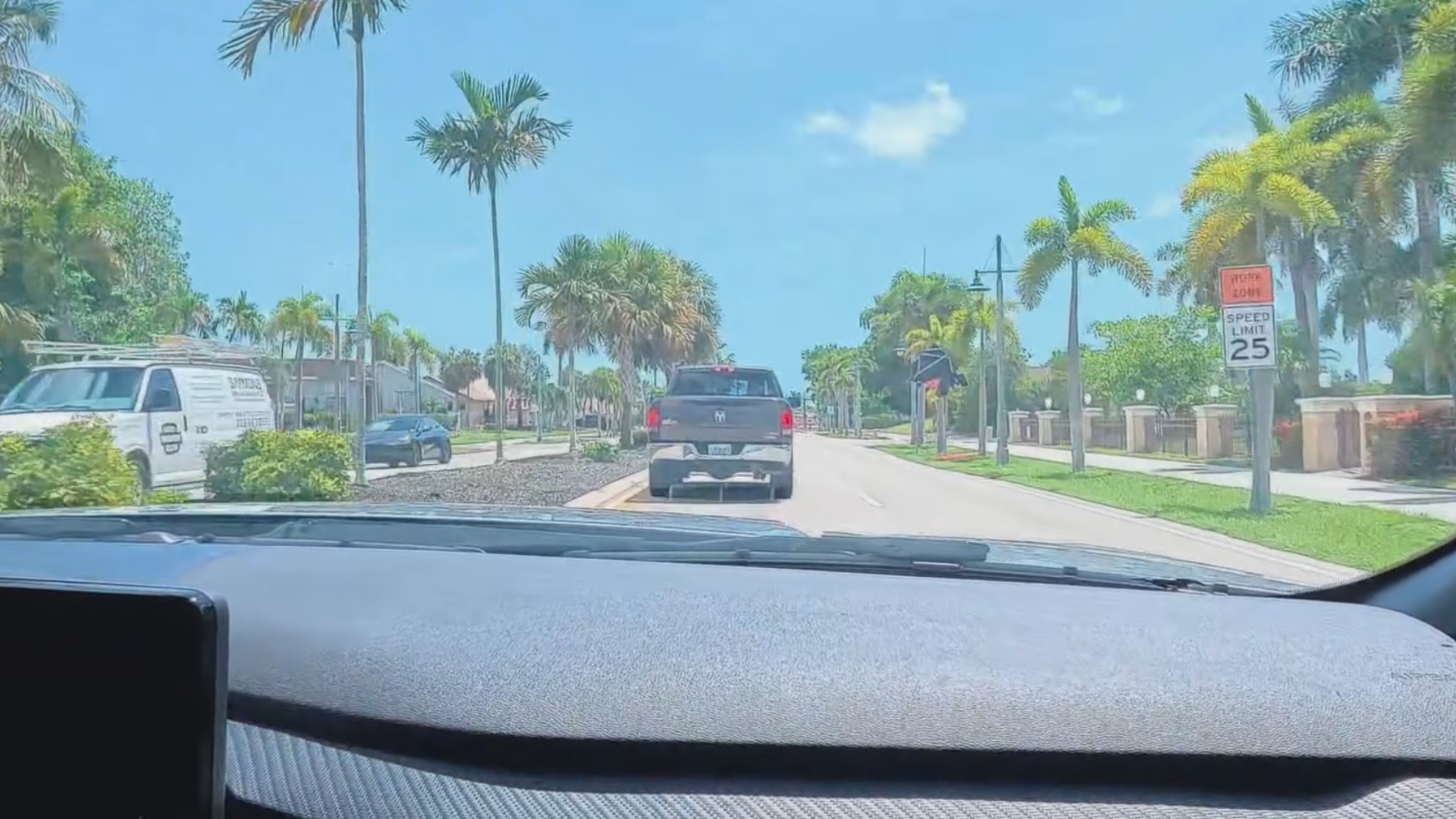
Before the officer could explain the reason for the stop, the driver volunteered that her grandmother had suffered a heart attack roughly half an hour prior. She said she was headed to pick her up and drive her to a specialist in Fort Myers, apologizing for her speed and offering documentation to back up her story. The officer listened, asked a few questions, and appeared open to letting her go with a warning.
Officer Asks Why 911 Wasn’t the One Driving Her Grandmother to the Hospital

When the officer asked whether EMS had been called, the driver confirmed paramedics had already responded to her grandmother’s home. But she said her grandmother wanted her, not an ambulance, to provide the ride to Fort Myers. That detail raised an obvious question: if paramedics were already on scene, why was a 19-year-old driving 26 mph over the limit instead of trained medics?
“It Wasn’t Actually a Heart Attack,” Driver Admits Under Follow-Up Questioning
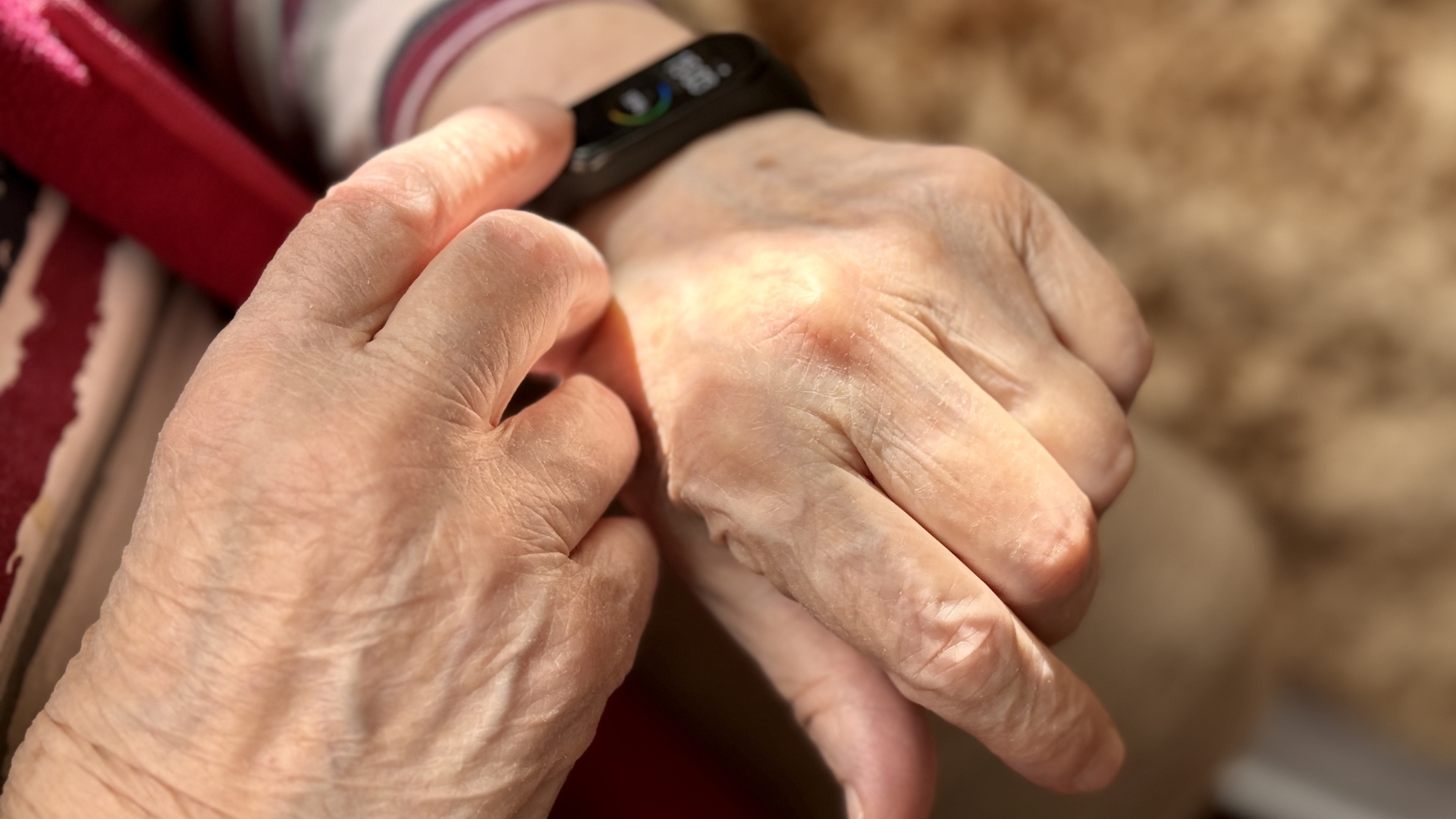
Pressed further, the driver backtracked. Her grandmother hadn’t suffered a heart attack after all. Instead, she had a chronic heart condition monitored by a wearable device that alerts family members when readings look abnormal. The shift from “heart attack” to “device alert” was enough to change the officer’s calculus entirely. He told her the numbers, 61 in a 35, before walking back to his cruiser.
Officer Pulls Her Driving Record Before Deciding Her Fate
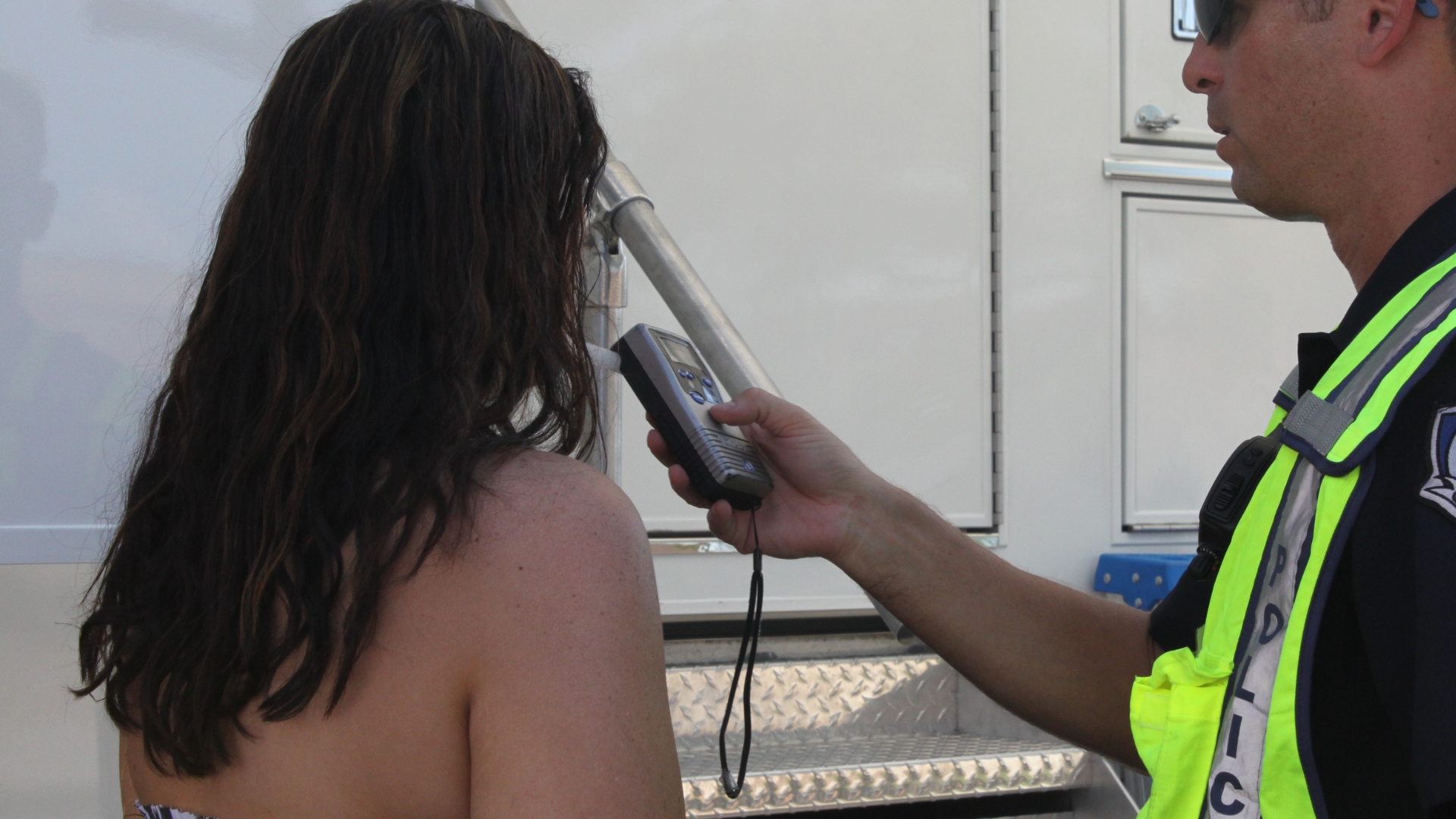
Once inside his patrol car, the officer noted aloud that the driver’s account no longer matched what she’d first said. Rather than take her explanation at face value, he ran her driving history.
Record Shows Nine Prior Speeding Stops Despite Her Limited Time Behind the Wheel
The officer returned to the window and told the driver he’d seriously considered letting her off with a warning. Then he laid out why he’d changed his mind: her record showed nine separate speeding stops despite having been licensed for only a short stretch of time. For a driver barely out of her teens, that frequency stood out immediately.
She’s Already Burned Through All Three Lifetime Driver Improvement Courses

The officer explained that Florida only allows drivers three Basic Driver Improvement courses over a lifetime, a safety net meant to keep first-time or occasional offenders on the road without escalating penalties. She had already used all three. “You only get three of those in a lifetime, and it looks like you’ve used yours up,” he told her, closing off the option that might have softened the stop.
A Prior 30-Day Suspension Adds Weight to the Officer’s Decision
Beyond the courses, the officer noted her license had already been suspended once for 30 days because of her driving record. Combined with nine stops and a maxed-out improvement program, the pattern painted a picture of a driver who hadn’t responded to previous chances to change course. It left him with what he framed as one reasonable option remaining.
Officer Issues Ticket, Then Asks If the Emergency Justified 26 Mph Over the Limit

The officer cited her for driving 61 mph in a 35 mph zone over the Jolly Bridge. Before ending the stop, he raised the same question many viewers would later ask online: if her grandmother’s condition wasn’t serious enough to require ambulance transport, was it serious enough to justify driving 26 mph over the posted limit? He didn’t wait for an answer.
The Warning Behind the Warning

After the department released the footage, reaction split between those who found the driver’s shifting story implausible and those who debated whether calling 911 would have been the safer call regardless. But the number that stuck with most viewers wasn’t 61 or 35. It was nine, the count of prior stops behind a driver who still had, as the officer put it, her whole life and her license ahead of her to lose.