10 Gas Pump Mistakes That Could Be Wasting Your Money Every Year
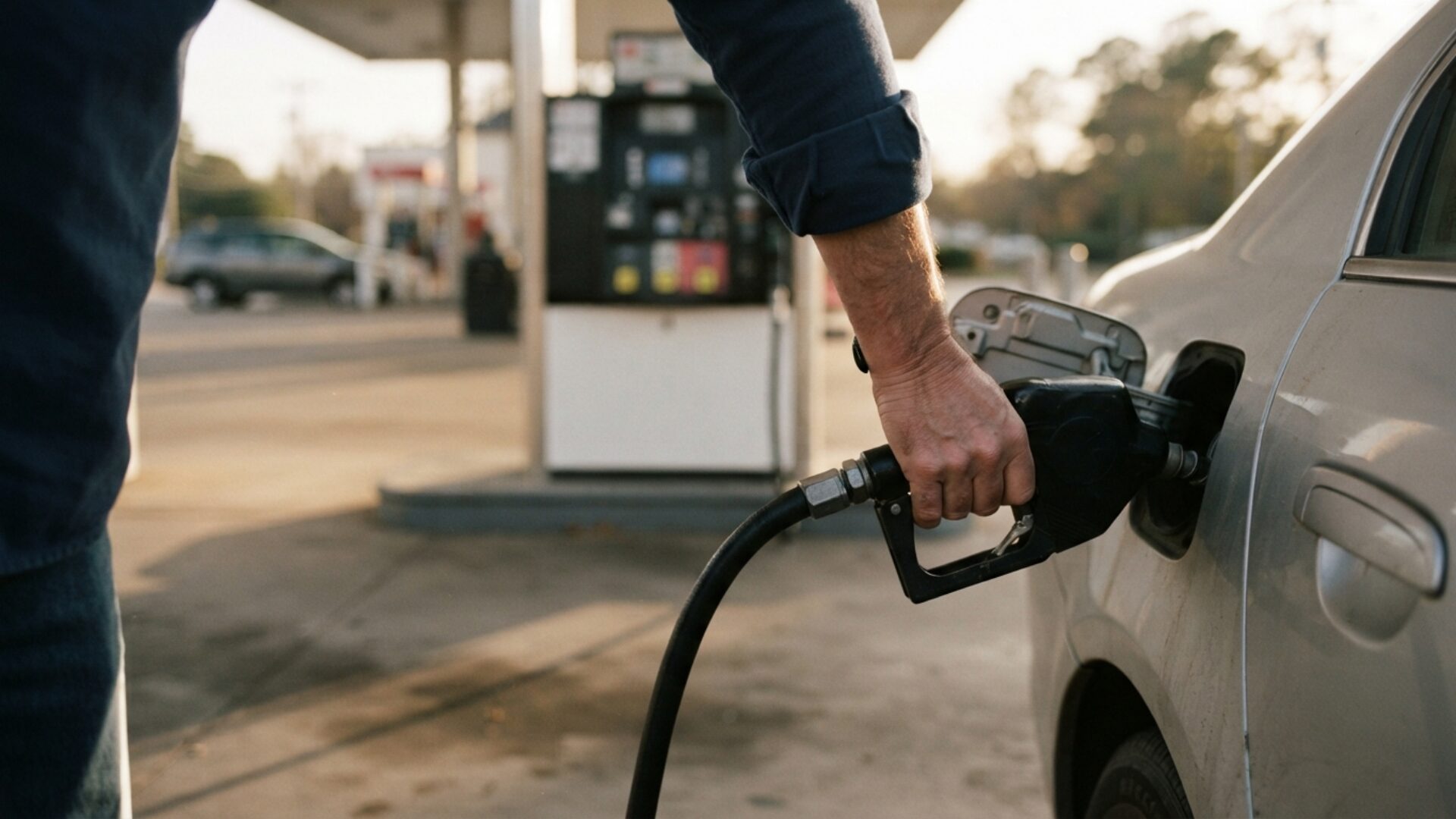

You can’t change the price on the sign. What you can change is a surprising amount of what happens after you pull in: when you fill up, where, which grade, and whether you stop when the nozzle clicks off. Eight habits fall into that category. Some are worth only a few cents a gallon. Others add up across millions of drivers: AAA estimated that American drivers wasted more than $2.1 billion in a year using premium gasoline in vehicles designed to run on regular. The study put that year at 2015. One of them can end in a repair bill, and it starts in the seconds after the pump clicks off.
This article was created with the assistance of AI and reviewed by our editorial team for accuracy and clarity.
Topping off buys a few miles and risks a spill
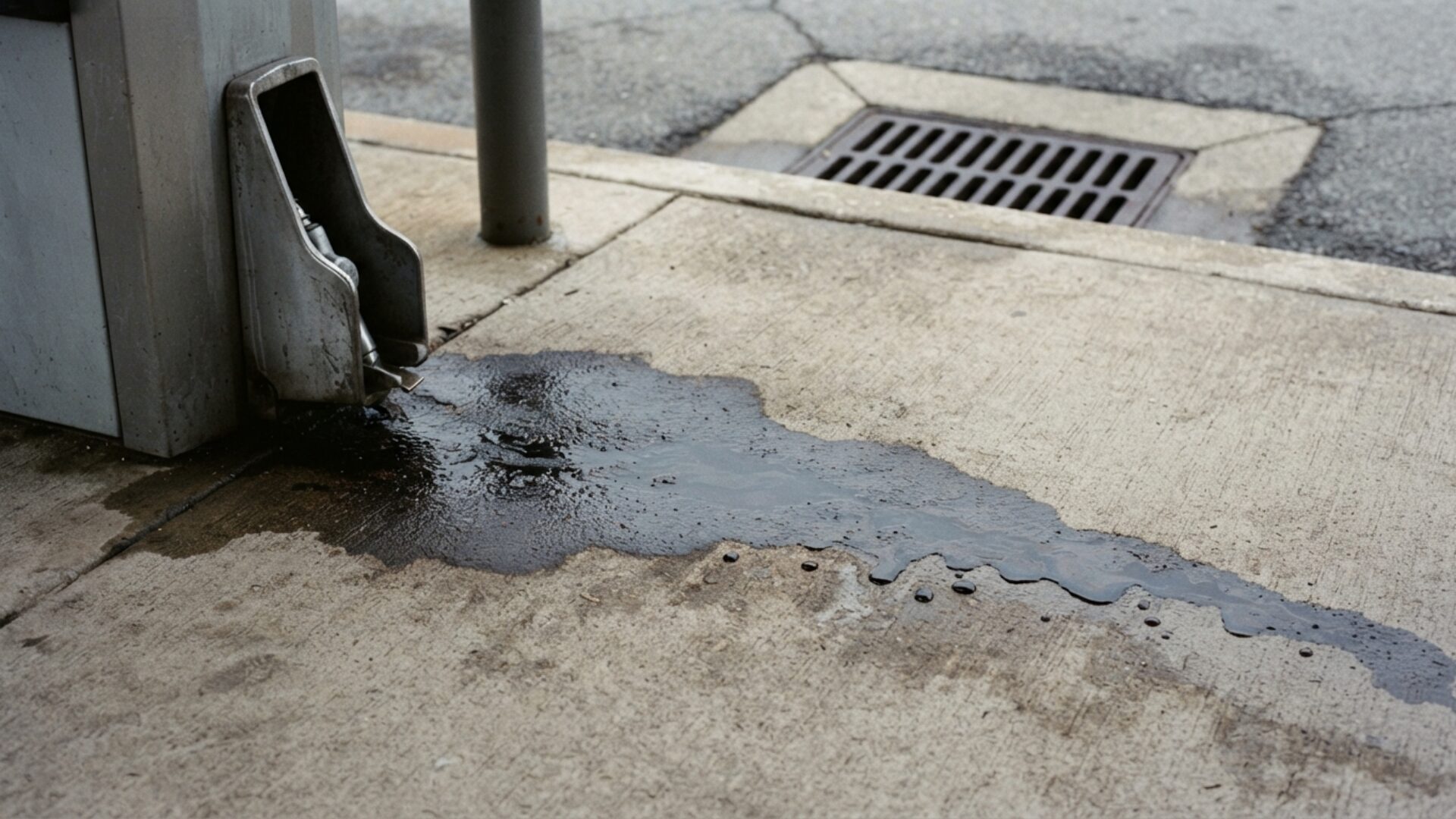
Topping off means squeezing in more fuel after the nozzle clicks off, and the extra often doesn’t stay put. Chris Pyle, an automotive expert with JustAnswer, says the gas will likely “puke back and spill,” so you’ve paid for fuel that ends up on the ground. By his math, the spilled fuel was meant to buy about 10 more miles, and even that assumes you’d otherwise run the tank dry. Consumer Reports adds that spilled gas is a safety and environmental hazard, and its advice is to stop pumping when the pump clicks off. Spilling is the smaller loss. The larger one happens inside a part of the car most drivers never see.
Why extra fuel can damage the EVAP system
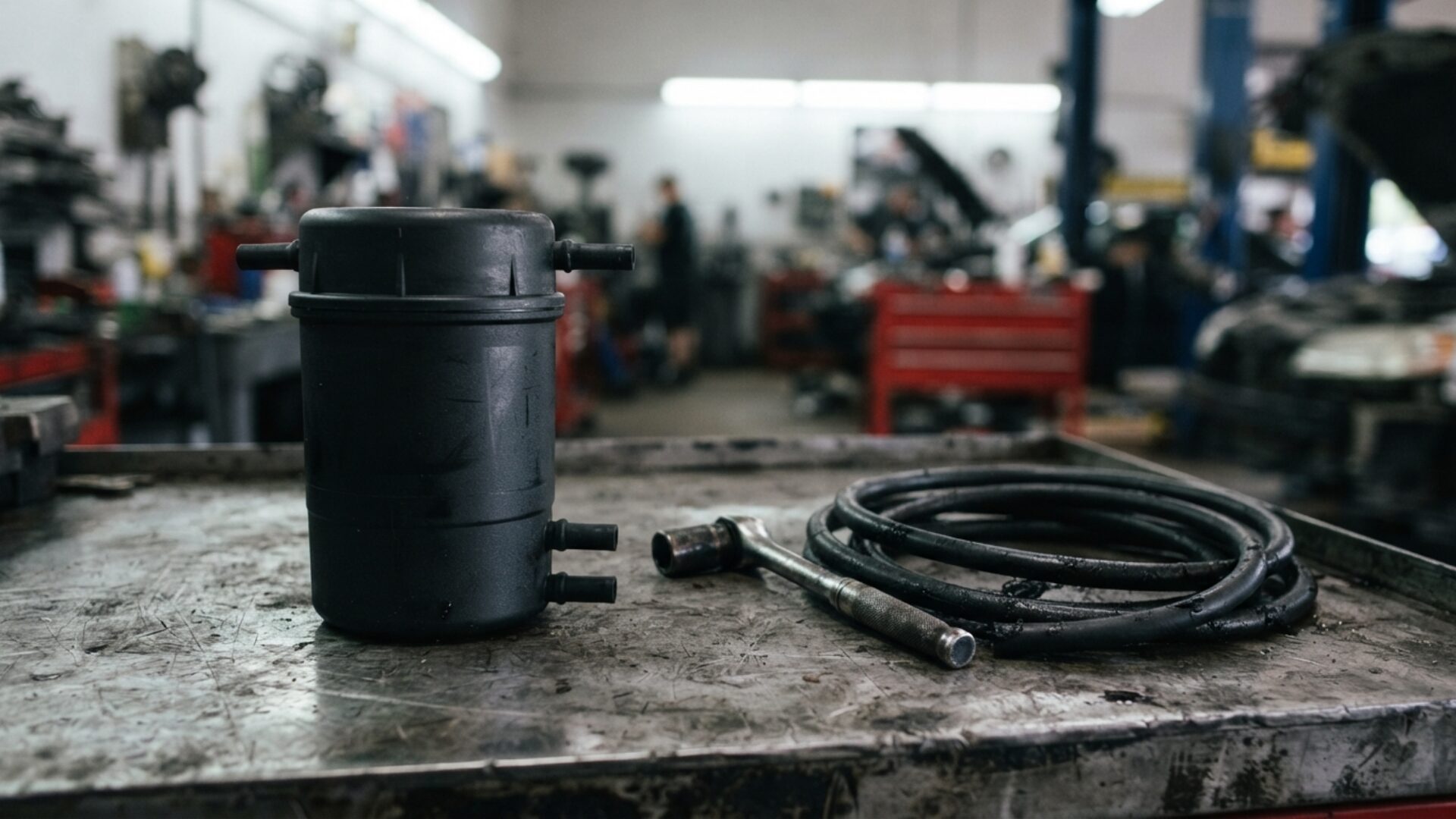
Fuel forced in past the click can reach the charcoal canister, part of the EVAP system that captures fuel vapor. The canister isn’t built to hold liquid. Consumer Reports says saturating it with fuel can switch on the check engine light. Pyle describes the same chain: liquid fuel gets into the system, damages it, and the car runs poorly while the system tries to purge it. The system typically lasts the life of the car, Consumer Reports says, so topping off could lead to an avoidable repair that could cost hundreds of dollars. The next habit comes down to one word printed above a button on the pump.
What AAA found when it tested premium fuel
The word is premium, and AAA says the name leads drivers to assume the fuel is better for their vehicle. For engines built to run on regular, it isn’t, according to AAA’s Greg Brannon, who called premium “higher octane, not higher quality” in 2016. Octane measures how much pressure fuel can take. AAA’s tests found no significant differences in engine power, efficiency or cleanliness when premium went into cars that don’t call for it. About 70 percent of vehicles on the road need only regular, yet about 16.5 million drivers unnecessarily filled up with premium in the year studied. That’s the $2.1 billion. The price gap behind that estimate was about 50 cents a gallon. It’s much wider now.
The premium price gap reached about 89 cents in 2026
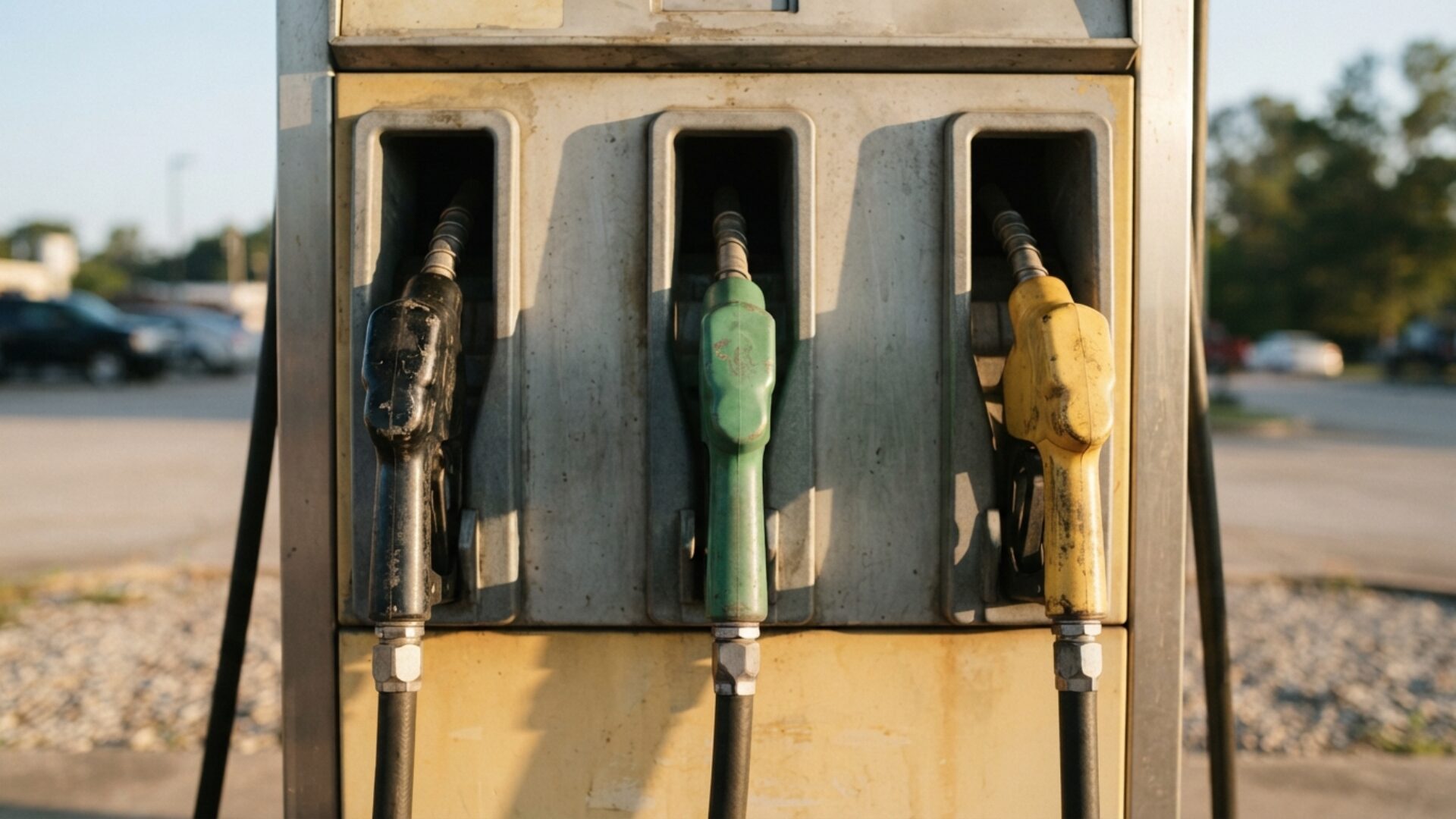
On September 2, 2026, premium cost about 89 cents more per gallon than regular, based on AAA’s national averages cited by Consumer Reports. It was 42 cents in California and over a dollar in Massachusetts. For decades the gap sat near 20 cents, according to CNN. For a driver who buys 500 gallons a year, 89 cents works out to about $445. That’s arithmetic, not a measurement of any one car. The limit: AAA’s study covered only cars that don’t call for premium. Drivers of cars that recommend mid-grade or premium shouldn’t switch to regular, AAA says. Chasing a lower price has a break-even point, and the distance to the pump sets it.
A cheaper station can cost more if it’s far away
Pyle’s advice is to compare prices, but not to travel far for a discount, since the fuel burned on the round trip can cancel the savings. Price apps and websites make the comparison easy. The detour is the part you have to weigh yourself. Say the other station is 10 cents a gallon cheaper and you buy 16 gallons, about the fill-up AAA assumed in its 2016 premium study. That saves $1.60. AAA’s national average for regular was $3.99 a gallon on March 30, 2026, so a trip that burns one gallon loses money. A few cents a gallon is also what loyalty programs promise, and Pyle has a warning about the store.
Loyalty programs and credit cards can trim each fill-up
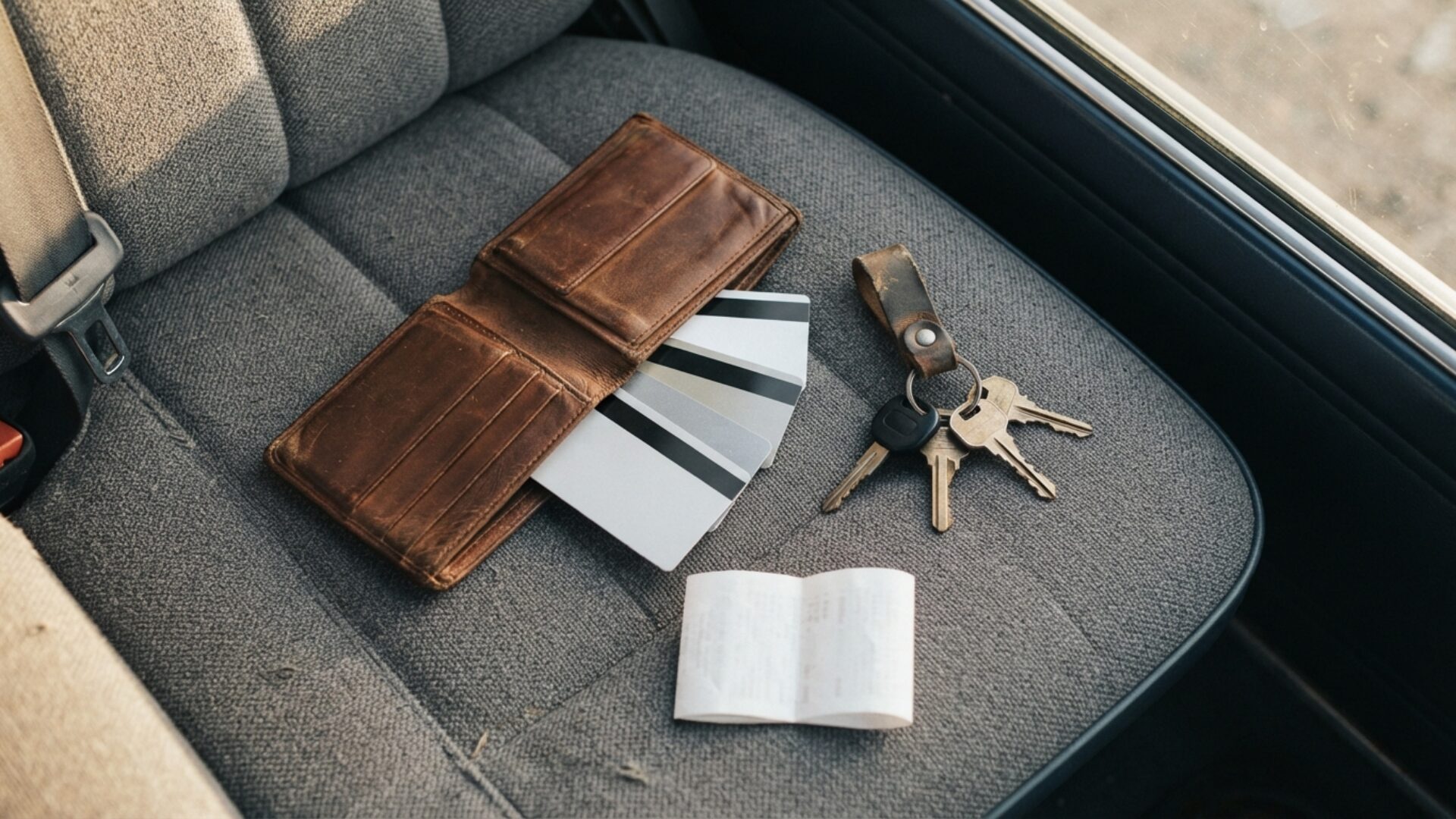
Fuel loyalty programs reward drivers who buy at the same chain, and Pyle says 5 to 10 cents off per gallon adds up. On 500 gallons a year, that’s $25 to $50. His condition: buy only gas. A 10-cent discount on a 16-gallon fill is $1.60, which is easy to spend back inside the store. Credit cards are another source. Many let cardholders choose perks such as cash back at gas stations and grocery stores. What yours offers, and at what rate, is in the card’s rewards terms. How fast the tank empties depends partly on something you can check while it fills.
Underinflated tires burn extra fuel and wear faster
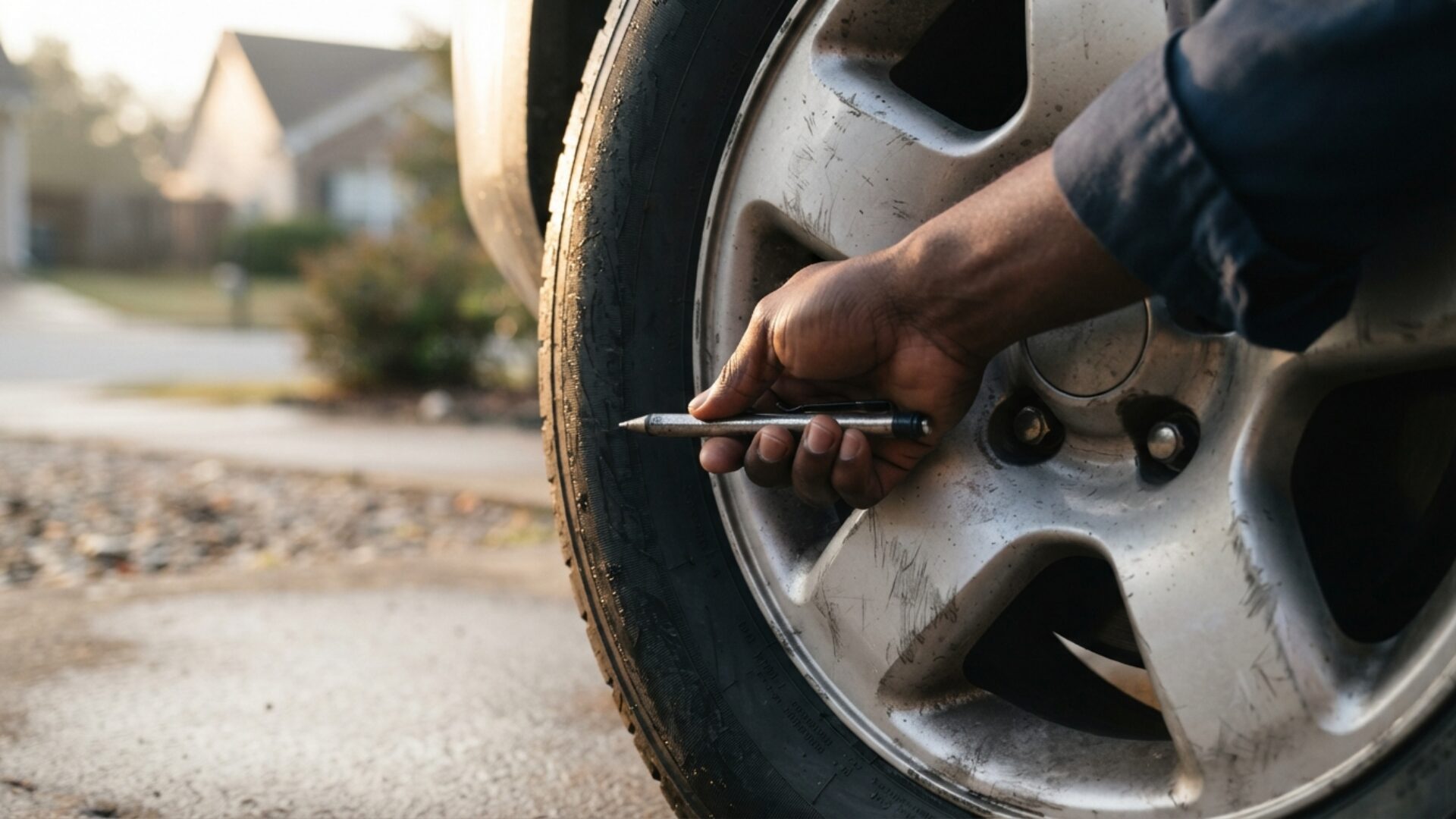
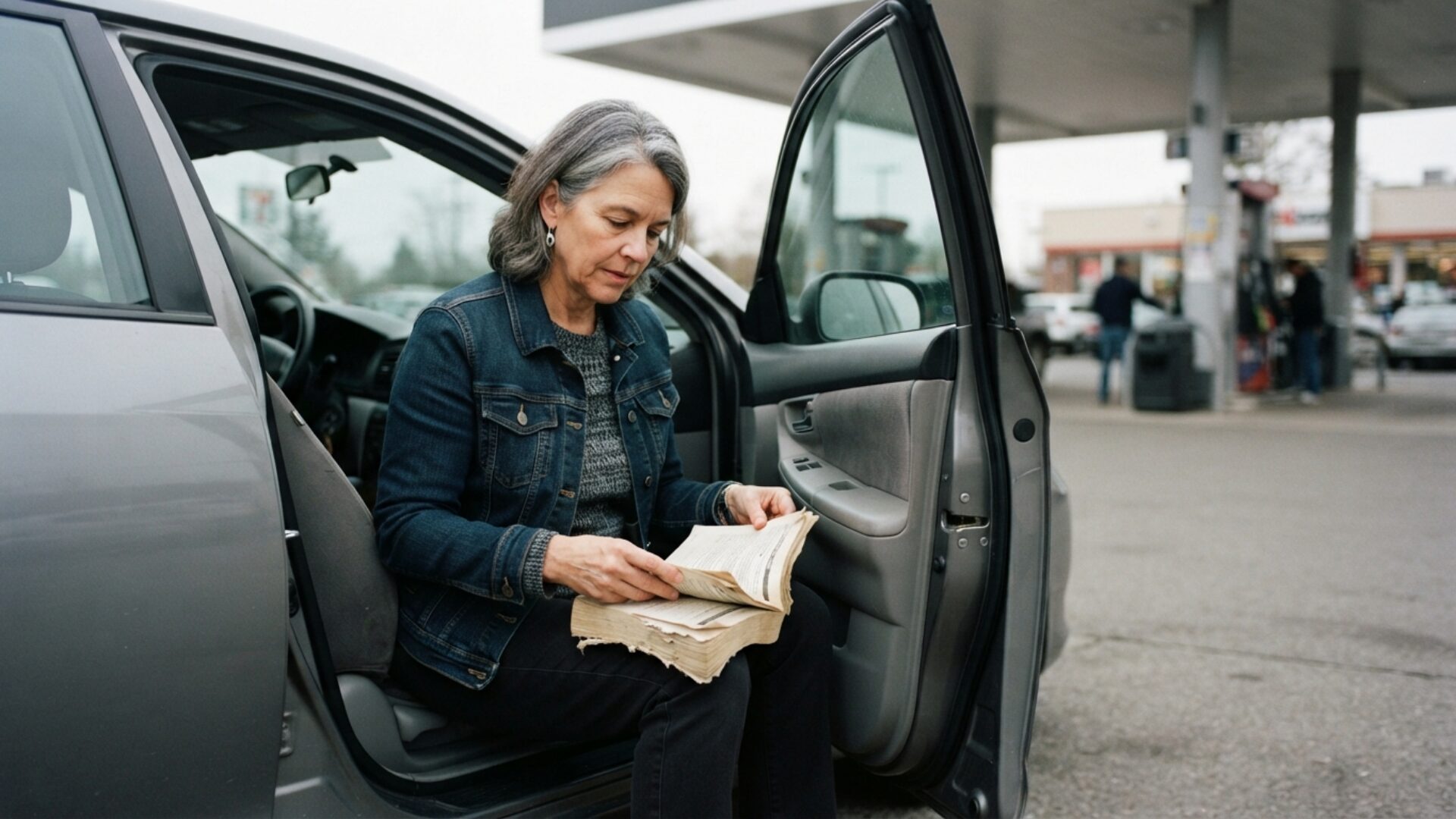
Low tires add rolling resistance, so the engine works harder to move the car. The Department of Energy’s fueleconomy.gov estimates gas mileage drops about 0.2 percent for every 1 psi (pound per square inch) drop in the average pressure of all tires. Keeping tires at the proper pressure improves mileage by 0.6 percent on average, and up to 3 percent in some cases. On 500 gallons a year, that range is about 3 to 15 gallons. The department also says properly inflated tires are safer and last longer. The right pressure is usually on a sticker in the driver’s door jamb, and it’s in the owner’s manual. Every saving so far depends on something a nearly empty tank takes away.
Waiting for the fuel light removes your options
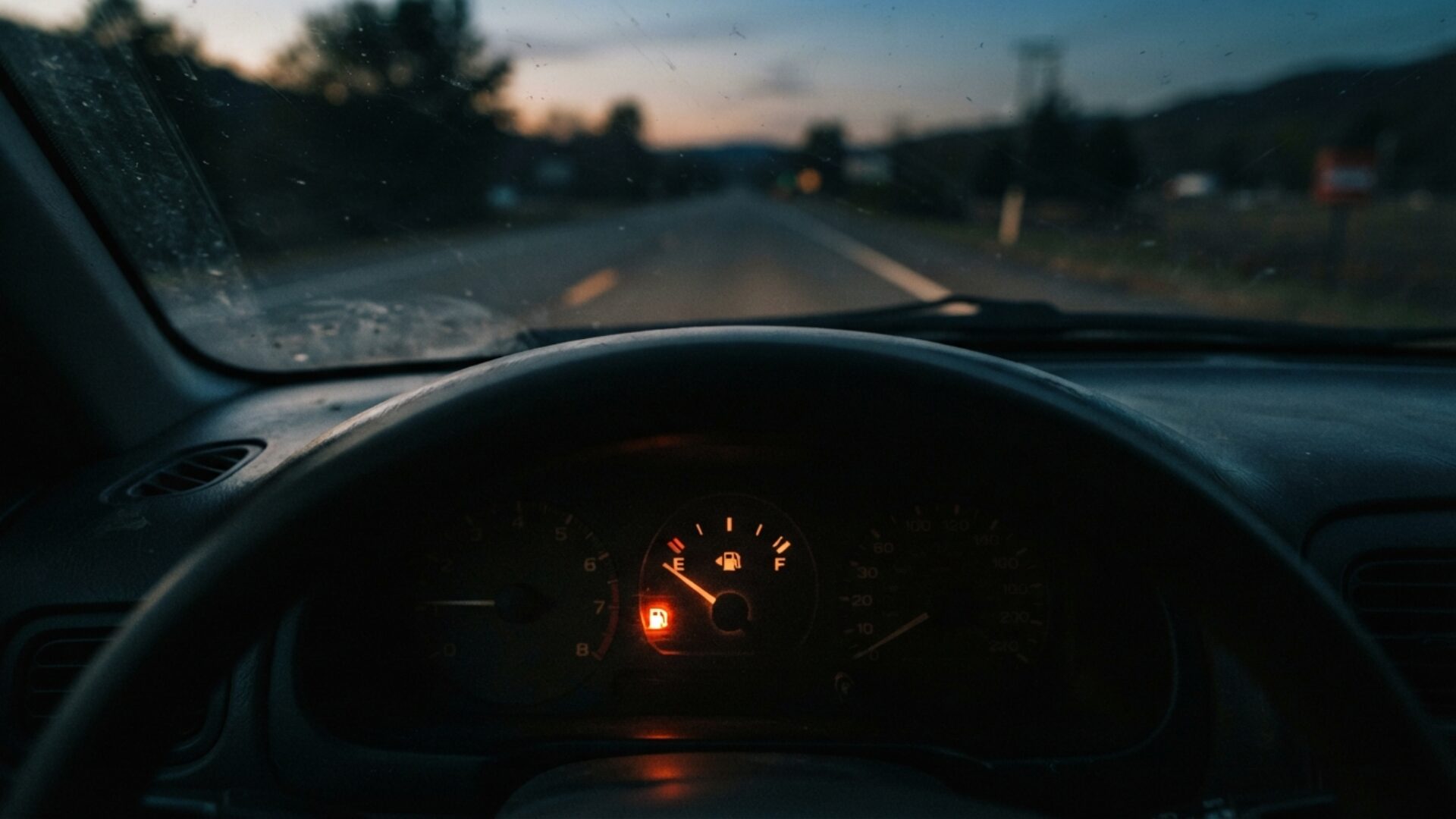
The fuel light is a warning, not a plan. Once it’s on, you’re heading to the nearest pump instead of the cheapest one, and the savings covered so far all need a few gallons of slack. Slack matters most in states with price cycling, where the cost of a gallon resets to a higher price on a certain day before dropping through the rest of the week. GasBuddy’s Patrick De Haan recommends waiting several days after a spike, with the biggest savings in those states typically five to seven days later. A car that runs dry stops wherever it is, which turns a fill-up into a rescue. The best day to fill up is one many drivers wouldn’t guess, and in four states it’s a Monday.
Sunday is the cheapest day in most states, not all
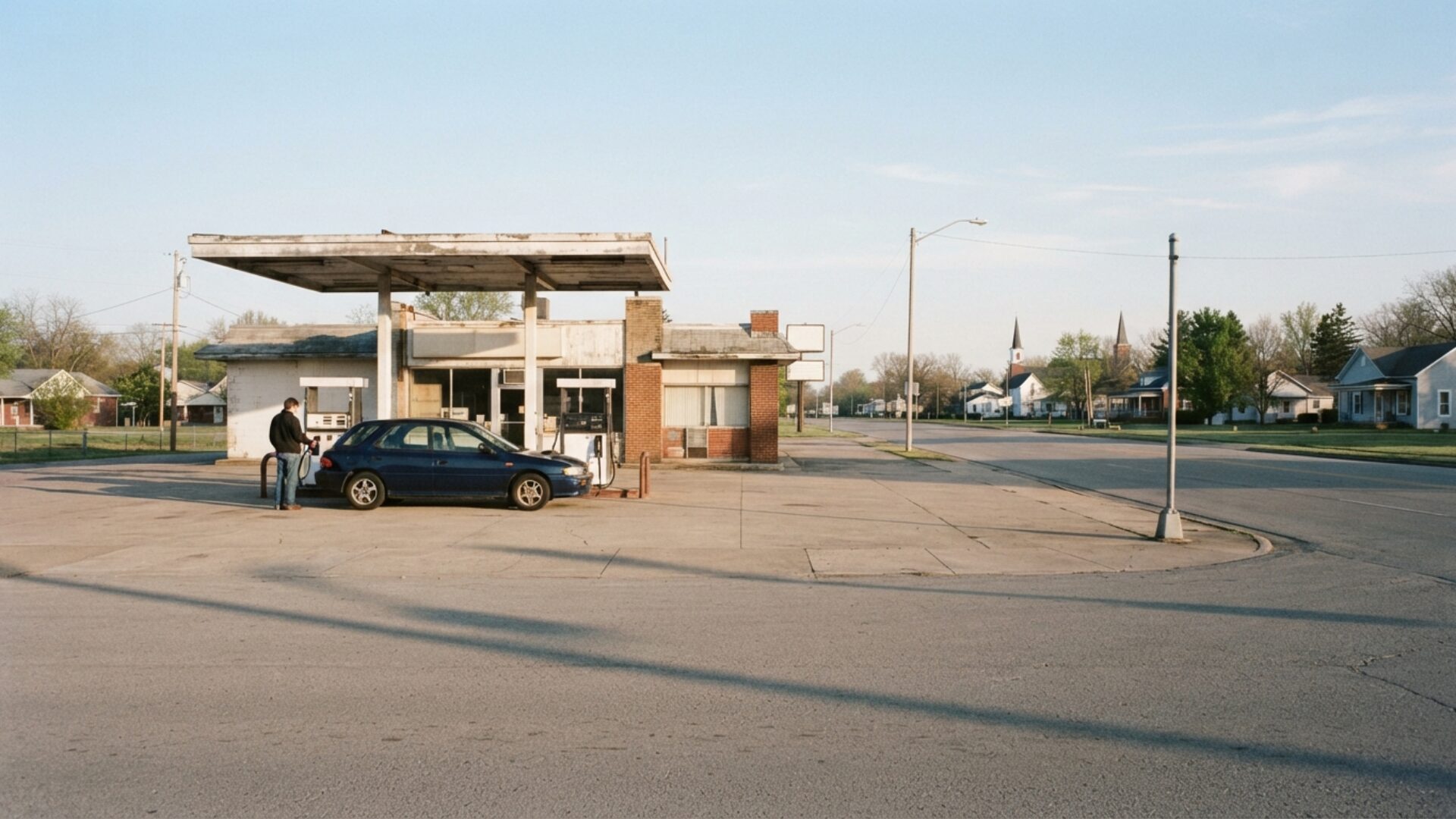
GasBuddy’s 2026 analysis found Sunday was the cheapest day in 41 states, while Monday was best in Alaska, Delaware, Indiana and Ohio. Saturday took the top spot in several others, including Kansas, Pennsylvania, South Dakota and Wyoming, and Montana was the lone state where Tuesday was cheapest. That’s the reverse of the idea that weekends cost more. Wednesday through Friday tend to be the priciest, and the gap between the cheapest and costliest day is about 4 to 9 cents a gallon. De Haan says timing the fill-up and shopping around can “add up to hundreds of dollars.” Before your next fill-up, look up your own state’s best day in GasBuddy’s state-by-state list.