$1 Million Approved to Tear Down Historic Dams, Locals Say It’s “Long Overdue”
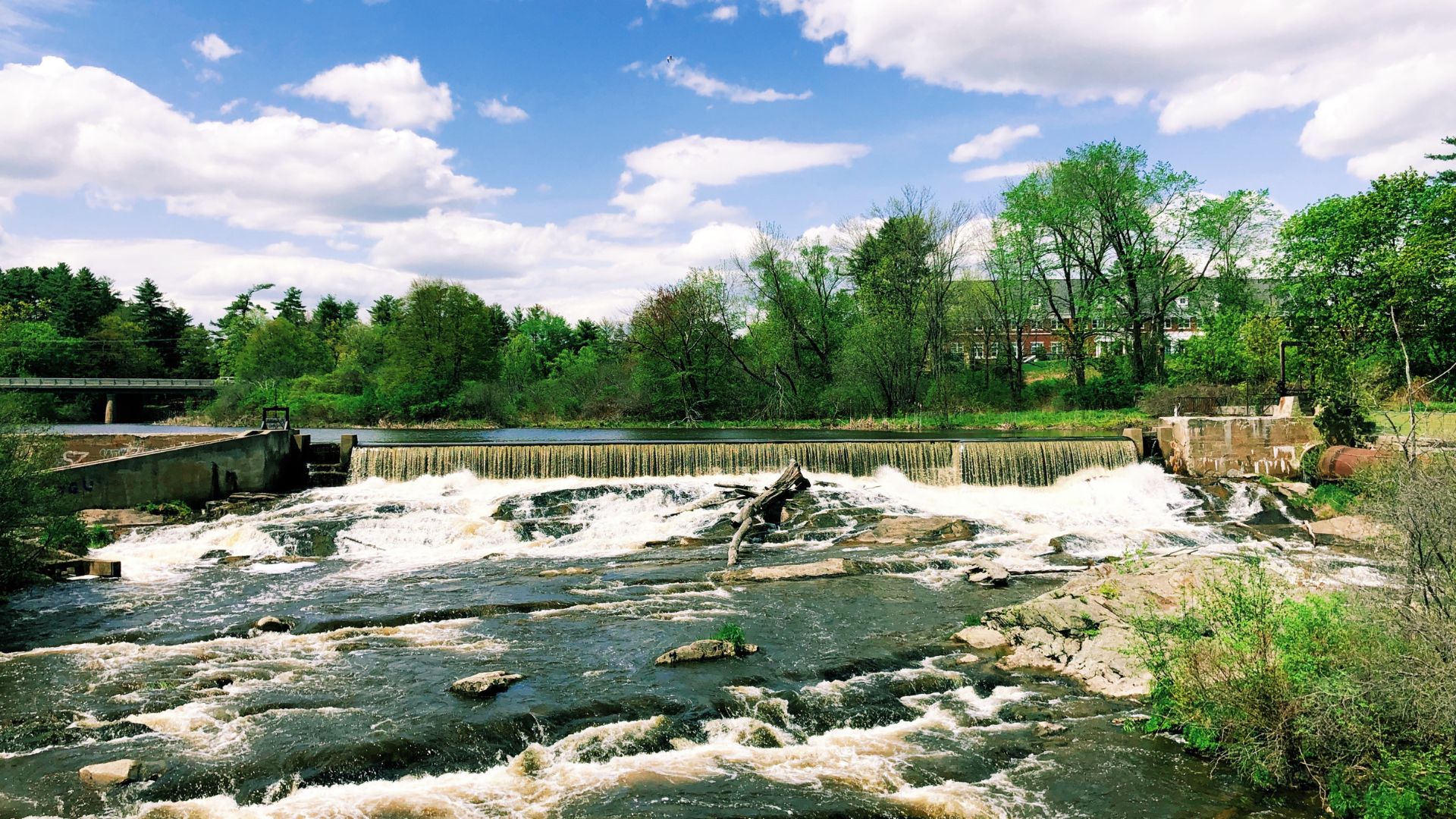

In towns, rivers run quietly through daily life, and in Yarmouth, Maine, the Royal River has done that for generations while two historic dams stood in its path. Now, state officials have approved $1 million to remove East Elm Street and Bridge Street dams, turning the discussed plans into scheduled work.
That approval follows an earlier vote from the Yarmouth Town Council, which endorsed removal after months of public discussion. Conservation groups argued that the dams block fish access, slow river flow, alter habitat, and reduce water quality, which keeps native species from moving upstream and limits seasonal migration patterns for wildlife.
As summer construction approaches, residents describe the project as long overdue after years of organizing led by the Royal River Alliance and the Royal River Conservation Trust. Similar dam removals on the Klamath River in Oregon and the Elwha River in Washington have coincided with salmon returning in higher numbers.
River Restoration and Fishery Recovery
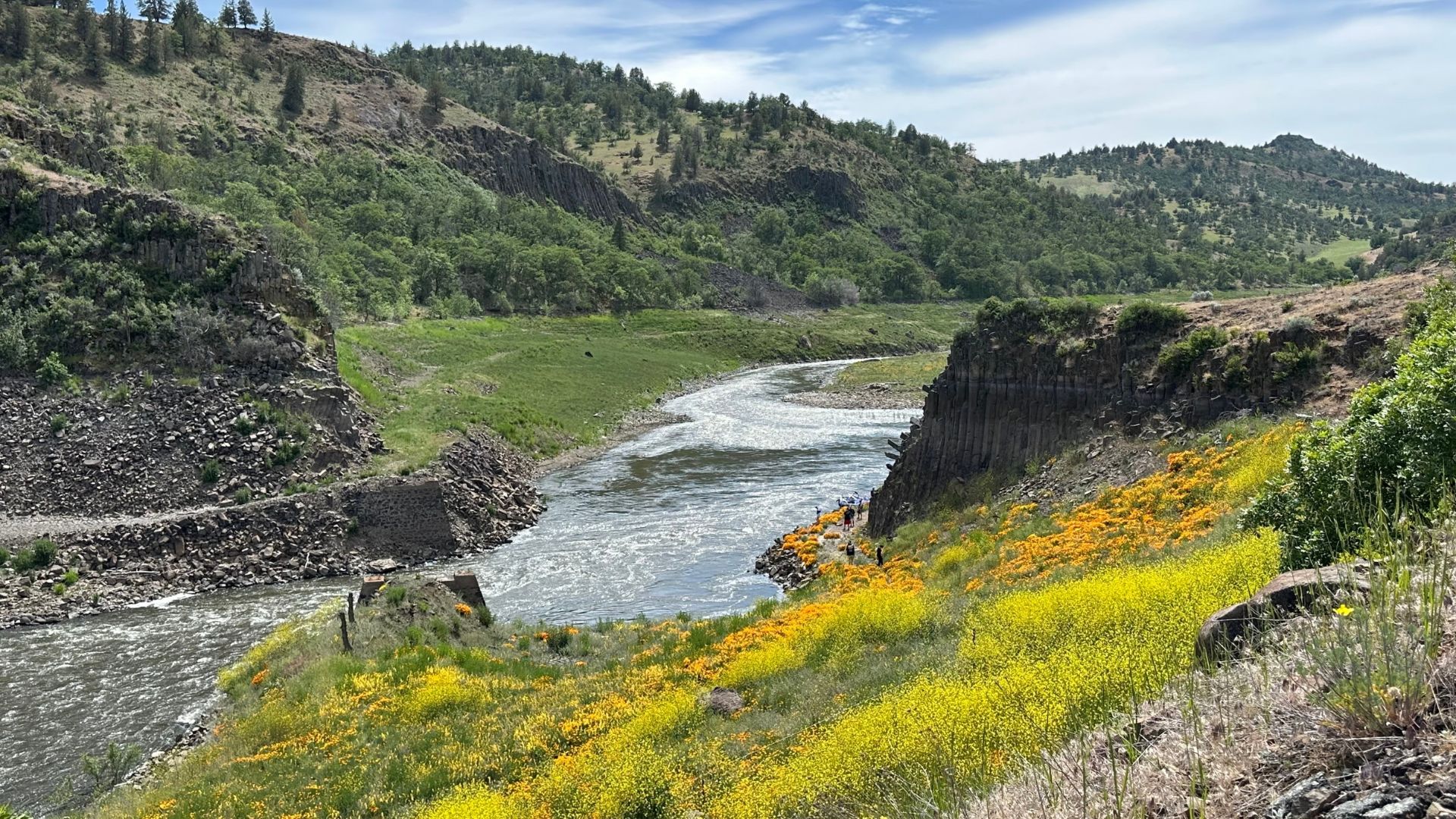
Removal of the East Elm Street and Bridge Street dams will reopen stretches of the Royal River that fish have not reached in decades. As conservation groups explain, those structures block upstream movement and slow the current, which limits sea run species from reaching historic spawning grounds. With construction scheduled for this summer, river flow will move more freely through Yarmouth once the barriers come down.
That restored flow connects directly to fishery recovery because migrating species depend on open passage to complete their life cycles. As water moves without obstruction, habitat conditions can stabilize and support spawning activity in upstream sections. Over time, that access can rebuild a consistent sea run fish presence along the river corridor.
Comparable projects on the Klamath River in Oregon and the Elwha River in Washington have shown salmon returning after dam removal reopened habitat. Because those rivers regained long-restricted access points, local officials in Yarmouth now cite them when describing what renewed fish migration could look like on the Royal River.
Recreation Access and Community Impact
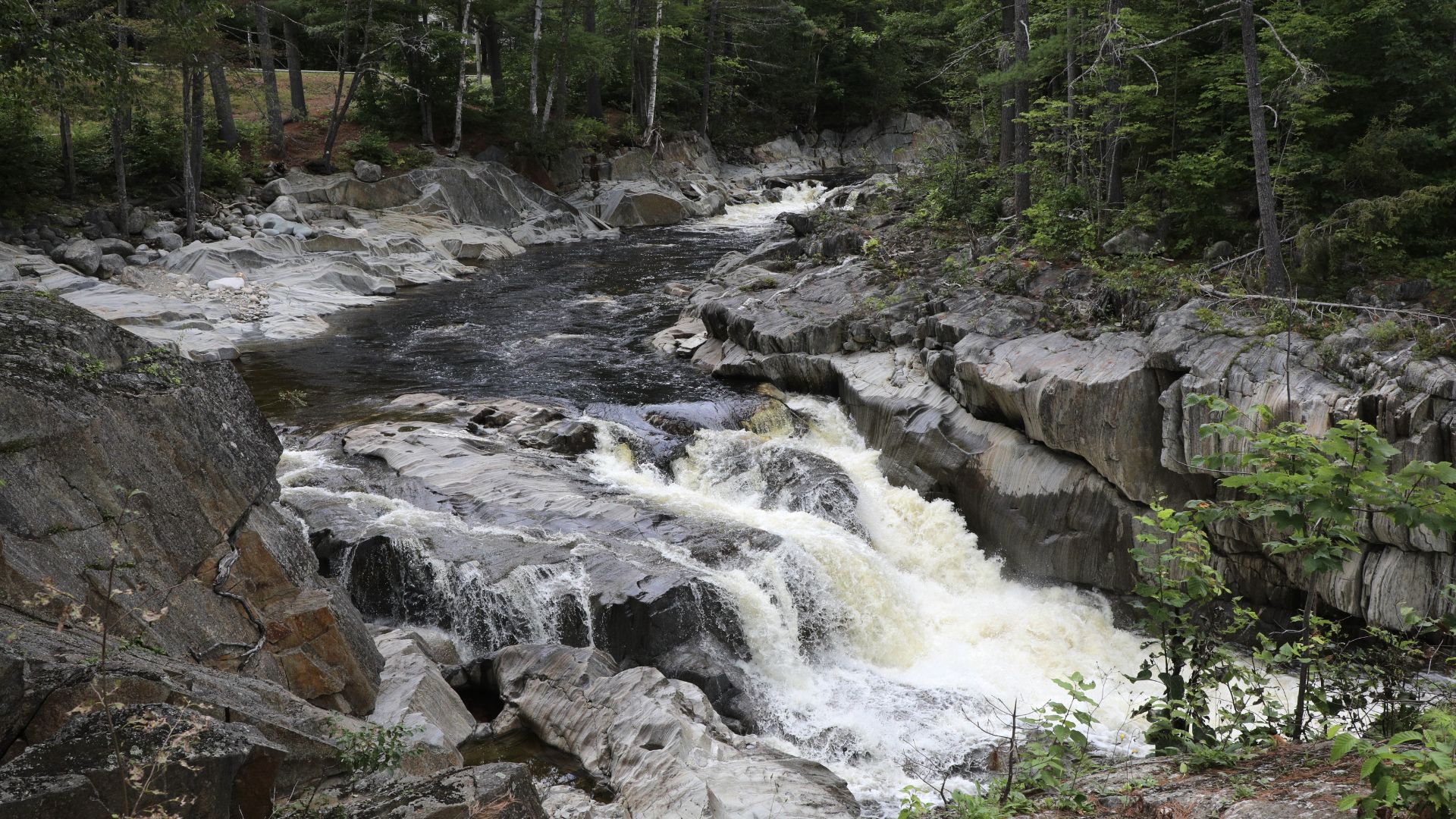
As plans move forward to remove the East Elm Street and Bridge Street dams, residents are also thinking about what a free-flowing Royal River will mean for daily life. The Royal River Conservation Trust has said an open river would create more opportunities for kayaking, fishing, and spending time along the water. With the barriers scheduled to come down, people who live nearby would see a river that feels more accessible.
That added access connects directly to how communities gather around natural spaces, because easier passage along the river encourages more consistent use. As water moves without obstruction, the setting can support recreation in ways that the dams have limited for years. Over time, that change can influence how families and visitors interact with the river corridor.
Support for the project has built through sustained local organizing, which explains why leaders now call it long overdue. Yarmouth Town Council Chair Karin Orenstein told the Portland Press Herald, “It has been a long time coming,” and she added that residents stand on the shoulders of those who worked toward this outcome, reinforcing the community-driven nature of the effort.
Construction Timeline and Long-Term Oversight
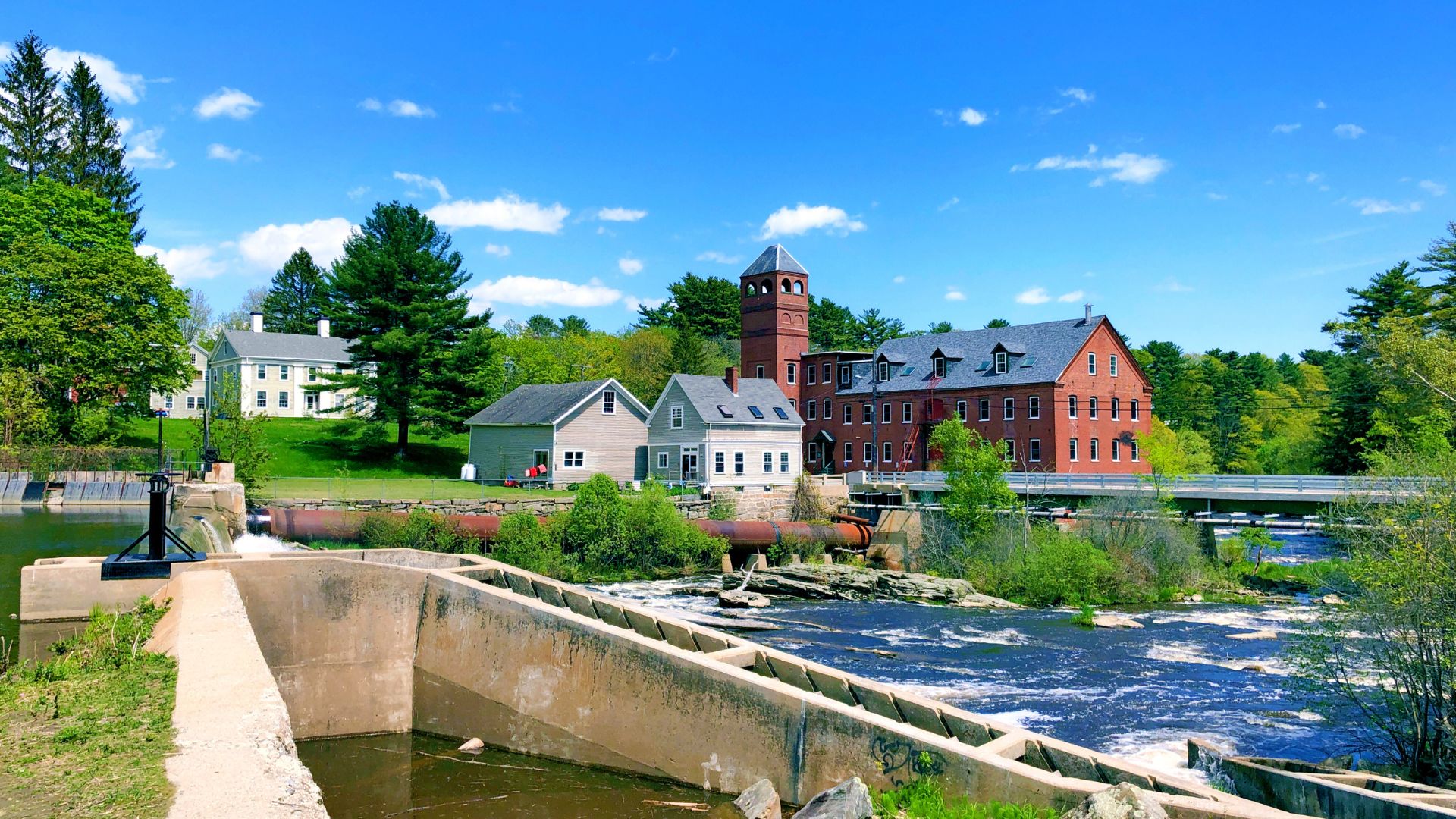
Construction on the Royal River is expected to begin this summer, which moves the project from approval into visible action. Crews will focus first on site preparation before removing the East Elm Street and Bridge Street dams. Town officials will work with state agencies to manage permits and environmental safeguards as the timeline advances.
As removal progresses, monitoring will track water flow, sediment movement, and habitat response along sections that reopen. That oversight allows local authorities and conservation groups to measure ecological changes over time and adjust management plans when conditions require it. Through that ongoing review, the town can document how the river responds once the barriers come down.
Public communication will remain steady throughout construction because nearby streets and river access points will face temporary changes. Town leaders plan to share updates so residents understand each stage of the work as it unfolds. As activity continues along the river corridor, the physical transformation will become more visible, linking policy approval to on-the-ground change in real time.