Walmart Makes a Sudden Shift On Self-Checkout
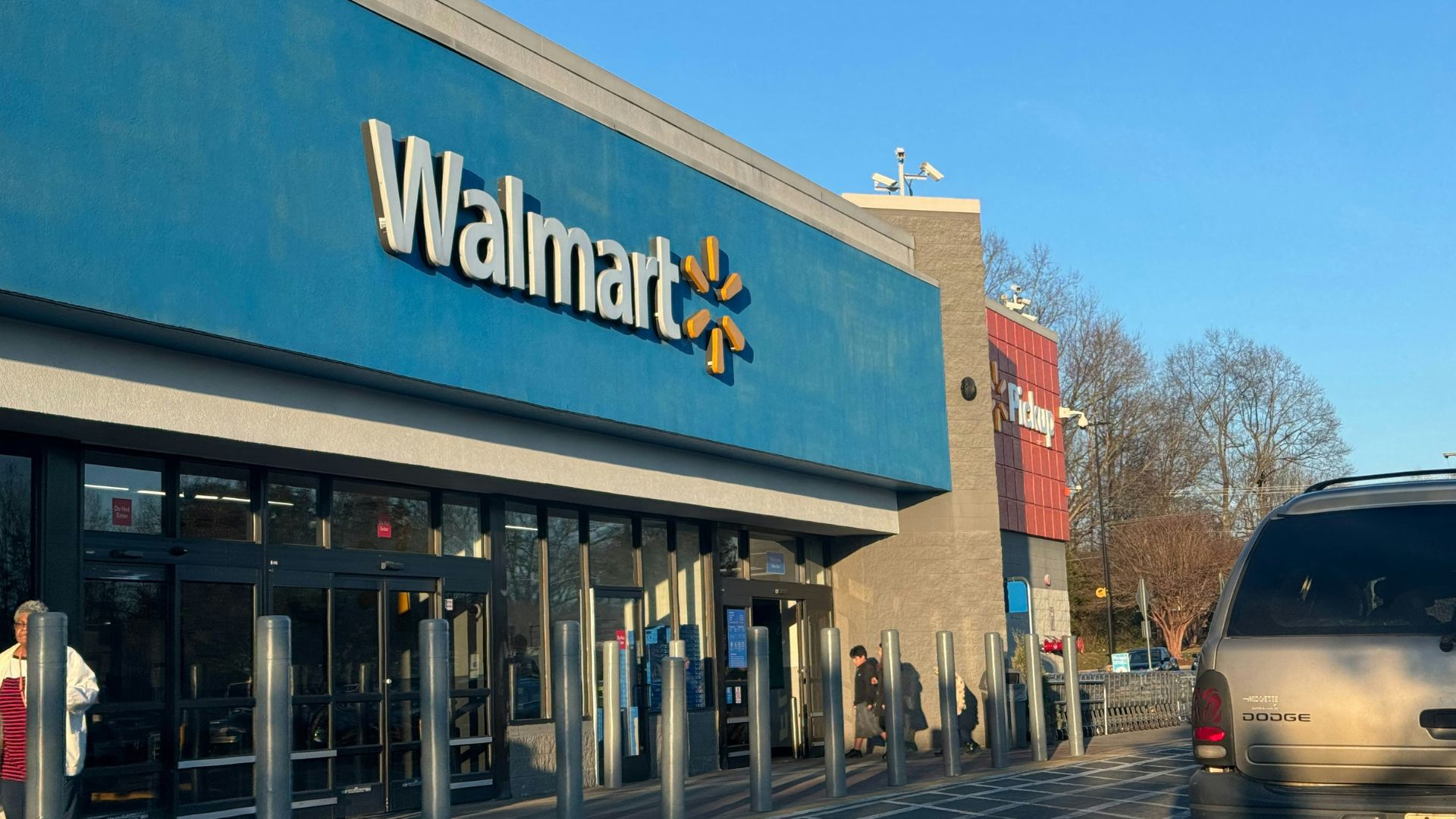

Walmart has started rethinking its checkout strategy, and shoppers are starting to notice. After years of leaning into automation, the retail giant is pulling back in certain stores. The move has sparked questions about how customers prefer to shop and how stores balance speed with service. With a billion-dollar industry tied to these machines, even small changes make waves. Let’s examine what Walmart’s doing and why the decision has the retail space abuzz.
Theft And Crimes Led To This Shift

Walmart started scaling back self-checkout after concerns over theft and scams grew. Some stores drew repeated police calls connected to the kiosks, so leaders decided to test a different approach. In Shrewsbury, Massachusetts, the change made a striking difference. Police calls dropped 64 percent and arrests went down as well. The results caught the attention of other retailers, and the shift highlighted how much checkout choices can affect daily store operations.
Walmart Is Theft-Proofing The Remaining Kiosks
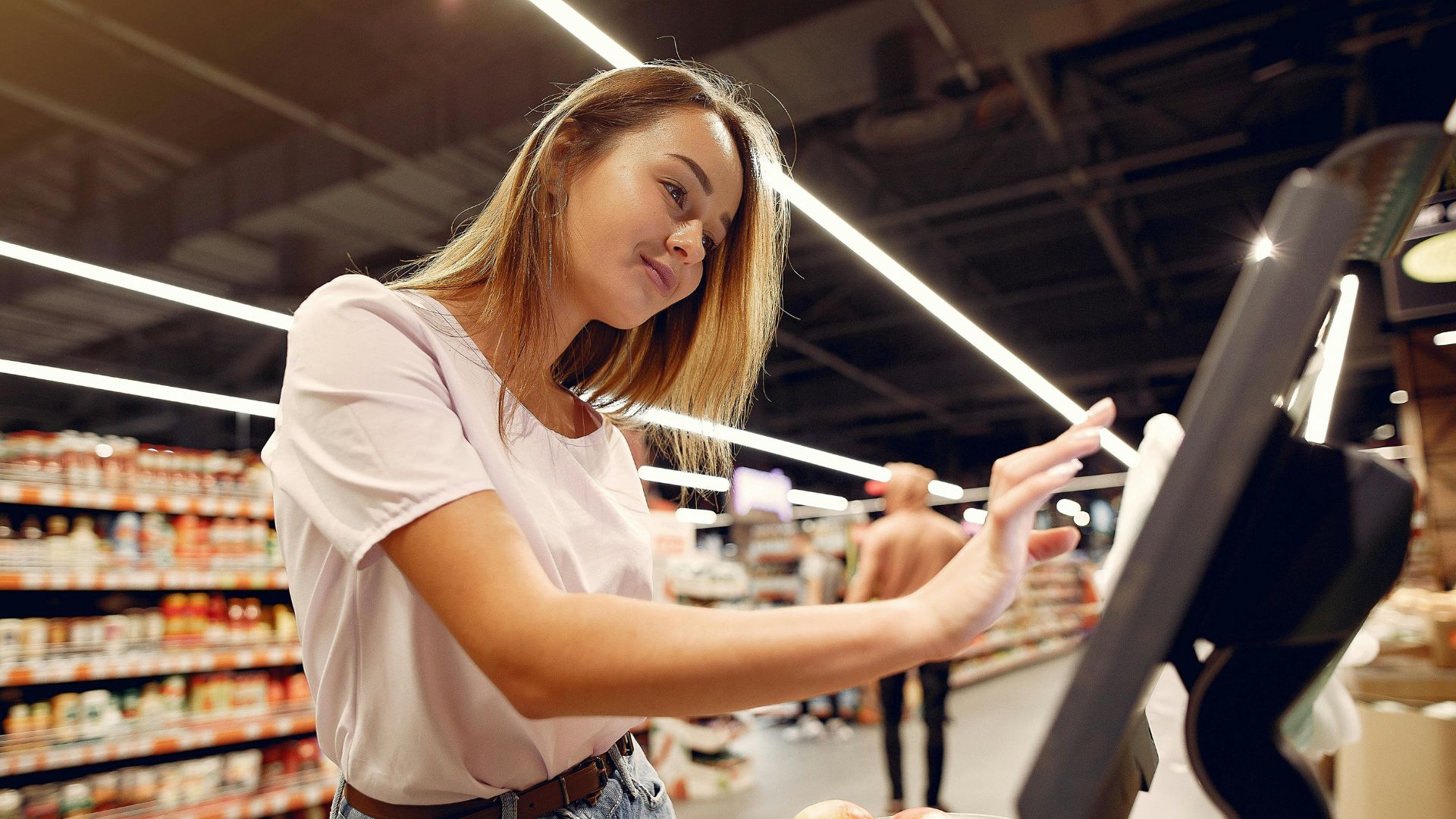
Walmart isn’t abandoning self-checkout everywhere, so the company is putting new tools in place to make the kiosks more secure. The technology can flag missed scans, track unusual movements, and spot fake barcodes in real time. Some stores even added overhead video that lets staff review transactions right away. The idea is to keep the machines running while cutting down on losses. So customers still get the option, and stores also get extra protection.
Many Vendors And Investors Face Trouble
Walmart’s decision is sending ripples through the companies that supply its self-checkout machines. Contracts valued at over $3 billion now sit in an uncertain spot as the retailer rethinks its plans. Vendors who relied on steady orders are left waiting, and investors are watching closely too. The sudden slowdown has made the market uneasy, and the shift shows how one retailer’s move can quickly reshape business for those tied to its systems.
Human Cashiers Are Being Prioritized Again
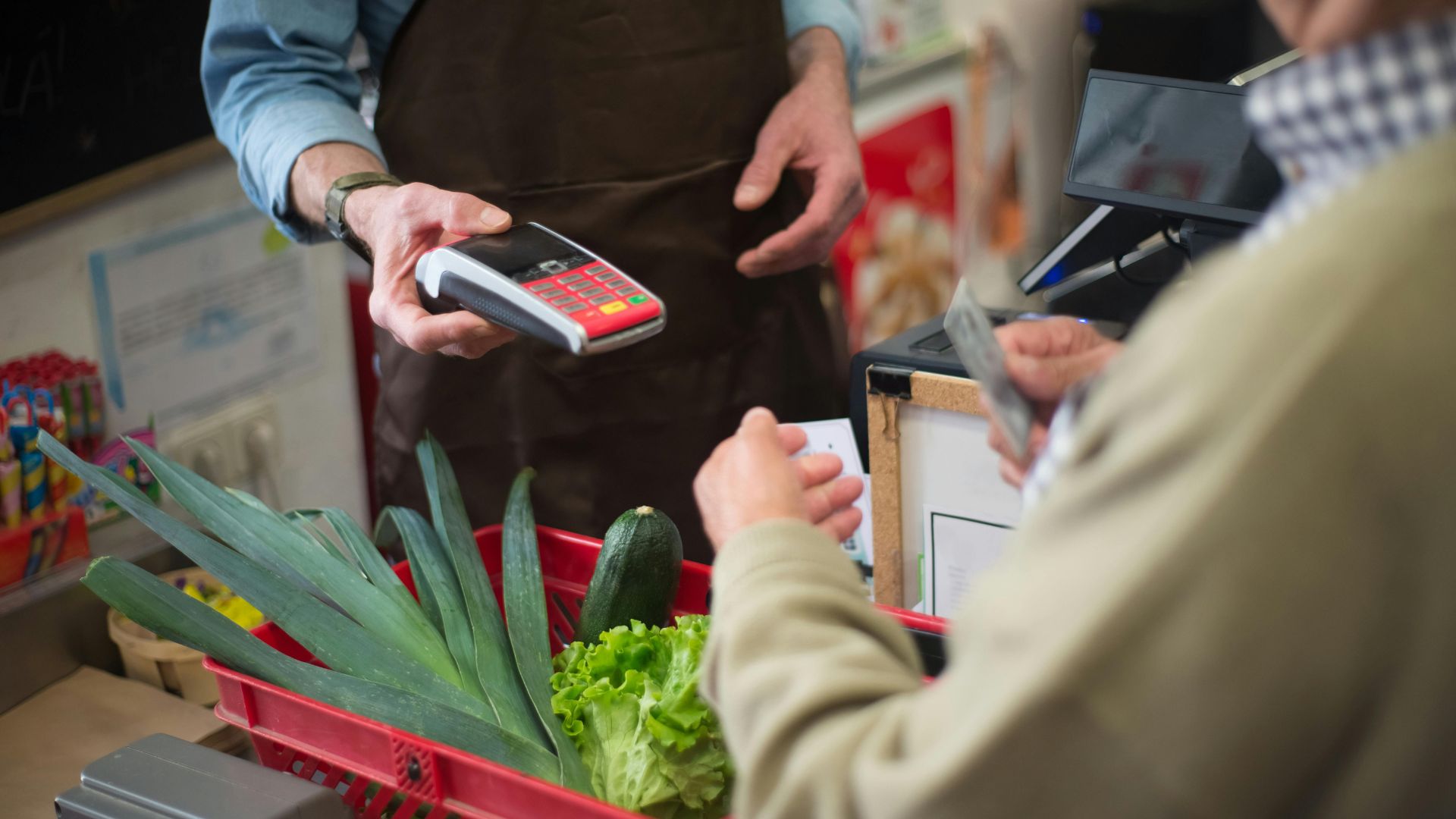
Walmart heard from shoppers who grew frustrated with self-checkout, so the company is leaning back into staffed lanes. Complaints from places like Cleveland and Missouri pointed to longer waits and less service when machines dominated the floor. A Forbes survey showed that 81 percent of customers still prefer a person at the register. So more stores are adding cashiers again, giving shoppers the kind of interaction and smoother checkout experience they’ve been asking for.
More Retailers Are Following Walmart’s Strategy

Walmart’s move set off a chain reaction across retail. Target and Dollar General have already scaled back their kiosks, and shoppers are seeing more staffed lanes return in those stores too. In the UK, grocer Booths went even further and pulled most machines after complaints about confusion at checkout. So the shift isn’t just happening at one retailer, it’s spreading across the industry as more companies rethink how shoppers actually want to pay.
Not All Walmart Brands Are Saying Goodbye To Tech
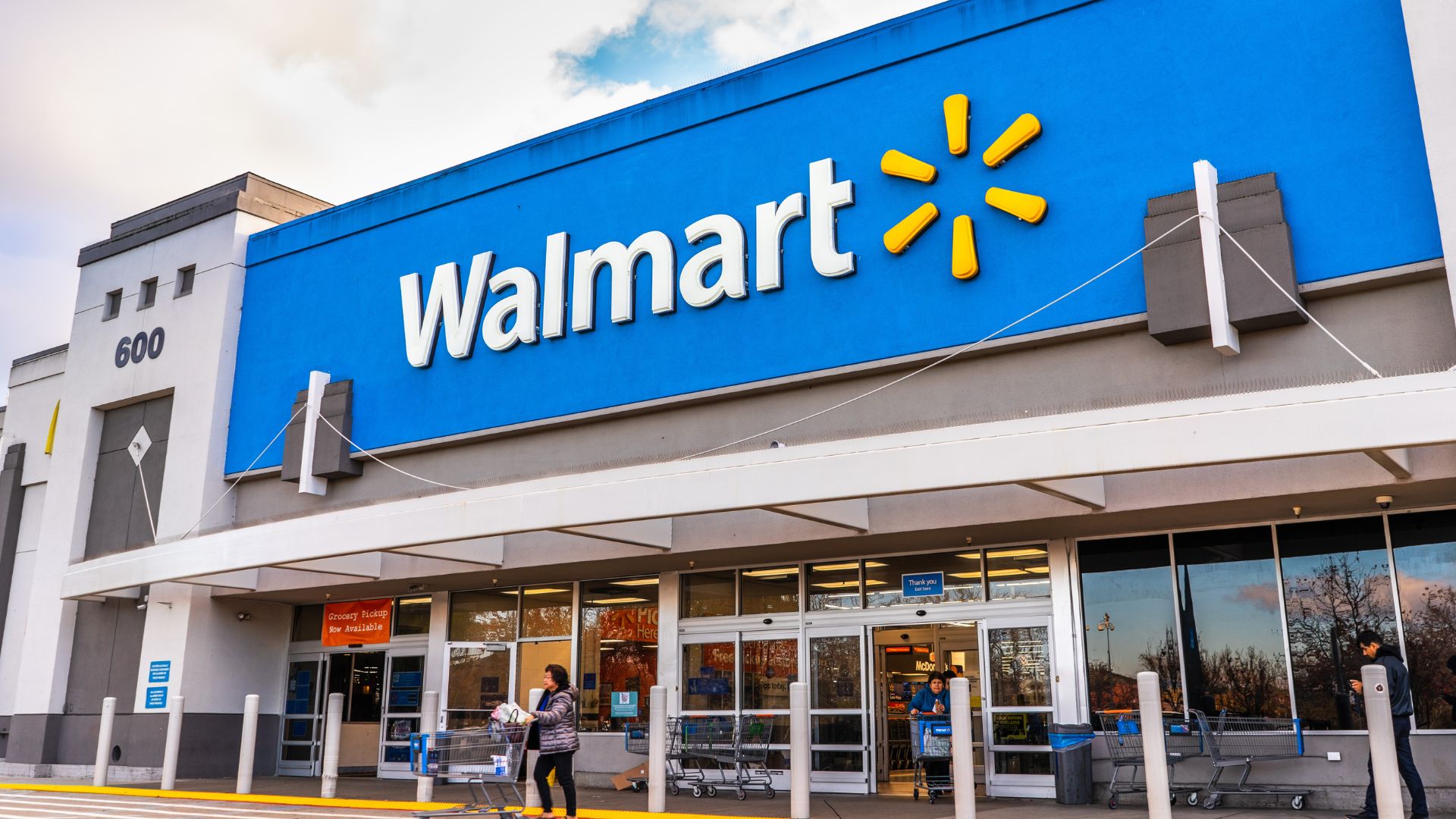
Walmart’s decision quickly got attention from other retailers. Target and Dollar General have already reduced their kiosks, and many of their stores are leaning back into staffed checkout lanes. In the UK, grocer Booths made an even bigger change by pulling most machines after customer complaints about confusion. Retailers are adjusting in different ways, but the trend shows how quickly self-checkout strategies can shift when shoppers and store operations push back.
Walmart’s Decision Triggered Tech Innovation Race In Retail
Walmart’s shift has opened the door for fresh technology trials across retail. Sam’s Club, owned by Walmart, is testing a “Scan & Go” system that lets shoppers use QR codes and real-time AI while filling their carts. The idea is to speed checkout and cut down on errors, so staff can step in only when needed. Other retailers are watching closely, since the race to balance convenience and security is sparking new ideas everywhere.
Examples Of Upcoming Tech In Self-Checkout Systems
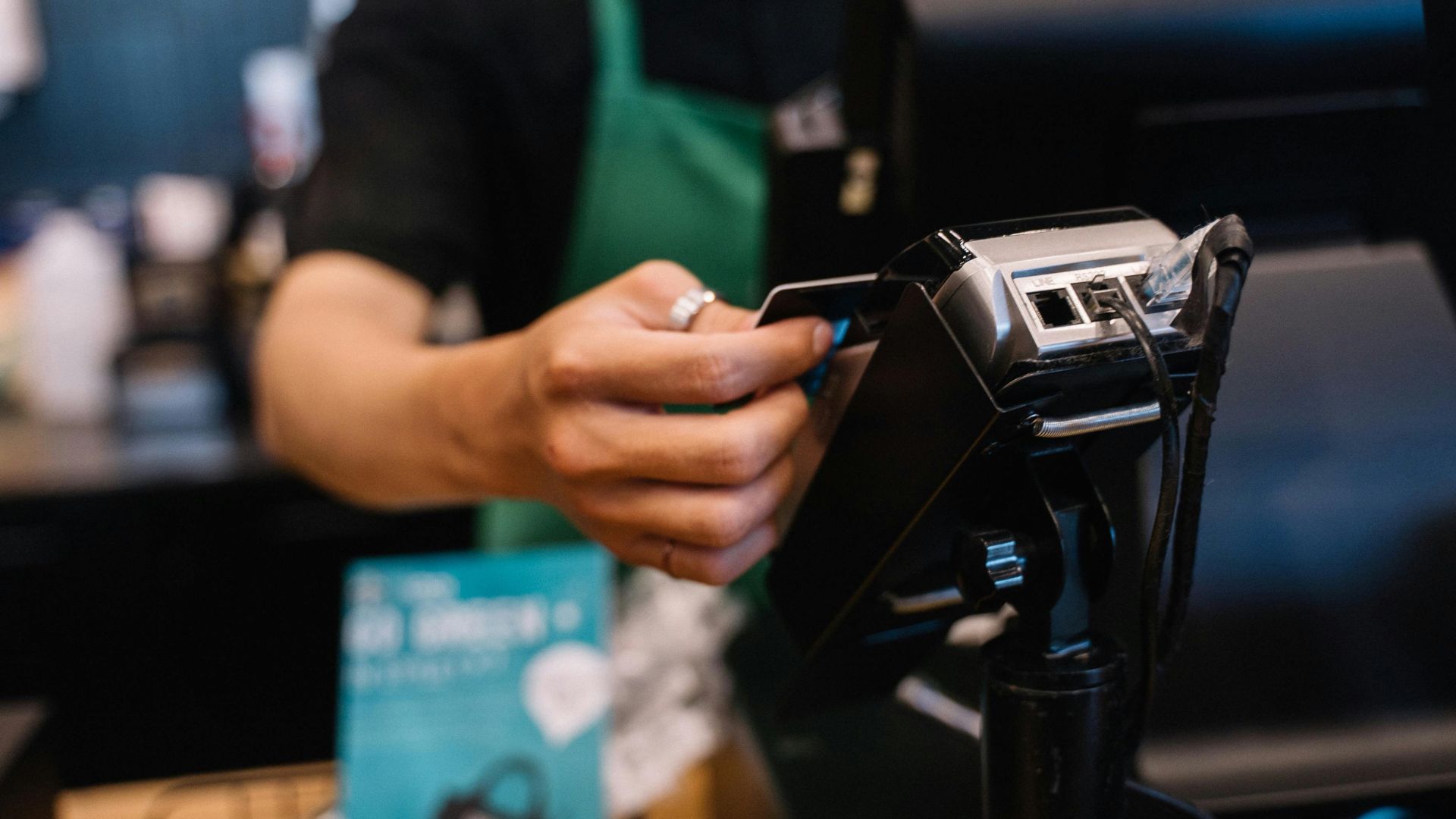
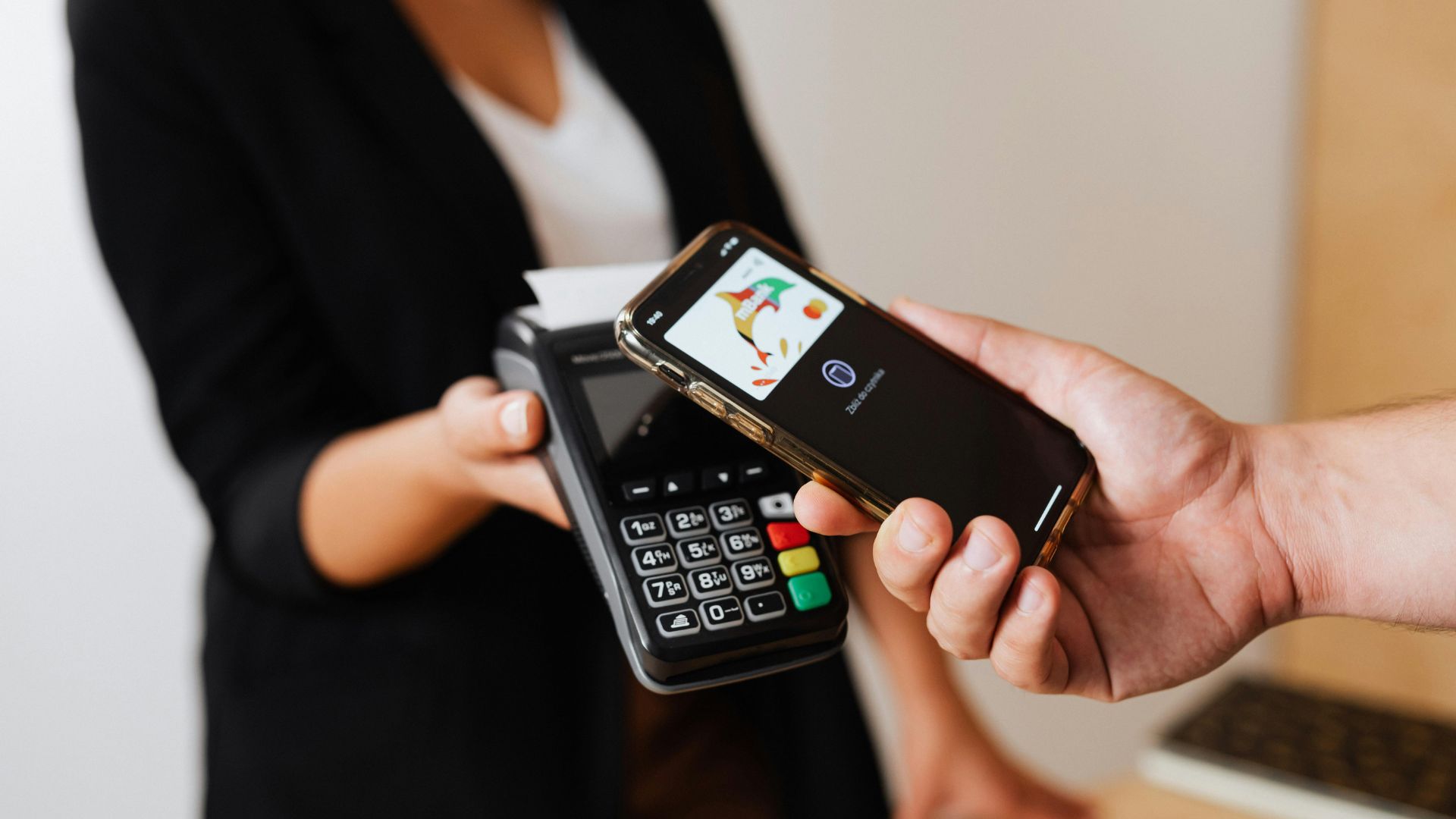
Retailers are rolling out fresh tools to keep self-checkout alive. Smarter kiosks are being designed to flag suspicious scans right away. Intelligent carts are also in testing, so items get logged automatically as they’re dropped in. Mobile payment options are expanding too, giving shoppers quicker ways to pay without waiting in line. The push for these upgrades shows how stores are just trying to make checkout smoother, safer, and more reliable for everyday customers.
Rising Debates On The Future Of In-Store Tech
Retailers are testing new technology to shape how checkout looks going forward. Toshiba is pushing computer vision so items get scanned with fewer errors. Fujitsu is piloting palm recognition that links directly to payments for added security. Other vendors are also introducing smarter features that catch mistakes or fraud right away. So shoppers might see more advanced tools replacing older machines, and the industry is just watching closely to see what shoppers accept or ignore.
Checkout Areas Are Being Reconfigured

Stores are changing layouts so shoppers see more staffed lanes back in action. Self-checkout isn’t going away, but it’s being scaled back to balance speed with service. Many shoppers like the quick option, yet others feel more comfortable when a cashier handles the process. So retailers are adjusting setups to mix both. The idea is to keep lines moving while also giving customers a choice that feels less stressful and more personal during checkout.
What Shoppers Can Expect Next
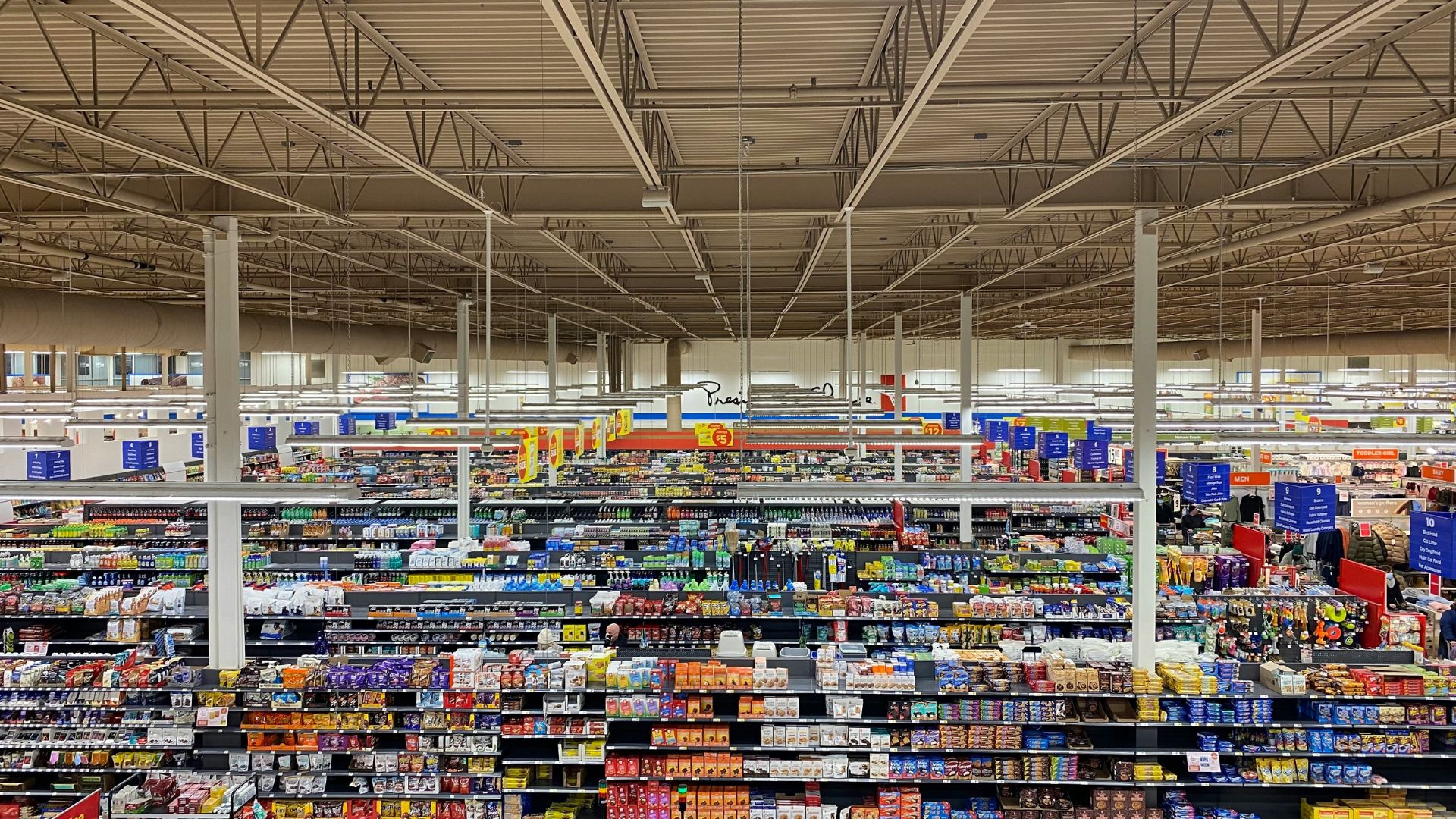
Walmart’s changes show how checkout options are shifting in real time. Some stores will still keep self-checkout available, but many are adding more staffed lanes again. Shoppers may notice rearranged layouts, upgraded machines, or new technology being tested. So the best move is to stay alert to what each store offers. Choosing the option that feels easiest can save time and make the experience smoother. Retailers are adjusting, and customers just need to adapt with them.